







The Mediterranean Diet Was Named the Best Diet for 2025. Here's What the Research Says.
Diet trends come and go. We've seen the rise of the Keto, Paleo, and Carnivore diets, and each diet has received its fair share of praise and criticism. However, out of all the options, one diet frequently reigns: the Mediterranean diet. Many experts consider the Mediterranean diet to be one of the healthiest diets available, but despite receiving criticism like any other diet, it has more benefits than downsides. Out of 38 different diets, the U.S. News & World Report named the Mediterranean diet the Best Overall for 2025.
The health benefits of this diet are well-documented, and it's one of the most studied diets worldwide, according to the Journal of Internal Medicine. It's difficult to find any real criticisms as far as the health impact, although it has been criticized for other reasons, such as not being inclusive of different cultures.
Whether you're considering a change in how you eat or you're just interested in learning more about this dietary pattern, in this slideshow, we'll explore how the Mediterranean diet works, what the benefits are, and what you need to know to get started.
What Is the Mediterranean Diet?
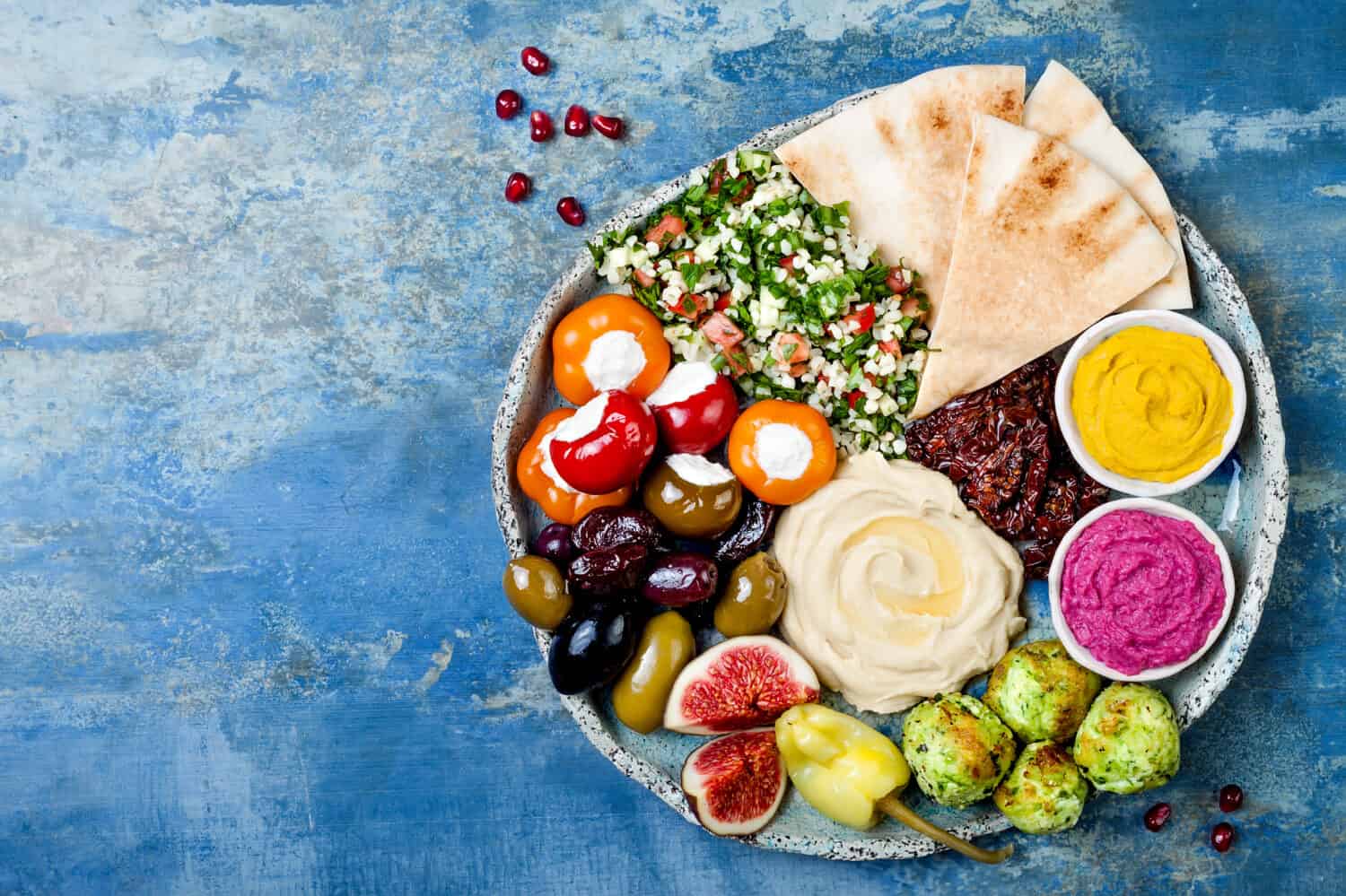
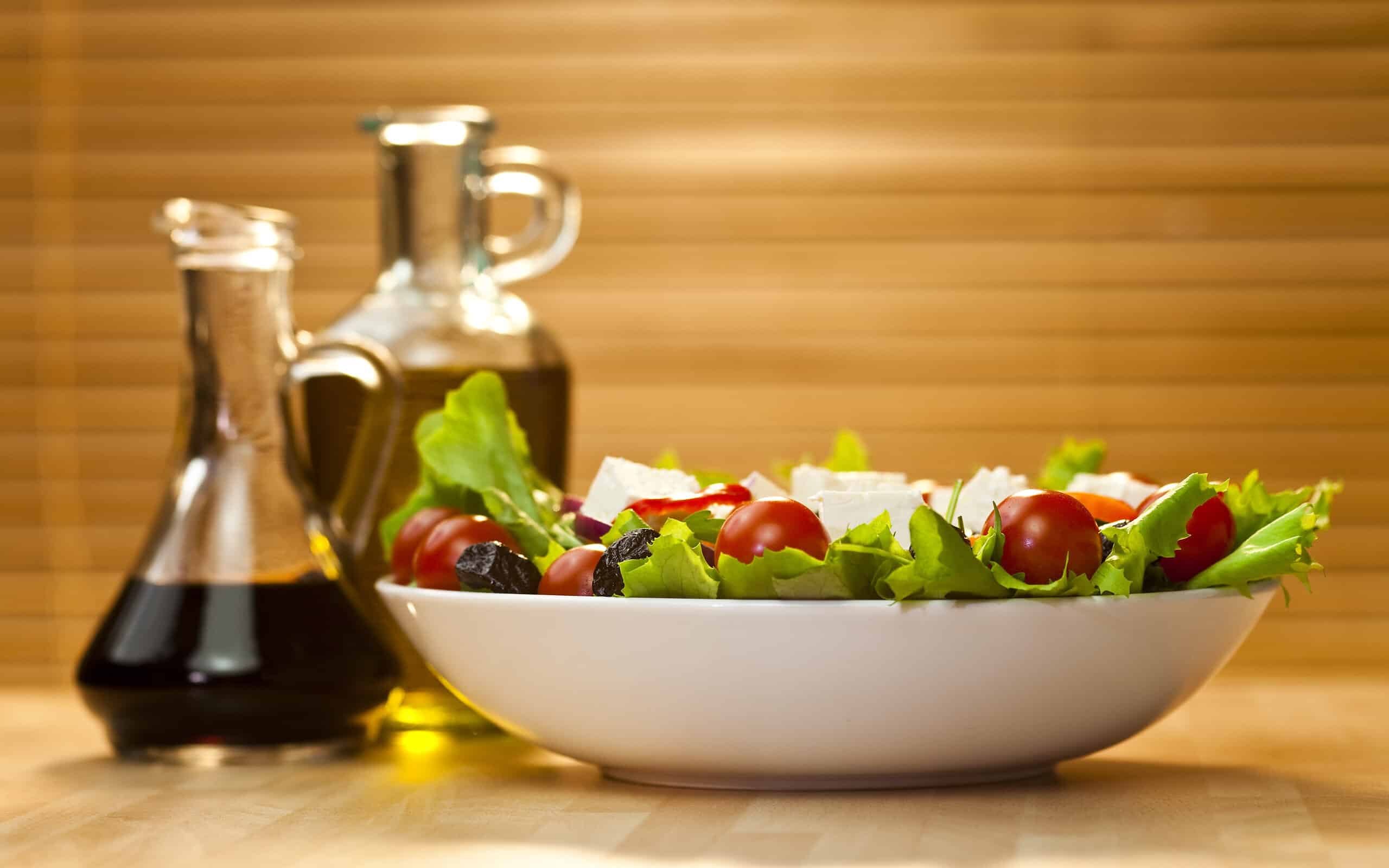
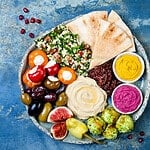
The Mediterranean diet is a way of eating that focuses mainly on fruits, vegetables, whole grains, and healthy fats. As the name states, it's based on the eating practices of people from the Mediterranean.
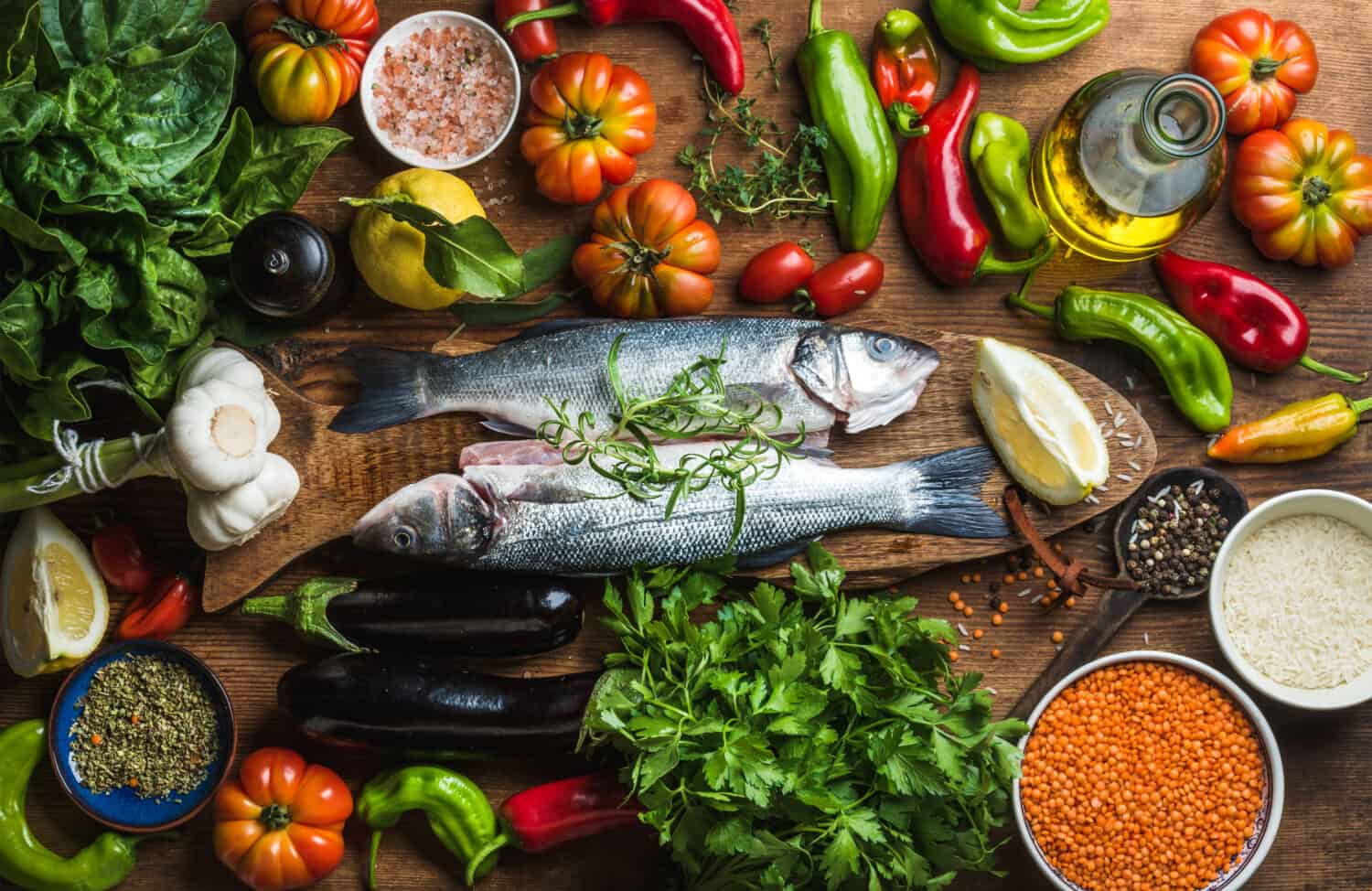
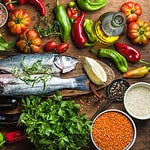
While there aren't many hard and fast rules when it comes to the Mediterranean diet, following this plan means your diet will consist mostly of fruit and vegetables, minimally processed grains, fish or other seafood, and healthy fats.
How It Works
While some other diets entirely restrict certain foods, the Mediterranean diet allows you to eat even unhealthy items in moderation. Generally, the eating plan is divided into four categories:
- Foods to eat at every meal
- Foods to eat at least three times a week
- Foods to limit to one serving per day
- Foods to limit to one serving per week
What this means if you love a good hamburger or you have a sweet tooth, you can still follow the Mediterranean diet as long as you limit your consumption of those foods.
What Can You Eat on the Mediterranean Diet?
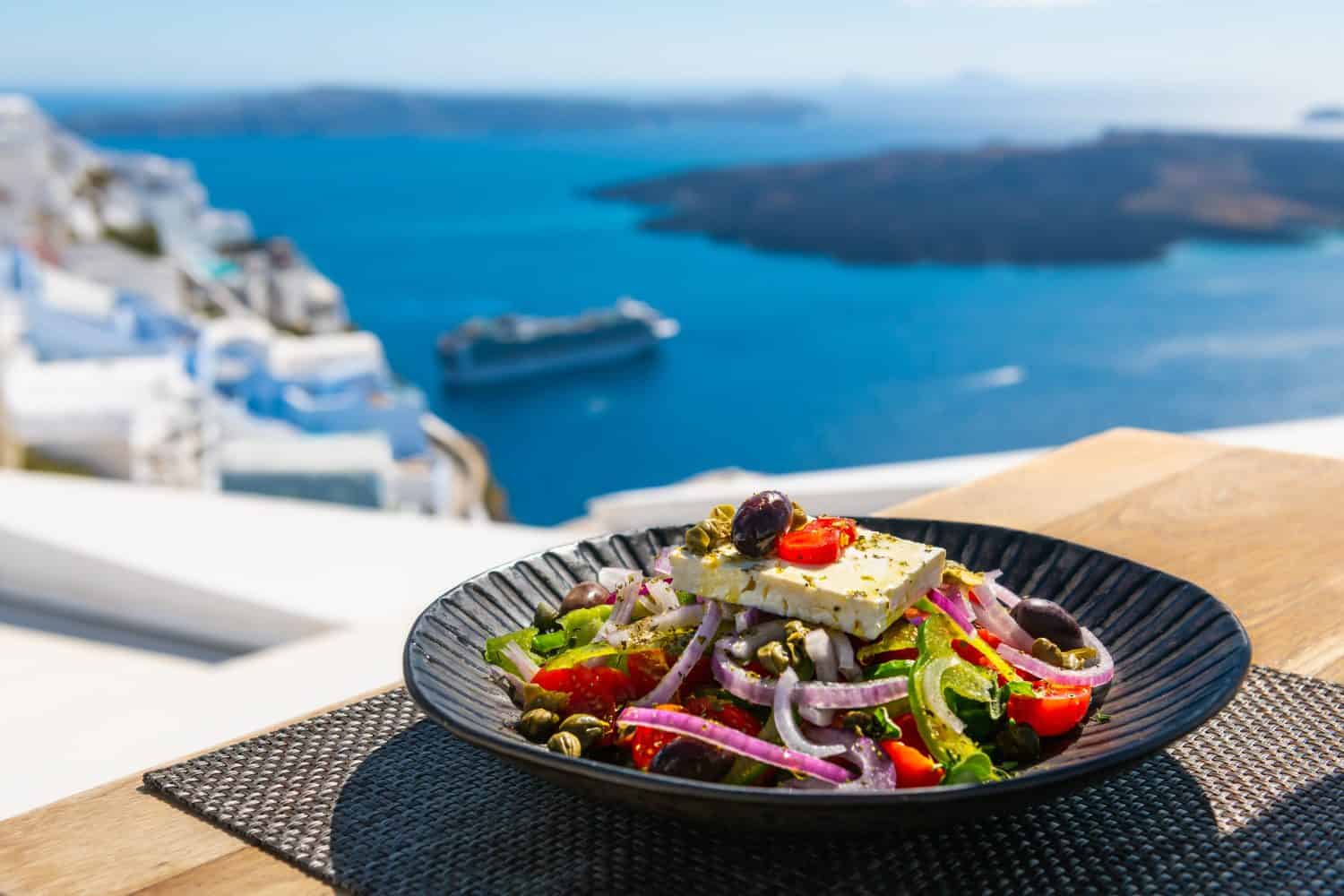
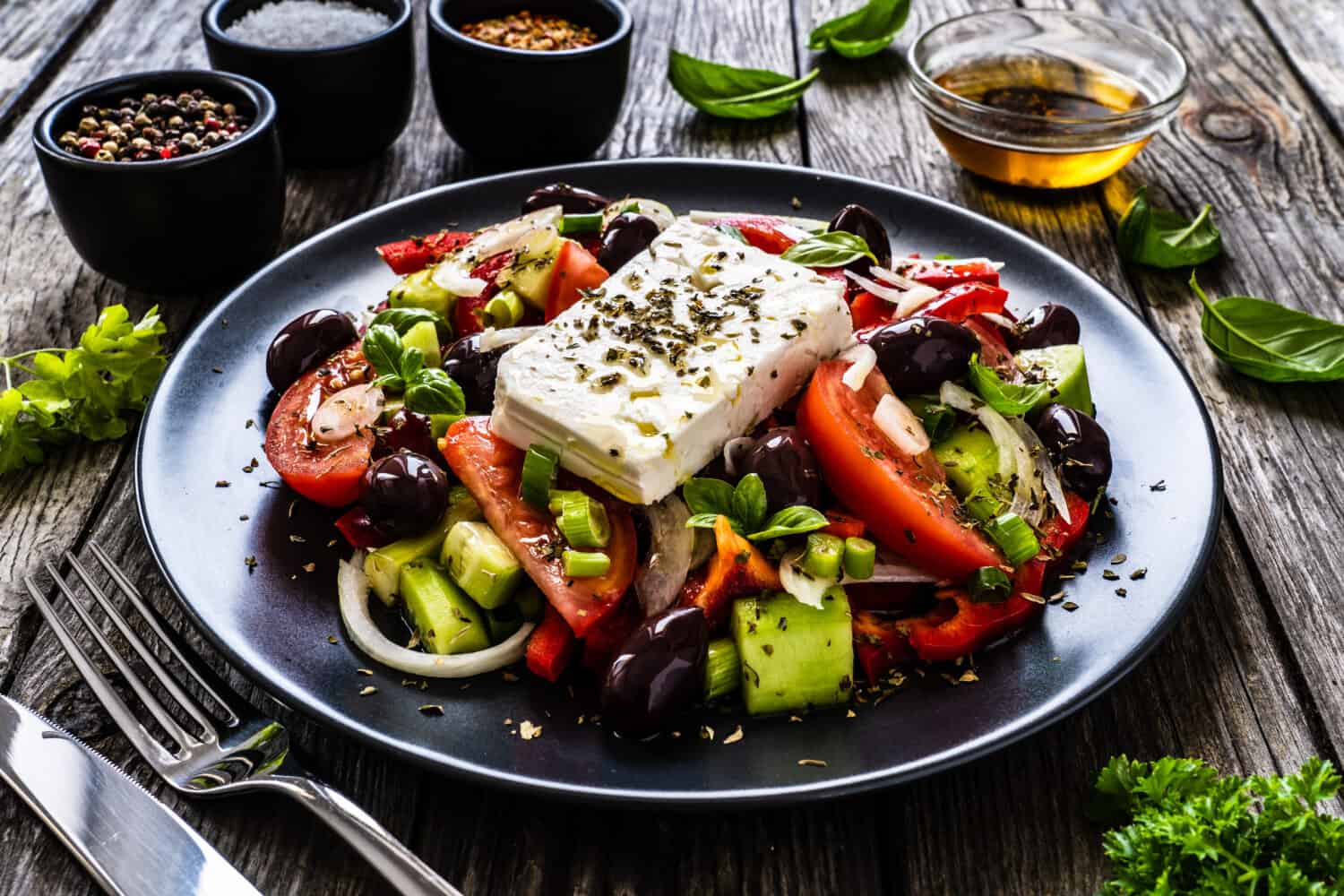
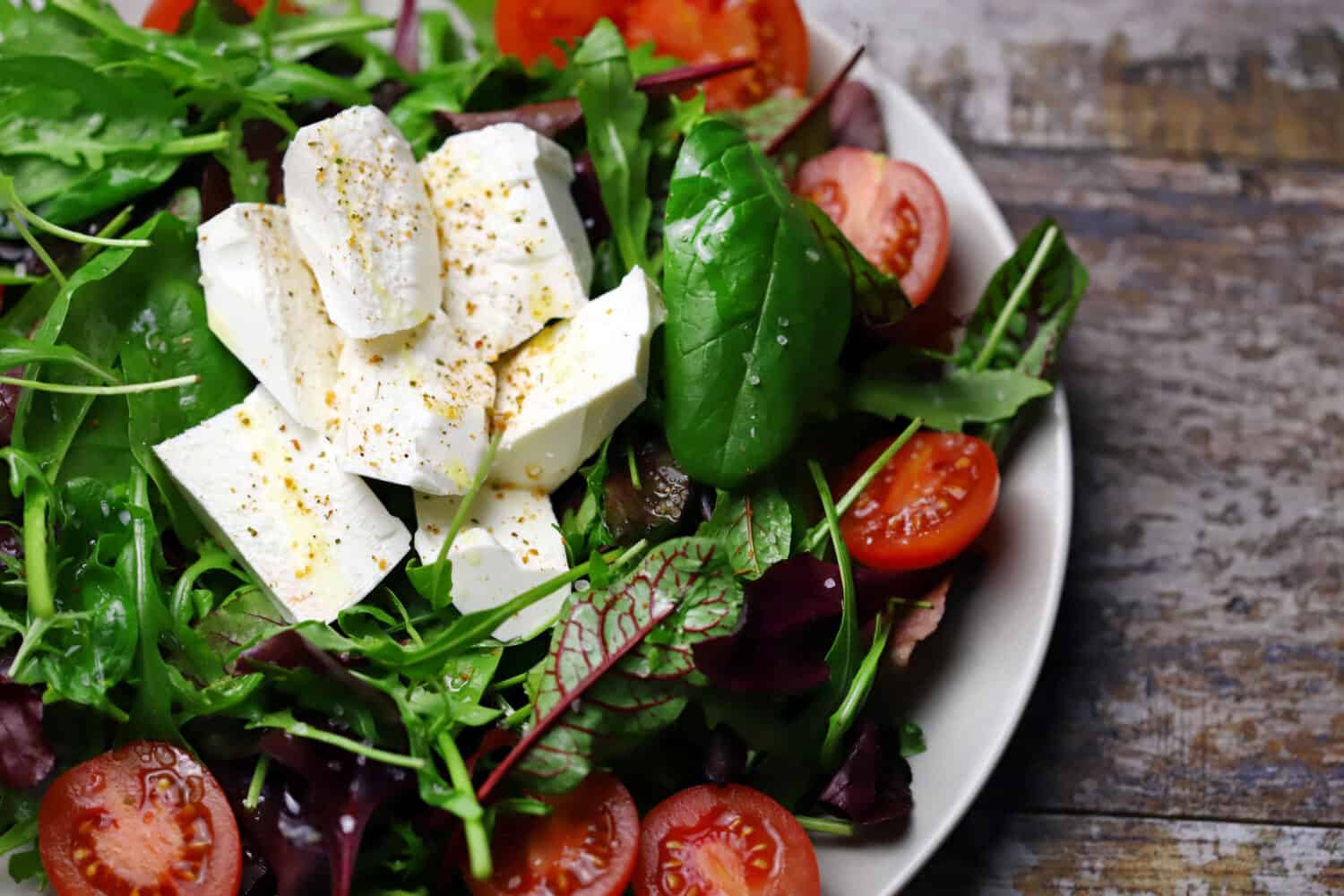
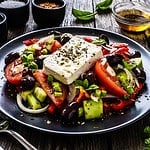
The good news is that there are plenty of tasty foods that you're encouraged to eat on the Mediterranean diet. Fruits, vegetables, whole grains, and extra virgin olive oil are your staples. With this eating plan, you're encouraged to eat:
- Fruits
- Vegetables
- Nuts
- Legumes
- Whole grains
- Seafood
- Poultry
- Eggs
- Dairy
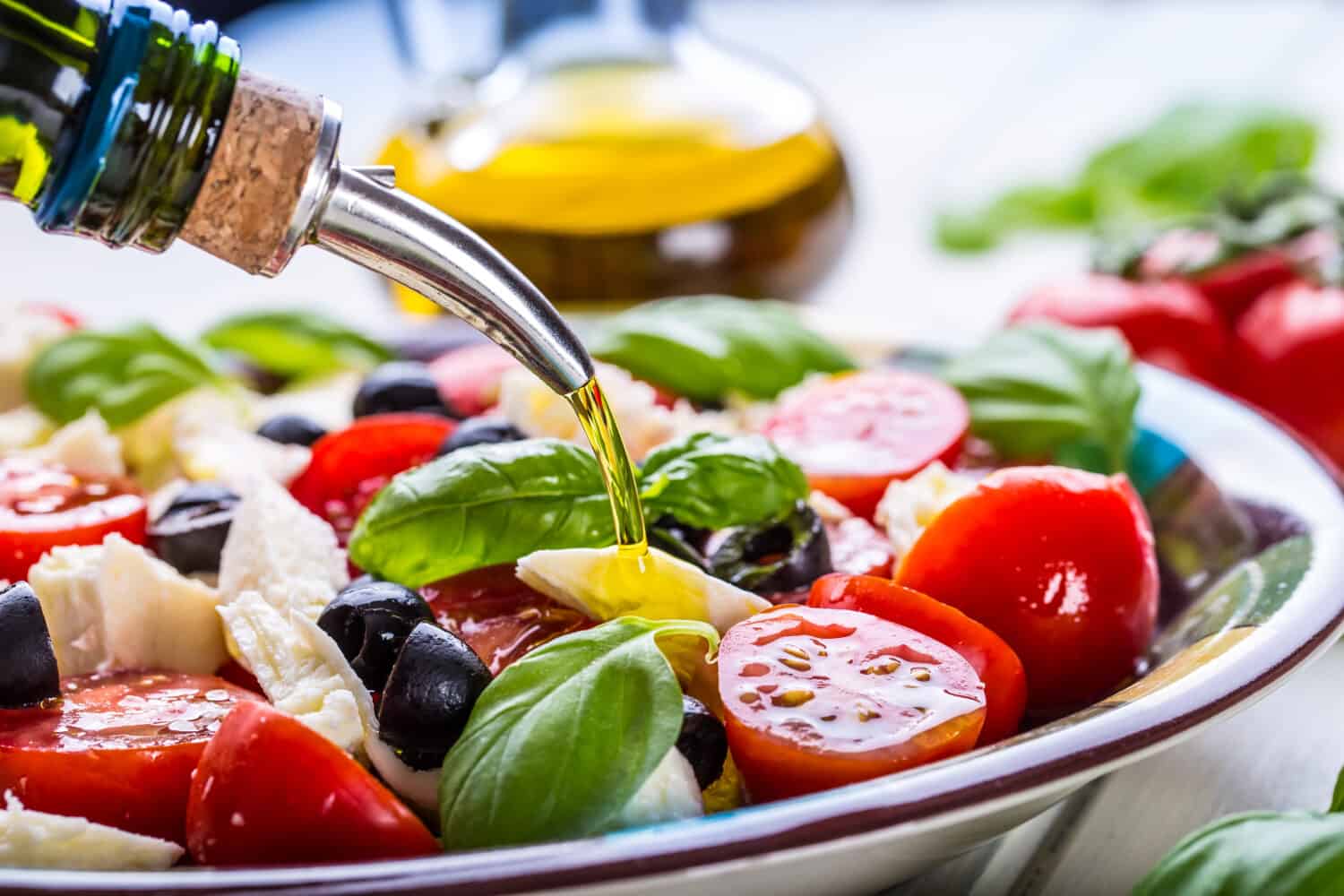
Healthy fats are also an incredibly important part of this lifestyle, which may include things like olive oil and avocado oil.
What Should You Avoid on the Mediterranean Diet?
Everything in moderation is a key concept in the Mediterranean diet. You're not expected to avoid sweets and other unhealthy foods entirely, but it's recommended that you consume them in moderation. Typically, this looks like consuming unhealthy foods only once a week or less.
Generally, the foods that you should avoid on the Mediterranean Diet include highly processed foods, sweets, refined grains, and processed meats, such as sausage, bacon, and hot dogs.
What Can You Drink on the Mediterranean Diet?
If you're planning on trying out the Mediterranean diet, you can still have your morning coffee or tea, although you might want to leave out the sugar. It's also recommended that you limit the amount of cream or dairy you put in your coffee.
Fresh fruit juice is also okay to drink, but it's best to avoid juices with any added sugar. Also, if you're a fan of red wine, moderate amounts of it are recommended, although you should limit yourself to one glass and drink it with a meal.
Aside from that, most other drinks should be limited and the focus should be on staying hydrating and drinking plenty of water.
What the Research Says
The Mediterranean diet is often touted as the healthiest way to eat, but does the research back up this idea? Although there is still research to be done on the impact of this type of diet, there is evidence that the Mediterranean diet may be beneficial when it comes to heart health, weight loss, and reducing inflammation in the body.
Some population-based studies have shown that the Mediterranean diet may reduce the risk of things like heart disease, hypertension, and certain types of cancer.
Are There Any Downsides to This Diet?
Like any type of dietary pattern, there are both pros and cons to the Mediterranean diet. Although many would argue that the advantages far outweigh the disadvantages, no eating plan is one-size-fits-all.
There are some concerns about the amount of healthy fats consumed, since this could lead to weight gain if not monitored. It also may not be the right fit for those with certain conditions, such as diabetes, celiac disease, or GERD.
How It Compares to Other Diets
The Mediterranean diet is only one of many dietary patterns that people follow in the modern world, even though it's based on the traditional diet of those in the Mediterranean, which can be traced back to ancient civilizations.
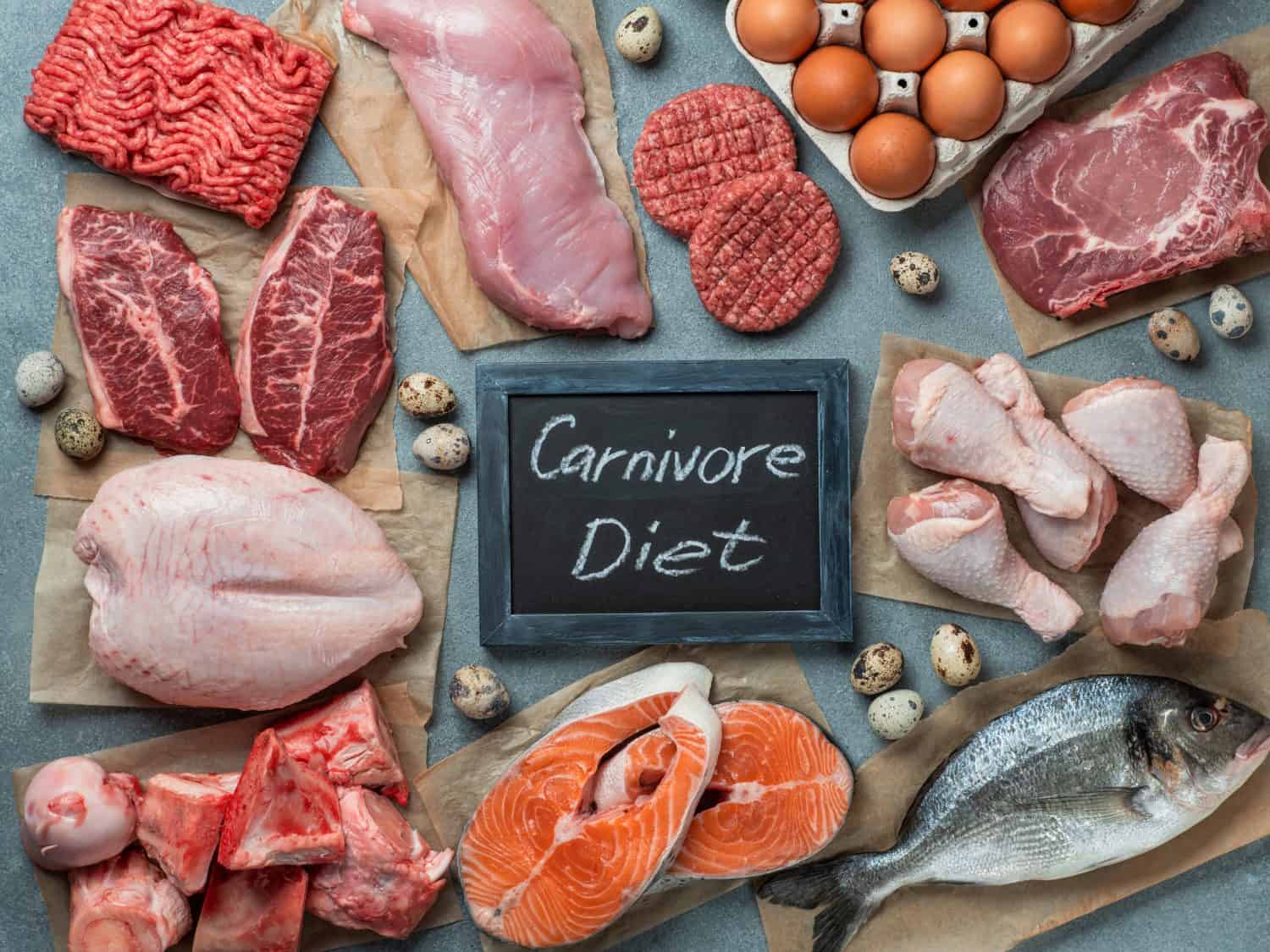
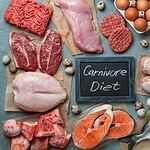
This eating plan is pretty different from some of the other popular diets. Take the Carnivore diet, for example. While the Mediterranean diet recommends limiting red meat consumption to one serving per week, the Carnivore diet requires you to eat only meat, limiting fruits, vegetables, and other plant-based foods.
Does the Mediterranean Diet Work for Families?
If you have kids of any age, you might wonder whether this eating plan can work for the entire family. Implementing a new way of eating can be challenging if you're doing it on your own. However, since the Mediterranean diet focuses on eating healthy foods like fruits, vegetables, fish, and whole grains, it can be a great fit for many families.
The goal of this lifestyle isn't to lose weight — it's to improve your overall health. If you have any concerns about changing the way your kids eat, be sure to talk to your pediatrician first.
Starting the Mediterranean Diet
Switching to the Mediterranean diet can be beneficial for many people. Like any change to your eating habits, it's normal for it to feel challenging at first.
To help you get started without unnecessary overwhelm, here are some quick tips for easing into the Mediterranean diet:
- Swap out your vegetable oil for olive oil or avocado oil
- Choose whole-grain bread instead of white
- Add in a side of fruit or a vegetable to as many meals as you can
- Skip the sugar in your morning coffee
- Choose a smoothie, fruit, or bowl of yogurt instead of cookies or chips when you're hungry
Starting this diet doesn't mean you have to change everything at once. Easing your way into it might make it more sustainable for you and lead to an overall healthier lifestyle.
The image featured at the top of this post is ©Olga Gavrilova/Shutterstock.com