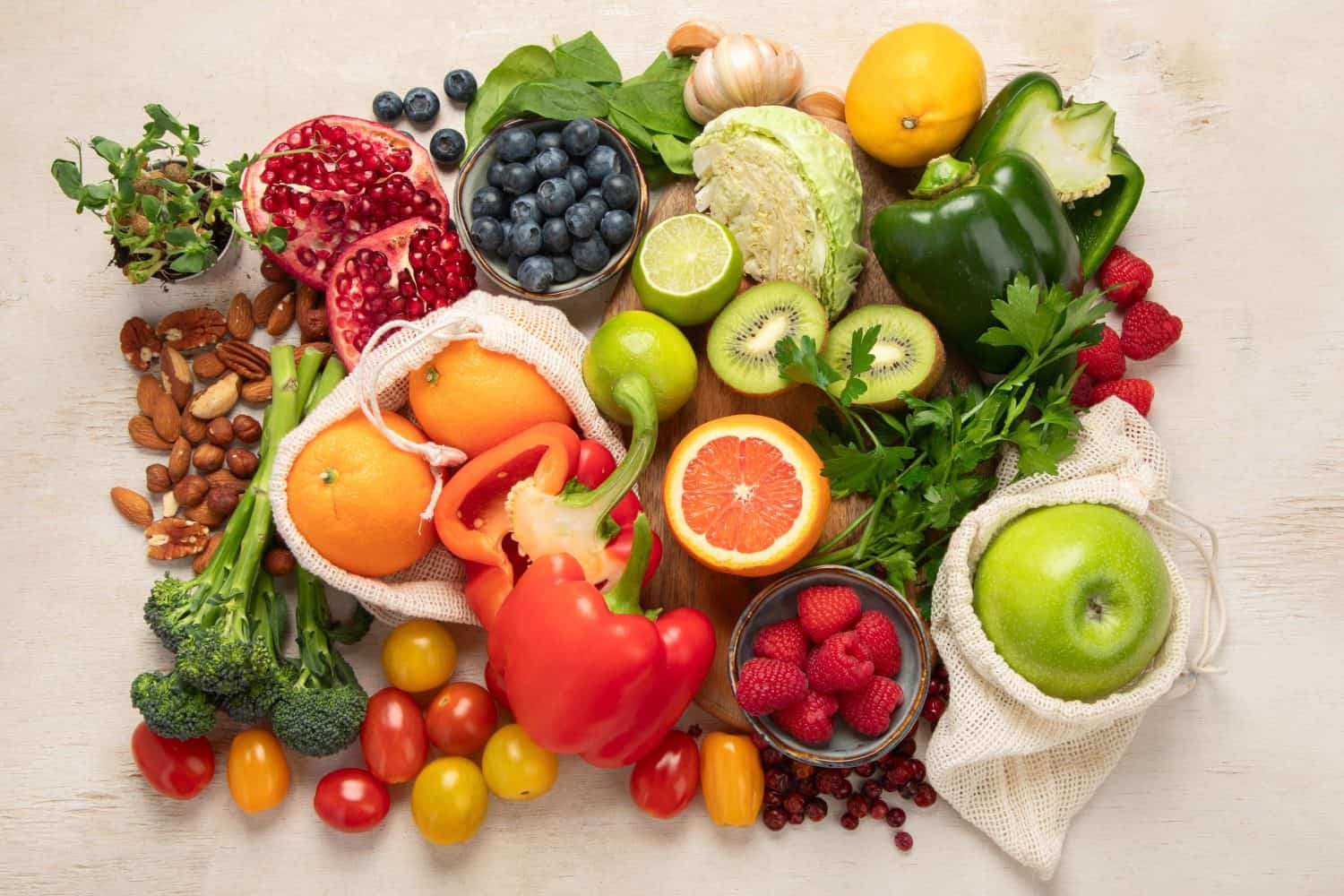
There are so many benefits to vitamin C. This necessary nutrient strengthens your immune system, repairs your skin, and reduces your risk of chronic diseases. When you need a boost of vitamin C, whether you realize you're not consuming enough or you're getting over a cold, you likely turn to oranges or orange juice. However, there are quite a few fruits that have more vitamin C than oranges.
Oranges are indeed a good source of vitamin C, but they're not the only fruit that's high in this vitamin. You might be surprised to discover that many fruits have a much higher amount of vitamin C in one serving. If you're looking to add some more vitamin C to your diet, there are some other fruits and vegetables worth trying.
In this article, we'll look at the benefits of vitamin C, how much oranges contain, and which fruits contain more vitamin C per serving.
Why We Need Vitamin C

©pilipphoto/Shutterstock.com
Vitamin C is essential to your health — but our bodies don't produce it. Like many vitamins, we have to get vitamin C from the foods we eat. Many fruits and vegetables are high in this vitamin, and the main fruit associated with it is oranges.
Vitamin C is necessary for our bodies to form collagen, ligaments, and blood vessels. It's also important to our immune systems and acts as an antioxidant, protecting our cells from damage. But these aren't the only benefits of vitamin C. Consuming enough in your diet may also:
- Lower your risk of chronic disease
- Boost your immune system
- Reduce the risk of heart disease
- Prevent iron deficiency
Whether you're a fan of fruit or not, it's important to get enough vitamin C in your diet. For those who are deficient, there are vitamin C supplements available. It's best to talk with your doctor to see if supplementation is necessary.
How Much Vitamin C Do Oranges Have?
Many fruits and vegetables have more vitamin C per serving than oranges, but oranges are probably the fruit that comes to mind when you think of this vitamin. One small orange has about 51.1 milligrams of vitamin C, while 100 grams of orange has about 53.2 mg.
This means that one small orange provides over half of your recommended daily value of vitamin C, but if you're looking to meet or exceed your daily needs, you might look to other fruits and vegetables.
What Is the Recommended Daily Amount of Vitamin C?
How much vitamin C you should consume in a day depends on several factors. Here's a look at the recommended daily allowance for different individuals:
- Children between 4-8: 25 mg
- Children between 9-13: 45 mg
- Adult women: 75 mg
- Adult men: 90 mg
- Pregnant women: 80-85 mg
- Breastfeeding women: 115-120 mg
It's generally recommended that you get vitamin C from fruits and vegetables in your diet, but some people choose to supplement when there's a risk of deficiency. According to WebMD, the maximum amount of vitamin C adults should take in a day is 2,000 mg.
What About a Cup of Orange Juice?
A cup of orange juice is significantly higher in vitamin C than one orange. That's because it takes roughly three to four decent-sized oranges to make one cup of juice. One cup of orange juice has about 124 mg of vitamin C.
Fruits That Have More Vitamin C Than Oranges
Even though you likely think of oranges when you're trying to boost your vitamin C intake, there are fruits and other foods that have more vitamin C than your average orange. We've highlighted five different fruits that have more vitamin C per serving than oranges.
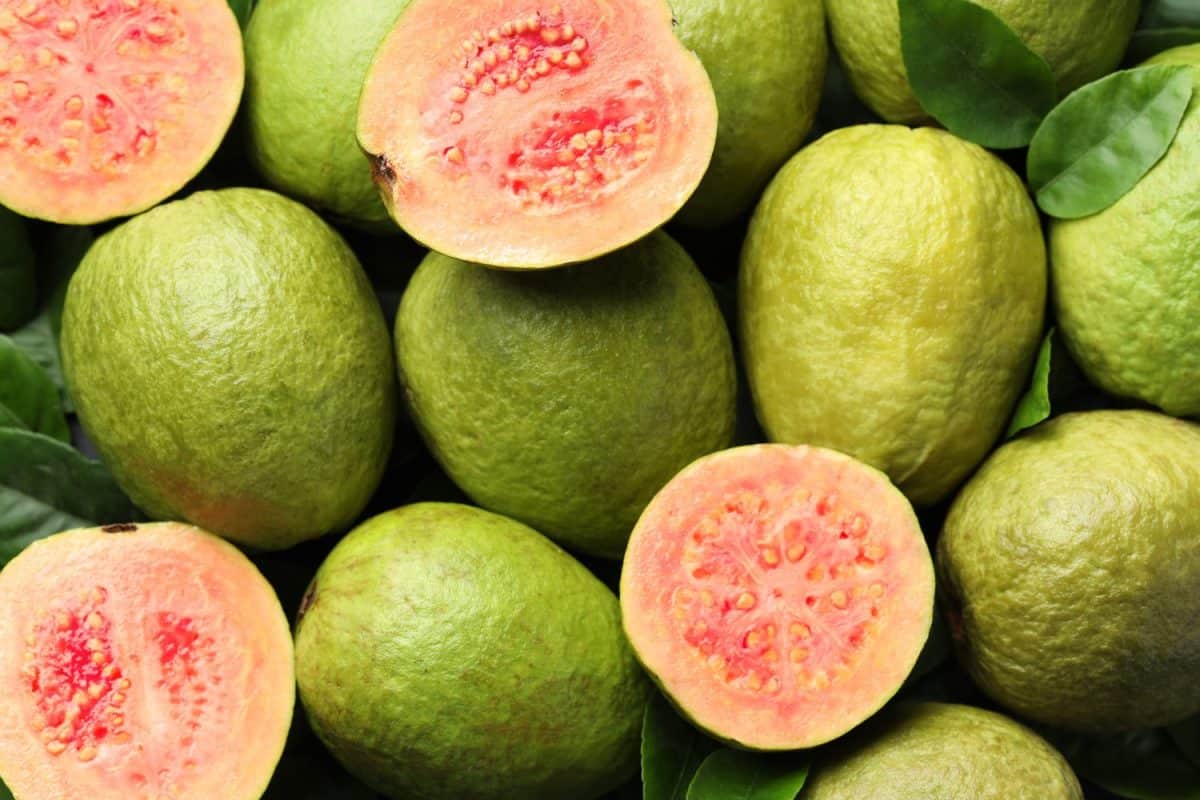
Guava
©New Africa/Shutterstock.com
- 228.3 mg of vitamin C per 100 grams
Guava is a type of tropical fruit that's native to Mexico, Central America, and South America. It's both sweet and floral, and guava is used in a variety of pastries. One guava (55 grams) has about 125.6 mg of vitamin C.
Kiwi

©Oksana Mizina/Shutterstock.com
- 92.7 mg of vitamin C per 100 grams
Kiwifruit, also known as the kiwi, is a popular fruit that's known for its vibrant green color. This fruit is native to China and is also grown in other parts of the world, including Italy and New Zealand. Kiwis are relatively small, but one kiwi (69 grams) contains 64 mg of vitamin C.
Papaya

©ndotski/Shutterstock.com
- 61 mg of vitamin C per 100 grams
Papaya is another tropical fruit that has many health benefits. Although this fruit originally came from Central America and Southern Mexico, it's now grown all over. One small papaya (152 grams) contains about 98 mg of vitamin C.
Strawberry

©Pixel-Shot/Shutterstock.com
- 58.8 mg of vitamin C per 100 grams
Strawberries are one of the most popular fruits out there, and it's not surprising that most kids love them. Their flavor is sweet but relatively mild, and they taste great in yogurt, smoothies, or strawberry shortcake. A cup of strawberries has about 84.7 mg of vitamin C.
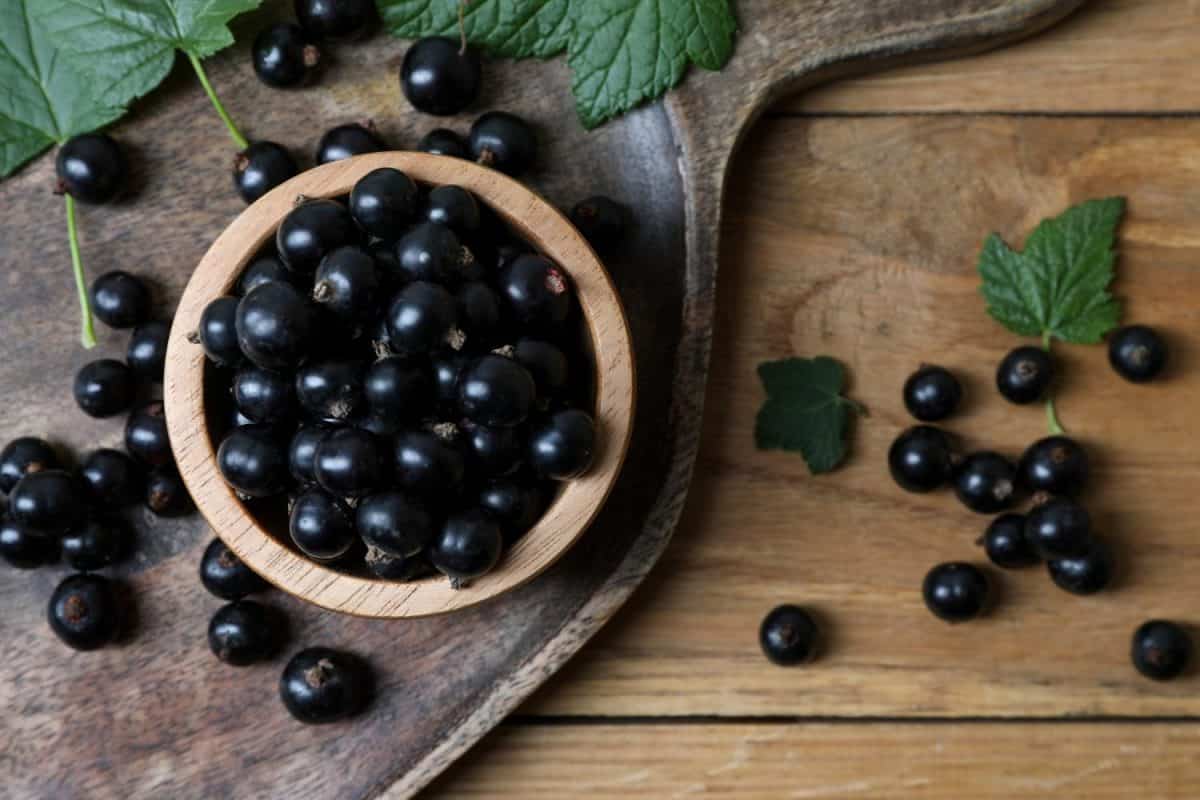
Blackcurrant
©New Africa/Shutterstock.com
- 181 mg of vitamin C per 100 grams
Blackcurrant is a less popular berry that's native to Europe and Asia. Compared to a strawberry, it has a more tart and sweet flavor, which makes it perfect for jams and syrups. One cup of blackcurrant berries contains about 203 mg of vitamin C.
Other Foods That Are High in Vitamin C
You might have trouble getting certain fruits when they're not in season. Alternatively, you might wonder how you can increase your daily intake of vitamin C if you don't enjoy any of the five fruits on this list. When you focus on eating fruits and vegetables that are rich in vitamin C, it can be relatively easy to eat more than the recommended daily value.
Here are some other foods that are high in vitamin C:
- Bell peppers: 74 mg per cup
- Cantaloupe: 57.3 mg per cup
- Kale: 70 mg per cup
- Broccoli: 81.2 mg per cup
Getting enough vitamin C in your system doesn't have to be complicated. Next time you go shopping for produce, fill your cart with a variety of fruits and vegetables, and you're bound to get all the vitamin C you need.
The image featured at the top of this post is ©Tatjana Baibakova/Shutterstock.com