
When my kids first started going to preschool, they were sick every other weekend…for a year. It was awful and exhausting — yet, they seem to have much stronger immune systems now. Does that mean getting sick all those times was beneficial? Or is it just a combination of getting older (and being somewhat cleaner) and getting lucky? It's so hard to know what's best!
In the post-pandemic world we’re living in, with ongoing concerns of vaccine hesitancy and confusion on how to best protect our kids, finding the best ways to prepare for the upcoming cold and flu season can feel challenging. We all want what's best for our kids, but everyone from well-meaning grandparents to internet influencers has an opinion that makes it difficult to discern what to do.
When I was a kid, my mom had a “chicken pox party” when my cousin was sick, so I would get it and build a natural immunity. Now, as a parent, I’m scared to let my kids go to an indoor play place with all the germs they might be exposed to. I carry hand sanitizer with me everywhere I go, and I’m constantly reminding my kids to wash their hands. So, is that the right approach — or is it better to let my kids get a little dirty, like kids did during summers in the ‘90s?
We speak with experts to get the dirt (ha!) on germ exposure in kids. What they tell us about germs might surprise me.
Some Germ Exposure Is Actually Good
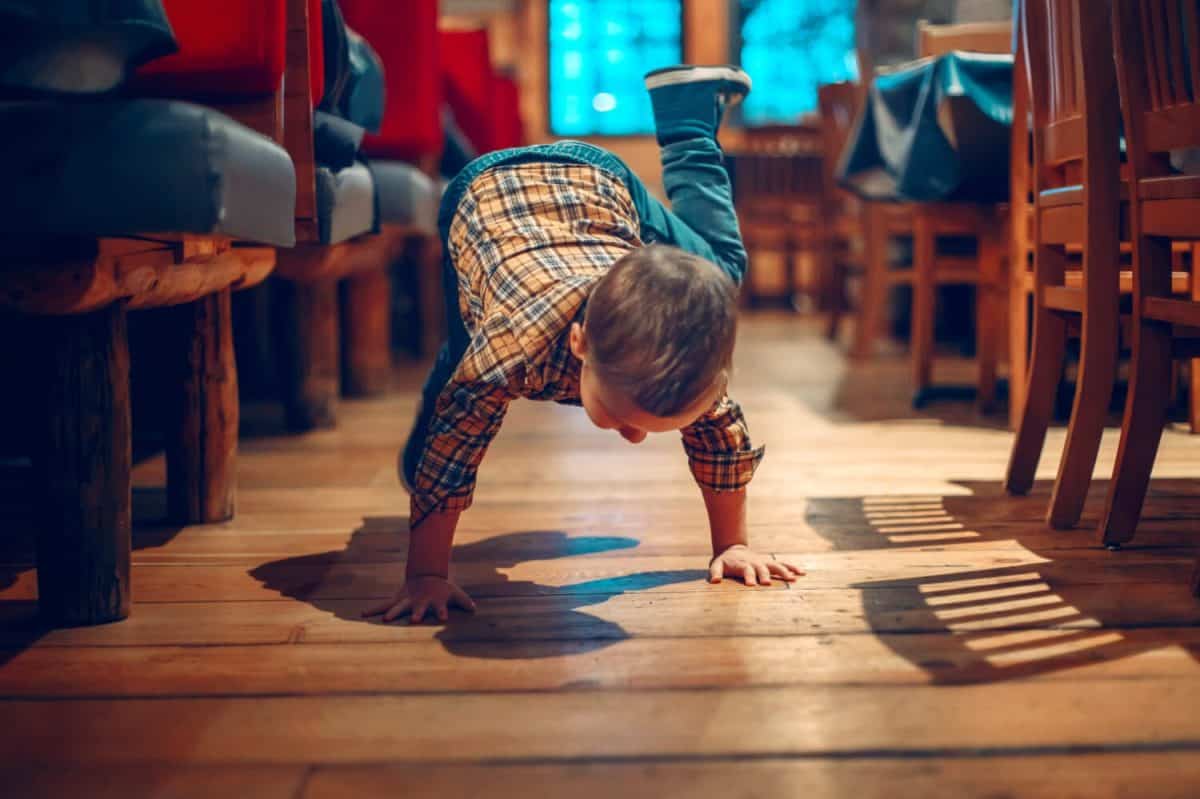
If your child loves getting on the floor of public places, it may not be as worrisome as you fear.
©Anna Kraynova / Shutterstock.com
When my oldest son was a toddler, he licked the floor of the waiting room at our pediatrician’s office. At my horrified expression, my dad joked that licking the floors was a better immune-building tool than the vaccine. And, surprisingly, he wasn't entirely wrong.
Dr. Kara Wada, MD, pediatric and adult allergy, immunology, and lifestyle medicine physician, co-host of the podcast “Allergy Actually,” and mom of three young kids, tells Moms Who Think, “Think of your child's immune system like a superhero in training. It needs to practice fighting off ‘bad guys’ (germs!) to get stronger and smarter.”
“When kids are exposed to a variety of germs in a healthy way, it helps their immune system learn what's harmful and how to respond quickly next time,” she continues. “It's like building up their germ-fighting ‘muscle memory.”
Worried moms, take note: it's OK (and healthy!) if your little one gets sick now and then. Phew!
Dr. Carla Garcia Carreno, MD, director for infection prevention and control at Children’s Medical Center Plano, agrees that natural germ exposure can help kids.
“When kids are in close contact with one another, they’re naturally going to be exposed to germs. Most of these are common viruses and bacteria that live on desks, doorknobs, and other shared surfaces,” Dr. Carreno tells us.
“When the immune system is exposed to these germs, it responds by creating fighting cells and antibodies. While you can’t avoid all exposure, the key is helping the immune system stay strong so it can fight off those everyday germs.”
But that doesn't mean to avoid keeping kids clean altogether.
Can Kids Be “Too Clean?”
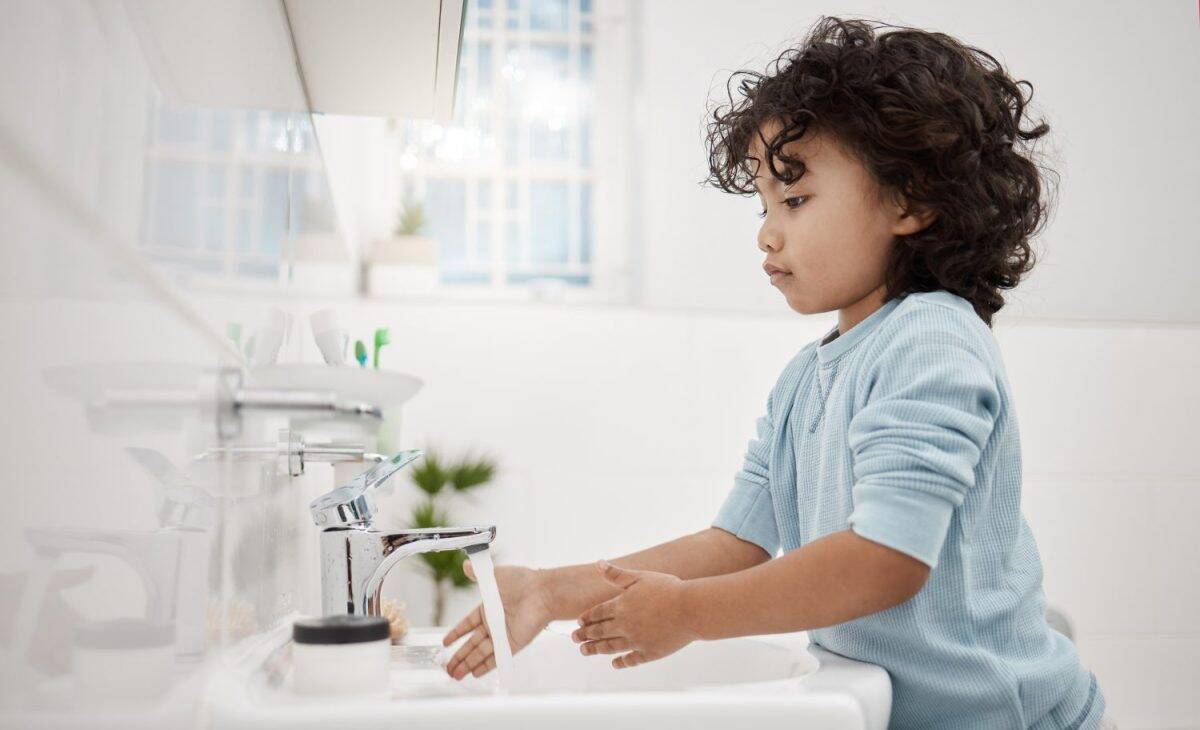
Teaching healthy hygiene habits to your kids is important.
©PeopleImages.com – Yuri A/Shutterstock.com
While every parent’s natural inclination might be to put their kids in a bubble, that level of protection can be harmful to kids. The “hygiene hypothesis” — or the idea that kids today are “too clean” — states that it’s okay to let our kids experience some germs.
“The ‘hygiene hypothesis’ isn't really about being ‘too clean’ in a bad way, but more about our modern world being a bit too sterile compared to how humans used to live,” Dr. Wada explains.
She says this is part of a much bigger problem that includes changes in our bodies’ natural barriers, such as our skin, airways, gut, and our microbiome, which is all the good bacteria living in and on us.
“We’re just not exposed to as many different microbes from the environment, food, or even other people,” Dr. Wada says. “This lack of diverse germ exposure early in life can sometimes lead to the immune system not learning how to tell the difference between harmless things (like pollen or peanuts) and real threats, which can contribute to allergies and other immune issues.”
However, this doesn’t mean that we should let our kids go feral. It's our job to supervise them and teach them about hygiene.
It's Still Important to Protect Your Kids
“There are reports showing that some exposure to germs early in life helps build our immune system and protects against allergic and autoimmune conditions,” Dr. Carreno says.
“Having said this, it is important to protect our kids, especially young babies, against harmful infections associated with complications or death. A careful balance is required, and protecting the most vulnerable ones is important.”
So while you definitely shouldn’t encourage your toddlers to lick the floors of public places, it’s not good to freak out when it happens either. However, don’t let the idea of germ exposure prevent you from instilling proper hygiene habits in your little ones.
“There’s no clear evidence to say that kids are too clean,” Dr. Carreno tells us. “What we do know is that good hygiene, especially regular handwashing and respiratory etiquette, is one of the most effective ways to prevent illness. Kids need to be taught how to wash their hands thoroughly, and things like using hand sanitizer and coughing into their elbow can really help reduce the spread of infections.”
Preventing Illness Is Important

Although kids are resilient, it's still better to avoid them getting sick if you can.
©Nicoleta Ionescu/Shutterstock.com
Unlike my mom, I do not plan on having any “chicken pox parties” with my kids. (In fact, they’ve all received the chicken pox vaccine.) That’s a good thing, because getting sick and spreading sick germs to others can be harmful.
Colds, the flu, pink eye, impetigo, strep throat, and stomach bugs are all common among kids, especially now that school is back in session. And while kids are often resilient, you never know if they have younger siblings or immunocompromised family members at home.
“Young infants are particularly at risk for severe disease when they get an infection, especially if they are too young to be eligible for vaccinations,” Dr. Carreno says. “Once they receive the vaccines recommended according to schedule, they will become more prepared to be exposed to other kids and potential germs.”
“While every child is different, especially those with health conditions or allergies, it’s always a good idea to consult a pediatrician when it comes to specific concerns, particularly around vaccines,” she adds.
While most kids will naturally develop and strengthen their immune systems as they get older, according to Dr. Wada, some kids will need extra protection: namely, those with allergies, asthma, or other health conditions.
“We need to be mindful of this and work with their doctors to figure out the right balance for them individually. What's good for one kid might not be ideal for another,” Dr. Wada explains.
How to Best Support Your Child’s Immune System

Playing outside with your dog? An effective way to build your immune system!
©EugeneEdge/Shutterstock.com
Balance is the key to everything, including teaching your kids hygiene and letting them build a natural immunity. “Kids should be kids, but they should wash their hands regularly, especially after using the bathroom, before eating, or after coughing or sneezing,” she says. (Trust me: they will still find a way to get dirty if you do this.)
There are other ways to build healthy habits that help their immune system, too. “Making sure they get enough sleep, eat a healthy diet with the right mix of vitamins, minerals and nutrients, manage stress, and stay up to date on vaccinations helps build that natural immunity in a safe and effective way,” she says, adding, “These habits give their bodies the tools they need to fight off infection, which is much more effective than simply relying on supplements or multivitamins.”
“We don't need to live in a sterile bubble, but we also want to be smart about preventing serious illnesses,” Dr. Wada says, adding that she prefers encouraging kids to use soap and water to wash their hands instead of sanitizer when possible.
“But letting kids play outside, get a little dirty, have pets, and interact with others in healthy ways (when they're well!) are all great for their immune systems,” she adds. “Think ‘sensible hygiene,’ not ‘surgical-level sterility.’”
It Matters Where Kids Play
Another practical tip for helping kids build their immune system is letting them play in the dirt. “The soil, plants, and fresh air expose them to a rich variety of microbes,” Dr. Wada explains.
Eating a diverse diet can help, especially fruits and veggies, and fermented foods like yogurt or kimchi. “[These foods] support a healthy gut microbiome, which is a huge part of immune health.”
And don’t be afraid to let them interact with other kids. “Attending playgroups, school, or other social activities (ideally when everyone is healthy!) helps with exposure to common germs in a natural way,” Dr. Wada adds.
Don’t Delay Vaccines

Vaccines are one of the best ways to build your kid's immune system.
©PeopleImages.com – Yuri A/Shutterstock.com
Finally, it’s important to get your kids vaccinated according to the schedule outlined by the Centers for Disease Control and Prevention and your pediatrician’s guidance.
“Vaccines are one of the best tools we have to prevent serious illness,” Dr. Carreno says. “They are also the safest way to ‘train’ our immune system to fight the infection and be prepared when there is an exposure to the natural infection.”
It works like this: vaccines give your immune system the code it needs to fight off infections should it ever encounter those germs. “Vaccines help the immune system recognize and fight specific infections without having to get sick first,” Dr. Carreno says.
From the updated 2025-2026 flu shot, recommended for everyone 6 months and older to help protect from the contagious strains of flu each year, to the pertussis (Tdap) vaccine that protects infants from severe whooping cough, vaccines remain a safe and effective way to prevent serious illness.
“Vaccines are like a VIP pass for your child's immune system to safely learn about serious germs without having to get sick first,” Dr. Wada explains. “They introduce a tiny, harmless part of a germ to the immune system, allowing it to build up its defenses (antibodies) so it's ready to fight if it ever encounters the real thing. This means your child can develop strong immunity against dangerous diseases like measles, whooping cough, or the flu, without the risk of serious illness or complications.”
“It's one of the safest and most effective ways to protect our kids and the community!” she adds.
The image featured at the top of this post is ©Sorapop Udomsri/Shutterstock.com