





9 Iconic Restaurant Chains That Could Be on the Brink of Bankruptcy
In May of 2024, Red Lobster declared bankruptcy and is closing down more than 100 stores as part of the process. That still leaves around 600 locations around the world, but there's a chance more closures could be coming in the future.
Many of the restaurant chains that are more popular among Baby Boomers are currently at risk. It's important to note that this list doesn't mean bankruptcy is imminent. Rather, these are companies facing challenges that,t if they continue across the next decade, could put them on a path toward closing additional stores or contemplating bankruptcy.
So, what restaurant chains have been struggling? Here are 9 to keep an eye on.
This post was updated in December 2025 to include updated information about restaurant chains.
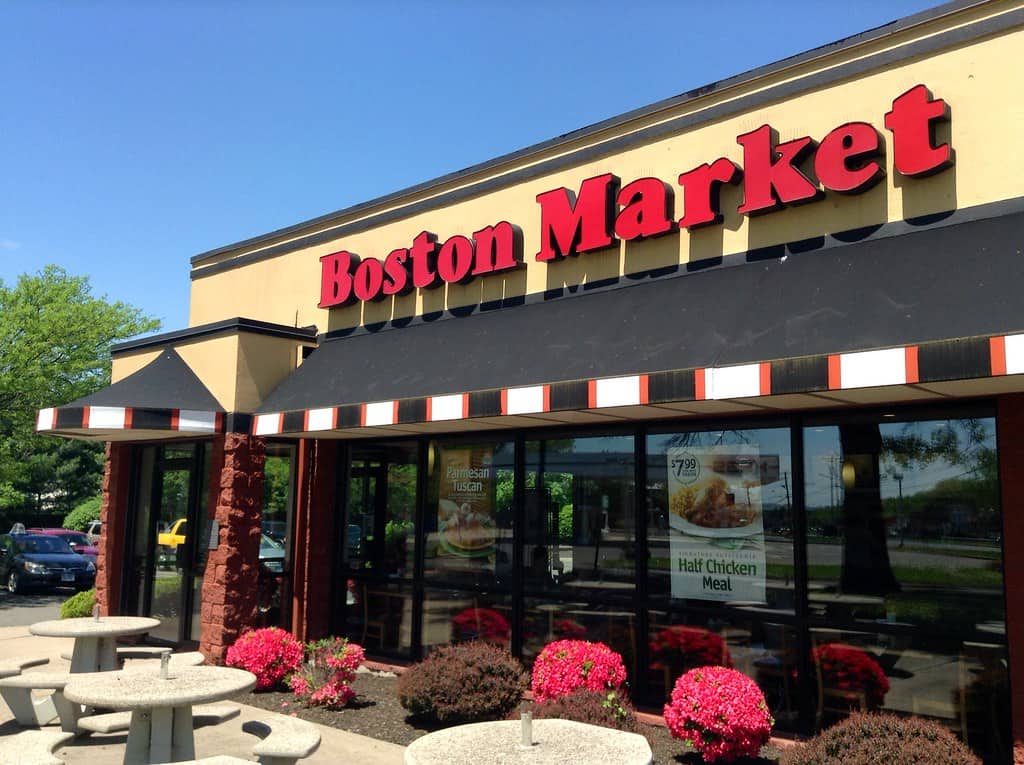
1. Boston Market
Boston Market has been a weird situation. The chain was bought by Jay Pandya, who filed for personal bankruptcy in late 2023.
Amid his personal bankruptcy filings, remaining Boston Markets have been shuttering across the country. The problems at the chain now seem to be beyond repair, with vendors filing lawsuits because they haven't been paid.
It's not clear how many restaurants are still operating. As of early 2024, industry publication Restaurant News put the number at 27. A quick count on their website shows 35 locations currently operating, with some strongholds in areas like Pennsylvania and New Jersey.
Either way, it doesn't look like the remaining Boston Markets can last much longer.
2. TGI Fridays
TGI Fridays was recently purchased by its global franchisee. The company had announced it planned to close dozens of locations in January, but in April, its UK-based global franchisee swooped in and bought the U.S. operations of the company.
At this point, TGI Fridays is more of a global concept. At the time of the acquisition of U.S. operations, there were about 100 corporate-owned restaurants in the United States. However, there are nearly 600 globally spread out across 44 countries.
This deal almost certainly gives TGI Fridays U.S. stores a new lease on life. Yet, it's not uncommon for restaurants to ping pong between different ownerships and private equity. So if UK-based Hostmore isn't able to turn TGI Fridays around, they could simply spin off U.S. locations again.
3. Cracker Barrel
In the last quarter of 2025, revenue fell 5.7% for Cracker Barrel. This year, the chain faced a lot of backlash due to the attempted rebrand and remodel of certain stores. There was also backlash related to the release of a new logo, although the company ended up reverting to the previous logo.
Cracker Barrel's CEO said many dishes haven't been updated in decades and the chain needs menu updates and pricing changes. It remains to be seen whether these changes are enough to get Cracker Barrel back on a strong footing.
The company reported an annual profit of approximately $60 million for the fiscal year ending July 2025. Yet, that number is down from $254 million in 2021. If that trend keeps up, the company could be on a long slide toward bankruptcy.
4. Fuddruckers
There appear to be only 57 Fuddruckers locations remaining in the United States. The chain has been shedding locations for years. There is only one remaining store in states like California, Massachusetts, and Tennessee, while New York has no locations remaining.
Fuddruckers does still have 13 locations in Texas, although a couple of stores are ominously listed as "Temporarily Closed." The trend doesn't look positive for this once venerable chain.
5. Kona Grill
Kona Grill declared bankruptcy in 2019, and the situation continues to be a challenge for this chain. In the first quarter, Kona reported a 9.7% drop in same-store sales. Current owners ONE Group have said they believe Kona can eventually reach up to 200 locations, but they're clearly in the very beginning of what could be a long turnaround.
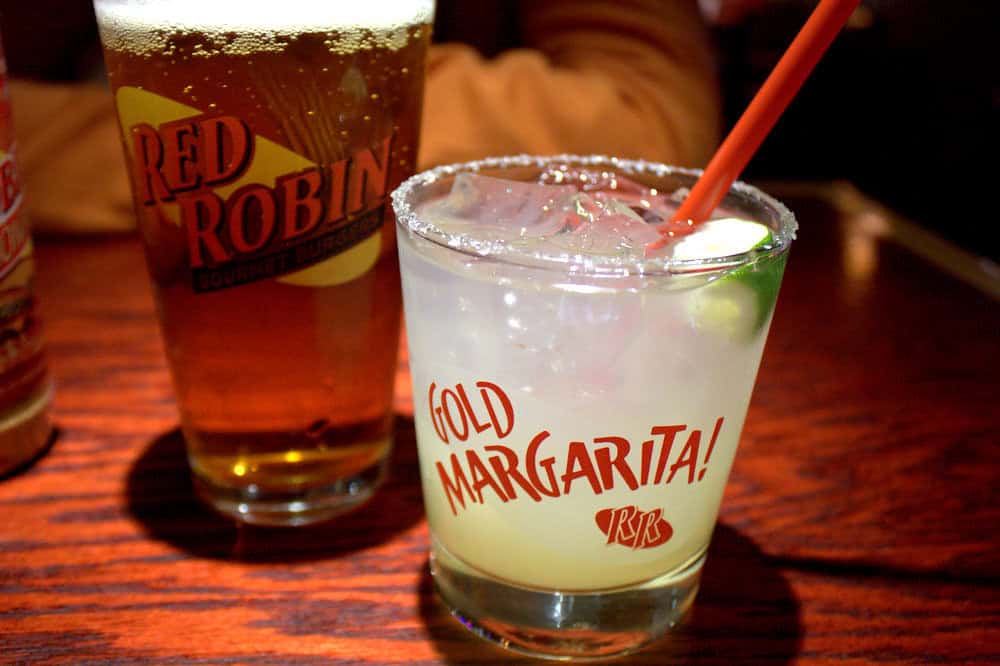
6. Red Robin
Like Cracker Barrel, Red Robin is a publicly traded company, so you can see its financials. Unfortunately, they're not very good.
The company had not turned an annual profit since 2018, but reported a small profit in the third quarter of 2025.
To try reversing course, Red Robin has emphasized its use of higher-quality ingredients and is pushing more "bottomless" items like its famous steak fries.
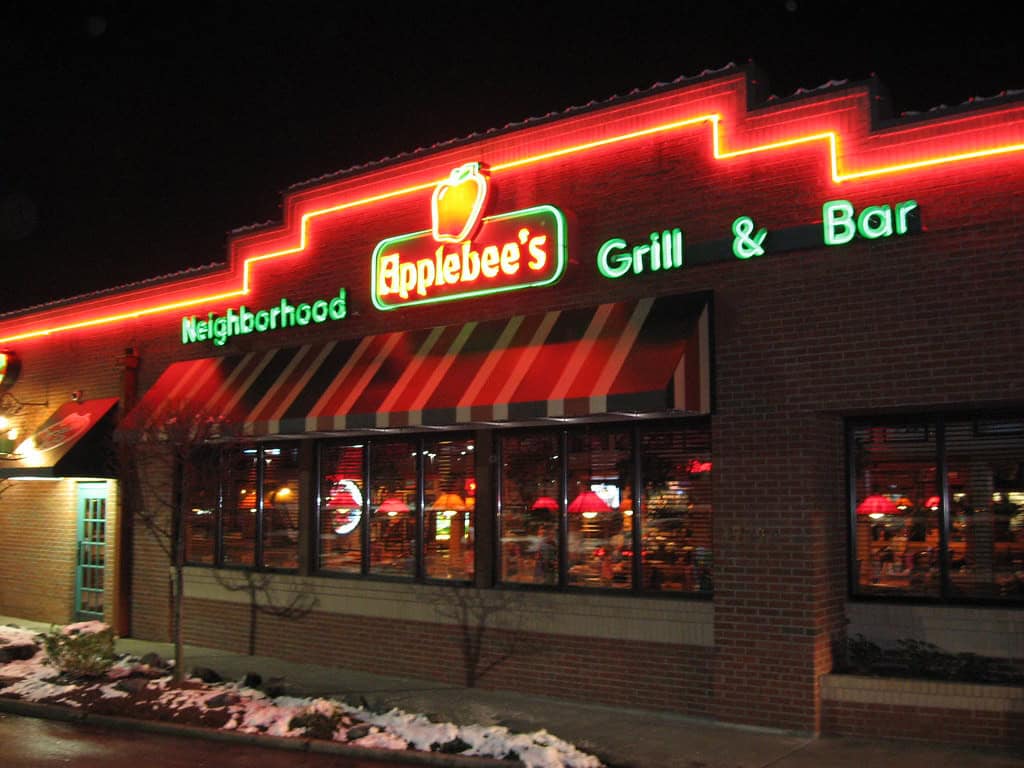
7. Applebee's
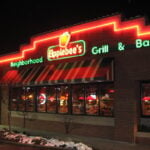
Applebee's has been closing locations for years, and this year will be no different. In total, the number of Applebee's store closures has now passed 300 locations. That still leaves more than 1,500 locations worldwide, but it's clear the restaurant is on a downward trajectory.
Applebee's turnaround plans center on luring back customers who are upset with rising fast food prices. New menu items include the Whole Lotta Burger, which costs $9.99. There's definitely an opportunity for Applebee's if the margins work, as the gap between fast food menu prices and sit-down restaurant prices has come down.
8. Outback Steakhouse
Outback Steakhouse is owned by a restaurant conglomerate known as Bloomin' Brands. The company owns Outback, Carrabba's Italian Grill, Bonefish, and Fleming's Steakhouse.
While being owned by a conglomerate provides some protection, keep in mind that it wasn't long ago that Red Lobster was owned by Darden. These larger restaurant groups often spin out underperformers.
In Bloomin's case, their margins fell last year as rising food prices cut into the bottom line, and they've decided to close 41 restaurants, the majority of which are Outback Steakhouses.
Outback is likely safer than other names on this list, but once store closures begin, it's often an ominous sign.
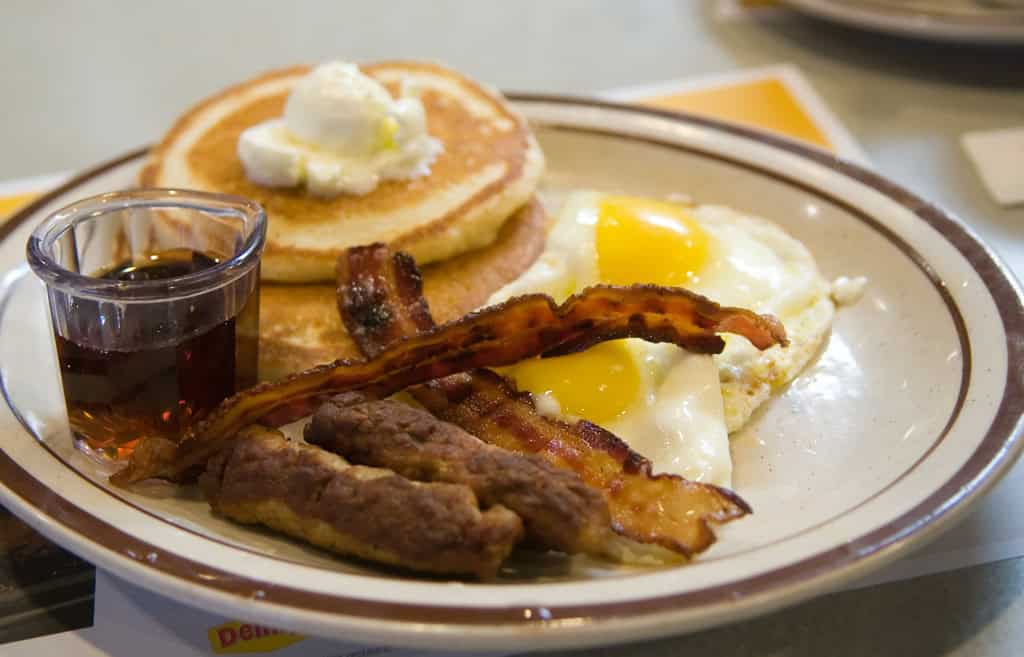
9. Denny's
Denny's is another publicly traded company, so we can see its financials. To give Denny's credit, it has consistently been profitable.
However, profits remain stubbornly lower than pre-COVID, when the company reported $74 million in operating income. Currently, that number is down to $60 million.
Denny's has been battling margin pressures by closing underperforming locations. In 2023, that meant 45 locations closed down, and the company has signaled that more closures are coming.
As long as Denny's is profitable, you won't see it declare bankruptcy. The chain is currently valued at approximately $420 million. However, if food pricing pressure remain there could be more store closures in its future.
Thanks to store closures and other cost-cutting measures, Denny's sales are down 16% from 2019. That's especially troubling since food inflation peaked at more than 10% annually during this time.
The image featured at the top of this post is ©Marcos Castillo/Shutterstock.com