








8 Store-Brand Snacks That Are Better and Cheaper Than Name Brands
Name brands have better marketing. That's mostly it. As for the food inside the packages? It is often not worth the premium, and sometimes it’s even worse than the alternative, with added sugar, unnecessary fillers, and extra fat.
Store brands used to stand for compromise. Unexciting labels or poor quality. That reputation lived on far past its time, and many modern store brands are now manufactured either in the same place as the branded products or even by the same companies, but often to higher standards since the store has control over the formulation.
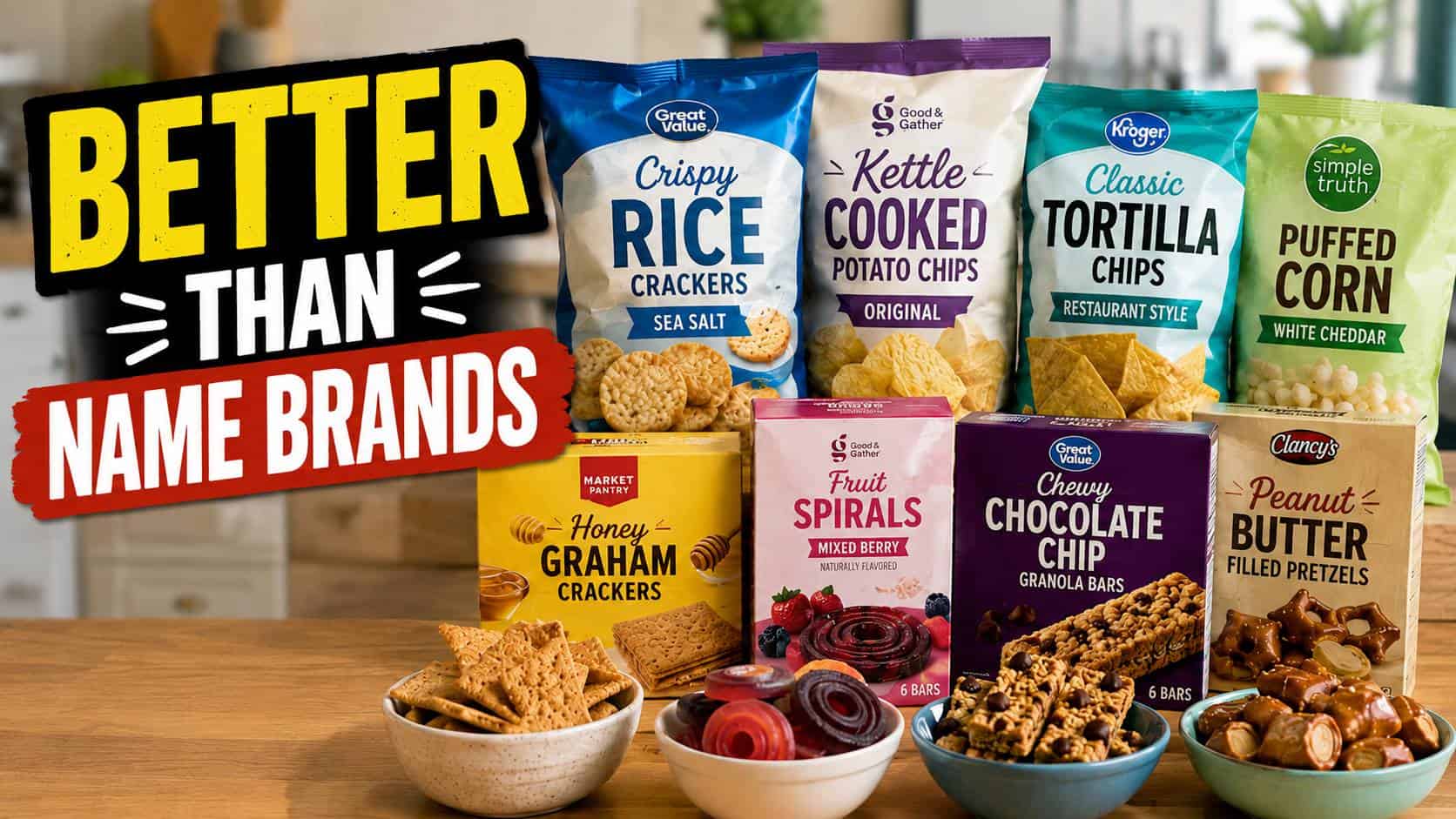
These eight store-brand items deserve the spotlight based on what's actually in them and how they actually taste, not just what they cost. They are worth the switch.
Kirkland Organic Peanut Butter (vs. Jif or Skippy)
Take any jar of Jif or Skippy PB and read its ingredients. You will get the peanuts roasted along with sugar, molasses, and hydrogenated vegetable oil, the latter being there to keep the peanuts' own natural oils from separating. The organic variant of Kirkland has just two ingredients. Organic Valencia peanuts and sea salt. Period.
Separation may be perceived by some people as a drawback, whereas by others it’s seen as something worth appreciating. However, the taste is definitely cleaner and contains more of the peanut flavor. If you have ever bought Jif on autopilot, try a jar of this and see if you even want to go back.
Trader Joe's Joe-Joe's (vs. Oreos)
Nostalgia and brand recognition do a lot of the heavy lifting for Oreos, but Joe-Joe's cookies stand on their own. The cream filling is made with real vanilla bean, and you can even see the flecks. The taste is not as sweet or pasty. Joe-Joe's also use crispier chocolate wafers that hold together better.
Moreover, the manufacturers have replaced high fructose corn syrup with invert sugar and regular salt with sea salt. Neither of these changes is super dramatic on its own, but together they make for a less artificial-tasting cookie.
Kirkland Mixed Nuts (vs. Planters)
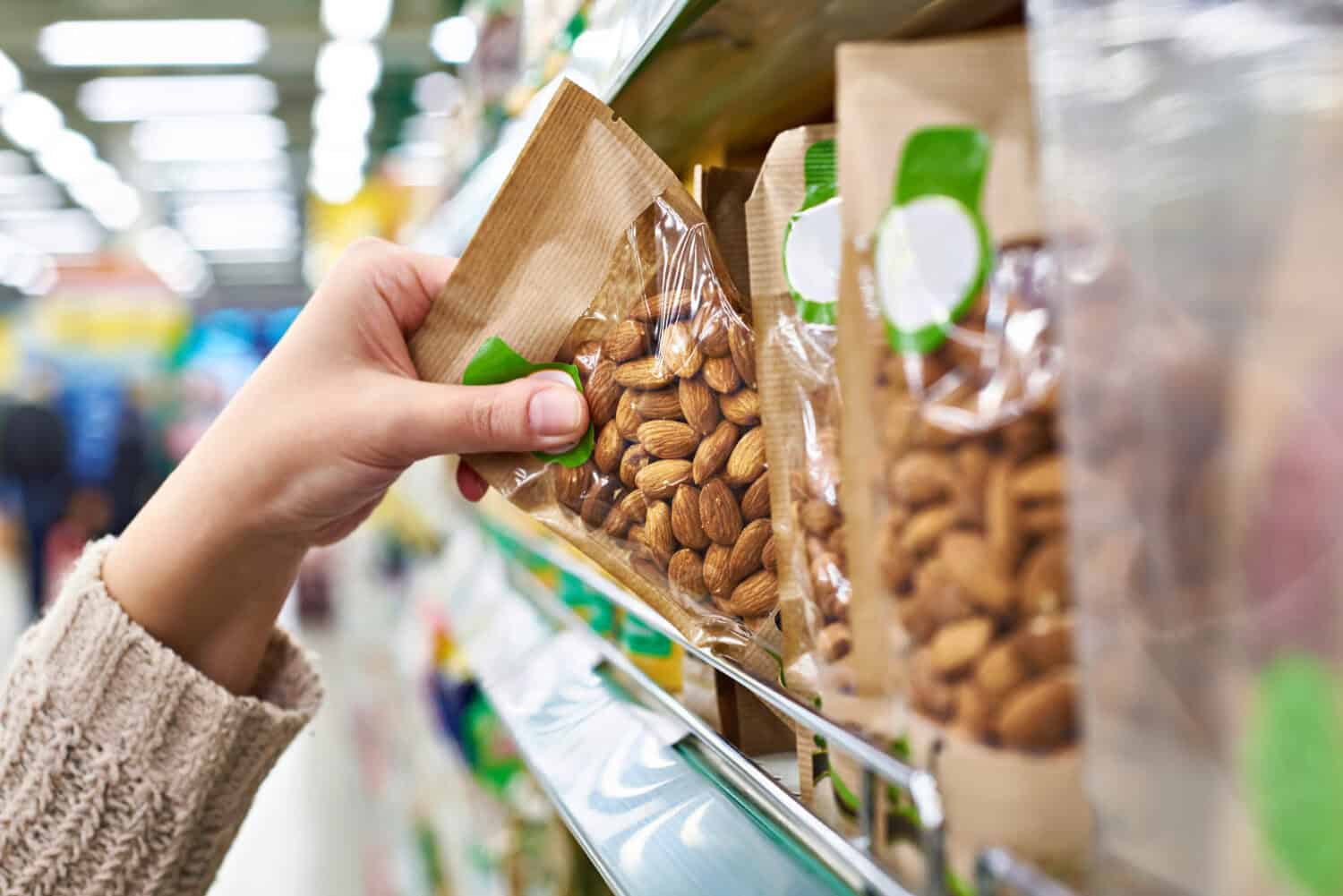
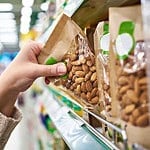
Mixed nuts by Planters consist mainly of peanuts. The ratio of cashews, almonds, and pecans is thin. There’s also the excessive oiling and salt. In comparison, Kirkland's mixed nuts contain an even ratio of cashews, almonds, macadamias, Brazil nuts, and pecans. There are fewer peanuts than anything else. There is also less seasoning in Kirkland's pack of nuts. If nuts are a big source of proteins and fats for you, getting a better nut ratio matters more than most people realize.
Whole Foods 365 Dark Chocolate (vs. Ghirardelli Squares)
Ghirardelli has good name recognition, but their dark chocolate is sweeter than the cacao percentage suggests, relying more on sugar than cocoa. The 365 dark chocolate is not as sweet because there’s less added sugar per serving, and it breaks cleanly because good quality chocolate with a higher cocoa butter content snaps crisply.
The difference is real, and you taste it. The 365 dark chocolate tastes a little bit more like real chocolate and not chocolate-flavored sugar.
Good & Gather Yogurt Pouches (vs. GoGurt)
GoGurt tubes contain around 7 to 9 grams of added sugar per pouch, along with artificial flavors and colors depending on the variety. Target Good & Gather pouches contain natural fruits instead of artificial flavorings. They have less sugar and don't include artificial coloring. The taste is more tangy and feels like real yogurt. Some kids prefer it once they adjust.
You should try it out if your kids eat yogurt. It makes a huge difference in terms of sugar content, especially if your child goes through a box a week. The pouches are also more compact than GoGurt tubes, which matters for lunchbox packing.
Aldi Specially Selected Crackers (vs. Triscuits)
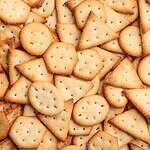
Triscuits is a quality cracker that contains whole grains and few ingredients, but comes with high sodium content and may also have inconsistent seasoning. Specially Selected from Aldi hits a similar whole grain profile with better seasoning balance and noticeably less sodium in some products.
It works well with cheese, hummus, or even by itself. Better seasoning, less sodium, same satisfying crunch. You don't need to compromise with this one.
Aldi Simply Nature Fruit Strips (vs. Fruit Roll-Ups)
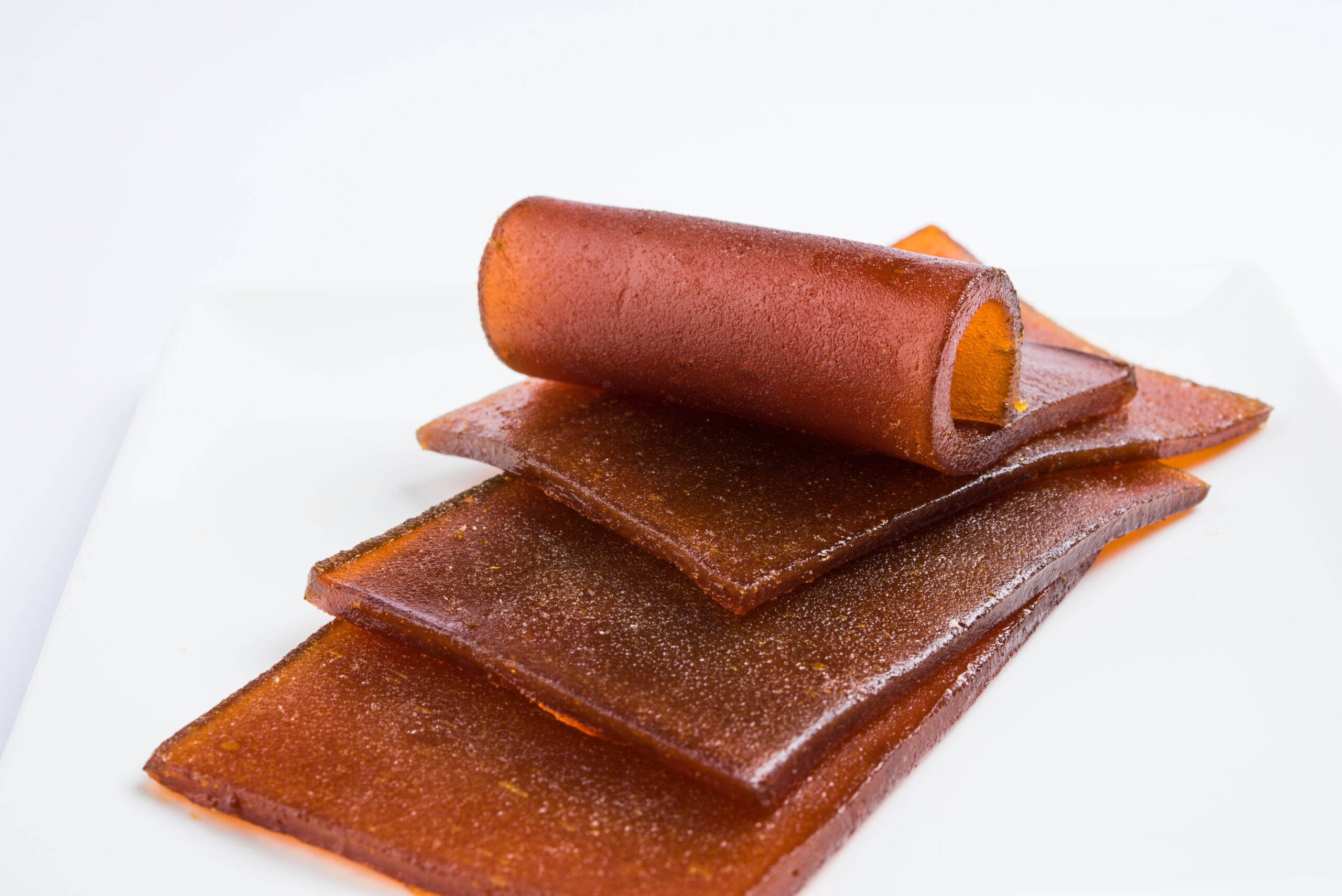
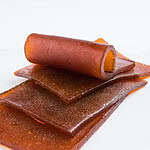
Fruit Roll-Ups are essentially candy hiding behind a fruit mascot. The ingredient list starts with pears from concentrate, but added sugar and corn syrup do most of the work. The Aldi Simply Nature Fruit Strips are based on apple puree concentrate, fruit juice concentrates, citrus pectin, and vegetable juice for coloring. No additional sugars and no high fructose corn syrup here.
Each strip has 100% of the daily value of Vitamin C and 50 calories. Kids treat them like candy, but at its core, it’s actual fruit.
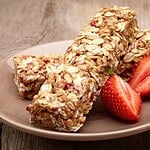
Aldi Millville Granola Bars (vs. Nature Valley)
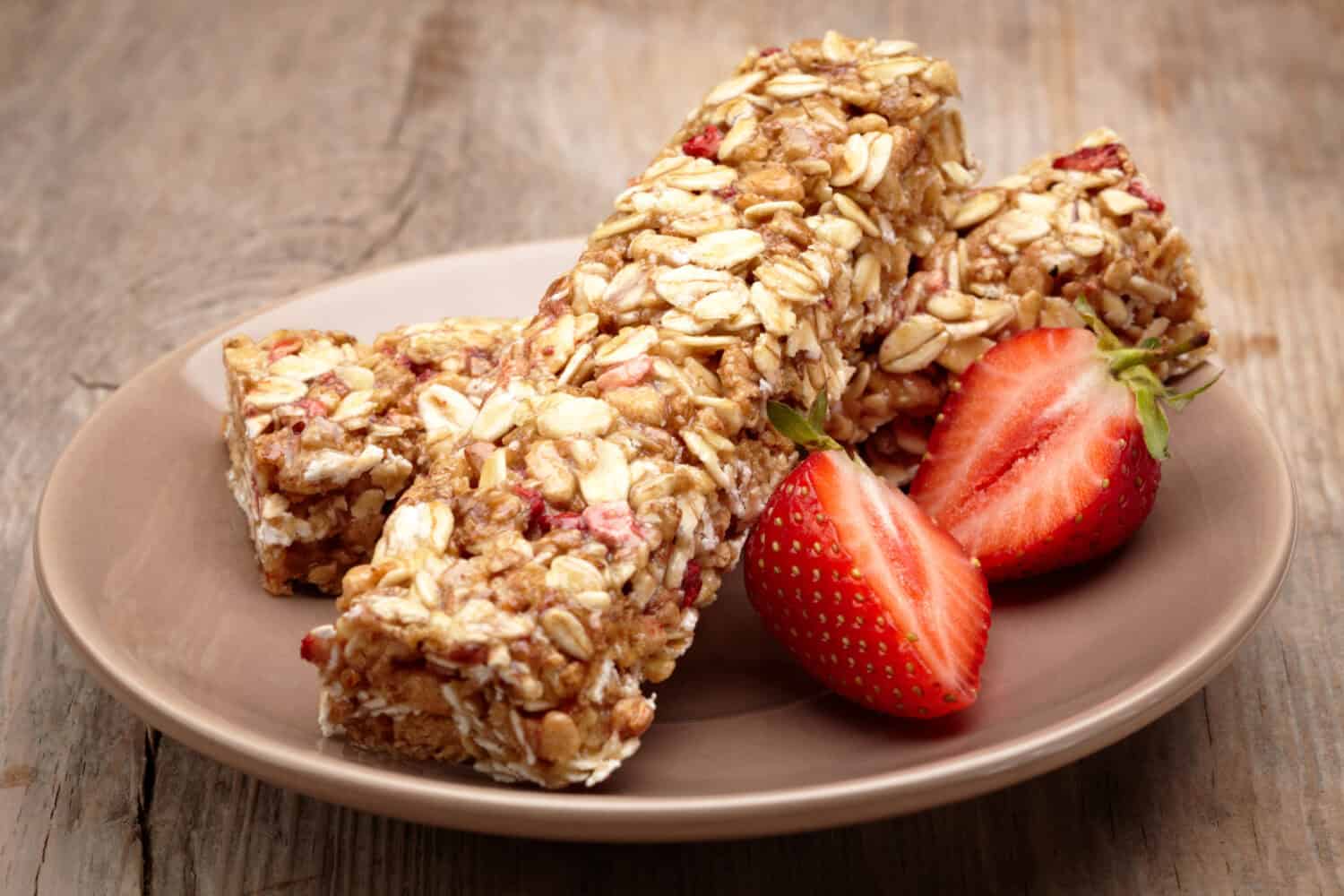
Nature Valley crunchy bars are tasty, but they use maltose syrup to hold the bars together, which brings the sugar content to approximately 12 grams per two-bar serving. They will also get crumbs all over in a radius of about two feet from where you’re eating. On the other hand, Millville bars contain less sugar and have a natural oat-like flavor.
They won't win a taste blind test by a wide margin, but they won't lose one either. It’s a low-sugar alternative that doesn't require convincing anyone.
The image featured at the top of this post is ©Andrew Clemente