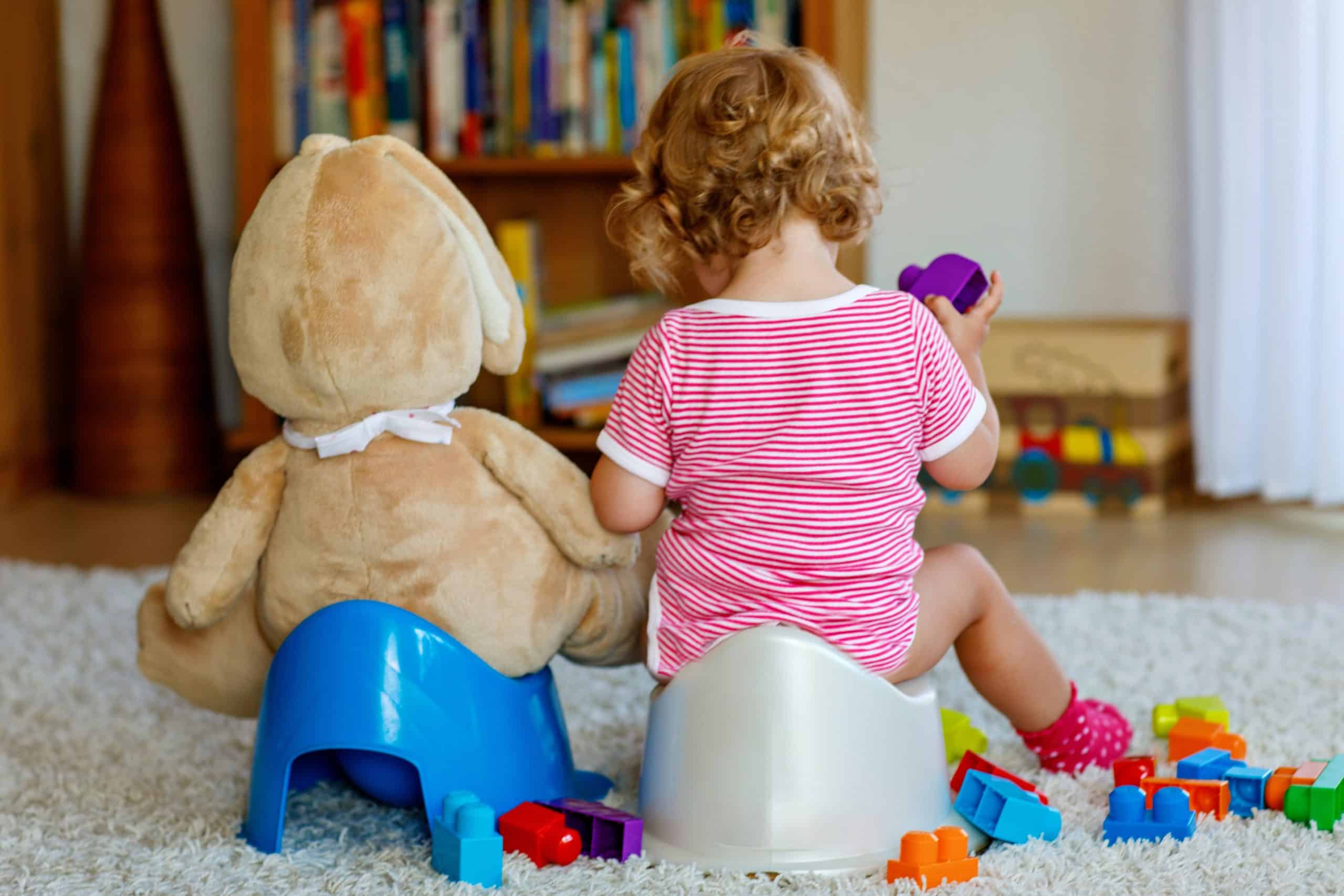
My mom’s advice for potty training kids was simple: you can either start now, and it’ll take six months until they get it, or you can wait six months, and they’ll get it in three days. In other words, if you try to potty train when you’re ready instead of when your child is ready, it’ll be a lot of tears (for everyone involved).
So, what’s a mom to do when you get tired of changing diapers — and how do you know when they’re ready?
As a mom who's gone through this three times, with three different approaches, I wanted to share what worked well for me, what I’ve learned, and what the research says about potty training with patience and effectiveness.
When to Start Potty Training?
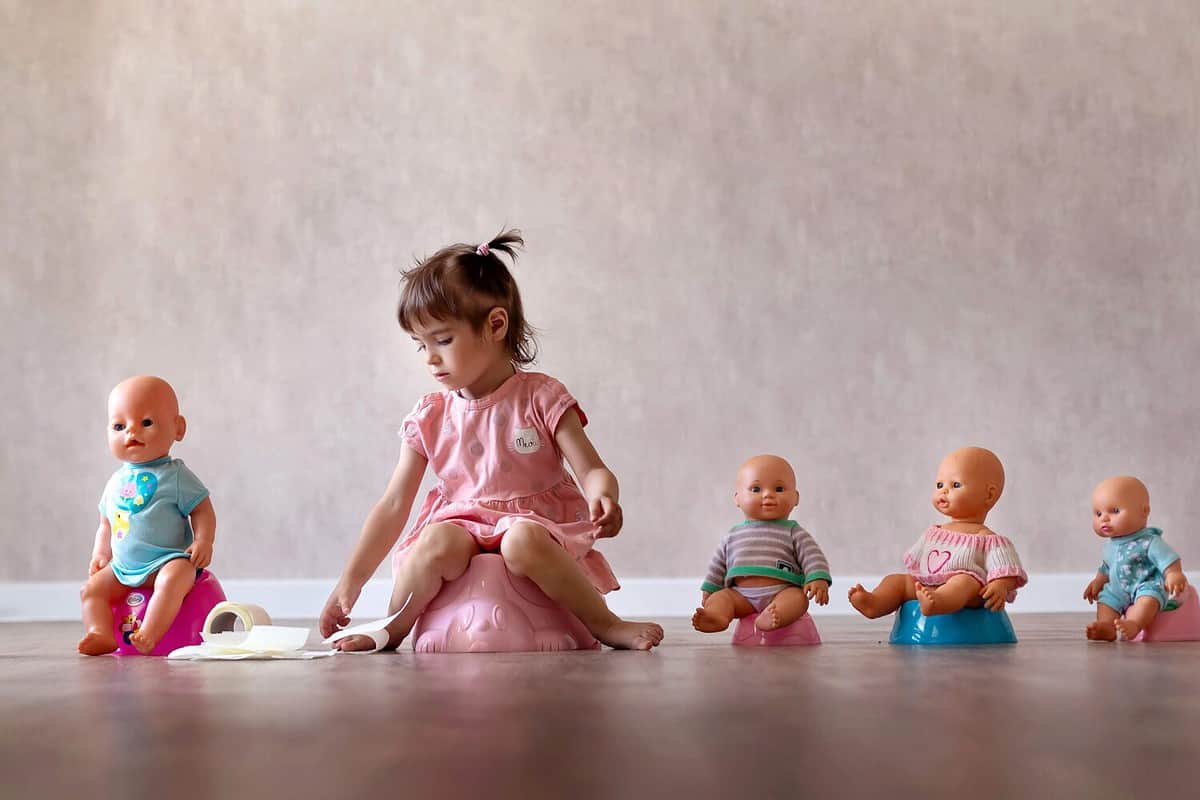
Normalizing using a toilet is important for your child to feel comfortable with potty training.
©Mari.Toch/Shutterstock.com
A 2003 study in Pediatrics found that the younger a child’s age when potty training was initiated, the longer it took them to complete their training (just like what my mom always said!). The study found that starting toilet training with children younger than 27 months was associated with a longer duration to completion. Look for signs of readiness and know that most children start potty training between the ages of 2 and 3.
I started with all of my kids around age 2.5-3. Despite having friends who started when their kids were as young as 18 months, I never stressed about it until I felt my toddler was old enough to really get it. And all three boys picked it up so fast.
The American Academy of Pediatrics suggests the following signs to see if your child is developmentally ready to start potty training:
- Has a dry diaper for at least two hours at a time during the day or is dry after naps
- Shows signs or tells you when they are about to pee or poop
- Can follow simple instructions
- Can undress themselves
- Feels uncomfortable in wet or dirty diapers
- Asks to use the toilet
- Asks about underwear
Different Potty-Training Practices

Avoid negative words when describing urine or bowel movements.
©christinarosepix/Shutterstock.com
Many different methods of potty training have been introduced over the years. A 2012 article in the Canadian Medical Association Journal summed up some of the most common ones. Brazelton described a standardized potty training method in 1962, where you focus on child readiness, starting at 18 months. The child had to be emotionally ready and interested in using the toilet before starting, have some degree of bowel and bladder control, and have the ability to cooperate with their parents.
In 1968, Spock also recommended a “child-oriented approach” without absolute rules and structure. In contrast, Foxx and Azrin’s 1973 method was all about structure. They had certain standards that must be met to see if a child was ready, then they recommended increasing the child’s fluids, scheduling times to go to the toilet, positive reinforcement, and overcorrection of accidents.
Throughout the years, parents have made up their own toilet training guidelines, including many potty-training methods popping up on TikTok. For example, the potty-training in three days method involves watching your child closely and putting them on the potty every single time they start to pee for three days, until they’ve caught on to the process.
It seems like there are as many different methods as there are kids who need to be potty-trained! It's overwhelming to say the least. For my three kids, every time I tried potty training, it went a little differently.
What Worked for Me
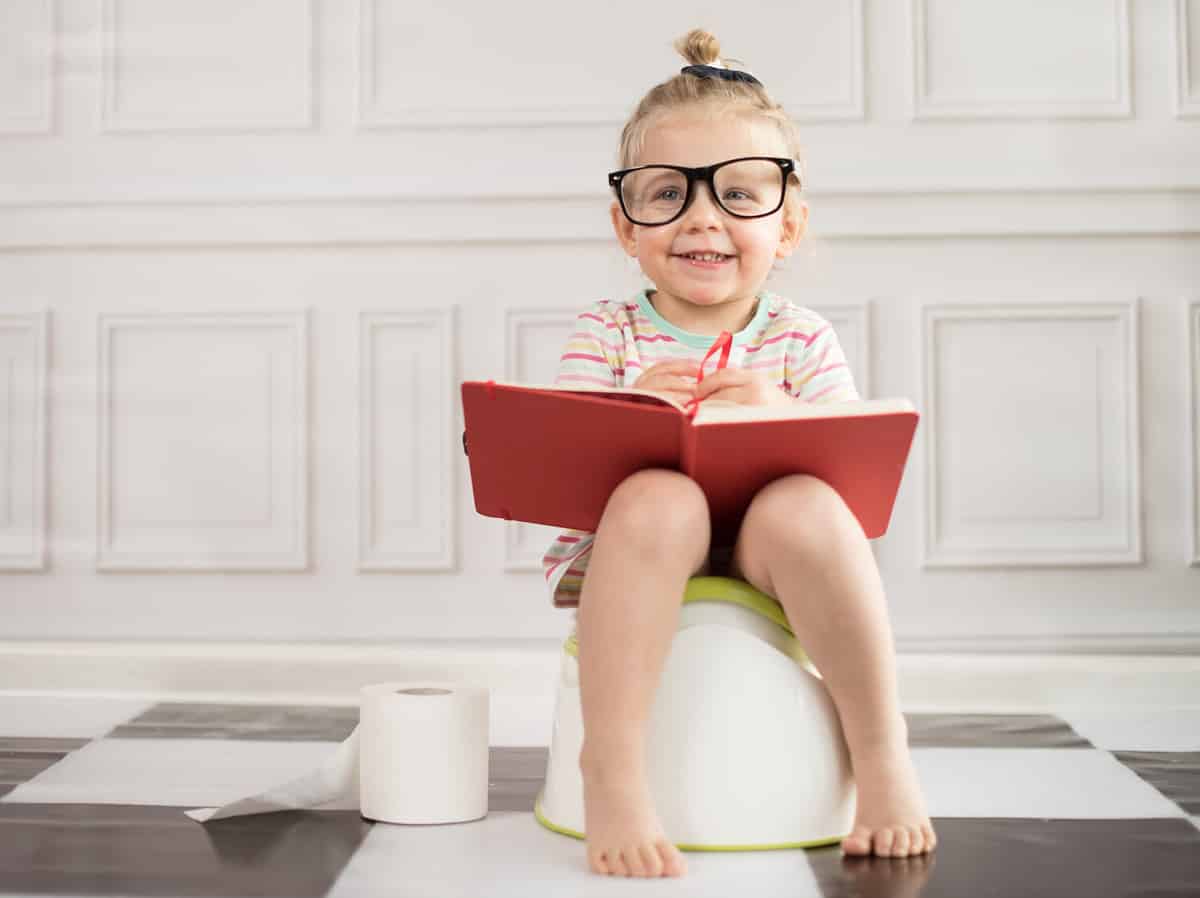
Waiting until your child is ready to potty train makes a big difference in how long it takes.
©Bartosz Budrewicz/Shutterstock.com
With my first son, I did the three-day method. With this method, you put your kid in underwear only (some parents do completely naked) and set a timer to take them potty every 15 minutes. This was an intense process, with lots of tears and fighting and pushback. He eventually got it, but it was such a source of stress for us that I do not recommend it.
My second son handled potty training differently. I made a sticker chart and bribed him with M&Ms every time he went potty. This was a much smoother process, although it took months for him to go poop on the toilet for the first time.
The third time’s the charm, as they say, and my third son was the easiest by far. He had grown up seeing his brothers use the toilet, and one day, he simply asked to use it himself. He pooped on the toilet, and the rest was history! It was incredibly easy to potty train him when he decided he was ready, and even though he had some accidents, it remained a positive, uplifting experience. He got to pick out new underwear at the store, and he was so proud of himself for figuring it out.
Every kid is different, so you can’t expect them to all decide one day that they want to go on the toilet. However, keeping the conversation open, avoiding putting pressure on them, making it fun, and staying patient are all ways parents can help children learn how to use the toilet.
Expert Recommendations
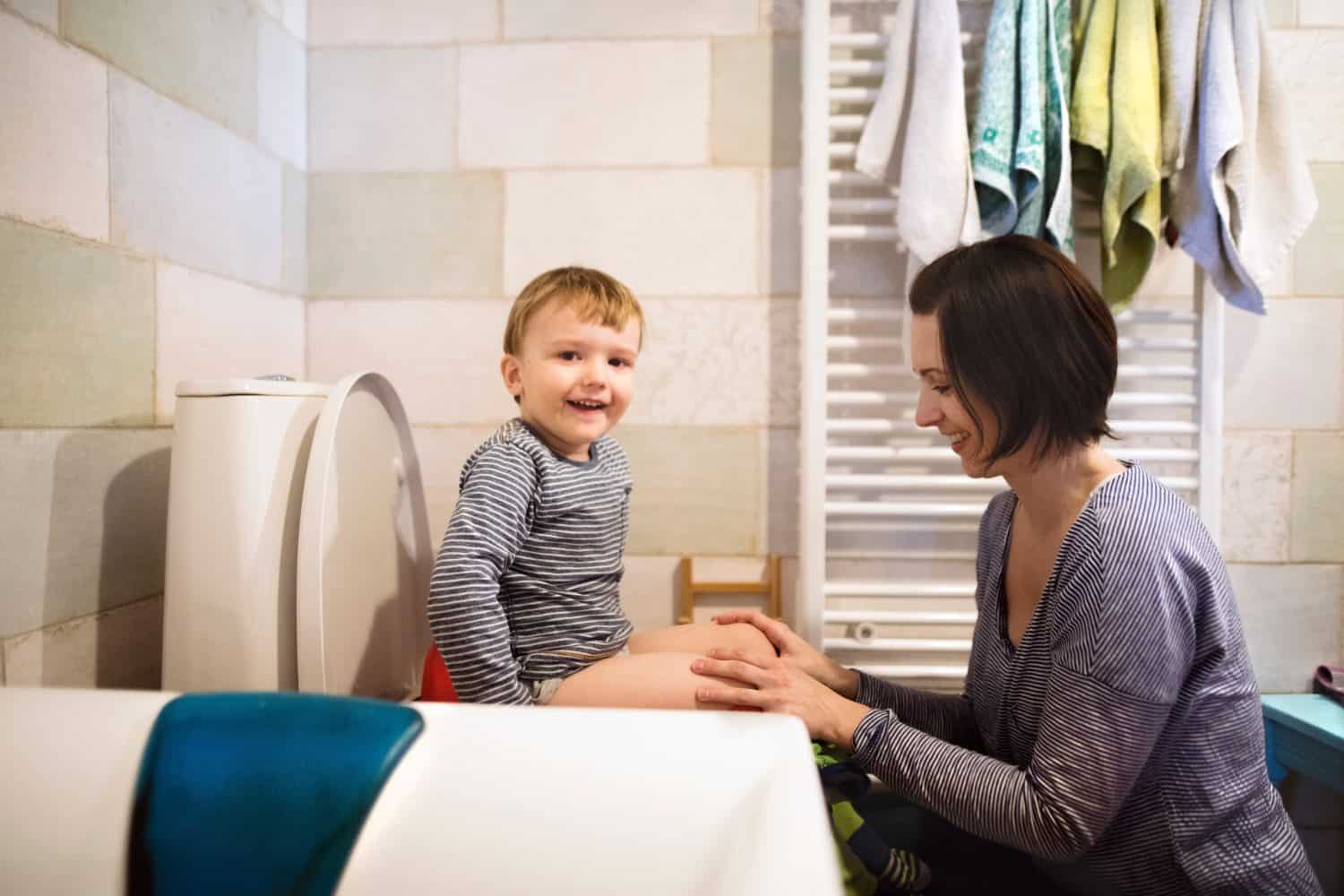
Most children will begin potty training between the ages of 2 and 3.
©Halfpoint/Shutterstock.com
The American Academy of Pediatrics released a “Toilet Training” guide in 2022 that includes 12 tips on potty training success.
For starters, use positive words when talking about going potty — avoiding calling urine or bowel movements “dirty,” “naughty,” or “stinky,” for example.
Other key takeaways include using a potty seat on the toilet or a kid-sized potty chair; demonstrating how to use the toilet by going in front of them; reading books about potty training; and making going to the toilet part of your daily routine (such as first thing in the morning or right before snack time).
Once you decide to go all in on potty training, switch to regular underwear, which will feel different from diapers and be uncomfortable when they have an accident. This new underwear will also signal to your child that things are different now — and put them in control of their potty habits.
Finally, expect some pushback. Potty training is a big new thing to learn — kids don’t even realize they can start or stop their urine on command yet! So there is going to be some hesitancy and pushback.
Avoid shaming or punishing your child during potty training by being sympathetic to their fears, staying calm, letting them control as much as possible (letting them flush, choose which bathroom in the house to use, etc.), and staying patient. After all, every kid gets it eventually!
What Else Do You Need to Know?
Sometimes kids will still have accidents at night or other times.
©Ground Picture/Shutterstock.com
Expect regressions, such as when your kid gets sick or goes through something difficult. Don't fret — it's perfectly OK. One of my kids was potty trained through the night, but a new medicine made him go back to wetting the bed. We just used an overnight pull-up until he grew out of it and didn't shame him.
Another one of my kids would hold his poop in so long that he would eventually have accidents, even long after he was finished potty training. We just encouraged him to go to the bathroom more often at home, with books to keep him calm and not anxious about it, to help the problem.
My 3-year-old still has accidents when he is too distracted playing to stop and use the bathroom, so we have to remind him often to take a break to go. Sometimes, you have to adjust to your child's needs and do what works best for your family.
If you have any questions or concerns regarding potty training, be sure to talk to your child's pediatrician for help and more tips. Good luck potty training, mama — and don't forget to give yourself a treat too. You deserve it!
The image featured at the top of this post is ©Irina Wilhauk/Shutterstock.com