
Many beloved cast-iron pans have fallen victim to the number one enemy of alloy metal: rust. If it's not rust, it's a pan that's under-seasoned, underused, or under-cleaned. To add insult to injury, everyone who owns cast iron has a different opinion on its maintenance.
You can't always trust everything you hear, especially when it comes to cookware. Luckily, it's not as hard to take care of cast iron as you might think. We speak with two experts who have extensive experience caring for cast-iron cookware. With their help, you can finally take care of that rusty pan hiding in the back of your cabinet.
Step One: Avoid Rust by Seasoning Your Cast Iron Properly
Chef Maricel Gentile, chef and owner of Maricel’s Kitchen and author of Maricel’s Simply Asian Cookbook, has taught thousands how to care for cookware. Cast iron is essential in her kitchen, and she has shared tips with home cooks on Food Network, PBS, and Hulu.
“For home chefs, the number one key to a long life for your cast iron pan is to keep it dry and well-seasoned,” she says. “Wash it gently — no soaking — and always dry it completely. Even warm it for a minute on the stove to remove any lingering moisture.”
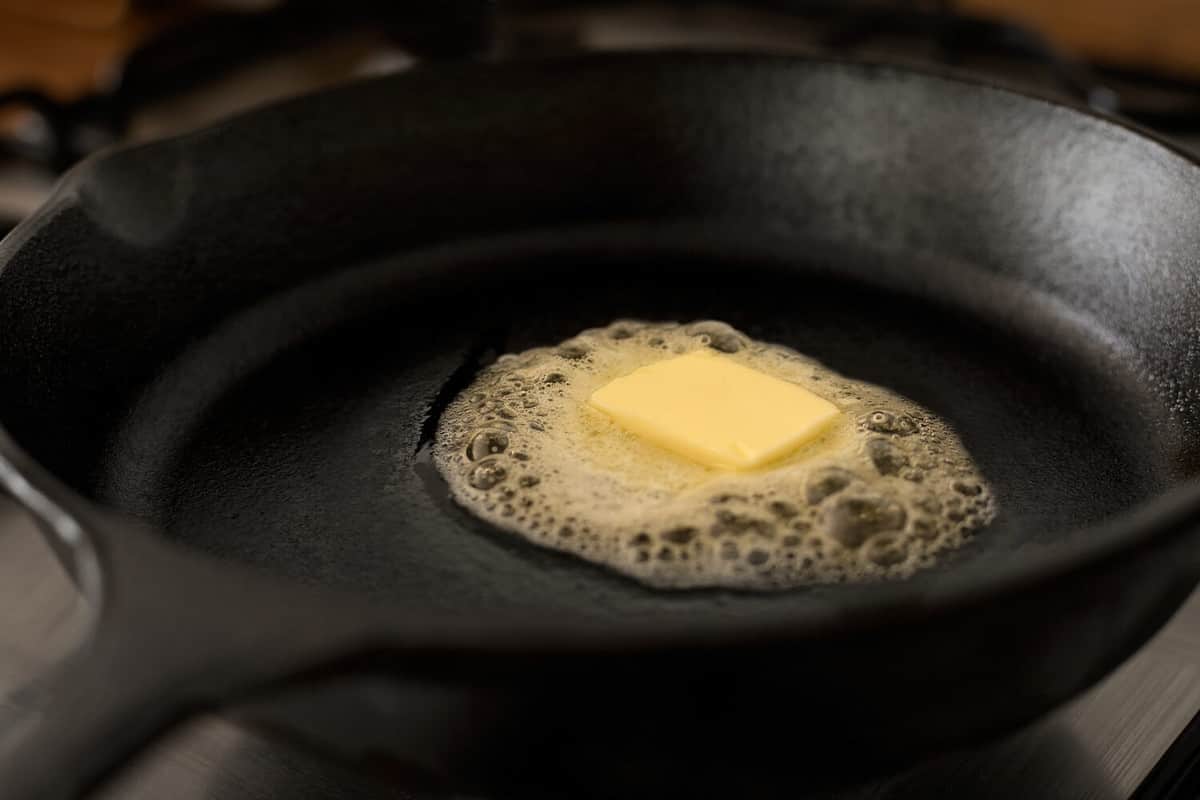
Chef Maricel explains that moisture is the main enemy of cast iron, and it's crucial to have a dry pan. “Then, lightly coat the surface with oil while it is still warm to protect that hard-earned seasoning,” she says.
©Moving Moment/Shutterstock.com
To make this easier, Chef Maricel recommends thinking of cast iron like a bamboo steamer or a wok. Applying the same rules to multiple pieces of cookware can make it more routine. Since these require dry environments, proper care for both overlaps with cast iron.
“The more you cook with it, especially with foods that have some fat, like searing chicken thighs or frying lumpia, the stronger and smoother that seasoning becomes,” she says. “If the surface ever gets rough, sprinkle a bit of coarse kosher salt in the pan with a few drops of oil and rub with a paper towel. It works like a natural scrub and keeps the flavor intact.”
Why Do You Need to Season Cast Iron?
Unlike other pans, cast iron requires a protective layer between it and the food being cooked. The hard layer that forms in the pan is called polymerized fat. This happens when oil or fat solidifies with heat during the cooking process. While this might sound unsanitary, in reality, it's what protects the pan from rust, moisture, and flaking.
This layer is also responsible for turning well-used cast iron black. This doesn't mean it's dirty; instead, it's the sign of a well-seasoned, long-lasting cast iron pan. Seasoning a pan also creates a nonstick surface, which is tough to achieve without a fat layer.
Along with increasing cast iron's durability, seasoning increases flavor. The layer in the pan adds a unique flavor that can only be achieved with a well-seasoned cooking surface. Foods such as stews, cornbread, and pan-seared steak get a distinct flavor from the seasoning.
Step Two: Season Even When Your Pan Is Off the Stove
“Even if you are not doing a full seasoning bake, adding a teaspoon of oil and gently heating the pan for one to two minutes after each use builds layers of polymerized oil over time,” Chef Maricel encourages. “That is how my oldest pan became as slick as nonstick without chemicals.” It might sound hard to believe, but it's true: cast-iron pans can be nonstick. Sadly, many people shy away from them because of the maintenance. But the truth is that they can often outperform and outlast the nonstick competition.

©iStock.com/rudisill
However, this isn't the only trick Chef Maricel has up her sleeve. “Many people forget cast iron’s versatility,” she says. “Roasting vegetables or baking cornbread in it helps re-season the cooking surface with each bake because the dry heat and natural oils from food bond to the iron.”
This makes seasoning your cast-iron cookware even easier. The more versatile the pan, the more inclined a home chef is to use it. Killing two birds with one stone by seasoning and cooking is just more motivation.
“In my own home, I have cast-iron pans older than my sons, and they are still perfect because I treat them like heirlooms. When you care for cast iron, you are not just maintaining a pan; you are building a cooking partner that can last for generations,” says Chef Maricel.
Step Three: Be Consistent and Intentional With Your Seasoning Oil
When it comes to cast iron, consistency is key. Joanne Gallagher, recipe creator and co-founder of Inspired Taste, shares with us her tried-and-true seasoning tricks. “There’s something special about a well-used cast-iron pan. The more meals you make in it, the better it performs!” she says.
“It holds onto heat, cooks evenly, and slides easily from stovetop to oven without missing a beat. With simple, consistent care, it’s the kind of cookware that can outlast just about everything else in your kitchen.”
©DronG/Shutterstock.com
Gallagher echoes the warning about moisture. She explains that a dry pan is crucial, but so is your choice of seasoning oil. “After washing, take a moment to towel it off completely. Even a little leftover moisture can lead to rust, and staying ahead of that makes all the difference. A bit of lingering moisture is all it takes for rust to sneak in,” she stresses.
“Then, rub in a light layer of oil — flaxseed, vegetable, or canola all work well — and warm the pan gently. This keeps the seasoning in good shape and helps build that naturally non-stick surface cast iron is known for.”
Can You Ever Wash a Cast Iron Pan?
Cleaning cast iron can seem contradictory when moisture is the number one thing to avoid. Thankfully, Gallagher clears this up and even provides tips for proper cast iron washing. “You might have heard to avoid soap, but a little mild dish soap now and then won’t hurt, especially if something stubborn is stuck on,” she explains.
“Just rinse it well and dry it completely. If food does cling, a handful of coarse salt makes a great scrub that cleans without stripping the seasoning.” However, Gallagher also warns home cooks to avoid scrubbing pans too hard. This can ruin that beautiful polymized fat layer and all the work you've done. “Try not to over-scrub; letting the pan develop a dark, smooth patina over time is the secret to better flavor and better cooking.”
The trick is to avoid any standing water in your cast-iron pan. As long as all moisture is removed quickly, most cast iron will last years, if not decades. And, according to Gallagher, proper care is easier than you think. “Once you’ve got the hang of the routine, a few small habits can go a long way. After cooking, let the pan cool just enough to handle, then wipe it clean and rub in a touch of oil before storing. If you’re up against rust or sticky residue, no need to panic! Just coat the pan with oil and bake it upside down at 450°F for about an hour. It’s an easy way to refresh the seasoning.”
As a bonus tip, Gallagher also shares that you can store multiple cast-iron pans with a layer of paper towels between. This will soak up any unseen moisture while acting as a safeguard in between uses. “Treat it well, and your cast iron will reward you every time you use it,” she says.
The image featured at the top of this post is ©Michael C. Gray/Shutterstock.com