There’s no joy quite like bringing your newborn baby home from the hospital. You arrive in your driveway full of anticipation for what’s to come. At least, until that night when you try to have your child go to sleep in their new bed. Then, all bets are off.
No two babies sleep the same. When my daughter was born, she woke up every night for the first two years, and we thought it would never end. My son, on the other hand, slept through the night from the start and never had an issue. Not every child is going to be that easy. In reality, you’re probably going to deal with a sleep regression at some point.
Sleep regression can happen at many different stages during your child’s early life, and there's not much you can do to stop it. However, there are things you can do to help your baby along and retain your sanity. In this guide, we’ll dive into sleep regression so you're prepared.
What Is a Sleep Regression?
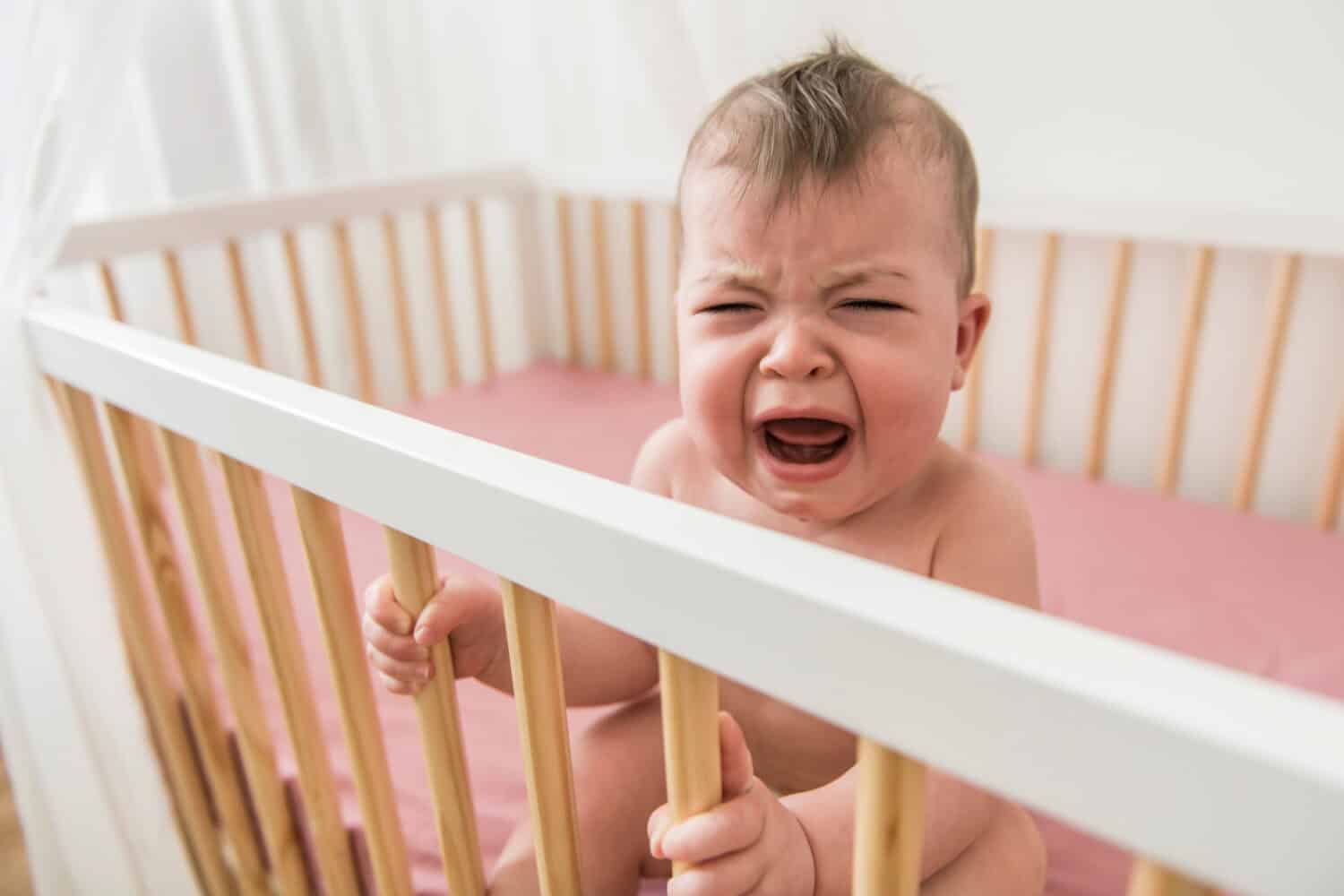
It's natural for your baby to start waking up crying at some point, so don't be concerned that anything is wrong.
©Lopolo/Shutterstock.com
The first step to knowing how to handle a sleep regression is understanding what it means. If you’ve experienced it with your kids, you’ll recognize it right away. Regression is when your child seems to finally be in a rhythm of sleeping through the night or sleeping long enough, only to suddenly experience a significant decline in their sleep quality.
So, for example, your 2-year-old child has been sleeping through the night for 6 months now, and everything seems good, but suddenly he starts waking up at least once during the evening while fussing and crying. It could also be an infant who has been taking naps every day, but suddenly stops falling asleep when she used to, or she may stop napping completely for a few weeks.
Even though your child does get to sleep, they may still be experiencing a form of sleep regression. For instance, your child may be more fussy during the night than they have been lately. Some babies also take much longer to fall asleep than they used to, which can be a cause for concern.
At What Age is Sleep Regression Common?
While your baby’s sleep regression can technically occur at almost any time during their first year, or potentially not at all, there are certain ages where regression is more common. These time periods can include:
- 8 weeks old
- 4 months old
- 8-10 months old
- 12-15 months old
- 18 months sold
- Two years old
We’ll discuss more about each time period below, but it’s important to note that just because regression is common at these ages, it doesn't mean it's set in stone. Every baby is different, and some children may not experience a regression at all.

There are many possible causes of a sleep regression, but it's important to remember it's not your fault.
©Prostock-studio/Shutterstock.com
What Can Cause Sleep Regression?
Your baby’s sleep regression can be the result of many factors, which are often influenced by what your child is learning or feeling physically at that time. Here are some typical issues during the common sleep regression stages:
8 Week Regression
The eight-week sleep regression is not common, but it does happen. At this age, your baby is shaking off their newborn sleepiness. It’s also during this time that your child’s brain is growing, they’re experiencing more melatonin production, and a potential growth spurt. All of these issues are likely to wake your baby or make it harder for your baby to fall asleep. When it comes to melatonin, you can help matters by making the baby’s room super dark since melatonin is released and produced in the dark. Doing so will increase the chances that your baby will keep their regular sleep schedule.
4 Month Regression
The 4-month regression is one of the most common sleep regressions. This is when your baby’s sleep cycle begins to mature more to mold adult-like patterns, and many see it as the official end of the newborn phase. During this time, your newborn will be fully awake between naps instead of generally drifting back to sleep as they have been. This regression is unlikely to go away until your baby learns to self-soothe. You can help with this process by allowing short fussing periods. You can help to soothe your baby without immediately picking them up by putting a hand on their belly or quietly shushing them. In time, they’ll learn to self-soothe, and they’ll sleep more steadily until the next regression.
8-10 Month Regression
Some children may experience a sleep regression around six months, as they learn new motor skills like sitting, rolling, and possibly even crawling. Teething can also often keep a baby awake. If you miss the six months, you’ll likely hit the 8–10 month sleep regression. During this time, your baby will often wake up to practice their new skills, so it may be harder for them to stay asleep. It may be jarring at first, but this regression should only last a few weeks.
12-15 Month Regression
A sleep regression around this time usually occurs when your child transitions from two naps per day to one. It’s best to go with the flow at this point. Having only one nap will not make your baby unhealthy. Fighting it will only cause more stress.
18 Month Sleep Regression
A more common sleep regression will occur around the 18-month mark. This variation often occurs because it’s around this time that your baby is settling into toddlerhood. They’re excited about milestones like walking, talking, and gaining independence, so they may become more restless at bedtime. While these behaviors may initially be frustrating and seem like your child isn't listening, this is a time to be excited. Your child is beginning to develop into a whole new person, and more exciting times are on the horizon.
General Causes of Baby’s Sleep Regression

Teething is a common cause for a baby's sleep regression.
©Miljan Zivkovic/Shutterstock.com
Although many children go through the regression listed above, it’s possible that your baby could experience a regression at any time for several reasons. Other potential causes could include:
- The need for a sleep schedule adjustment
- Neurodevelopmental maturation (typically the 4-month sleep regression)
- Illness
- Teething
- Travel or other changes in the routine
- Mastering a milestone like crawling or sitting up, and wanting to do it over and over again.
The fact is that your baby’s sleep regression can happen when you least expect it, and that’s okay. You and your child are in this adventure together, and it’s fun to expect the unexpected.
How to Manage Sleep Regressions
The main way to handle an unexpected change to the routine is not to stress out or get upset. This is a natural part of the development process. The primary danger of sleep regressions is that your baby may not get the sleep they need to thrive, so you need to work around the regression. Here are some tips:
Try To Get Your Baby to Sleep When They’re Tired
If your baby isn't sleeping like they used to, it can be a cause for concern. However, you simply need to know the signs that your baby is tired during other times of the day and take advantage of them. For instance, learn your baby’s sleep cues. The cues may include rubbing their eyes, yawning, looking away, or being generally fussy. When you see the signs, try to put your baby to bed for a nap or for the night. This way, your child will at least get the necessary sleep, and it won’t affect their health.
Have a Consistent Routine
Another essential tip for children and adults alike is to create a consistent bedtime routine, so your baby isn’t overly fussy. You can ensure that they can fall asleep soundly before the regression sets in and they’re potentially up for the rest of the night. A calming routine can be as simple as providing a warm bath at night or singing a lullaby before bed. This routine gives your child a cue that sleep time is approaching, so it’s not such a jarring transition.
It’s also essential that you stick to the same bedtime. Consistency is key. This is the same advice for adults as well. By going to sleep and waking up at the same time, even on weekends, you help solidify your circadian rhythm, which in turn helps you sleep more soundly.
Don’t React Too Quickly at Night
When your baby starts fussing at night, your gut reaction may be to run into their room and start soothing them back to sleep. There’s nothing wrong with that. However, what you may think is sleep regression may just be your baby fussing a bit as they get comfortable. Before you run in there, give your child a few minutes to fuss. You may find that they learn to self-soothe and continue to sleep throughout the night.
If the fussing continues, go in and give a gentle pat on the back or say a few gentle, reassuring words, and see how your child reacts. It may not be the immediate solution, but see what happens next, and react accordingly.
Do Your Best
Most parents don’t consider sleep regressions to be a favorite part of raising a child, but helping your baby through these challenging times is worth it in the long run. One day, these sleepless nights will be a distant memory, and you’ll be glad you did the best you could for your little bundle of joy.
The image featured at the top of this post is ©DenisNata/Shutterstock.com