















12 Places We Went Every Weekend That Are Disappearing
A few weeks ago, my kid asked me what we were doing on that Saturday. It wasn’t the first time that I couldn’t answer him. The truth is that I couldn’t really think of anywhere to take him and the rest of the family. When I was growing up, my parents didn’t have that problem. There was always something to do on weekends, thanks to a few spots that were always open and always full of familiar faces.
Now, don’t get me wrong, some of these places are still around. They’re just thinning out, and that’s harsh. These are 12 places families used to go every weekend that are slowly fading away.
Saturday at the Mall
You went, you walked the loop, you got yourself a pretzel, you ran into three kids from school, and then you came home with nothing. That's what the mall was for, for a lot of people back then. It was just somewhere to go and hang out.
Malls have been closing left and right since the 2000s. The higher-end version of the mall, the one with valet parking and a Tesla in the atrium, is the one that’s surviving. What's going dark is the middle-range mall that anchored an average suburb, the one with the Sears and the fountain full of pennies.
The Bowling Alley
Not the fancy modern one with the cocktails and the DJ spinning tunes. The old-school type, where the carpet was sticky, and there was a vending machine that took quarters. I’m talking about the kind of place where the guy behind the counter knew your dad.
There were roughly 12,000 bowling places in America at the height of their popularity in the mid-1960s. Fewer than 3,200 exist today. A lot of people are still bowling. Just not every Tuesday with the same group of eight people. Turns out that's what kept the lights on.
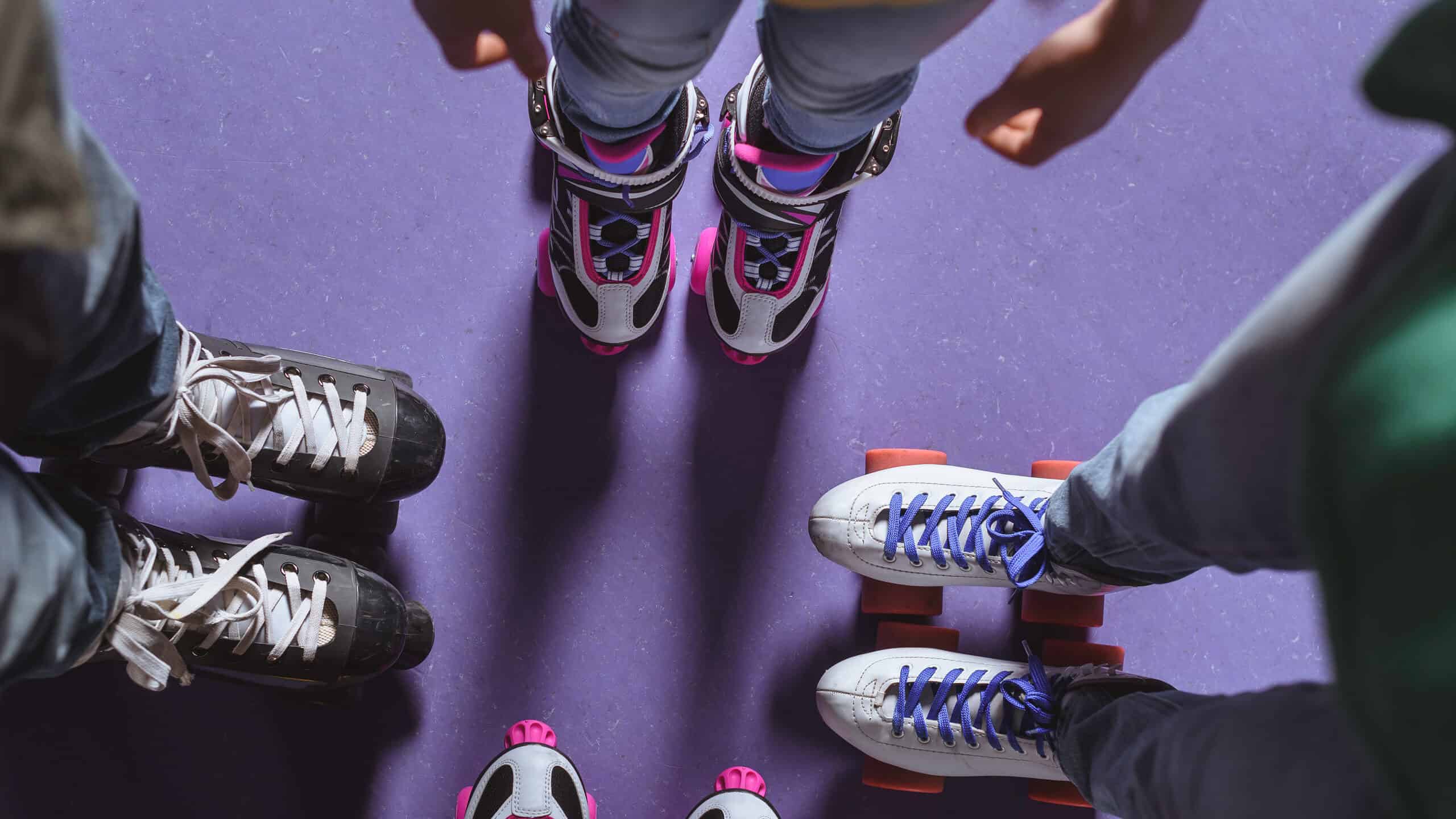
The Roller Rink
Every kid I knew went to the same rink. It was a popular destination for our Friday nights and birthday parties. The music was too loud, and somebody always ate it in front of everybody else. Those were good times.
The demise of rinks is sad, and it's all about real estate. Kids still skate. Rinks just occupy an awful lot of space, and when the land underneath is worth more than the business built on it, the equation no longer works. That's why you don’t see a lot of them anymore.
Saturday at the Rec League Field
There used to be free or almost free town leagues. You signed up in the spring, and every kid on the block was on one team or the other. The baseball itself wasn't great, but that wasn't the assignment.
Travel ball is hollowing out the traditional rec league. Tournaments held in three states, tryouts, fees running into four figures, entire weekends being eaten away by the schedule. Kids who can't afford it or can't commit to it don't move down to the lower league because the level below is emptying. They just stop playing. The field is still there most Saturdays. There are fewer people on it.
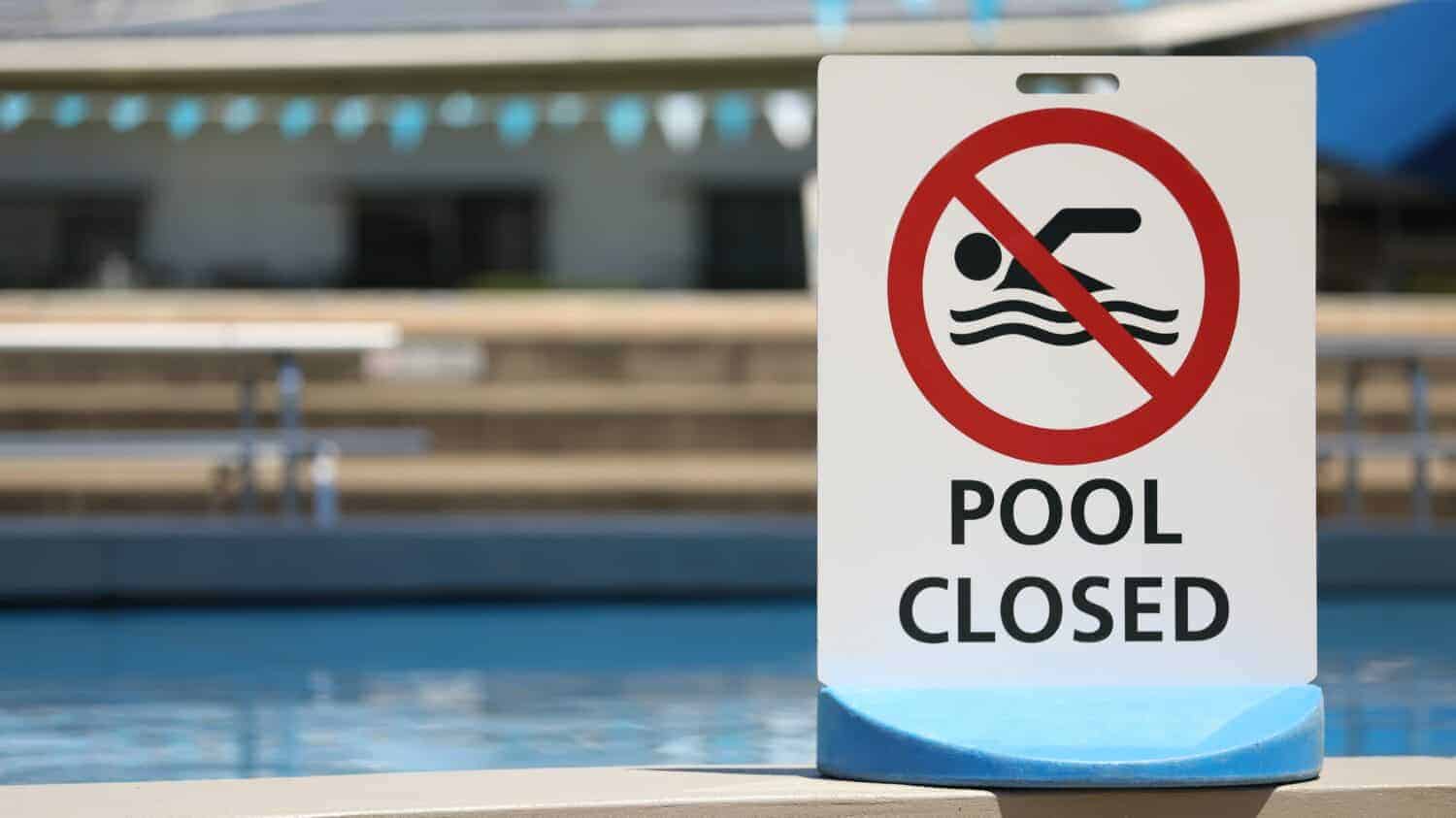
The Public Pool
The municipal pool was the great equalizer. For just $2, a whole afternoon, a snack bar that served lousy nachos, and you'd go home with that memorable chlorine smell and three shades lighter hair.
These pools are getting shut down. Deferred maintenance on aging concrete and a lifeguard shortage that never really recovered after 2020. A pool that needs $1 million worth of repairs is easy to ax when no one is complaining. And there are no complaints when you have a backyard pool or a club membership. Everyone else loses their summer.
The All-You-Can-Eat Buffet
You could feed five people for less than forty dollars, and the kids could eat mac and cheese, then a brownie, then more mac and cheese, and nobody would bat an eye.
The buffet business was on its way down even before 2020, and the pandemic put a number of them out of business completely. Golden Corral is pretty much the last big chain standing. The model only works at volume, and the volume is gone.
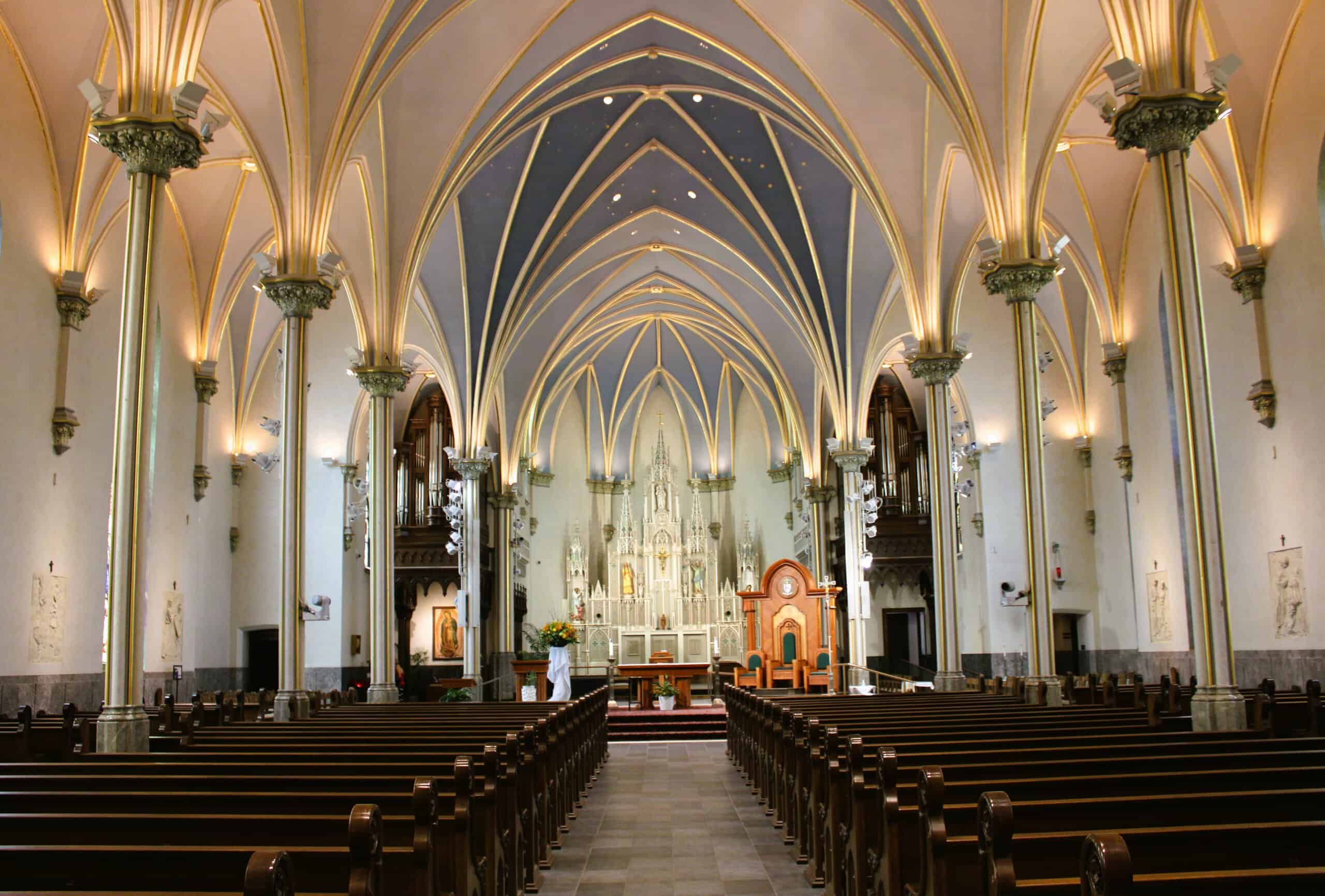
Sunday Service and the Coffee After
Regardless of your beliefs, as a place, the weekly service was doing a lot of work for the community. It gathered the same families in the same room on the same morning every week, then brought them to a fellowship hall later with bad coffee and a folding table full of donuts. That hour is when people found out if anyone needed a ride or if someone's mom was ill. Connections were built. This was the most reliable weekly appointment most American families had.
Attendance has been declining for decades now, and the drop got steeper after 2020, with many churches never getting their pre-pandemic numbers back. No matter how you felt about the religious aspect, the social network beneath it has not been replaced by anything.
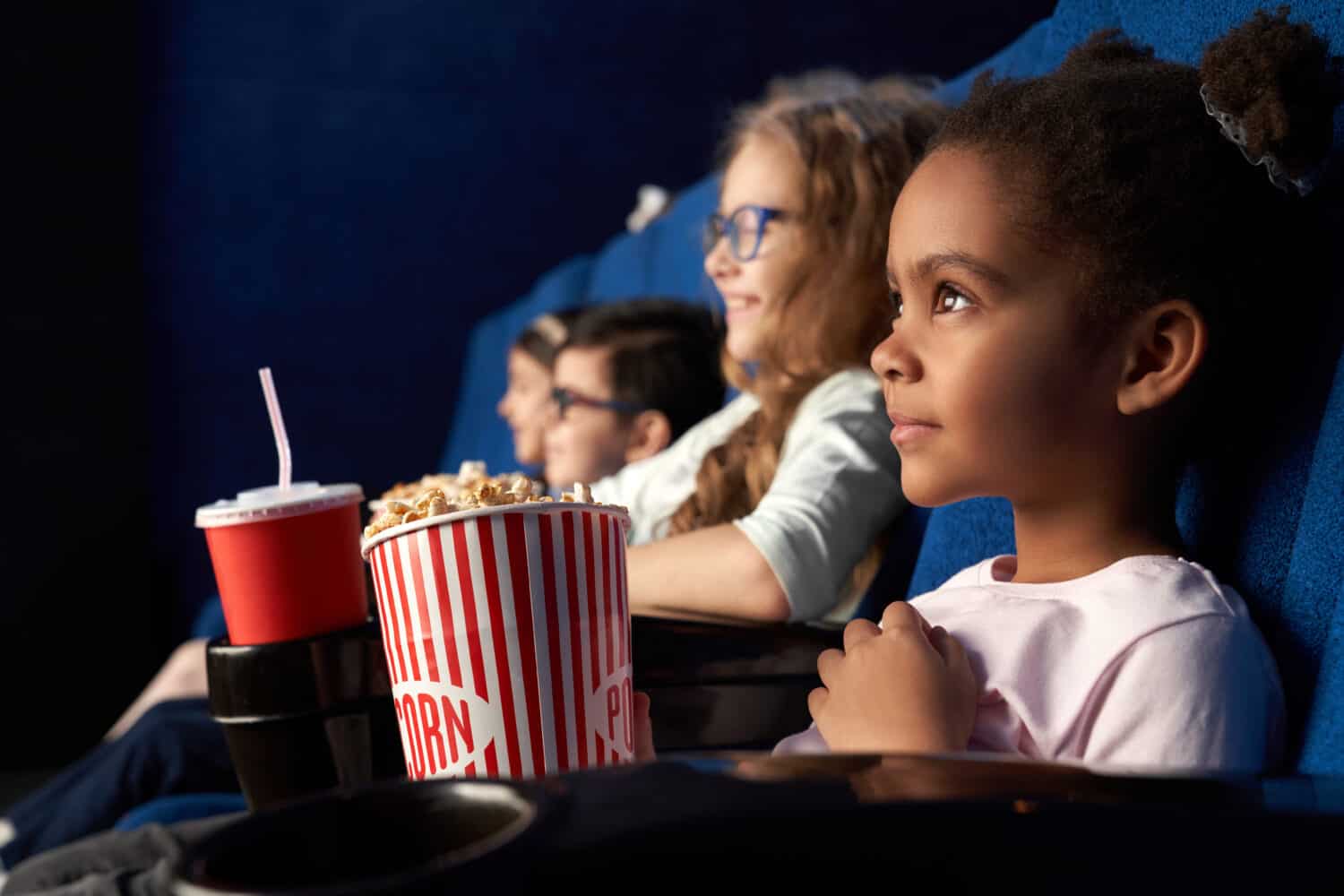
The Small Movie Theater
The three-screen theater downtown. Tickets for matinee shows cost less than a sandwich. Popcorn came in one size only, and that was fine.
Since the early 2000s, moviegoing per person has steadily decreased. The major chains have consolidated on the multiplex with recliners and $20 ticket prices. The independent owner who didn’t have the means to convert to digital or renovate their theaters shut down. In many towns, the theater was the only thing open on a Sunday afternoon.
The Sit-Down Chain Restaurant
This was "we're going out to dinner" for an entire generation of families, and the appeal was knowing exactly what you were going to get before you even got in your car. These restaurants have been closing down locations for years. Fast casual took away the quick meals, delivery took away the lazy nights, and the middle got squeezed out. The specific loss here is a place where families could sit down and enjoy a ninety-minute meal at a price that doesn't break the bank.
The Flea Market
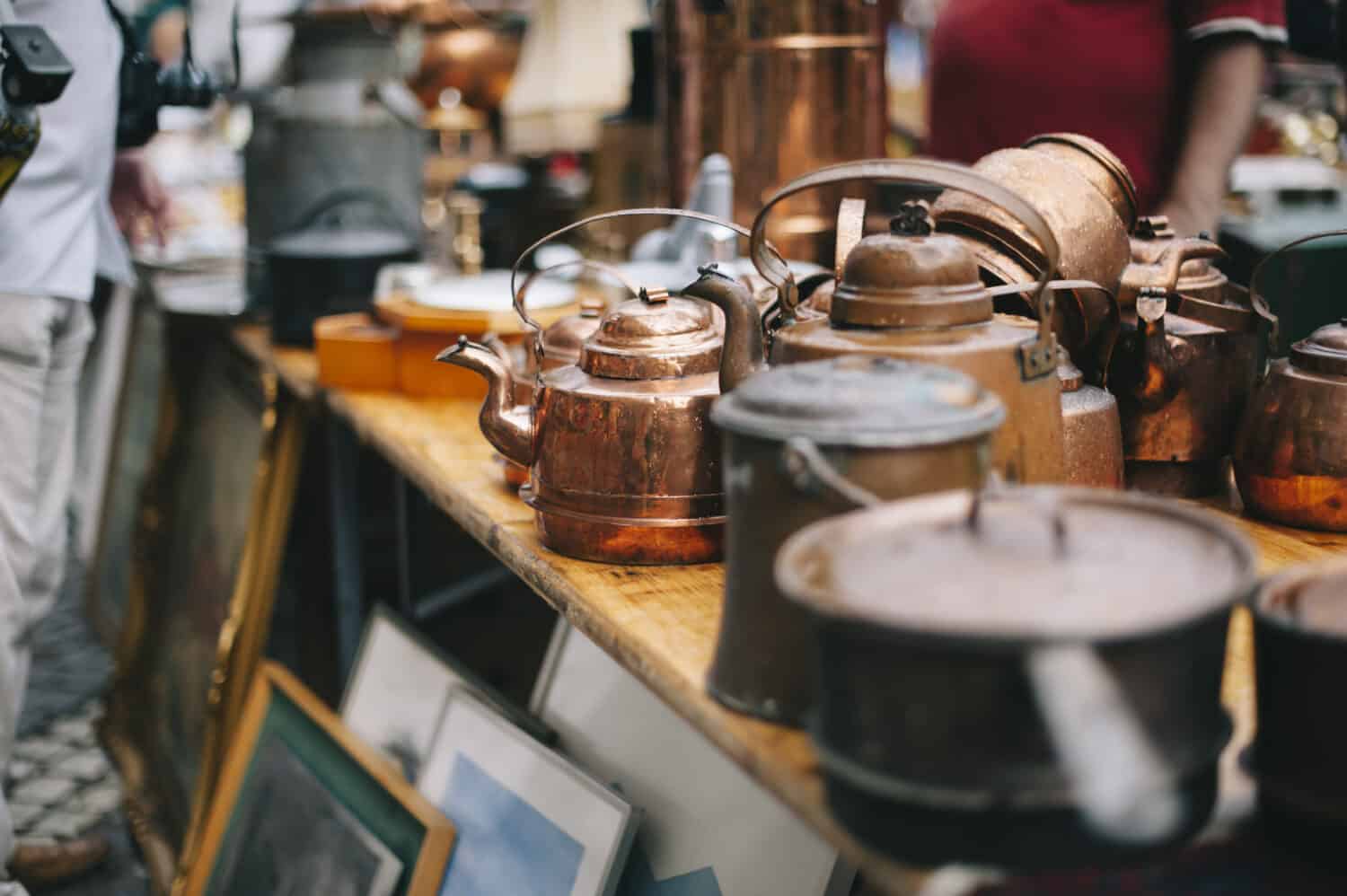
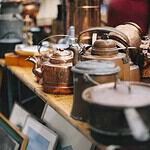
Sunday morning, coffee for the grownups, five bucks in your pocket, and the green light to buy something crazy. A box of rusty old keys. A rock. A tape by a band that no one ever heard of. The sky was the limit.
Marketplace apps have taken over this whole category. Every single thing from that flea market can be found online, organized and delivered, which is more efficient in every measurable way, but also eliminates the process of a nine-year-old haggling with a stranger over an item for two dollars and learning something about being a person in the process. The remaining markets skew toward antiques and tourists. The local ones with the folding tables you used to go to on a Sunday morning are the ones disappearing.
Grandma's House
You just drove over without calling first, and Grandma was always home. The food popped up out of nowhere and you knew you had to eat it. The kids went outside. The adults sat around the kitchen table for four hours talking about nothing in particular. Today, it's a text three weeks out, a calendar invite, a two-hour drive because we all live in different places now, and an agenda. This used to be the default Sunday for many kids across the nation, and it’s dying off as quickly as anything else on this list.
The Mini Golf Course
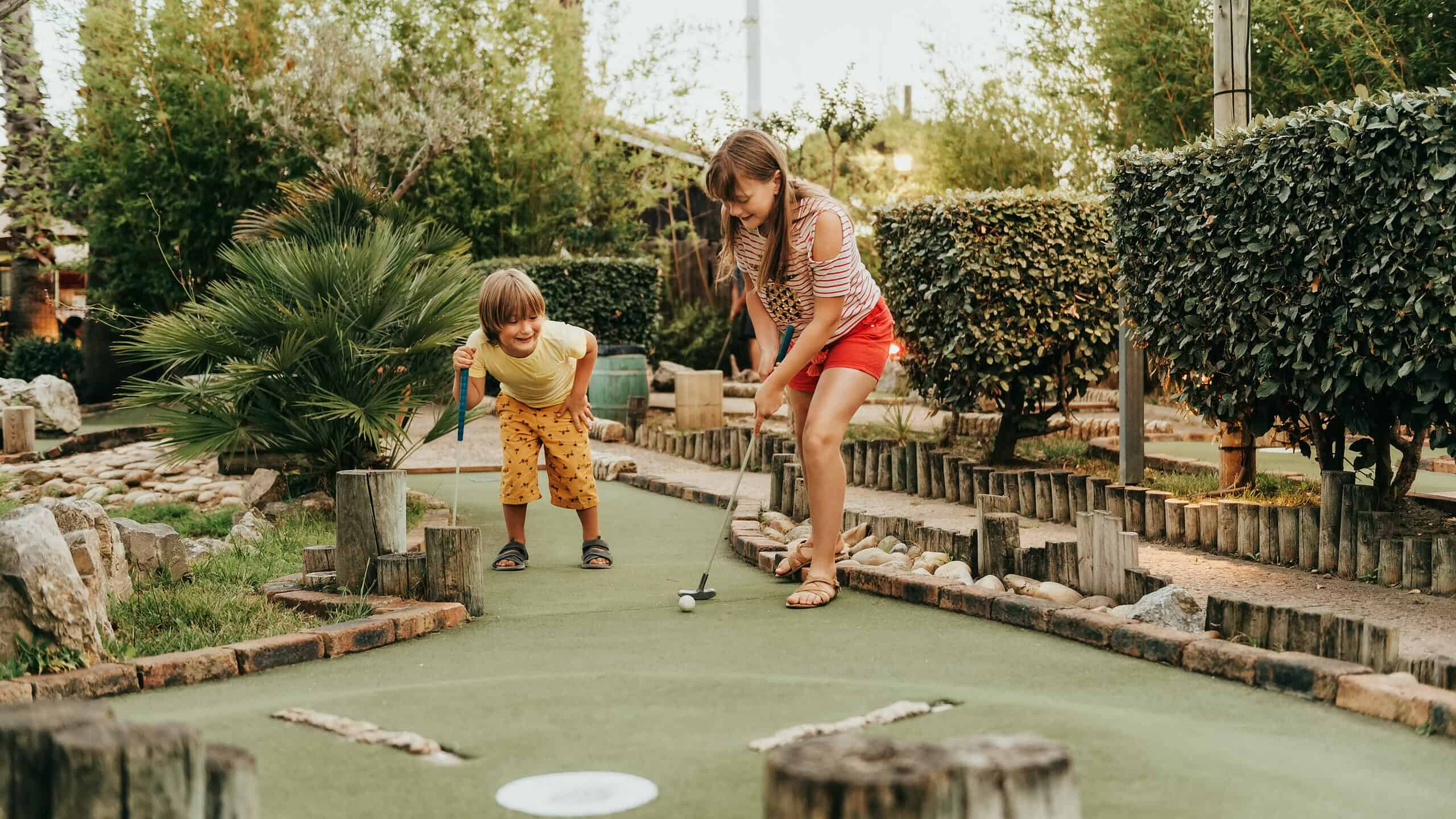
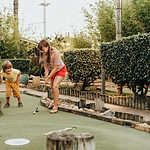
Eighteen holes, a windmill, a clown's mouth, artificial grass that had been artificial grass from the days of Jimmy Carter. Ten bucks for the whole family. An hour and a half. Someone cheats on the last hole.
What replaced the traditional mini golf course costs a family of five what a decent dinner costs. Topgolf, the climate-controlled entertainment complexes, the places with a bar and a wristband. They're fun. They're also a decision you make in advance, and the old course never was. You just pulled in.
The image featured at the top of this post is ©LightField Studios/Shutterstock.com