

























20 Things Kids Did Before the Internet That Kids Today Would Never Understand
Before kids had screens in every bedroom, backpack, or back pocket, boredom was something you had to solve yourself. There was no endless scroll, no streaming queue, and no quick tap that could instantly fill the silence. If you wanted something to do, you usually had to make it up as you went.
That often meant knocking on a neighbor’s door to see if someone could come outside, wandering around the block, digging through the garage, or turning an ordinary backyard into whatever world your imagination could build. And if nobody was around, you improvised. A stick could become a sword, a magic wand, a baseball bat, or the starting point for an entire afternoon of make-believe.
At the time, none of it felt special. It was just what kids did on a regular Tuesday. But looking back now, those simple pastimes feel like they belong to another world. In an age where entertainment is instant and boredom rarely lasts more than a few seconds, many of the old ways kids kept themselves busy have almost disappeared.
Here are 20 things kids used to do to kill boredom that are nearly extinct today.
Saturday Morning Cartoons
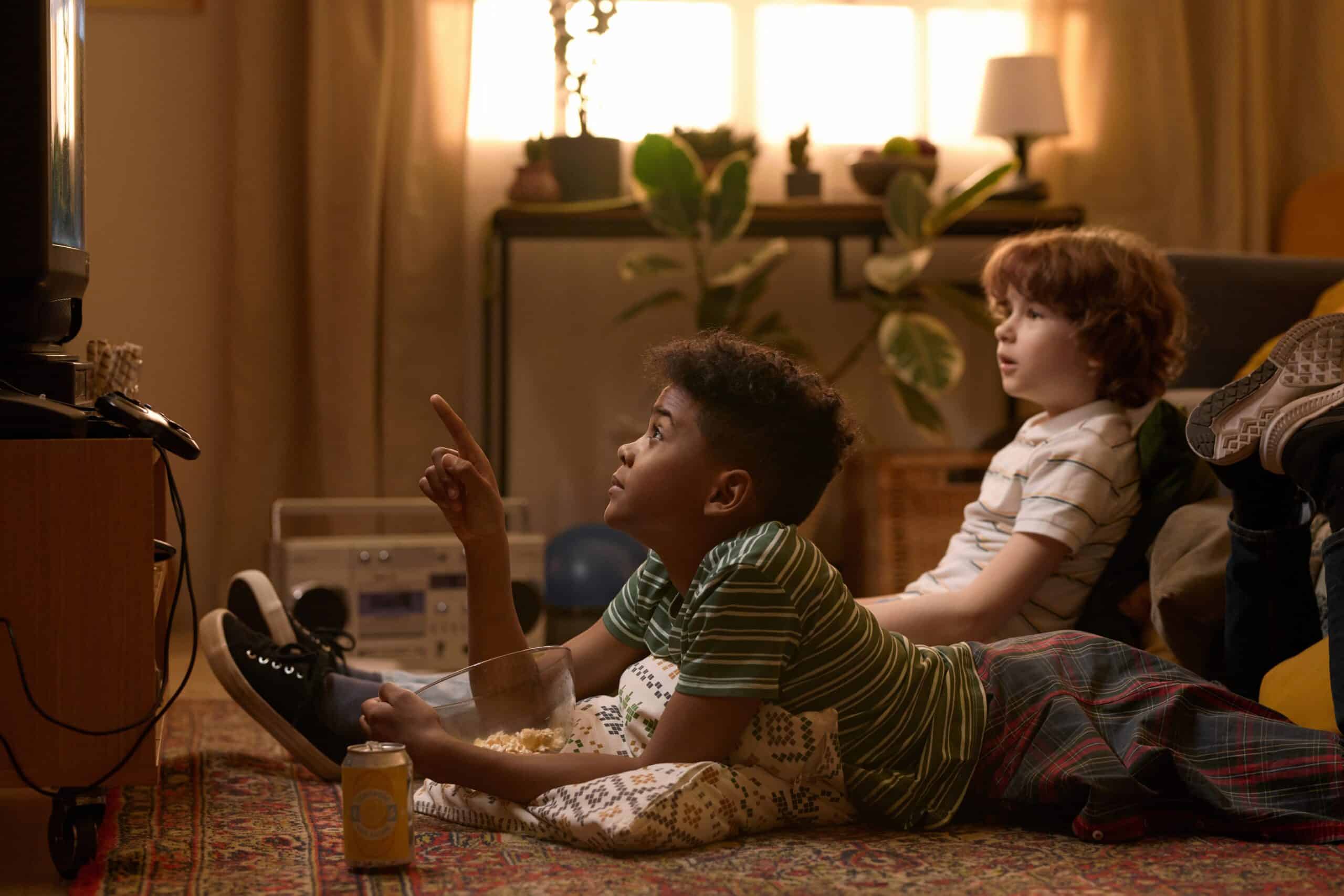
- Back in the day, you couldn’t just stream your favorite cartoons whenever you felt like it. You had to wait for them to come on, and Saturday mornings were cartoon mornings. You had to get up early, sometimes earlier than anyone else in the family, eat your breakfast, and run to the TV set to make sure you didn’t miss anything. If you slept in, you missed the show. There was no rewind button. The best you could hope for would be to get a recap from a friend in school. The whole week led up to these couple of hours. Nowadays, kids can watch cartoons whenever they want, so the Saturday morning cartoon marathon is mostly gone.
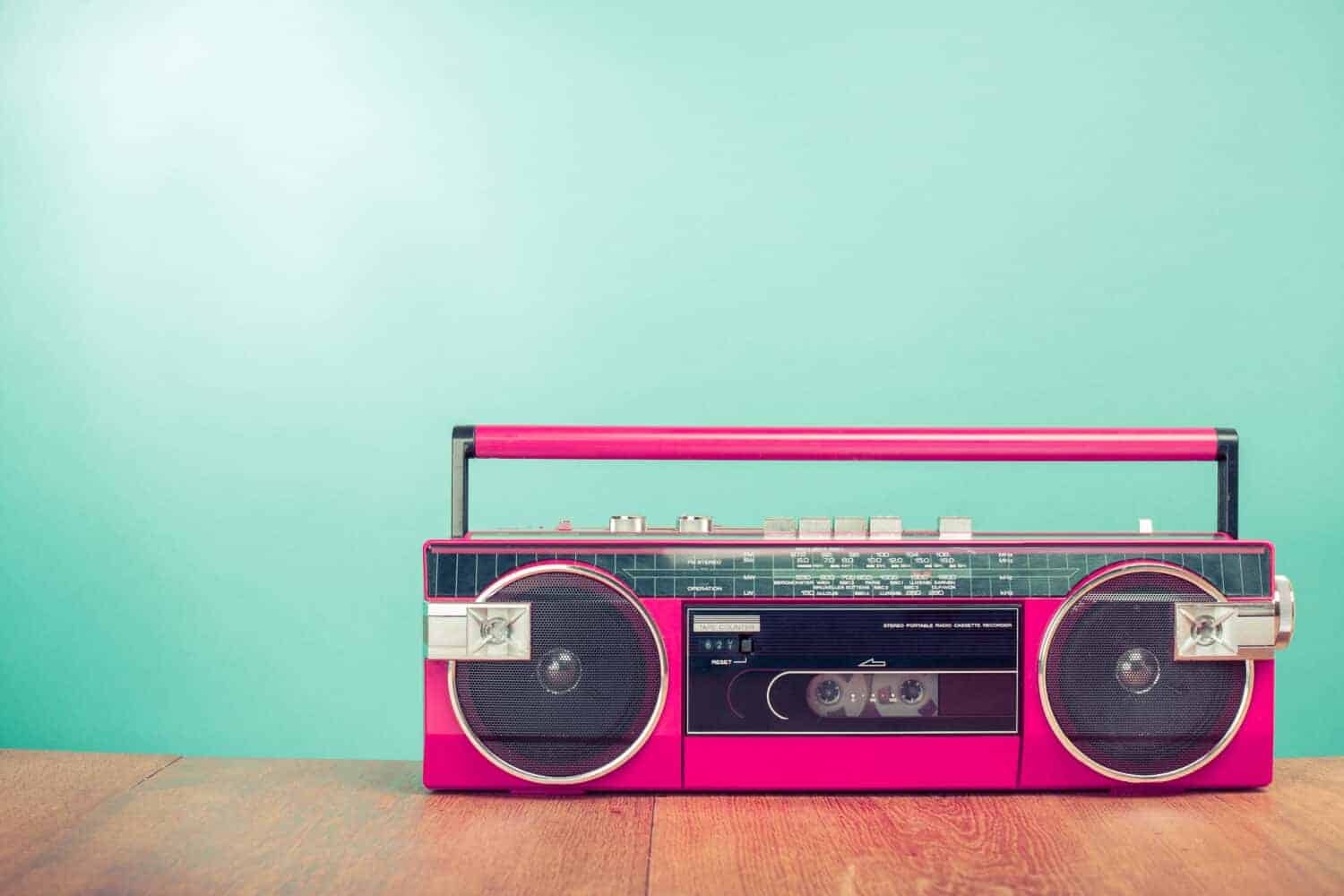
Making Mix Tapes
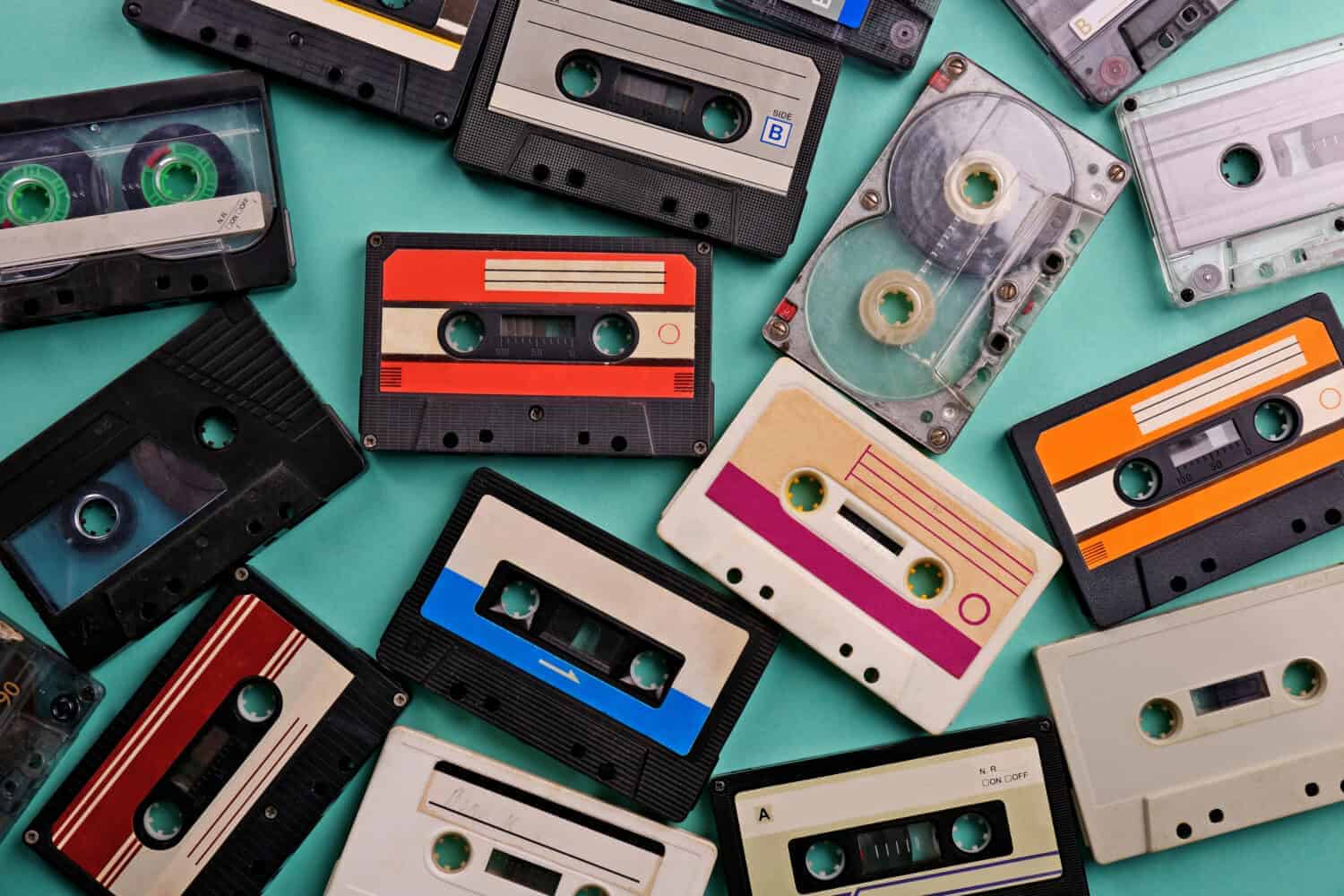
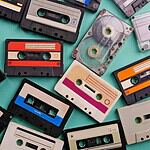
- Making a mix tape was an art form. You would sit by the stereo, and you'd have your blank tape ready. You would wait for the right moment and press record, not a second too early or too late, because that meant recording too much dead air or cutting off the beginning of the song. Spotify playlists take only twelve seconds to put together. Click the songs you like and skip the rest. If anyone made you a mix tape, you knew that it came at the cost of their time and patience.
Hand-Clapping Games and Jump Rope Rhymes
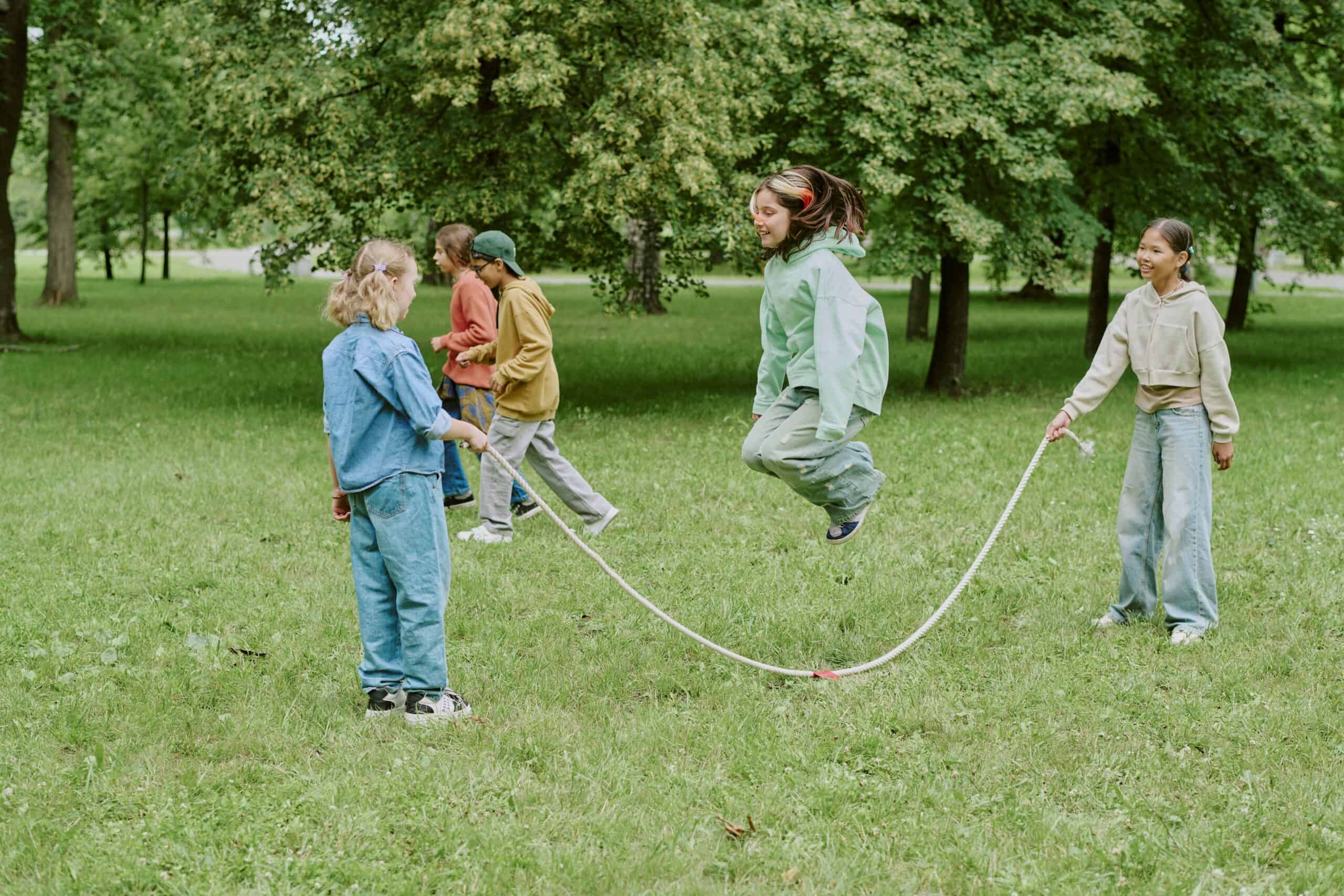
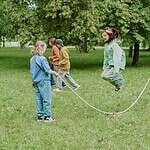
- There were no set rules, no universal songs. Everything was local, and that was part of the appeal. Miss Mary Mack, or double-dutch jump rope games, got passed from kid to kid, playground to playground. You'd stand across from a friend, clapping out a rhythm while chanting words that didn't always make perfect sense. It got faster and faster until somebody messed up.
- Kids in different areas ended up playing the games differently. Even in the same school, each group had its own variations or slight differences in words or rhythms. Since there wasn't any original to refer back to, your group's version was usually considered the right version. The rest were just knock-offs. An entire oral tradition existed inside elementary schools, and it spread faster than anything online ever could, just with worse audio quality.
Looking Things Up in an Encyclopedia
- If you wanted to find something out and the grown-ups weren't around to ask, you would check the encyclopedia. Assuming that you had one. It was a collection of thick books, placed alphabetically on the shelf. They were there ever since you could remember them, and already out-of-date by the time you ever skimmed through them. You checked your topic and based your opinion on what you found written in those books. There was no scrolling, no hyperlink, no "see also," no ChatGPT. You read the page, and that was the answer you had. Sometimes you weren't even looking for anything, you'd just flip to a random page and start reading because there was nothing else to do.
Playing Outside Until the Streetlights Came On
- The streetlights turning on was the curfew signal for an entire generation of children. When those lights came on, it was time to pack it up and head home. It worked. Kids would be roaming the streets in groups for hours on end, unmonitored and unchecked, no cellphones, and the only thing that proved their existence was being present at the dinner table. No notification, no text, just a light in the sky, like the Bat-Signal. When it came on, they would sprint home to make it in time for dinner.
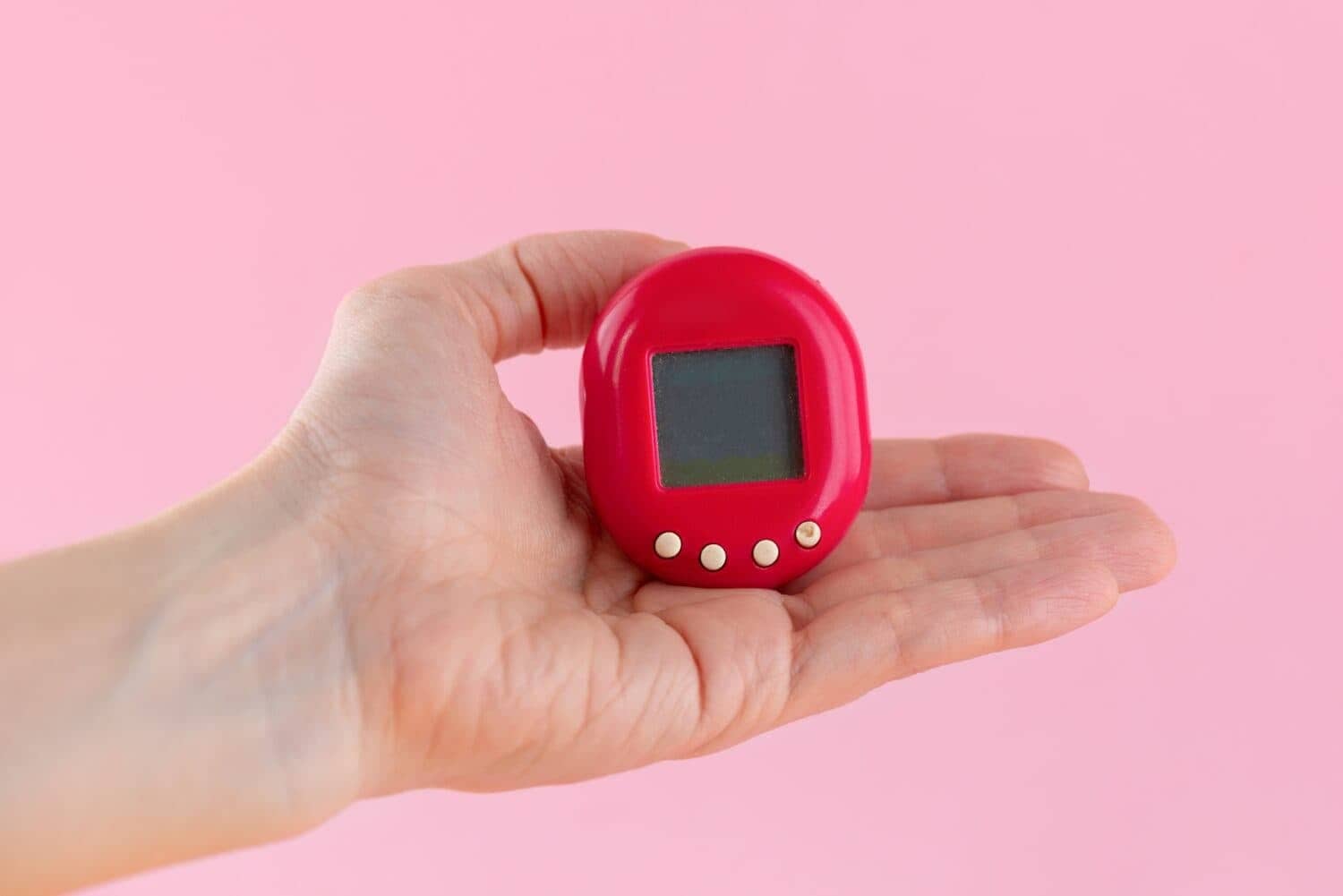
Caring For Your Tamagotchi
- A Tamagotchi was an egg-shaped electronic toy with a tiny screen where a digital pet lived. That pet needed to be fed and cleaned. You also needed to play with it to keep its spirits up. That all happened according to its own schedule, not yours, and there was no pause button either. If the thing was hungry and you were not there to feed it, it just sat there getting hungrier. If it got too hungry, it died. No notification. You would find out whenever you checked.
- They were banned in schools, but kids still sneaked them into school, hiding them in their pencil cases, with the danger of having them confiscated by the teacher during the day. Tamagotchis are still around, but the new ones pause when you're not looking. The old ones didn't care if you were busy.
Waiting for Your Favorite Song on the Radio
- Back then, if you wanted to listen to your jam, you had to wait for it. That meant keeping the radio close and being on the lookout. When the song came, you'd drop whatever you were doing and run to the radio. You would sit through the songs you didn’t care about, the commercial breaks, but it was worth it. When the song hit, it felt like it had been earned. Sometimes, you would discover gems you didn’t even know about. Kids don’t get that these days. They have never once had to wait for music. This wasn’t supposed to be a fun activity but somehow it was. Sometimes a friend would call to say a song was about to play, and you'd both run to your radios at the same time, in different houses, listening to the same thing together without even being in the same room.
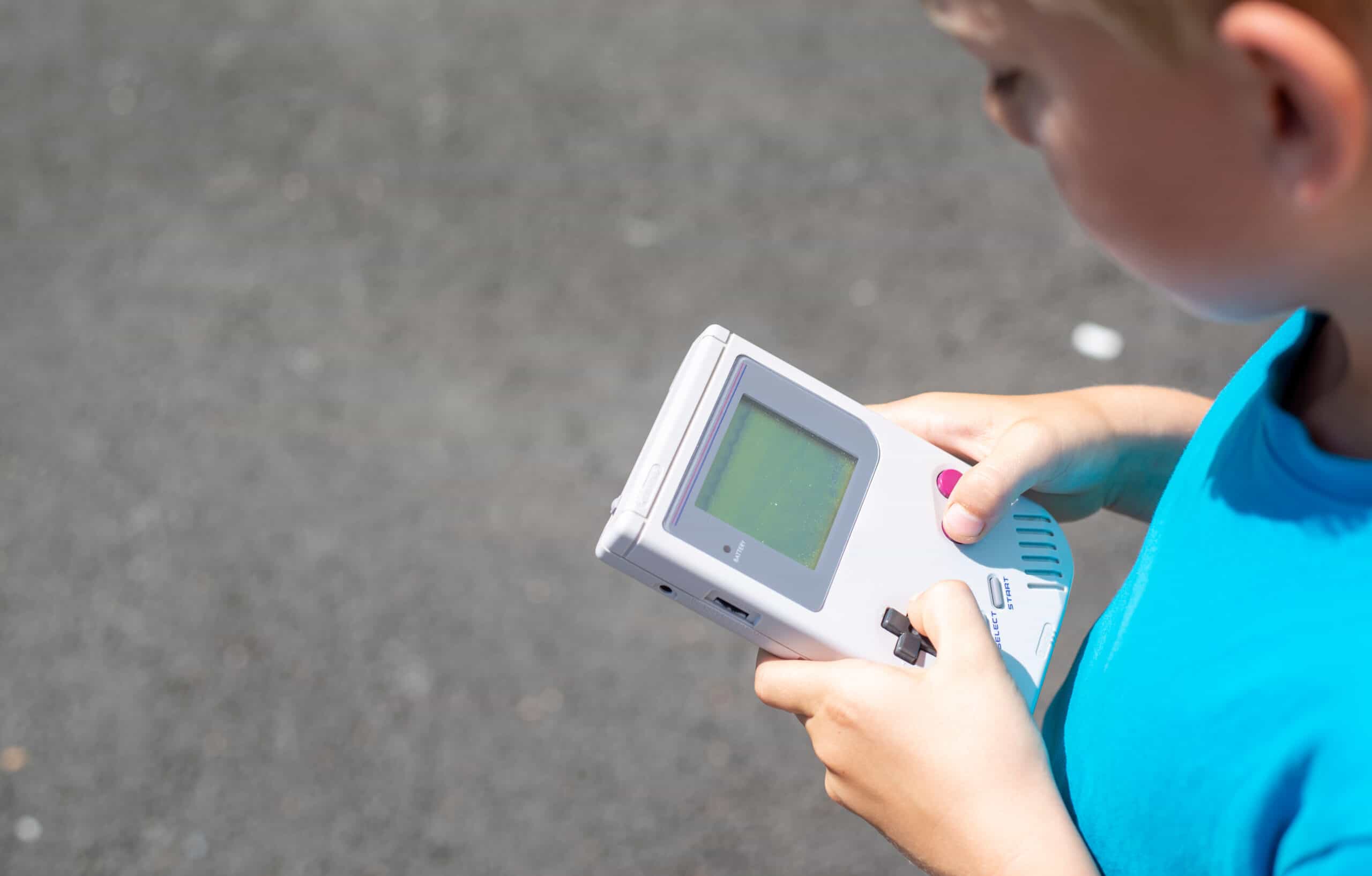
Game Boy on Road Trips
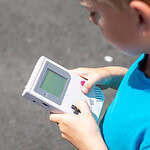
- Before phones, a long car ride meant one thing: The Game Boy was coming along. You couldn't forget the extra batteries, because those things would always die at the worst possible times. If you forgot to pack the spares, that's it. You were done for the day. There was no backlit screen either, which meant that you had to keep moving the device around to find a light source that would actually let you see what you were doing.
- There was only one Game Boy and more than one kid, which meant fights over whose turn it was to play, and there was no way to plug in a second screen. One Game Boy, one kid, and everyone else just had to look out the window.
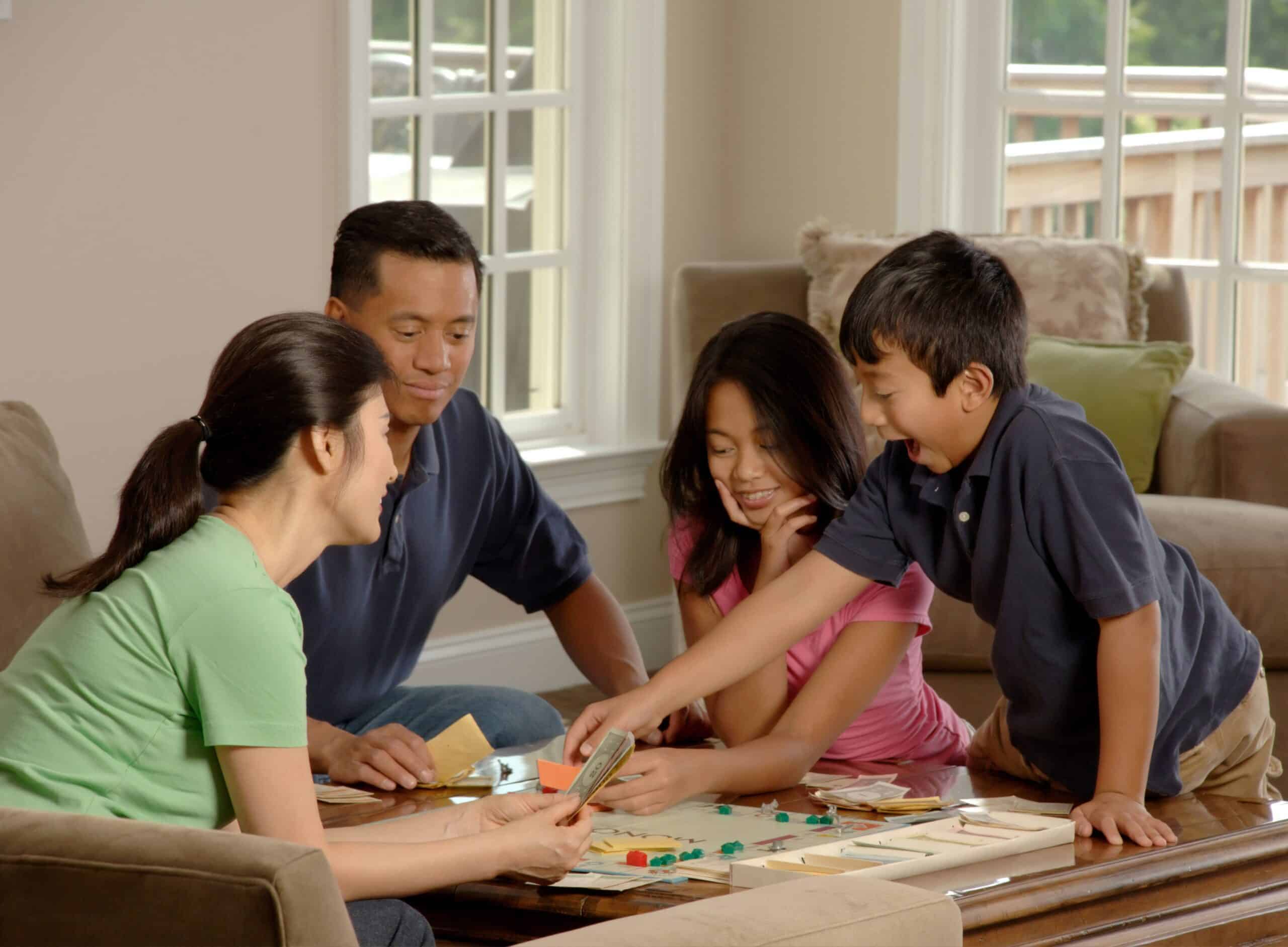
Playing Board Games That Took Hours
- Video games replaced table games in most households, but for a long time, games like Monopoly and Clue demanded quite a lot of time from those who played them. In Monopoly, one could spend hours, sometimes even more than one session, on one match. The rules would be questioned, and the board would sometimes be overturned by a disgruntled player. These games took patience, but it paid off. You were in a room with the people you loved, and the game was just the excuse to get together.
Passing Notes in Class
- Before texting, communication between students while in school took place via notes written on paper, which were then folded into tiny squares and passed from person to person until they reached their destination. There was always the risk that a teacher would confiscate them. The contents were usually mundane at best, but passing notes was anything but. There were real stakes involved. If you got caught, your teacher could always read them out loud for everyone to hear. The paper was also evidence that you said what you said, physical and recoverable. Kids today send messages that vanish. Notes were permanent and could be confiscated.
The Friday Night Video Store Run
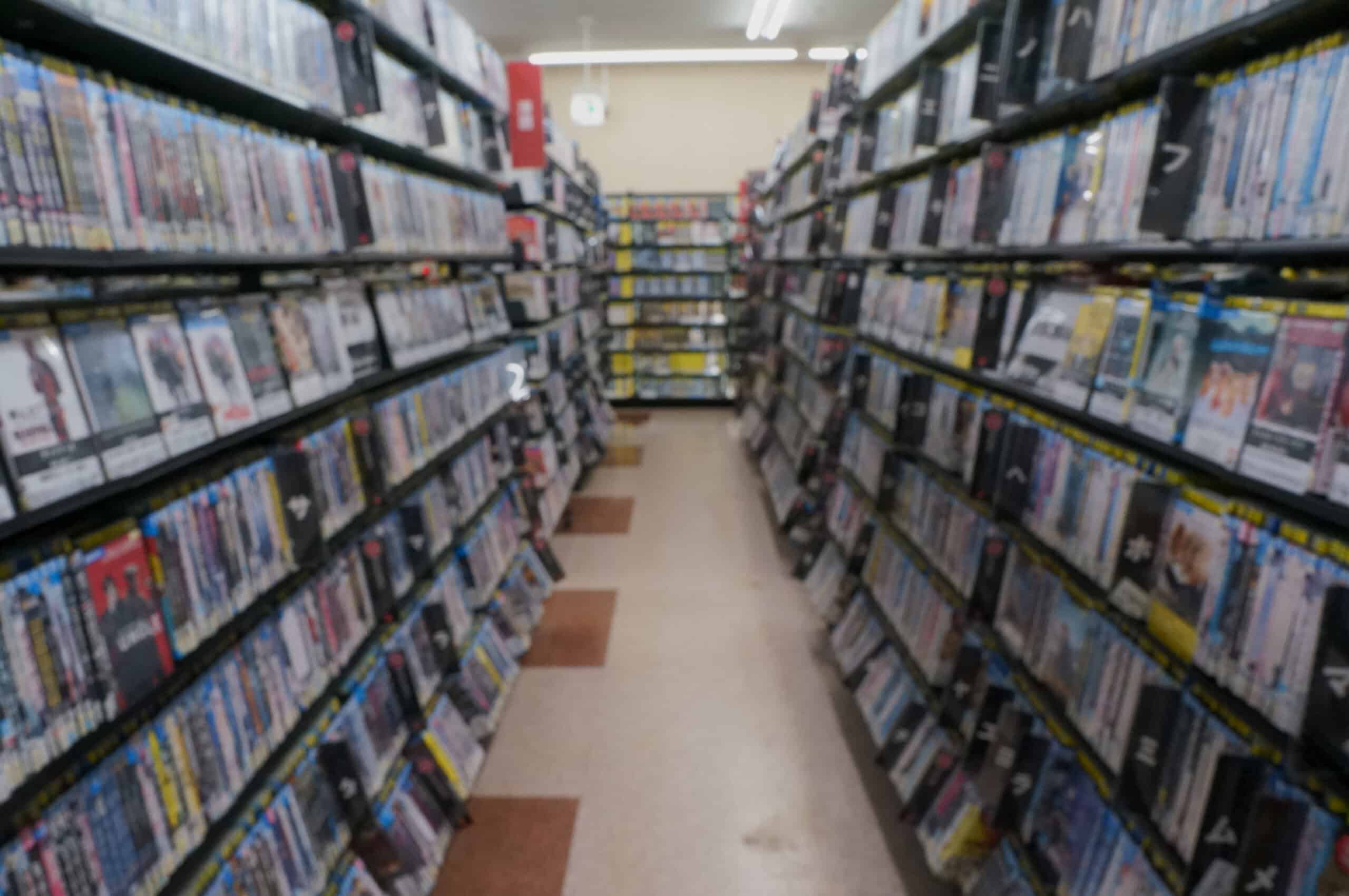
- Movie night on Friday meant one thing and one thing only: Blockbuster. You would go down all aisles, look at every shelf, grab boxes, read the description on the back, and finally choose something that everyone would be relatively okay with. Of course, everybody had an opinion, so the whole process could take longer than the actual movie. You could pick something you had never heard of just based on its cover and you could either end up finding your new favorite movie or just sitting through something horrible. Whatever you picked, that was the movie for the night.
Going to the Arcade
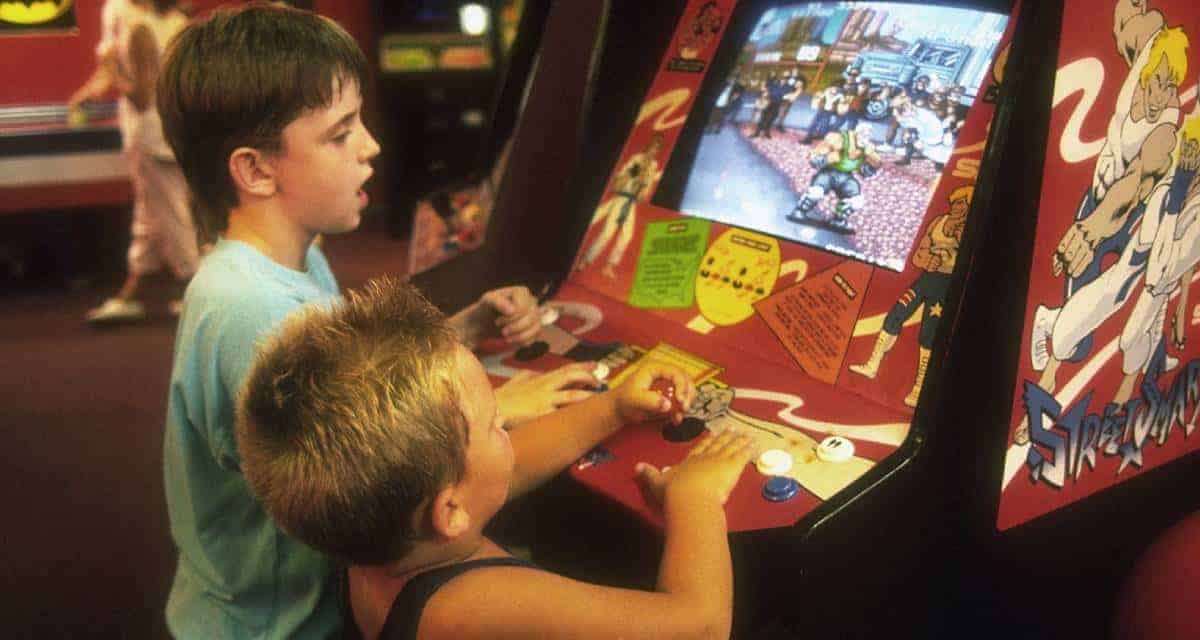
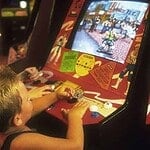
- They were dark, loud, crowded, and awesome. Filled with machines that ate up your hard-earned (or hard-begged) money regardless of how well you did until you had nothing left. If you were particularly good at certain things, people would gather around you to bear witness to your glory. If you were one of the best, you got to digitally engrave your initials on the machine’s high score and become a sort of unknown legend to the people who would later try to beat it.
- Some games had a reputation for being fixed or having a glitch that everyone knew about. Some just took your money for basically no playtime. Kids playing games on their consoles will never know how high-stakes a game can truly be when your last quarter is on the line.
Trading Physical Pokémon Cards (and Other Collectibles)
- Card trading took place face-to-face on cafeteria tables and playground benches, using tangible cards that had tangible wear and tear. A creased holographic card was less valuable than a flawless one. Your collection felt like yours because of this tactile experience. Kids still collect Pokémon cards today, but back then there were no market prices to look up, no professional grading services, no way to verify what anything was worth beyond what the kid across from you was willing to accept. You traded a card, you received a card, and whether or not this trade was equitable was based on your trust. A rare card in a small school was actually rare.
Channel Surfing
- Unlike the internet, where videos are in no short supply, TV channels were usually pretty limited, and you could easily go through all of them in fifteen minutes looking for something decent to watch. Sometimes you weren't even looking for anything, you'd just flip through out of habit. You'd land on something halfway through, with no real idea what the show actually was, and just stop there because going back to flipping felt like more effort than it was worth. There was no algorithm trying to guess what you wanted to watch. Since you didn't know either, channel surfing was the next best thing.
Hanging Out at the Mall With No Particular Purpose
- The mall was the spot. Sure, you would go there once in a while to buy something you needed, but more often than not, you would just hang around. Going to the mall on a Saturday afternoon with friends meant walking around, visiting the food court, looking at the store windows, and leaving empty-handed, not because you didn’t find what you wanted, but because you were never there to shop in the first place.
Writing in a Diary with a Lock and Key
- You poured out your heart, telling stories about your everyday life, your heartaches, love, whatever gossip was flying around the cafeteria, and did it knowing that no one was ever going to read it. Hopefully. There was always the chance of your brother finding it and reading it out loud to the rest of the family, but that was just part of owning one. Every kid who owned a diary also owned a small gold key to go along with it (and possibly lost it within a week). There was no cloud backup, no password reset. If you lost the key, you pried it open with a butter knife, and the diary still felt like yours. Nobody's diary today gets broken into with a butter knife.
Building Forts Out of Couch Cushions or Blankets
- Every couch in the house was fair game. Cushions came off, blankets got draped over chairs, and in about twenty minutes, the living room looked like a total war zone with a tunnel running through the middle of it. It wasn’t planned either. You just started building. Your parents would enter the room and see the entire living room rearranged, but you'd negotiate keeping it up for one more night. Sometimes it worked.
Playing Kick the Can at Night
- All you needed was a streetlight, a can, and enough kids to make it worth playing. One kid would watch over the can, while everyone else scattered into the dark, hiding behind cars, bushes, whatever the block had to offer. Get spotted and you were caught, unless you could sprint back and kick the can before anyone tagged you, in which case everyone who'd already been tagged got another try. Games could run across backyards and driveways nobody had asked permission to use. There was no app, no group chat deciding who was playing. You just showed up outside and went from there.
Riding Bikes Across Town With No Way to Call Home
- When you decided to go somewhere on your bike, that meant total blackout. Noone knew where you were, and no one could call you up. In case of trouble, you would sort it out yourself or knock on someone's door to borrow their phone. Children back then knew that when they left home, they couldn’t be reached. This was okay with their parents since there wasn’t really anything they could do about it. The bike guaranteed complete freedom and it meant you were responsible for yourself.
Reading the Back of the Cereal Box at Breakfast
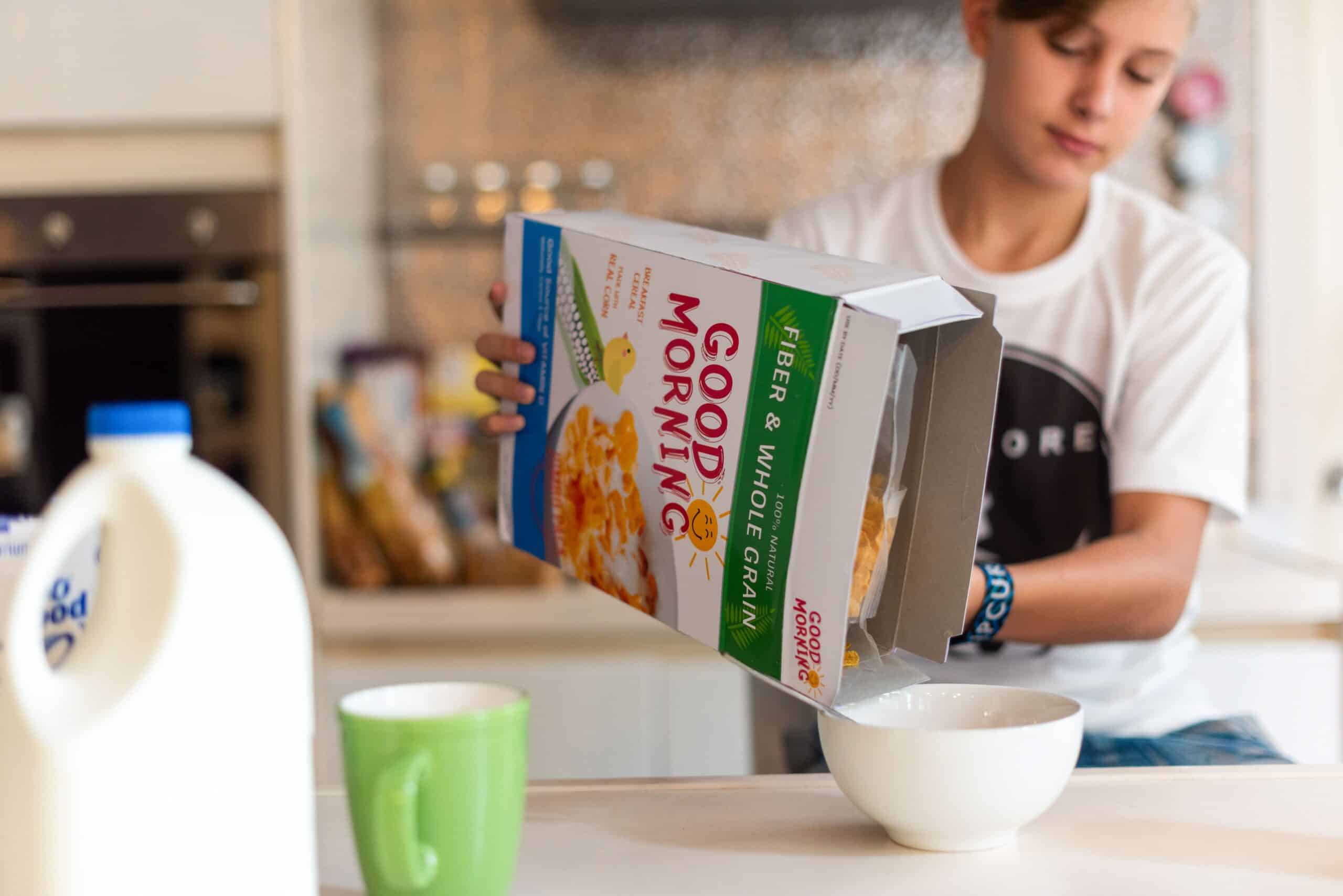
- Back when phones were nowhere to be seen at breakfast, the only reading material was anything that happened to be at hand, and that usually meant the cereal box itself. Children pored over ingredients, nutrition guides, puzzles on the packaging. The cereal box was not designed to be literature. It became literature by circumstance. A generation of kids knew more about the lore of Tony the Tiger than half the things they were supposed to be learning in school.
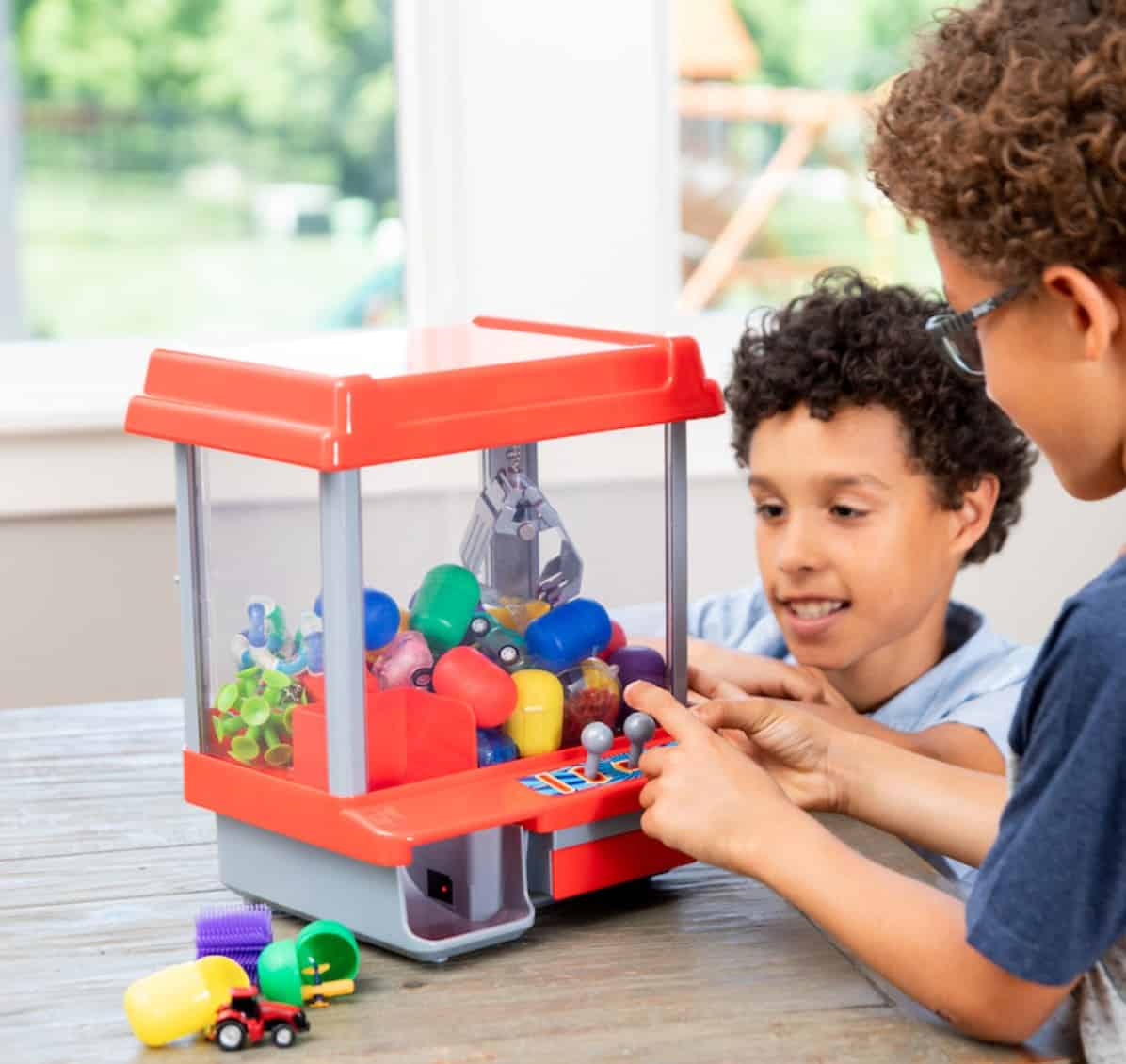
The image featured at the top of this post is ©Ashley Haugen / Fat Brain Toys – License / Original