









School Punishments From the ’60s and ’70s Parents Would Never Accept Today
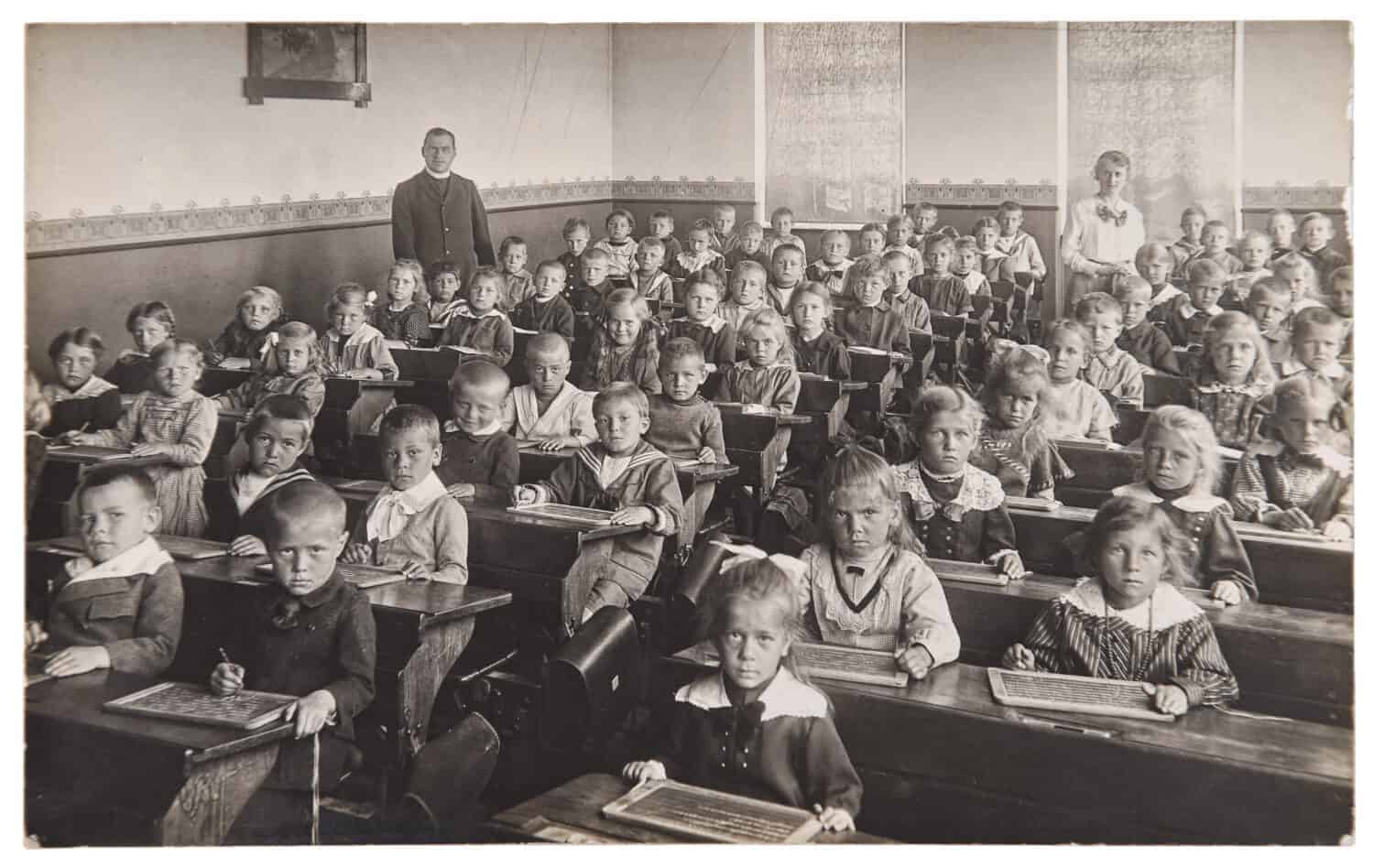
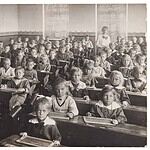
Anyone who went to school in the 1960s or 1970s probably remembers a very different classroom culture. Teachers and principals had far more authority than most students see today, and discipline was often handled quickly, publicly, and without much discussion. A child who talked back, broke a rule, or disrupted class might not just get a warning or a note sent home. In many schools, punishment could mean a paddle, standing in the corner, writing lines, or being embarrassed in front of classmates.
At the time, many of these punishments were considered normal. Corporal punishment was still common in schools, and plenty of parents accepted it as part of the system. In 1977, the U.S. Supreme Court ruled in Ingraham v. Wright that school corporal punishment did not violate the Eighth Amendment’s ban on cruel and unusual punishment, since that protection applied to criminal punishments rather than school discipline.
That ruling may be only a few decades old, but attitudes around school discipline have changed dramatically. Practices that once happened in classrooms, hallways, or the principal’s office would now spark outrage, investigations, lawsuits, or immediate calls for a teacher’s removal.
Here are 12 school punishments from the ’60s and ’70s that would be almost impossible to imagine in most classrooms today.
Switching (And Cutting Your Own Switch)
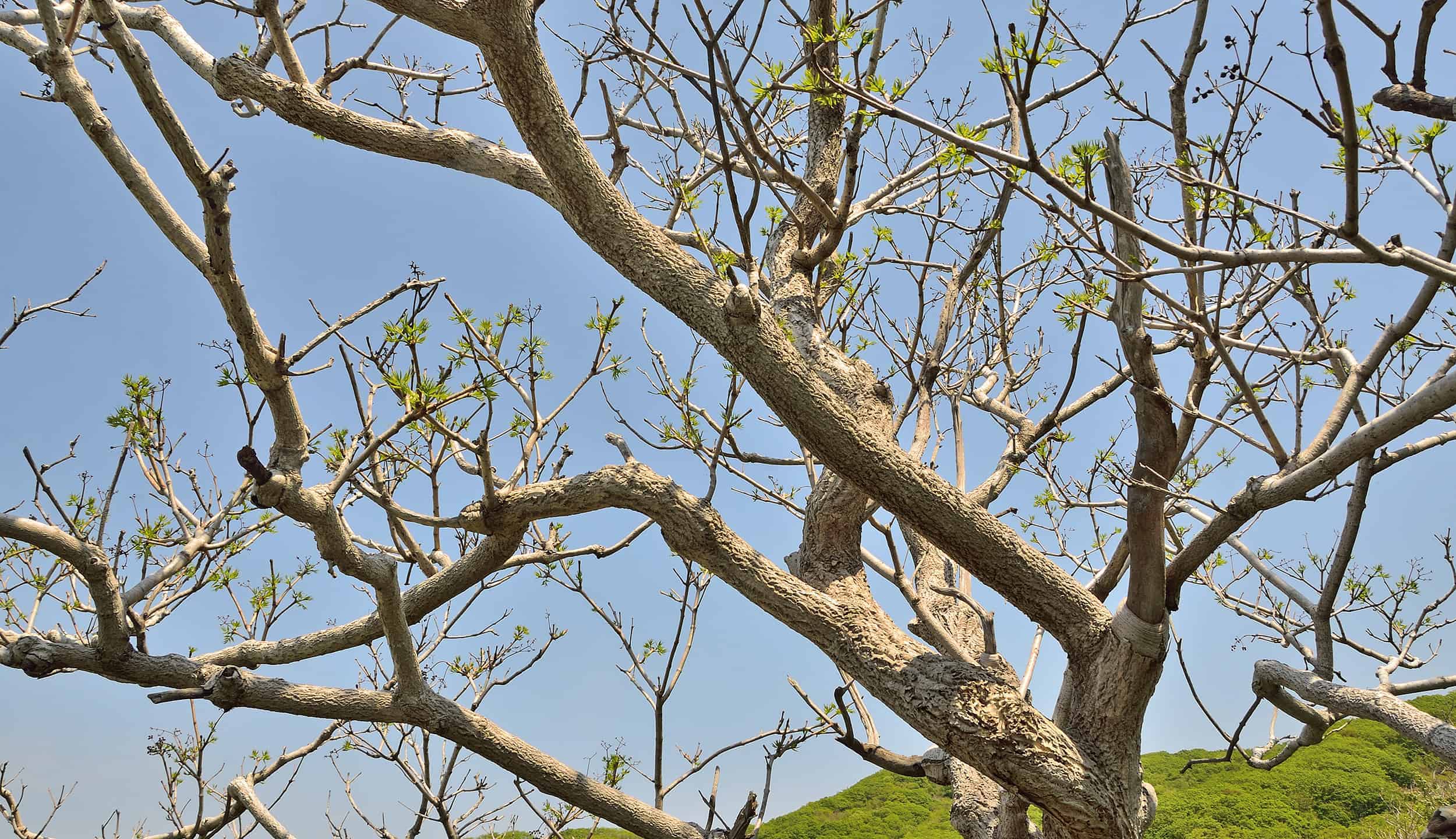
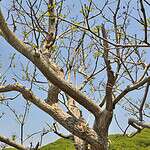
Sometimes, the use of the ruler and the paddle were substituted by a switch, a flexible branch cut from a tree that teachers used to hit students on the legs or on the back of their thighs. The pain was sharp and immediate. What made the practice particularly striking was the ritual: the student was sent outside to cut the switch themselves. Choosing the right branch was no small matter. Kids had to choose a branch that was neither too thin nor too thick. They were basically asked to engineer their own punishment.
The Ruler Across the Knuckles
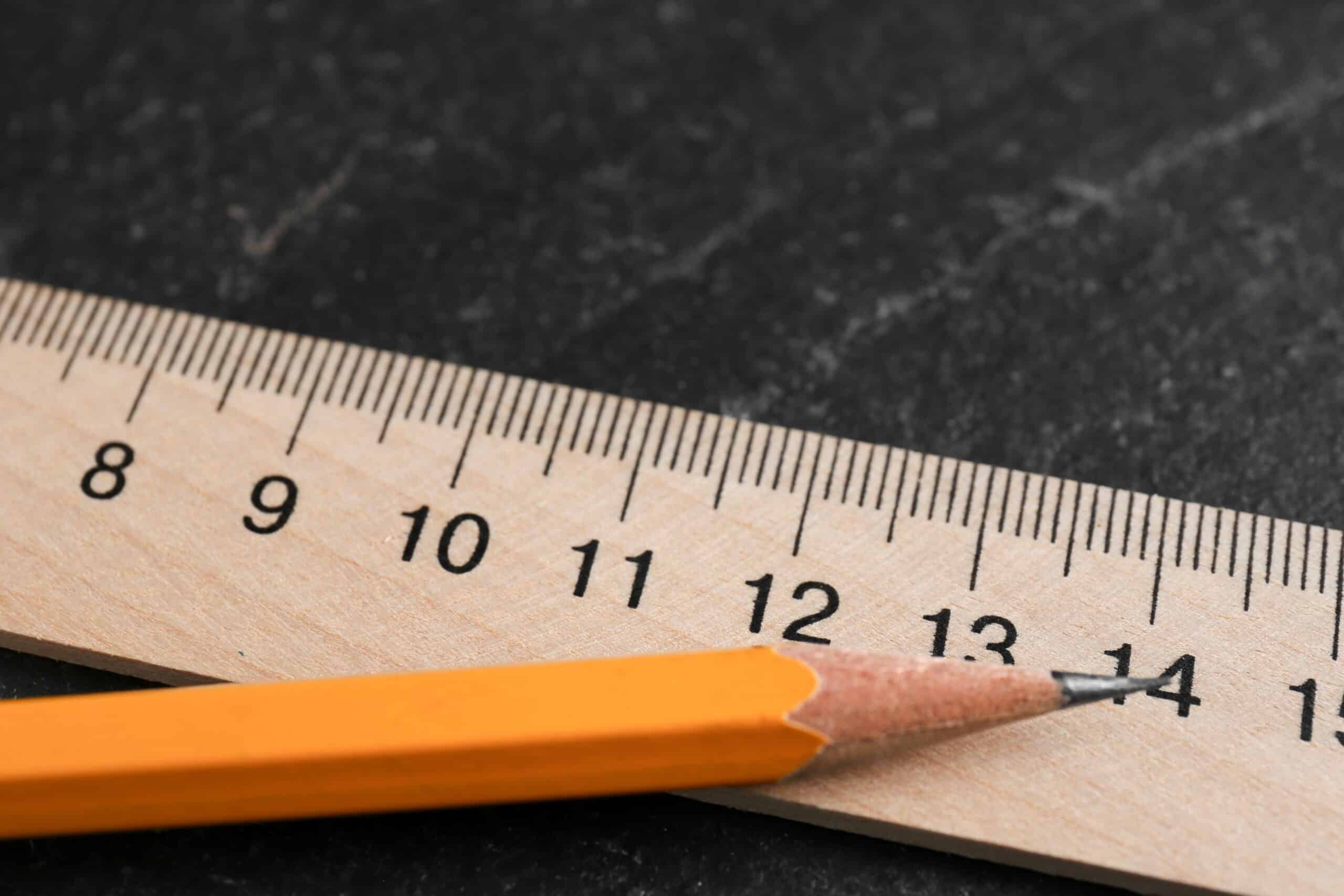
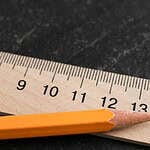
- If a teacher wanted to use the paddle, they would have had to take a quick trip to the office. But the ruler was ready to be used at any moment, which made it way more terrifying. Wooden rulers and yardsticks were readily available for quick smacks against children's palms or knuckles, and they were usually used for minor offenses like speaking without permission, giving an incorrect response, or even holding a pencil the wrong way.
- It was a common form of punishment that teachers used regularly in their classrooms. The ruler left marks, and those were regarded as an advantage rather than a disadvantage. Even after the pain faded, you had a visual reminder that would last you a bit longer.
The Wooden Paddle
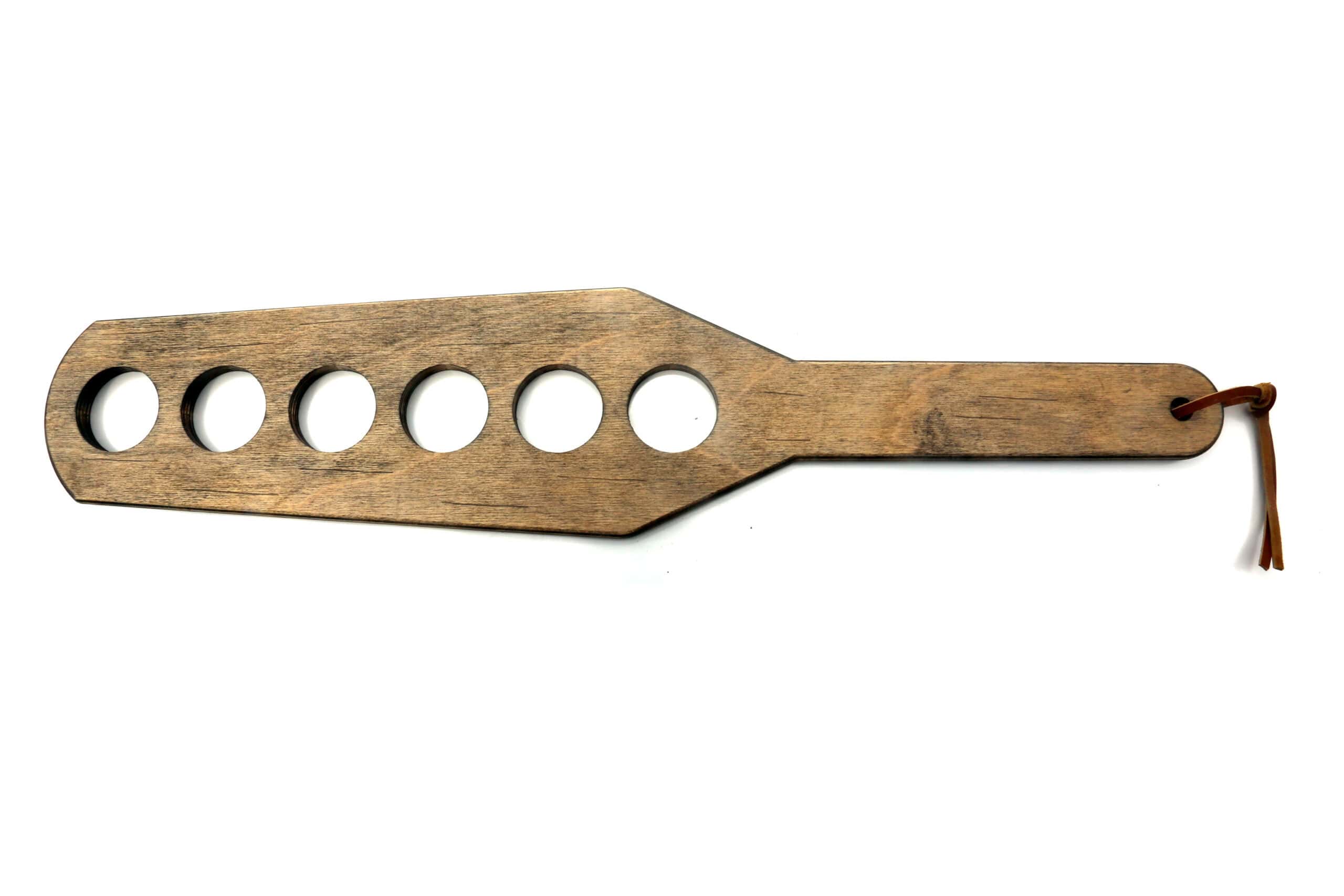
- The paddle was no mere makeshift weapon, improvised on the spot. No. It was the equivalent of standard-issued equipment at most American schools through the 1960s and into the 1970s. Those paddles were kept in the principal's office and sometimes displayed deliberately as a warning.
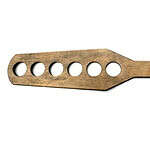
- They were usually made of wood, flat, about 18 inches long, and sometimes drilled with holes to reduce air resistance and increase the sting. That kind of aerodynamic design tells you just how efficient that piece of equipment could be. They were used on the buttocks of students as a punishment for anything from fights to talking during class.
- The courts didn’t see anything wrong with the practice either. In 1977, a Florida eighth-grader, James Ingraham, was held down and struck over twenty times for not moving quickly enough when ordered to do so by a teacher. He needed treatment and missed more than a week of school because of his injuries. His family sued, arguing it amounted to cruel and unusual punishment. The Court ruled that it did not. Corporal punishment was legal in most American states until well into the 1980s, and in some states, it still is.
Suspension for Hair Length (Boys Only)
- School districts across the United States had written, enforceable rules for how long a boy's hair could be in the early 1970s. In an official statement from Fort Worth, Texas, it was decreed in 1972 that male students' hair was to be maintained above the eye line, kept tidy and neatly groomed, and that sideburns could not go past the bottom of the ears. This was already a more lenient approach than what had come before, when hair was not allowed to touch a boy's collar line.
- Any young man who reported for class sporting long, Beatle-like hair would have been sent home immediately and ordered not to return until they got a proper haircut. As far as court rulings were concerned in this era, the Fifth Circuit Court of Appeals made it clear in the early 1970s that students had no constitutionally protected right to determine their own hair length in public schools.
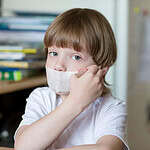
Covering the Mouth With Tape
Talking too much could earn you the tape back in the 60s. Teachers would tape children's mouths shut with masking tape and make them sit through lessons unable to speak or ask questions. The tape would stay on until the teacher felt the kid had learned his lesson. Sometimes that meant it would be an entire class. Nobody called it a health hazard. For the teacher, this was just another disciplinary tactic at a time when a teacher's power over a child's body was near absolute, and there wasn’t much thought given to the difference between discipline and humiliation.
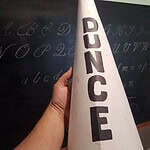
The Dunce Cap
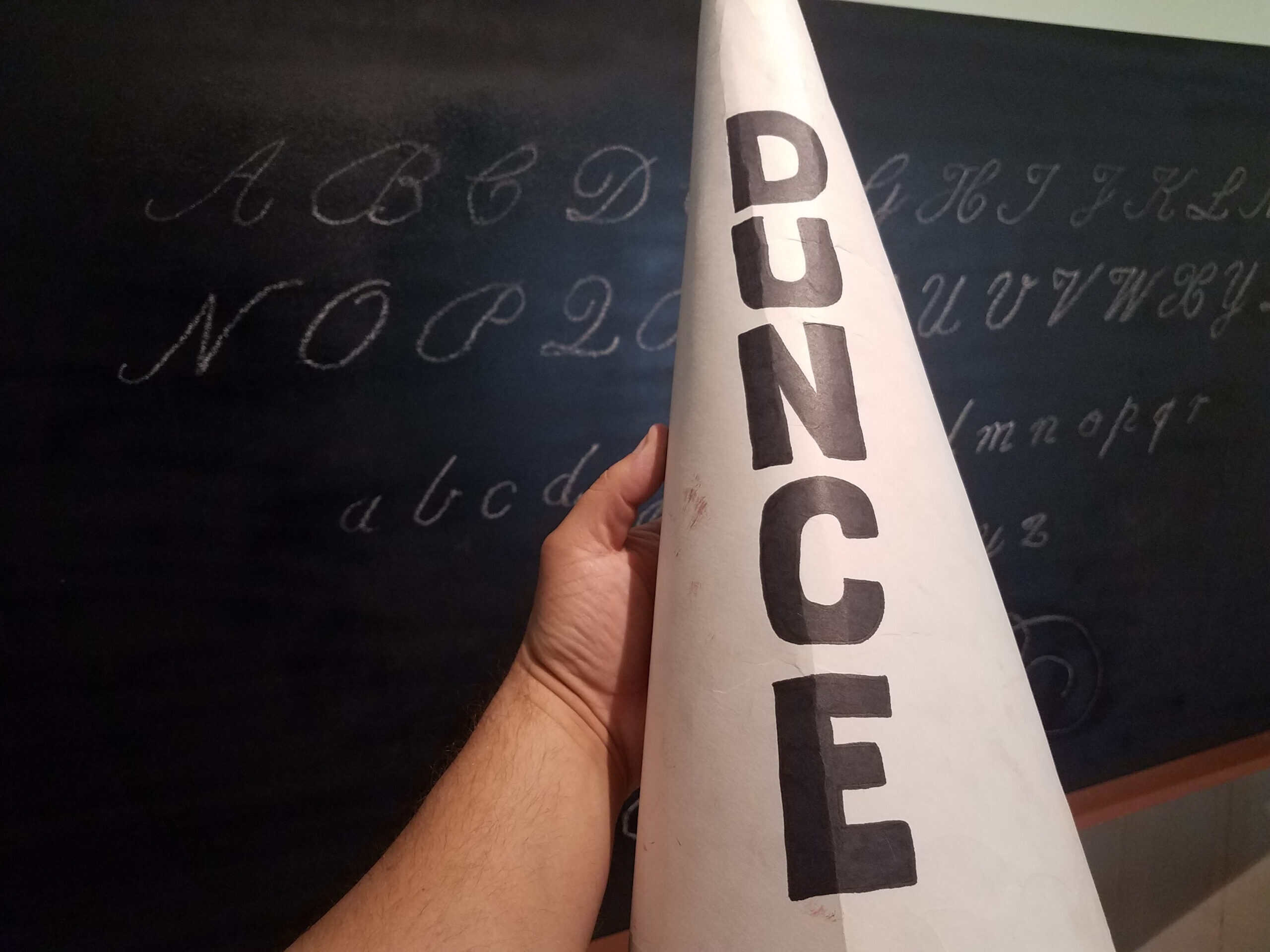
- Corporal punishment hurts the body. The dunce cap was designed to hurt something else. Something deeper. A child who was considered slow or who fell behind would sometimes have to wear a high conical hat and sit alone facing the class or the wall, for as long as the teacher said. Labeling the child was the punishment, since every kid knew what it stood for.
- While the tradition was on its way out in most urban and suburban schools in the 1960s, it continued to survive in some parochial and rural schools into the 1970s. Some caps would even have the word "dunce " written on them.
Kneeling on Rice or Corn
- This particular punishment was created to ensure that pain was inflicted with no visible signs to show for it. Students were forced to kneel on hard surfaces for lengthy periods of time and sometimes a small amount of uncooked rice or dried corn kernels was spread across the floor to create a rough texture. The pressure applied to the knees would be painful from the get-go and grew increasingly worse over time.
- This type of corporal punishment was especially common in religious or military-type schools, where the logic of prolonged physical discomfort as moral correction was deeply rooted. The absence of visible marks was part of the appeal. Nothing to photograph, no bruising to explain.
Forced Right-Hand Writing for Left-Handed Students
- Being left-handed was treated as a problem that needed to be corrected through most of the twentieth century, and American schools were still actively enforcing this view well into the 1960s. Left-handed kids had to switch sides. This process involved instruction, repetition, physical intervention (such as tying the hand to the back), and penalties in case the kid went back. Writing with the wrong hand was punishable with a hit of the ruler or a letter to parents.
- The consequences of such practices were well-researched according to contemporary standards. Stuttering, learning difficulties, and persistent anxiety were linked to forced switching in multiple studies from the mid-century onward. Schools largely continued the practice regardless.
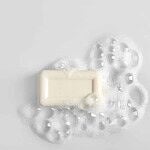
Washing the Mouth With Soap
- The logic was simple enough. If you had a dirty mouth, it would need to be cleansed. Getting soap rubbed onto the mouth was a common punishment for swearing, backchatting, or telling a lie. The teachers would rub bar soap across the teeth and tongue of the student. In some cases, the soap was inserted in the mouth of the child and kept there for a few minutes.
- It was an ordinary household soap. Not exactly edible, so the side effects ranged from nausea to vomiting to allergic reactions. It wasn't exclusive to schools either. It was a pretty common punishment in households at the time, which is part of why it stuck around for so long in schools.
Hallway Isolation, Unsupervised
- Standing in the hallway seems fairly tame in comparison with the other entries on this list. However, it was, in reality, worse than it sounds. When students were removed from the class and put on the hallway, the kid would just stand there, unmonitored, until the end of class. In some cases, the punishment was extended for hours at a time. The child simply waited, alone, in a corridor.
- The key danger in this sort of punishment was not the standing itself, but the lack of supervision. Occasionally, students were actually left in the hallway all day. For young kids, this meant being left alone without any idea of how long they were going to have to wait until they were allowed to return. That added a psychological edge to what looked, from the outside, like a benign consequence.
Holding Books With Arms Extended
- This was a sustained stress position dressed up as classroom management. The student would hold a stack of heavy books with both arms extended straight out in front of them. He would do fine during the first few minutes. In five minutes, however, the arms would begin to tremble, and some kids would lose their balance and fall or drop their books before the 10-minute mark. Teachers used the exercise as a group punishment (the whole class holds until someone confesses) and as an individual consequence.
- The punishment left no marks, required no equipment, and could be administered in front of thirty other students as a demonstration of what compliance looked like and what its absence could cost. An effective power play.
Writing Lines, Hundreds of Them
- "I will not talk in class," written 500 times, by hand, silently. This punishment was less about the physical aspect and more about the existential dread of having to sit for hours doing something as repetitive as writing the same thing over and over again. After a few minutes, the hand would start to cramp up as well. Some teachers made the students write lines standing up at the blackboard, with their arms stretched while holding the chalk. The student would fill up the board, wipe it, and start over.
- Finishing 500 handwritten repetitions of the same sentence took the better part of an afternoon, and repeated offenders would get repeated sentences, meaning they spent most of their non-school hours copying lines instead of doing actual schoolwork.
The image featured at the top of this post is ©LiliGraphie/Shutterstock.com