








15 Classic Songs Everyone Loved Until They Were Played to Death
There’s a special kind of burnout that only happens with music. One day, a new song comes on and you love it immediately. You turn it up in the car, add it to your playlist, and maybe even tell someone else they need to hear it. Then it starts following you everywhere. It plays on the radio, at the grocery store, during sporting events, in commercials, at weddings, and in the background of every other video online. Before long, those opening notes do not make you excited anymore. They make you reach for the skip button.
That does not mean these are bad songs. In fact, most of them became overplayed because they were so good in the first place. People loved them, radio stations played them nonstop, and brands figured out they could use them to grab attention. The problem is that even a great song can lose its magic when you hear it too many times.
Some of these songs have been impossible to escape for decades. Others burned out fast because they were everywhere all at once. Either way, they all followed the same path: beloved hit, unavoidable anthem, and eventually, the song people quietly got tired of hearing.
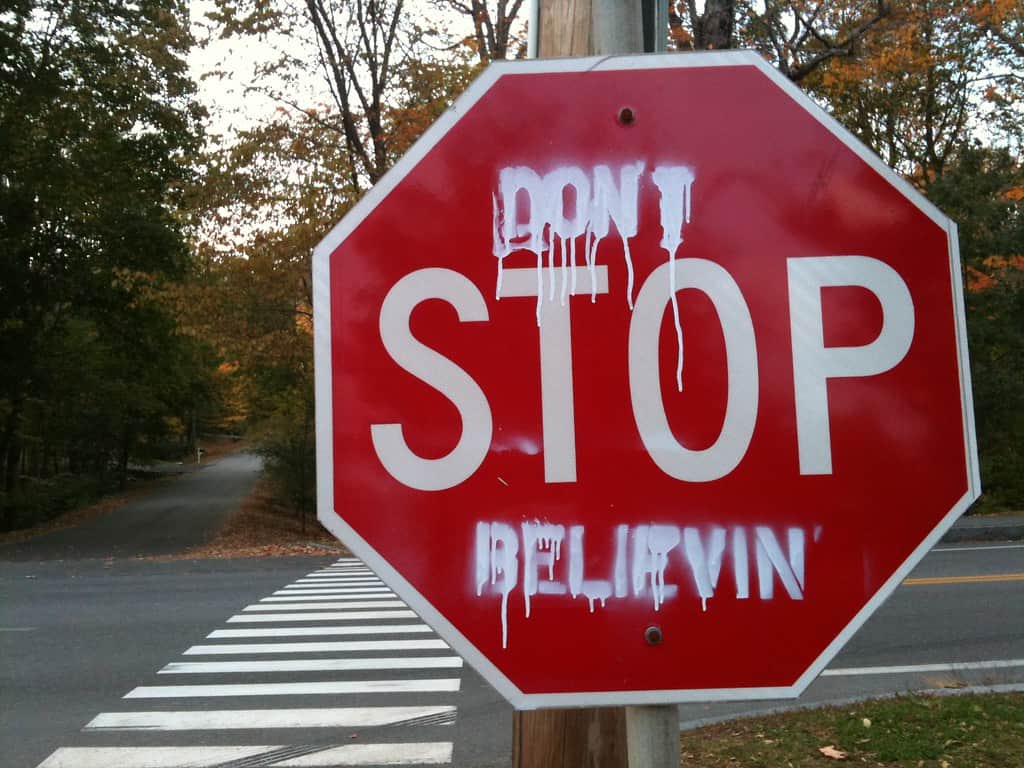
"Don't Stop Believin'" by Journey (1981)
If you grew up in the late ‘70s or ‘80s, Journey was just part of the background of life. You heard them in the car, at school dances, on the radio while your mom was making dinner, and eventually on every classic rock station that seemed to have the same 12 songs on rotation. “Don’t Stop Believin’” had that huge, hopeful feeling when it first came out. It sounded like a song for kids dreaming of leaving town, parents driving home from work, and anyone who needed a reason to keep going.
Then it came roaring back in the 2000s, especially after The Sopranos finale in 2007, and suddenly it was everywhere again. Sports arenas, karaoke bars, graduation parties, commercials, wedding receptions, and every other place that needed an instant singalong reached for the same song. It is still a great tune, but when a song becomes the anthem for absolutely everyone, it starts losing its original magic. For those of us who remember hearing it the first time around, there came a point where we quietly changed the station.
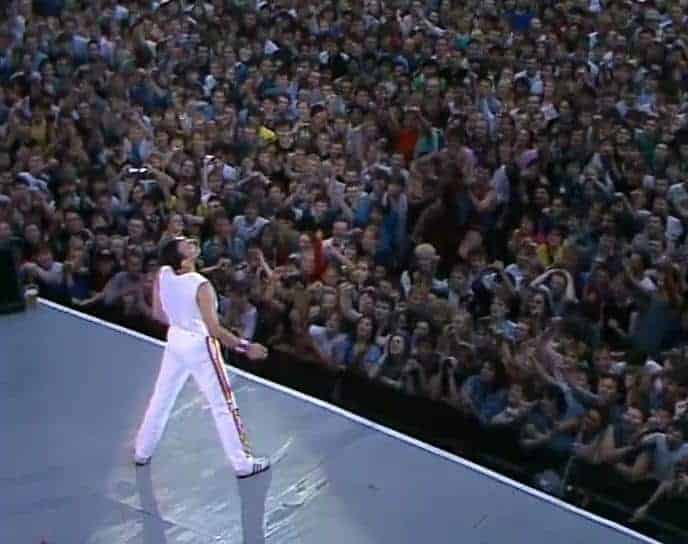
"Bohemian Rhapsody" by Queen (1975)
“Bohemian Rhapsody” is one of those songs that made you stop what you were doing the first time you really heard it. It was dramatic, strange, funny, theatrical, and completely unlike the other songs coming through the radio. For anyone who grew up in the ‘70s or ‘80s, Queen felt larger than life, and this song was proof that rock music could be weird, brilliant, and impossible to categorize all at once.
Then every new generation discovered it again. Wayne’s World gave it a second life in the early ‘90s, and the 2018 Queen biopic brought it back for another round. The problem is not that the song is bad. It is obviously not. The problem is that it has been treated like the only Queen song anyone is allowed to play. Radio stations, movie trailers, commercials, sports clips, and playlists all reached for it until it started to feel less like a song and more like a cultural obligation. We can admit it is a masterpiece and still wish someone would play “Somebody to Love” instead.
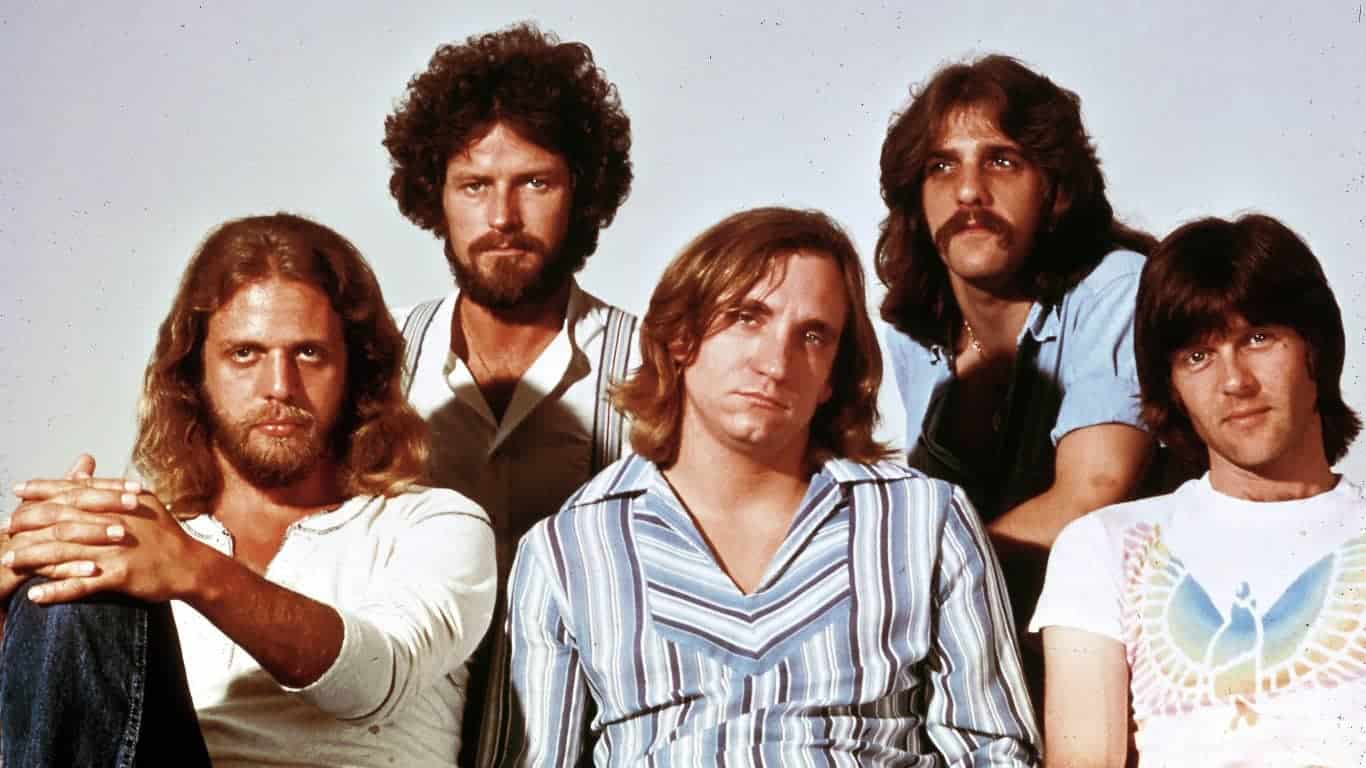
"Hotel California" by The Eagles (1977)
“Hotel California” was one of those songs that sounded mysterious and grown-up when you were younger. If you heard it from the backseat of the car while your parents drove at night, it had a whole mood to it. It was eerie, polished, and a little unsettling, with lyrics that felt like they meant something even if you were too young to know exactly what. Add in that famous guitar outro, and it is easy to understand why the song became such a classic.
The problem is that classic rock radio treated “Hotel California” like it was legally required to play it several times a day. What started as a dark, strange song about excess and disillusionment slowly turned into background noise at the dentist, the grocery store, and the waiting room. That is a shame, because the song really is beautifully made. But after hearing it for decades, it is hard to feel the same sense of mystery. For a lot of listeners, the opening guitar no longer feels haunting. It feels like a sign that you have about six minutes to run an errand before the song ends.
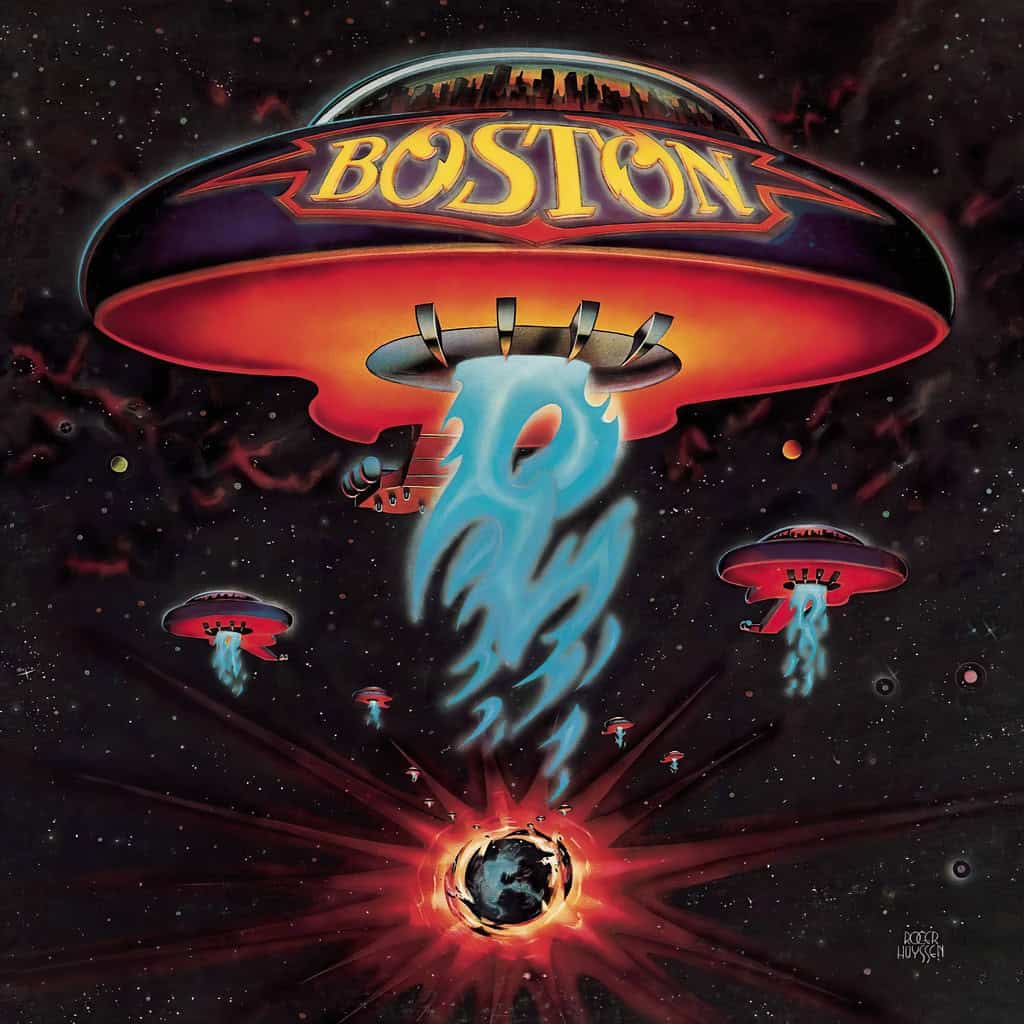
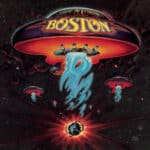
"More Than a Feeling" by Boston (1976)
“More Than a Feeling” has the kind of opening that instantly takes a lot of people back. If you grew up in the ‘70s or ‘80s, this is the kind of song you might remember blasting from a car radio, playing at a summer cookout, or coming through an old stereo while someone cleaned the house on a Saturday morning. Boston’s debut single was big, bright, polished, and almost too perfect. The harmonies were huge, the guitar sound was unforgettable, and the whole thing felt built to fill a room.
That perfection may also be why it became so overplayed. Radio stations could drop it into almost any classic rock block and know people would recognize it immediately. For years, they did exactly that. Eventually, “More Than a Feeling” became one of those songs you respected more than you wanted to hear again. It is not the song’s fault. It still has everything that made it great in the first place. But after decades of constant airplay, the emotional lift starts to fade. Instead of feeling nostalgic, it can start to feel like the classic rock station hit repeat again.
"My Heart Will Go On" by Celine Dion (1997)
For anyone who remembers 1997 and 1998, “My Heart Will Go On” was not just a song. It was an event. Titanic was everywhere, and this ballad came with all the drama of the movie attached to it. You heard it on the radio, saw the video on TV, heard people singing it at talent shows, and probably knew at least one person who owned the soundtrack. It was huge, emotional, and almost impossible not to get swept up in at first.
Then it simply never left. What began as a sweeping movie ballad slowly became the song that followed everyone into department stores, award shows, school events, and every sentimental video montage imaginable. Celine Dion’s voice is incredible, and the song fit Titanic perfectly, but there is only so much shipwreck-level emotion a person can take while buying socks. After years of nonstop use, the song became less romantic and more exhausting. At some point, even people who cried during the movie were ready to let this one sink quietly into the background.
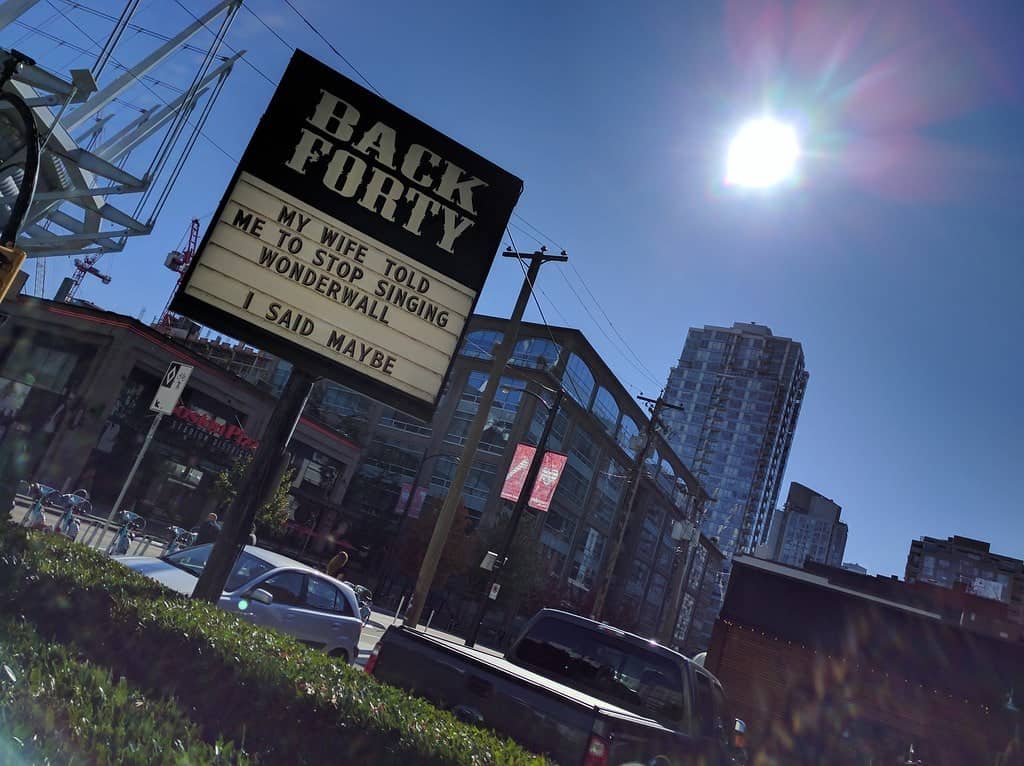
"Wonderwall" by Oasis (1995)
“Wonderwall” arrived in the mid-‘90s with the exact kind of moody, slightly messy charm that made it feel instantly important. If you were raising kids, driving teens around, or just trying to keep up with what younger people were listening to, this was one of those songs that seemed to be everywhere. It had a simple, emotional pull, and Liam Gallagher’s voice made it sound raw without trying too hard.
Unfortunately, the song was also easy enough for almost anyone with a guitar to attempt. That is where things got complicated. “Wonderwall” became the unofficial anthem of dorm rooms, open mic nights, backyard parties, and guys who knew four chords and somehow always found a reason to play them. The original song is still good, but years of rough covers made it harder to hear with fresh ears. It went from being a heartfelt ‘90s classic to the song people joked about before someone even started strumming. Sometimes the worst thing that can happen to a song is not that people forget it. It is that everyone learns to play it badly.
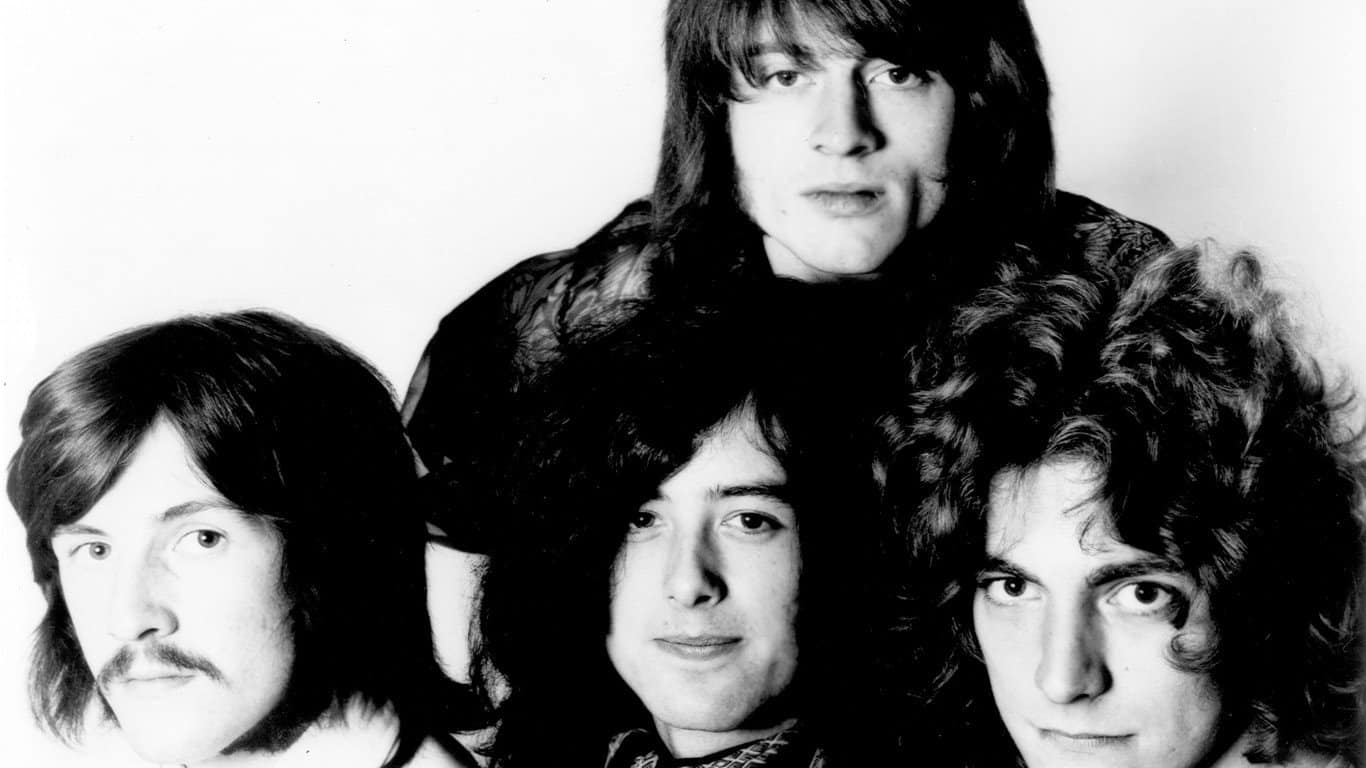
"Stairway to Heaven" by Led Zeppelin (1971)
“Stairway to Heaven” had already become legendary long before Wayne’s World joked about banning it in guitar shops. By the time that movie came out in 1992, people had been hearing the opening riff for more than 20 years. For anyone who grew up with older siblings, classic rock radio, or a dad who cared deeply about his record collection, this song had almost sacred status. It was long, dramatic, and treated like something you were supposed to sit down and appreciate.
The thing is, it really is one of rock’s most famous songs for a reason. It builds slowly, changes shape, and ends in a way that still feels powerful. But after decades of radio play, guitar store attempts, school talent show versions, and endless “greatest songs ever” countdowns, “Stairway to Heaven” started to feel less like a discovery and more like homework. You can respect it completely and still not want to hear it every time classic rock comes up. At this point, the song is almost too iconic for its own good.
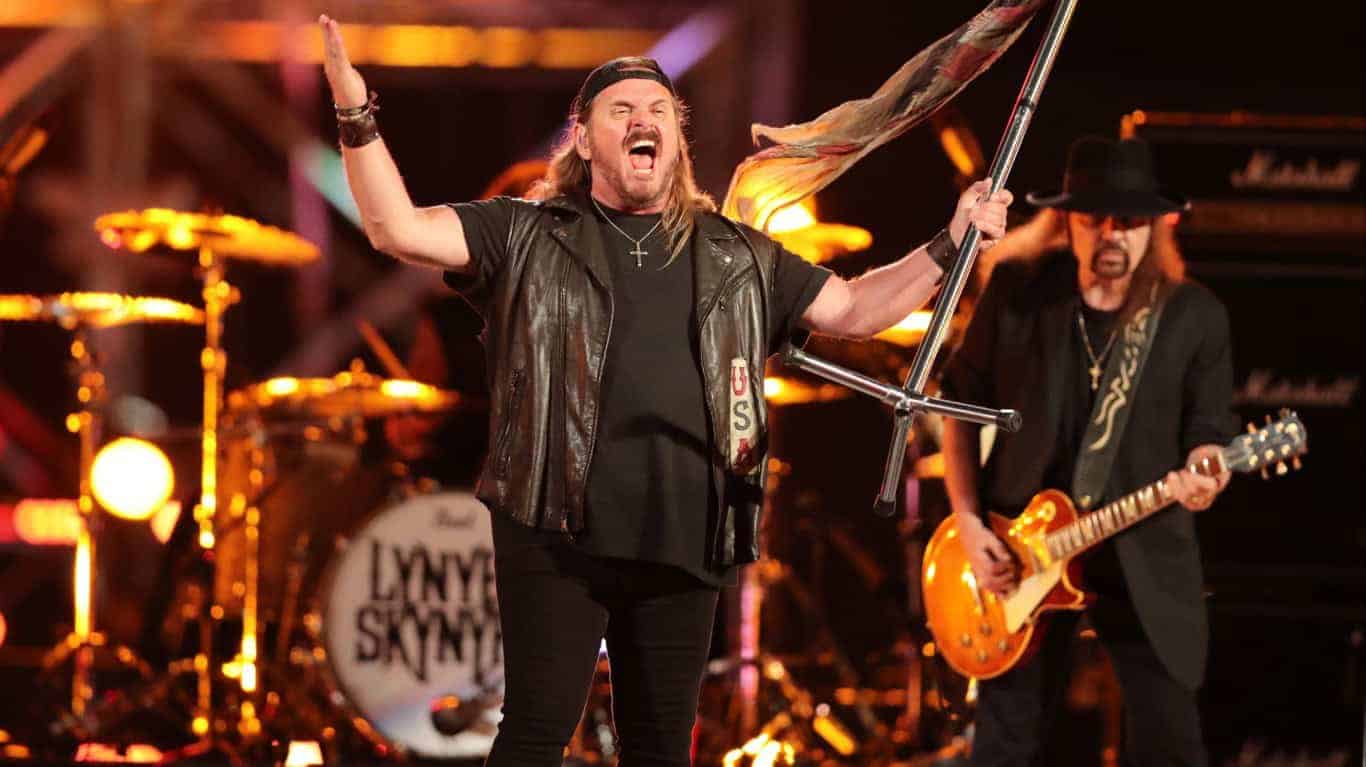
"Sweet Home Alabama" by Lynyrd Skynyrd (1974)
“Sweet Home Alabama” is one of those songs that can bring back a whole scene in your mind. It sounds like backyard parties, road trips, summer heat, and someone turning up the radio because “this is a good one.” When it first came out, it had sharp edges, a memorable riff, and a sense of regional pride that made it stand out. Lynyrd Skynyrd wrote it partly as a response to Neil Young’s criticism of the South, and that context gives the song more bite than people sometimes remember.
Over time, though, “Sweet Home Alabama” became less of a song and more of a shortcut. Movies, TV shows, commercials, stadiums, and event playlists used it whenever they wanted to signal “the South” in about three seconds. That kind of overuse flattened it. Instead of hearing the actual song, many people now hear the stereotype attached to it. For Southerners especially, that can get old fast. It is catchy, it is famous, and it still gets people singing, but it has been asked to represent an entire region for so long that the fun has worn thin.
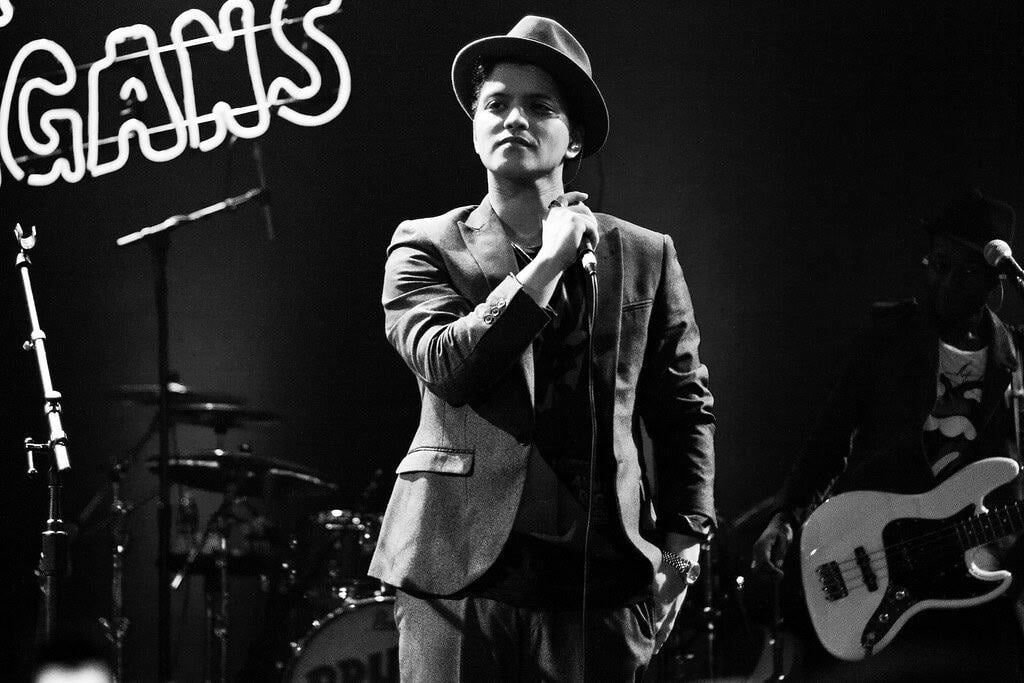
"Uptown Funk" by Mark Ronson ft. Bruno Mars (2014)
When “Uptown Funk” first came out, it was almost impossible not to enjoy it. It had a throwback groove, a big personality, and the kind of confidence that made people stop what they were doing and dance. Bruno Mars sounded fantastic, and the whole song felt like a welcome break from moodier pop hits. It was fun, polished, and instantly recognizable.
Then every wedding DJ, gym playlist, school fundraiser, corporate event, sporting arena, and morning show discovered it at the same time. For a while, “Uptown Funk” was the answer to every question. Need to get people on the dance floor? Play it. Need something upbeat for a highlight reel? Play it. Need background music for a commercial? Play it again. The song did exactly what it was designed to do, which is why people wore it out so quickly. There is still nothing wrong with it, but after hearing it at every event for years, the excitement faded. Now it is more likely to get a tired smile than a full dance-floor rush.
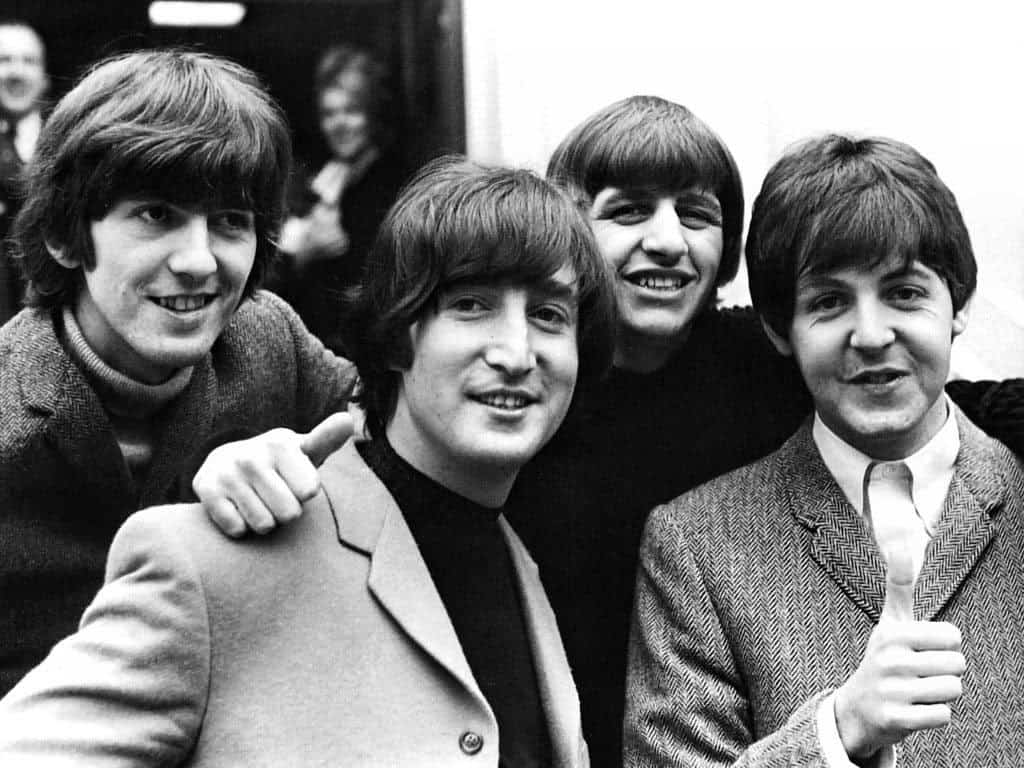
"Hey Jude" by The Beatles (1968)
“Hey Jude” is one of those songs that feels like it has always existed. Even people who did not grow up when it was released know the ending. If you were a kid in the ‘70s or ‘80s, this was the kind of Beatles song adults treated with real affection. It showed up on oldies stations, family record players, TV specials, and long car rides where someone always seemed to know every word.
It is a beautiful song, and Paul McCartney’s gift for melody is obvious from the first line. But “Hey Jude” also asks a lot from listeners. It stretches close to eight minutes, and the famous “na-na-na” outro takes up a huge part of that time. That worked when people were gathered around a record player or singing together in a crowd. It works less well when you are sitting in traffic, waiting for the song to finally wrap up. The problem is not that people dislike “Hey Jude.” Most people do like it. They just know exactly where it is going, and by the halfway point, many are ready to be there already.
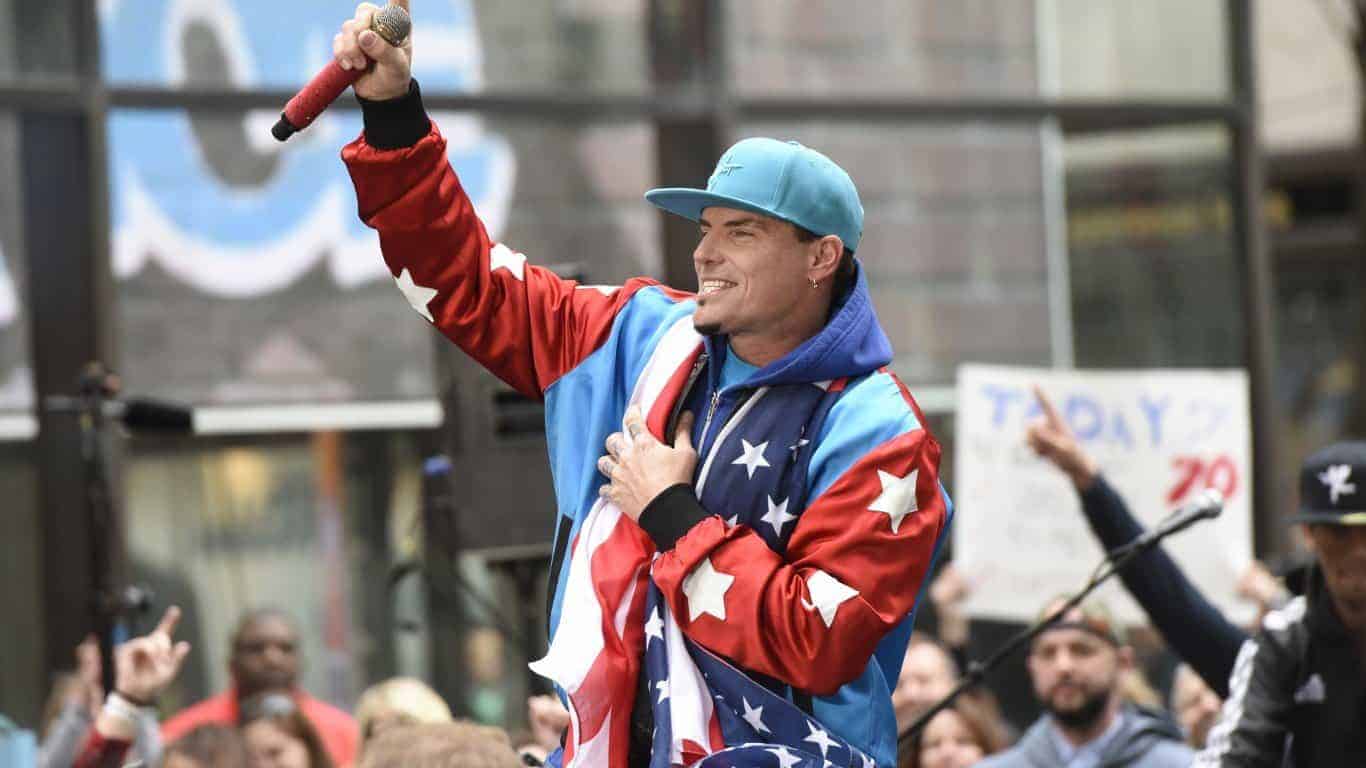
"Ice Ice Baby" by Vanilla Ice (1990)
If you were around in 1990, “Ice Ice Baby” was everywhere, and a lot of people who now roll their eyes at it absolutely knew the words. Kids loved it. Teens loved it. It showed up at school dances, on MTV, at skating rinks, and anywhere else pop culture was trying to look cool. The beat was instantly recognizable, the hook was impossible to miss, and Vanilla Ice had the kind of exaggerated confidence that made sense in that early ‘90s moment.
Then the song aged in a very specific way. The more people learned about Vanilla Ice’s image, backstory, and the controversy over the bassline from Queen and David Bowie’s “Under Pressure,” the more the whole thing started to feel less cool and more like a time capsule. That does not erase its place in music history, since it became the first hip-hop single to top the Billboard Hot 100. But it does explain why it turned into more of a nostalgia joke than a song people reach for seriously. It is fun for about 20 seconds, and then everyone remembers why they stopped playing it.
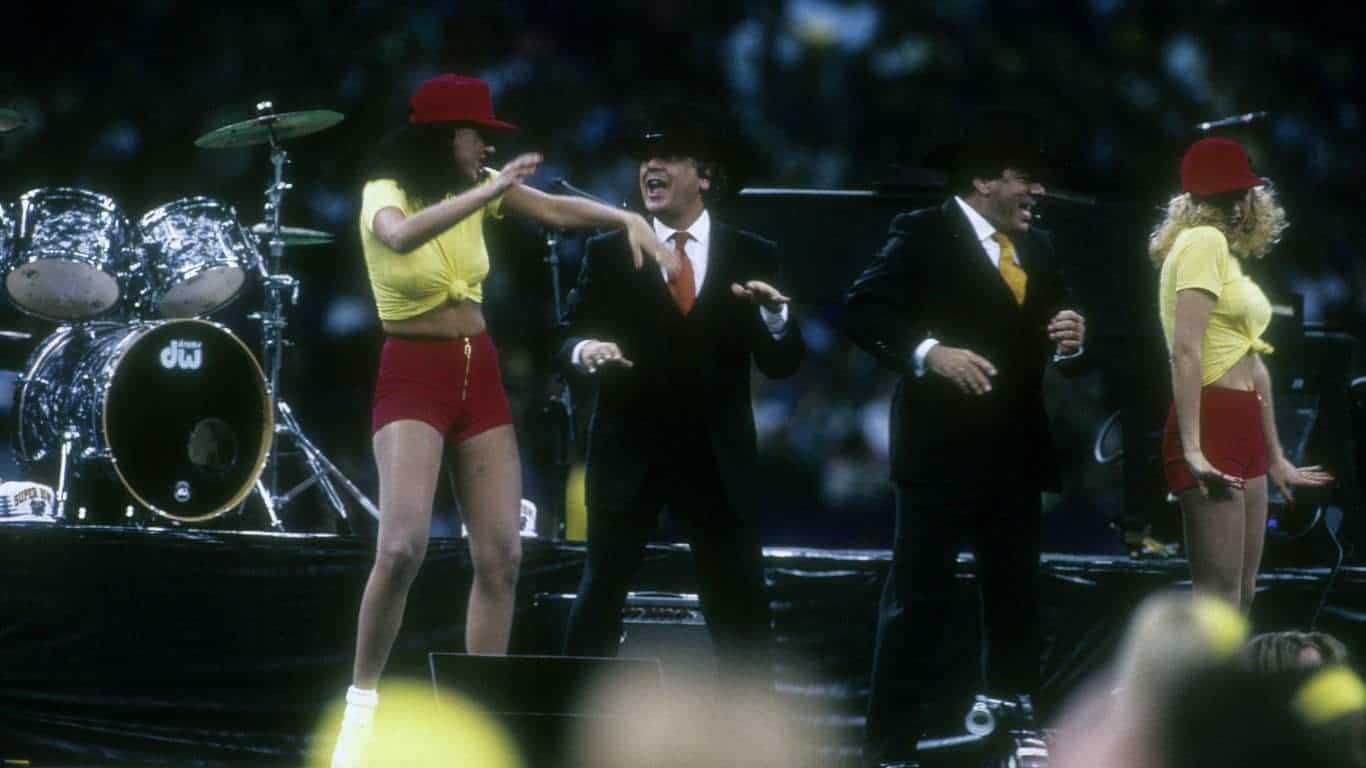
"Macarena" by Los Del Rio (1995)
The “Macarena” was less of a song and more of a group activity that no one could escape. By the mid-‘90s, it had taken over weddings, school dances, sports games, cruises, birthday parties, and just about every event with a sound system. If you were a mom during this era, there is a good chance you watched children, grandparents, teachers, and total strangers all doing the same arm motions at some point. It was silly, catchy, and somehow everywhere.
That was also the problem. The dance made the song unforgettable, but it also made it exhausting. Hearing the opening beat meant you were about to watch a room full of people either jump up happily or panic because they did not want to participate. “Macarena” reached No. 1 in the U.S. in 1996 and stayed there for 14 weeks, which gives you an idea of how completely it dominated the moment. Today, most Americans over a certain age can recognize it instantly. Whether that fills them with joy or dread depends entirely on how many awkward group dances they survived.
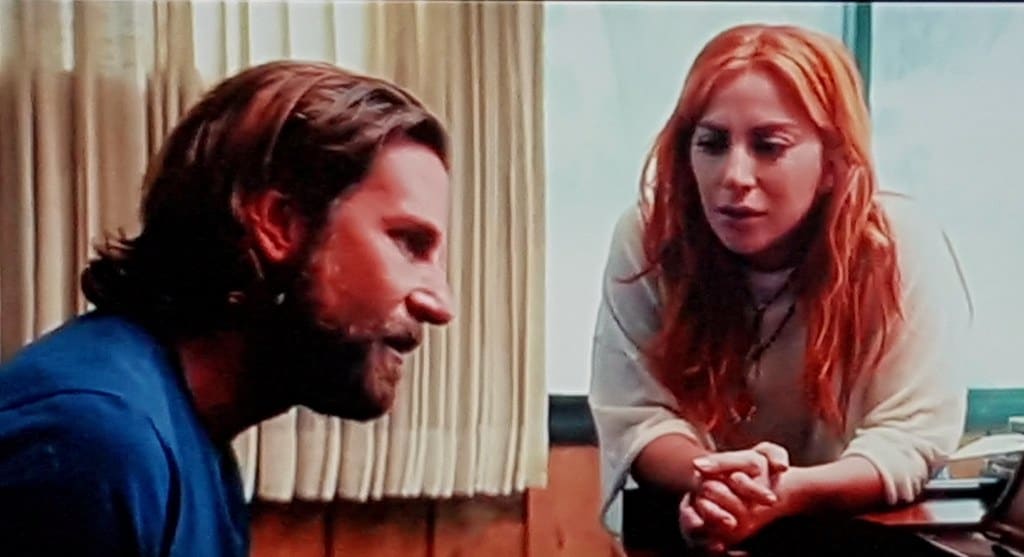
"Shallow" by Lady Gaga & Bradley Cooper (2018)
“Shallow” felt genuinely powerful when A Star Is Born came out. The song had that raw, emotional quality that made it feel bigger than a typical movie ballad. Lady Gaga’s voice was stunning, Bradley Cooper surprised a lot of people, and their chemistry gave the song extra weight. It was easy to understand why audiences responded to it so strongly.
Then award season happened, and “Shallow” seemed to be everywhere for months. The performance clips played constantly, social media used the song for emotional posts, talk shows discussed it, and every big awards moment gave it another push. For a while, it felt like you could not open a phone or turn on a TV without hearing that chorus again. Unlike some songs that took decades to wear people down, “Shallow” got there quickly because the exposure was so intense. It is still a strong song, and Gaga’s performance is still impressive. But sometimes even a beautiful song can lose its impact when the world insists on replaying its biggest moment over and over.
"Shake It Off" by Taylor Swift (2014)
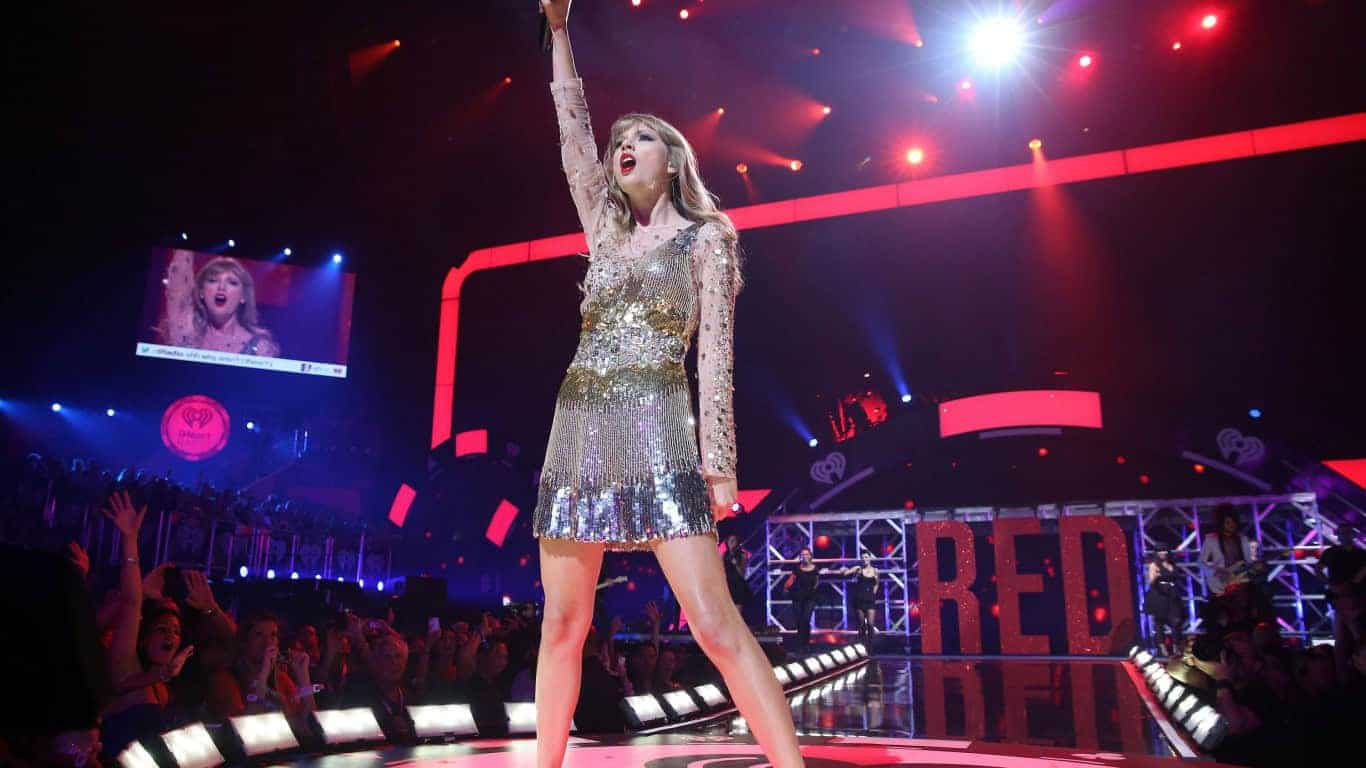
“Shake It Off” did exactly what a lead pop single is supposed to do. It was bright, catchy, easy to sing, and impossible to ignore. When Taylor Swift released it in 2014, it marked a major step into full pop territory, and the song’s message was simple enough for everyone to understand. Ignore the criticism, keep moving, and do not let people get to you.
That message was fun at first. Then the song became unavoidable. It played in stores, on commercials, at school events, during sports coverage, on playlists, and in every family-friendly setting that needed something upbeat. After a while, the cheerful advice started to feel less like encouragement and more like a command. It is hard to “shake it off” when the song itself will not go away. Even plenty of Taylor Swift fans have admitted this one got old quickly, which says a lot considering how loyal her fanbase is. “Shake It Off” is not a bad pop song. It just became one of those songs people heard so often that they needed a break from all the pep.
"Smells Like Teen Spirit" by Nirvana (1991)
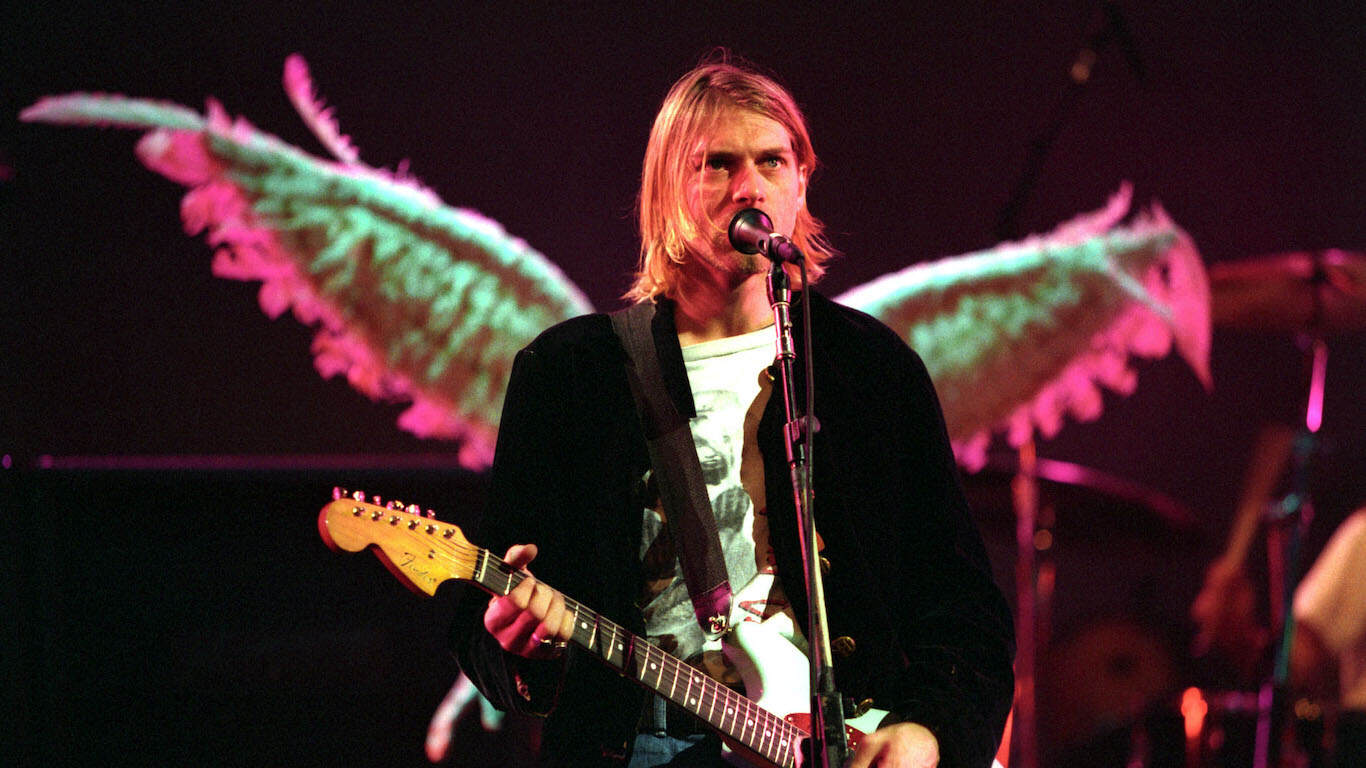
“Smells Like Teen Spirit” was supposed to sound like a rejection of polished, mainstream rock. When it hit in 1991, it felt messy, loud, angry, and completely different from the glossy music that had dominated so much of the ‘80s. For teens and young adults at the time, it was the sound of something changing. Even parents who did not fully understand grunge knew this song meant the culture had shifted.
The irony is that the anti-mainstream anthem became one of the most mainstream rock songs of the decade. It was used in documentaries, countdowns, retrospectives, commercials, and every discussion about the meaning of the ‘90s. Kurt Cobain himself grew tired of the song, and it is easy to understand why. Something that was meant to feel raw and disruptive became the official soundtrack for an entire era. That is a heavy burden for one song to carry. “Smells Like Teen Spirit” still matters, and it still hits hard when heard in the right mood. But after decades of being used as shorthand for grunge, Gen X, and teenage rebellion, it can feel more like a museum exhibit than a shock to the system.
The image featured at the top of this post is ©celebrityabc / BY-SA 2.0 – License / Original