

















12 Things We Did After School Before Kids Had Phones
There was a time when kids had a few free hours after school, right up until dinner, and nobody was watching over them. No texts like "on my way," no way for anyone to know where you were until you walked through the door. Most of it doesn't happen anymore. Kids go home, and the phone takes over from there. Here's what filled that time before the phone did.
Letting Themselves In and Making Their Own Snack
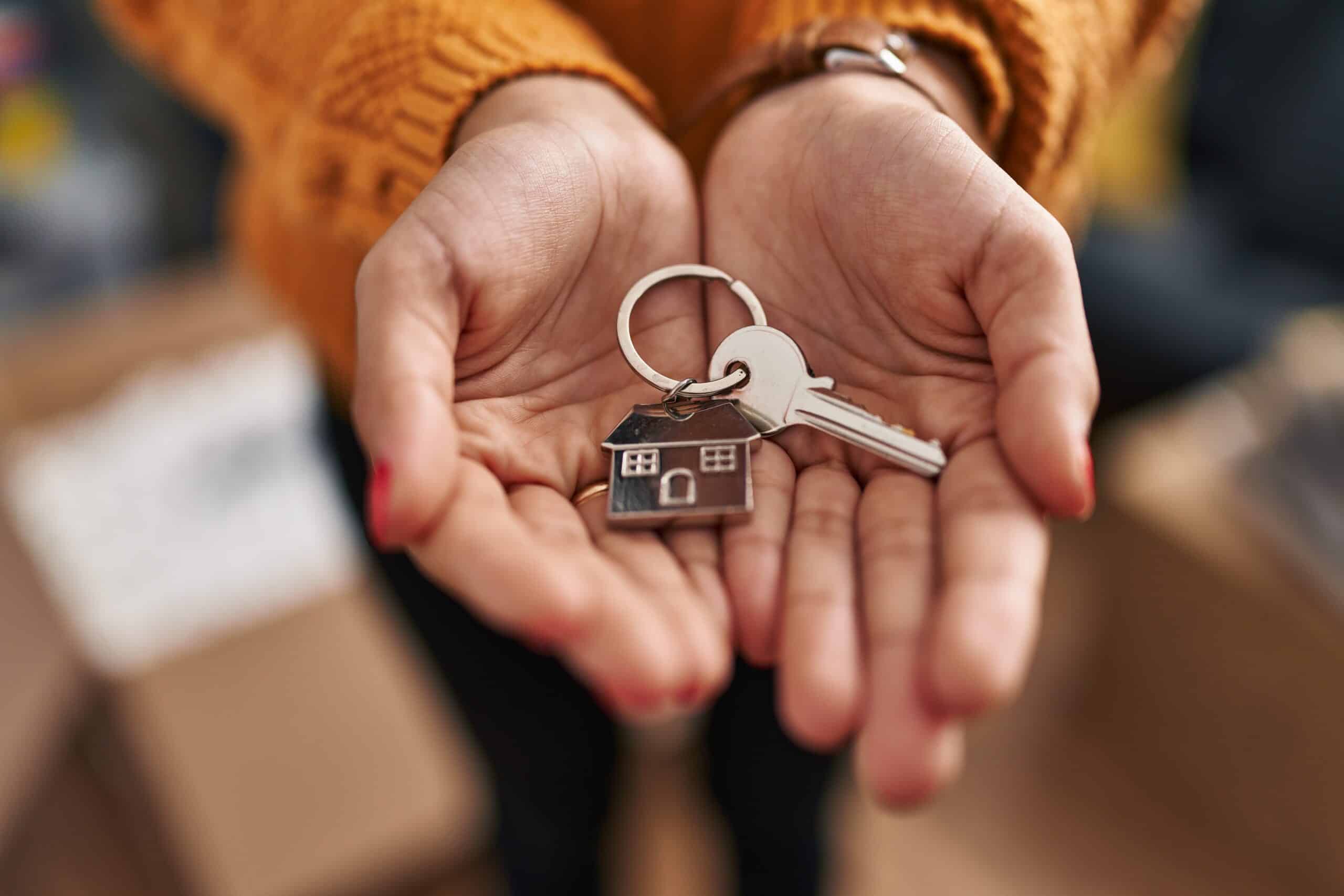
For a lot of kids, after-school began with a house key on a string and a barren kitchen. There were no adults home, so everything that took place from 3 to 6 was entirely self-managed, snacks included. Cereal for the second time in a day was way too common.
An empty house was sort of like a personal domain back then. An estimated three million children aged six to thirteen were doing precisely that daily by the early 1980s, letting themselves in and figuring out the rest on their own. For a lot of families, it was just what after school meant.
Calling a Friend's Landline and Hoping Someone Picked Up
Back then, calling a friend meant calling the home line. Sometimes, you would reach a friend. Other times, a parent or an answering machine with a message that took too long to get to the beep. One could never be sure who it was going to be until someone answered.
If nobody was home, that was it. No follow-up text, no "call me back," just a dial tone and a plan that didn't happen. Being able to talk to someone over the phone was something that mattered, mostly because it wasn't guaranteed.
Riding Bikes Around the Neighborhood Until the Streetlights Came On
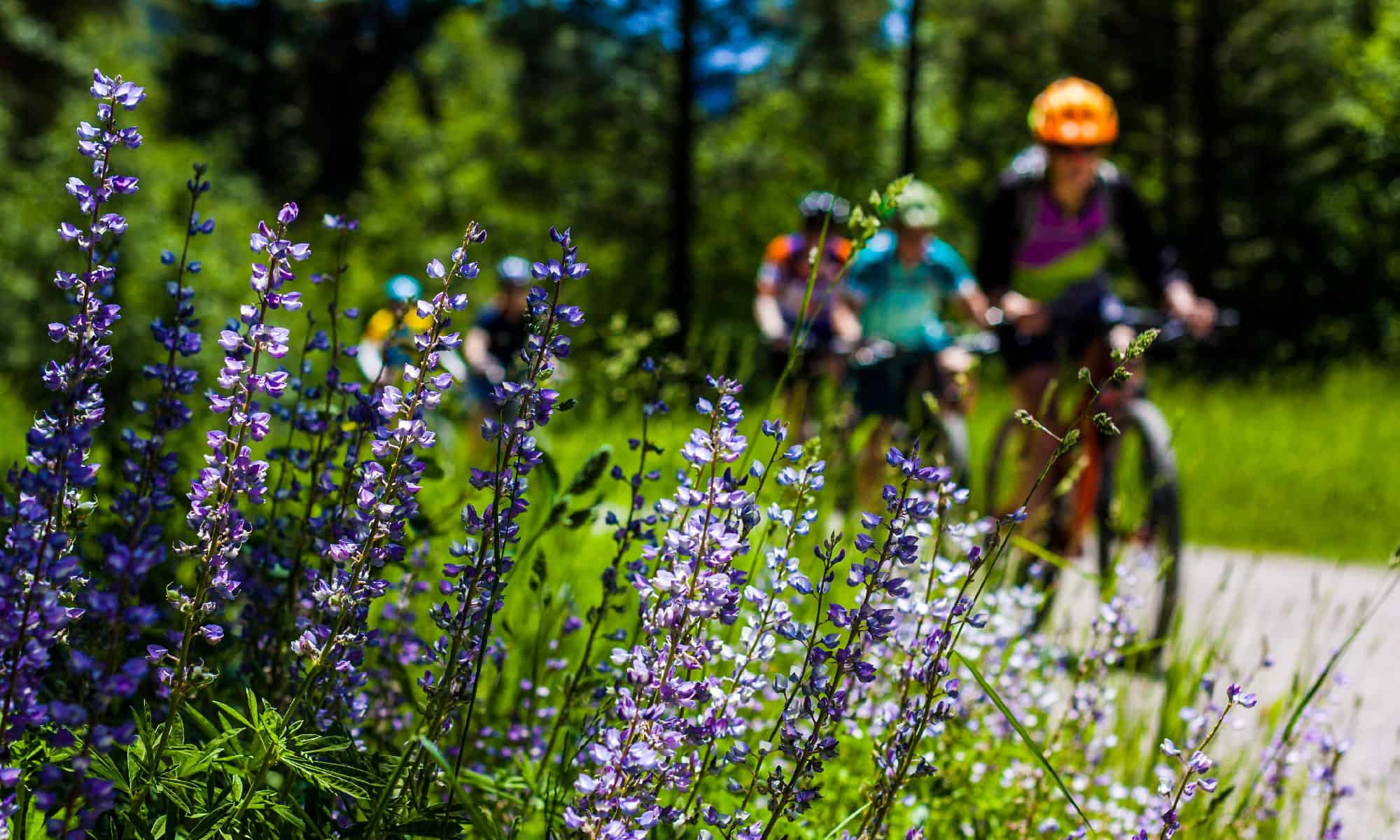
Once you rode out of the driveway, there was no need for a pin drop, no "where are you" calls. Nothing but the freedom to disappear without anyone able to track you until you rolled back up the driveway on your own. Streets, alleyways, parking spaces, wherever the bike went, it went there without anyone tracking it.
The rule was pretty straightforward. When the streetlights came on, you went home. Kids became good at reading the sky instead of a glowing screen. A UCL study showed that kids who were allowed to roam without an adult showed higher levels of activity and social interaction compared to those who were constantly watched over.
Calling the Radio Station to Request a Song, Then Waiting by the Tape Deck
Recording music was a delicate matter. You had to time everything right. You'd call up the radio station, make a request, and sit there with a finger on the record button, waiting for the DJ to play the tune. It could take anywhere from twenty minutes to forever.
There was no room for mistakes. Pressing the record button even a second late meant losing the intro. Hitting the stop button too soon meant having the song abruptly cut before the ending. There was no way to undo anything or download the song again, just one shot at getting a copy that didn't have a DJ's voice talking over the ending.
Building a Fort or Running Wild in the Backyard Until Dinner
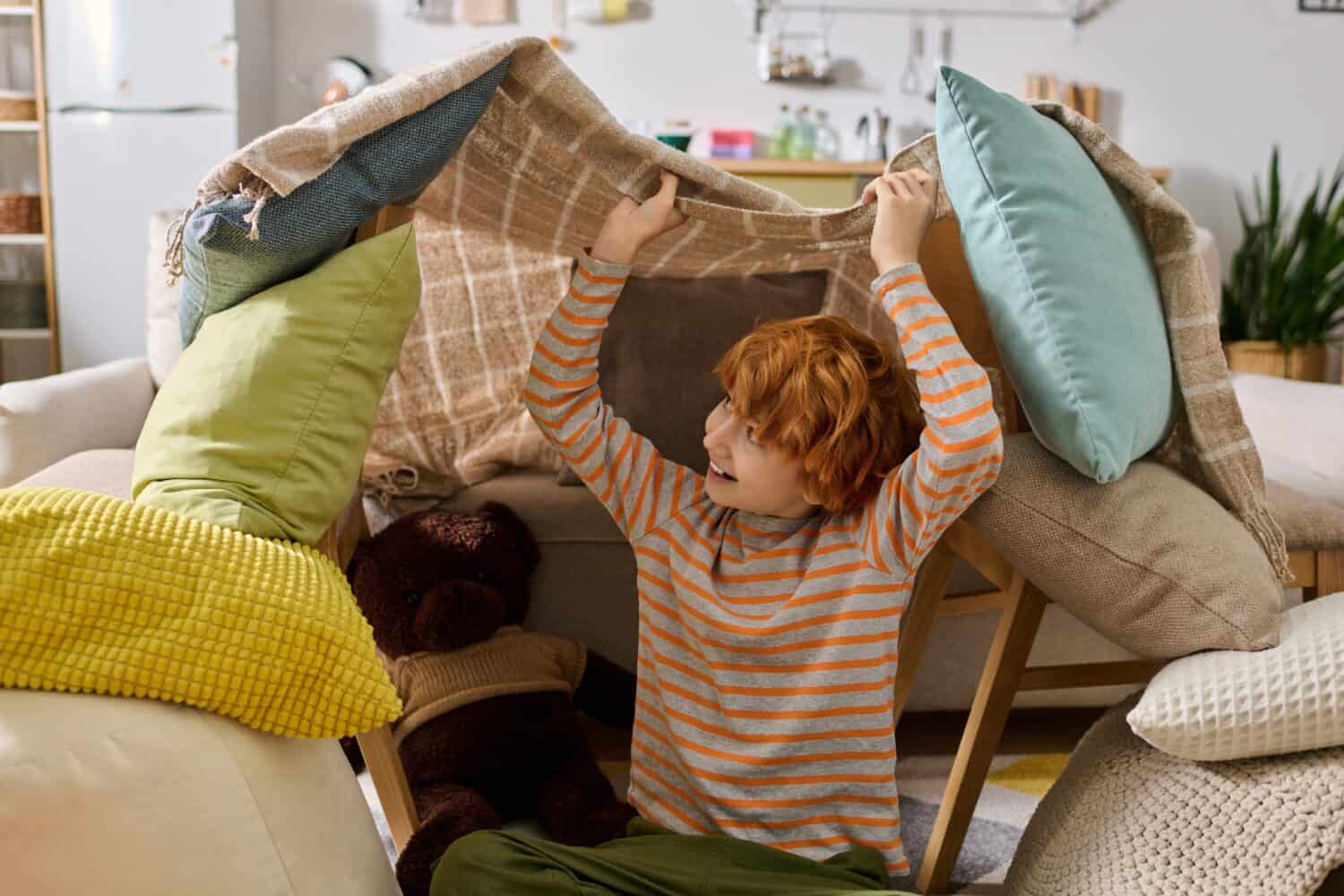
Cushions were removed from the couches, and blankets were thrown over the furniture. Before you knew it, the living room looked like the aftermath of a minor tornado. Sometimes, the fort was erected outside using any items available, with the caveat of whose turn it was to be inside decided hourly. No one was checking in every ten minutes to see how it was going either.
An unsupervised fort without the sound of a vibrating phone nearby was basically several hours spent learning how to do things alone, until the blanket had to go back to the closet.
Writing and Passing Folded Notes to Plan the Actual Afternoon
When a plan had to be made post-school, it would have to be worked out in class first, on paper passed hand to hand through three rows of desks. Being discovered would get your note read aloud.
Once the message was handed over, that was it. Too late to change it. Whatever was written and passed down stuck, and, in many cases, the entire afternoon's plan depended on whether it arrived before the bell rang.
Doing Homework at the Kitchen Counter With the Radio On
Homework got done with background music instead of background notifications. Radio on low volume, maybe a parent cooking dinner nearby. No group chat going off every few minutes with unnecessary distractions. There wasn’t a secondary screen on which to look away between each question either. It was just you, the homework, the music, and that was enough.
Trading Stickers, Cards, or Comics on the Porch
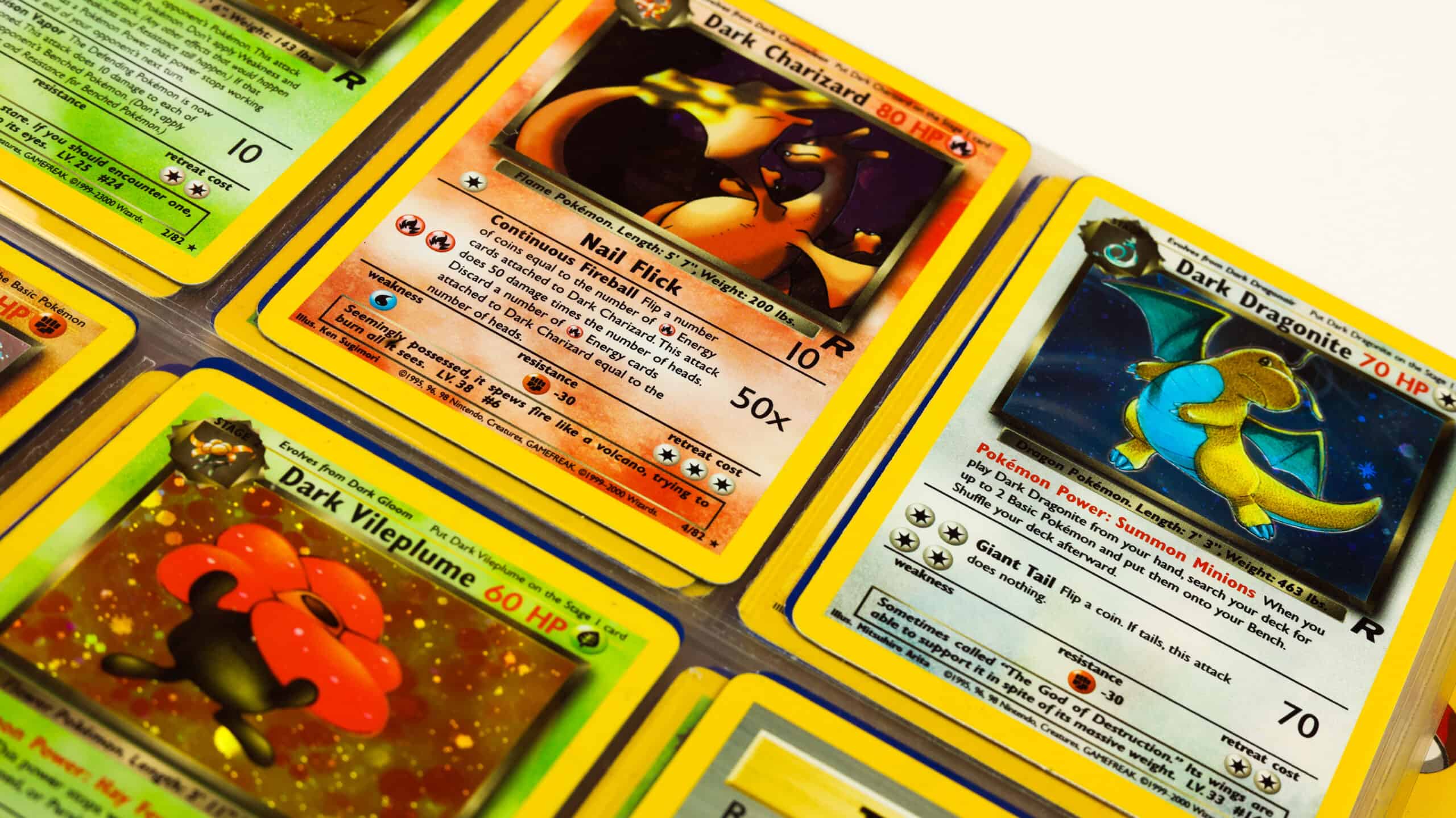
Someone came with a shoebox or a binder, and the exchange was done right there and then, card by card. Whether the card had a crease at the corner or the cover was bent was important since there was no chance to do research and see what it was worth online. Value came down to what the other kid was willing to give up.
Getting talked into a bad trade was part of it. So was getting something that was truly rare since no one else on the block had it. In either case, the entire transaction took place in the flesh, not online.
Walking or Biking to a Friend's House Without Calling Ahead
Back then, a kid could simply go over, knock at the door, and check if someone was home and willing to spend time together. And if not, there was always another place to try. No checking ahead, no warning text. Such spontaneity made it possible for a plan to break down completely unexpectedly. It also made it possible for an afternoon to turn into something completely unplanned.
Playing Whatever Game the Whole Block Agreed On
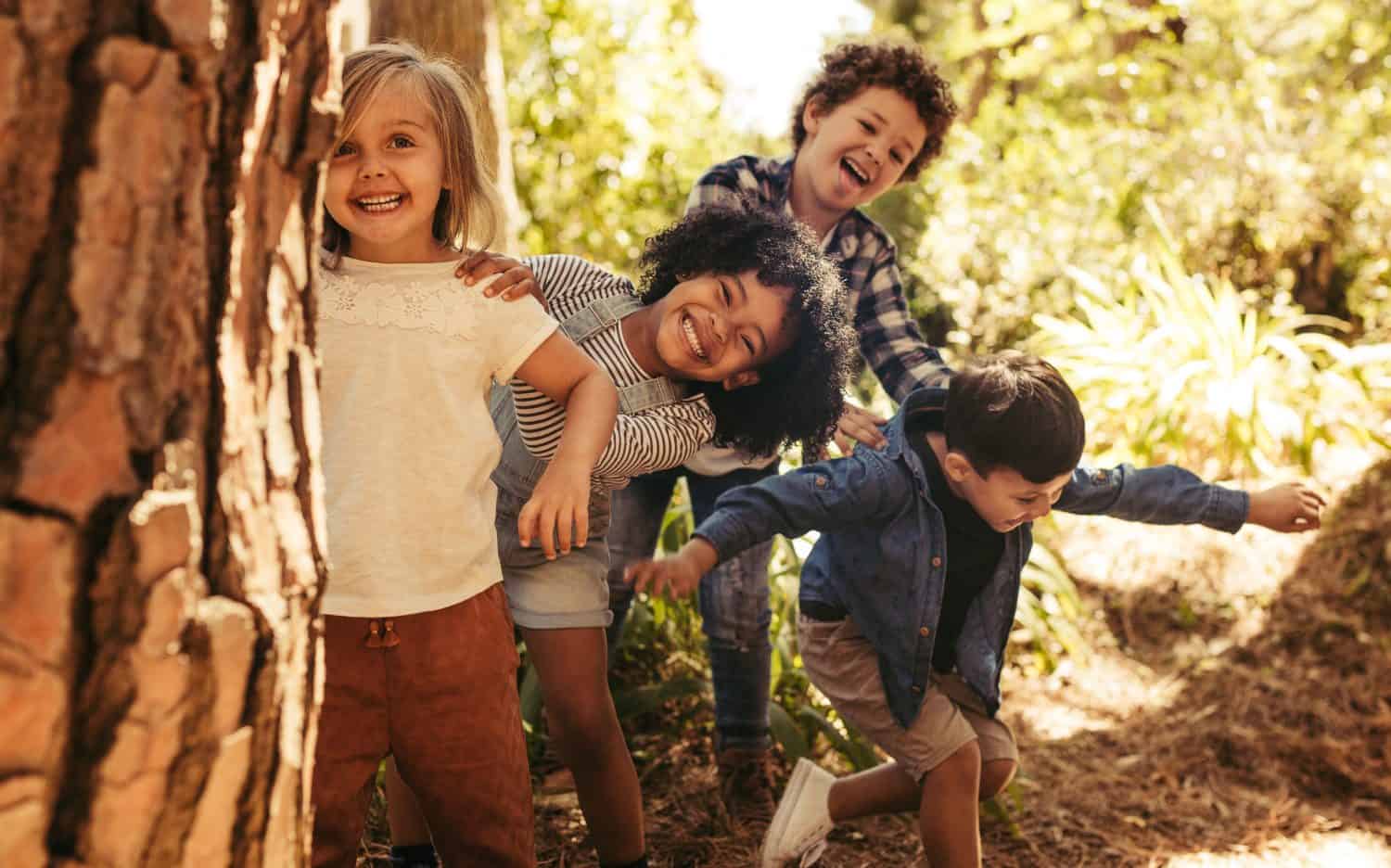
Tag, hide-and-seek, a made up sport with no written rules, or whatever else the block felt like doing. Those who turned up on that particular day determined the rules of the game, and they kept changing based on the number of children playing and their ages.
No app. Just the right number of kids on the same street at the same time, figuring it out as they went. Arguing about the rules was half the game.
Sitting Through a Rerun With a Sibling Because That's What Was On
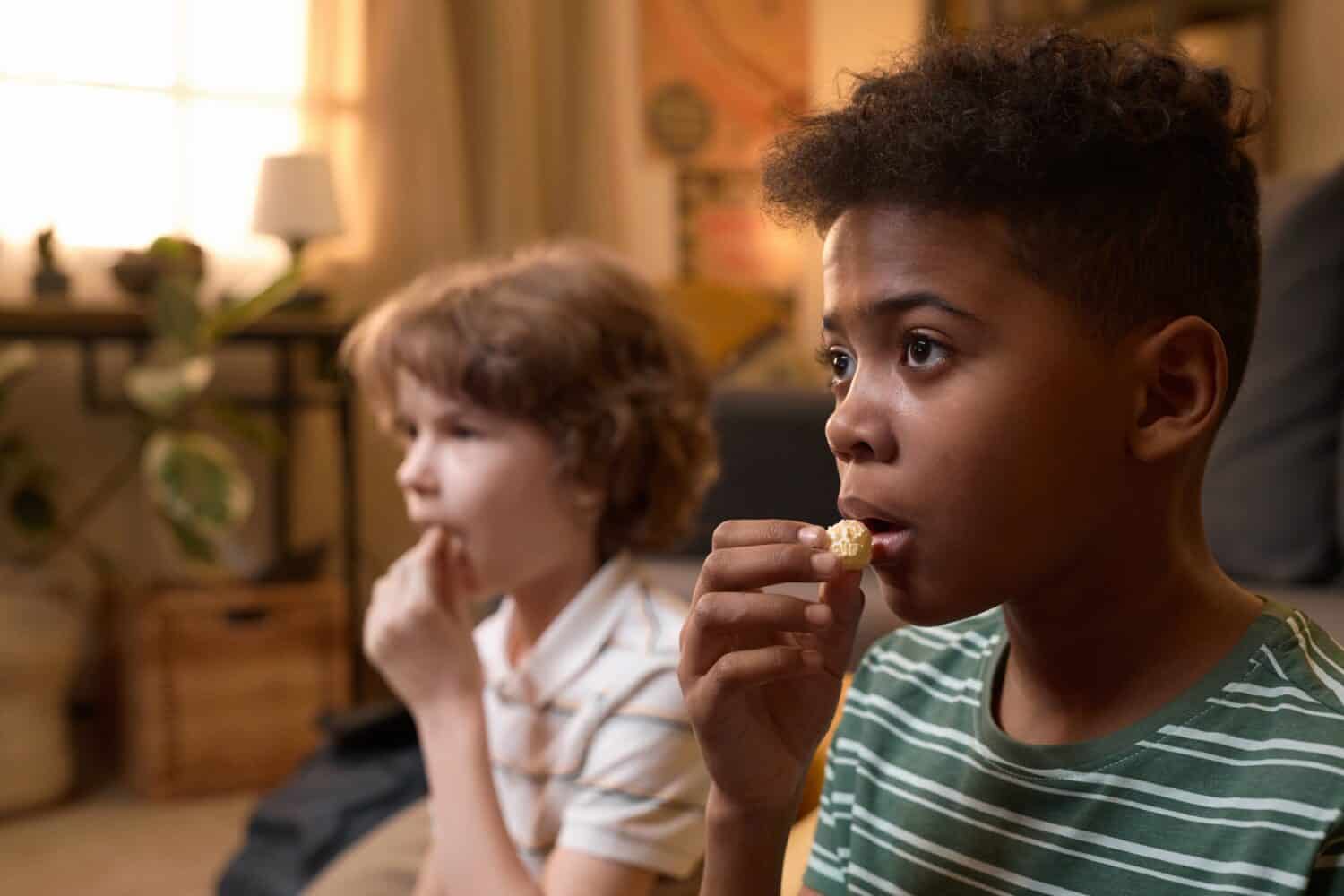
Back then, you watched whatever was on and that was it. No going back or picking a recording, you were stuck with whatever was playing on the channel at that time. Watching reruns was part of any kid's life. Having seen it before didn't mean disappointment. You just sat there with whoever else was in the room, half-paying attention, while the program went on.
Sitting on the Porch or Curb and Doing Absolutely Nothing
Sometimes it didn't matter whether there was an agenda or a place to go. It was fine either way. Kids knew how to deal with boredom back then. You would simply sit outdoors, watch the cars pass, and not do much of anything for a while.
That generation used to let boredom run its course instead of getting interrupted within seconds. This sort of downtime doesn't happen today.
The image featured at the top of this post is ©Jacob Lund/Shutterstock.com