Manners aren't what they used to be. It's been a while since I've been scolded for putting my elbows on the table or not calling someone sir or ma'am. But there are still a number of guidelines that we all should follow, and starting to teach your kids when they're in elementary school may save you some time and energy later in their lives. We think that these are one of many life skills every child should learn before moving out on their own.
If you do choose to teach additional manners to older kids, there's a great compendium of manners that you can teach to teenagers each week for a year, available here. Here's what we should teach our elementary-aged children to say and do so they're being polite and respectful to adults and to other children.
Wait Your Turn

©PeopleImages/Shutterstock.com
Waiting in line applies in many different situations. Children should learn to wait in line without complaining, especially if it's a line for something they want to do or see. They should also wait their turn to talk instead of interrupting someone else when they are speaking or butting into a conversation. Teachers appreciate it when their students wait to be called on during class instead of speaking any time they feel like it. Many preschools also teach children to ask their classmates when they are going to be done playing with a toy so they can have a turn. Again, waiting your turn is a sign of respect for others and shows that you don't think you are more important than everyone else.
Say Please and Thank You
The idea behind these words is that you're showing that you're not just demanding and taking things from others. By saying “please” and “thank you” when asking for or receiving a favor or a gift, kids can show humility. This is useful when asking a friend to share a toy, showing appreciation for a parent who helps them get a snack, or writing a thank-you note to a classmate or grandparent for a birthday gift. It's a small thing to ask kids to do, and it goes a long way in the professional world later in life. Show examples by making sure you say please and thank you to other adults you interact with, including your co-parent!

©PeopleImages/Shutterstock.com
Don't Call Other People Names
We often teach children to treat other people as they would like to be treated, so this manner is just common sense. Many insulting names are based on appearance or perceived intelligence, and even very young children can understand that it hurts to be called dumb or ugly. Make sure you let your kids know that this isn't ok under any circumstances to help prevent racism or cyberbullying later in life.
Try to Cover Sneezes and Coughs
In the post-COVID era, it's important to keep your germs to yourself! Teach elementary school children to sneeze into their elbows and cover coughs. If you happen to cough or sneeze into your hands, or if you use a tissue to wipe your nose, wash or sanitize your hands as soon as possible afterwards. You can also encourage children to say “Gesundheit” or “bless you” if someone around them sneezes, but that's more of a superstition than a manner.
If your child is sneezing or coughing excessively, keep them home from school. Think about having them wear a mask the day they come back from having a cold to show consideration to others who don't want to get sick. These are manners adults can observe and teach their kids for the future.
Excuse Yourself After Passing Gas
Regardless of which end you expel gas from, it's polite to say excuse me. My son finds passing gas quite funny, but he knows that he should try to stifle it during school hours, at church, and at the dinner table. Saying excuse me acknowledges that you have created an unappealing sound and/or odor, even if you couldn't prevent it or step away at that moment. Again, it's a small thing to ask for in consideration of others.
Respond to Greetings, Questions, and Invitations
Everyone wants to be acknowledged when they speak or send a message to others. If a friend says hello to you, it's polite to say hi, hello, or hey back to them. If an adult asks you a question directly, you should offer a response, even if it's just to say that you don't know the answer. And if you're invited to a party, event, or get-together, respond with a yes or no on time. Not responding when spoken to, whether it's in person or in electronic communications like emails or text messages, shows that you don't respect the person speaking to you. You don't always have to give detailed responses, but it's polite to acknowledge that someone has spoken to you or made an invitation. Lack of response often leads to people discontinuing their communications with you.
Respect Other People's Digital Communication Boundaries
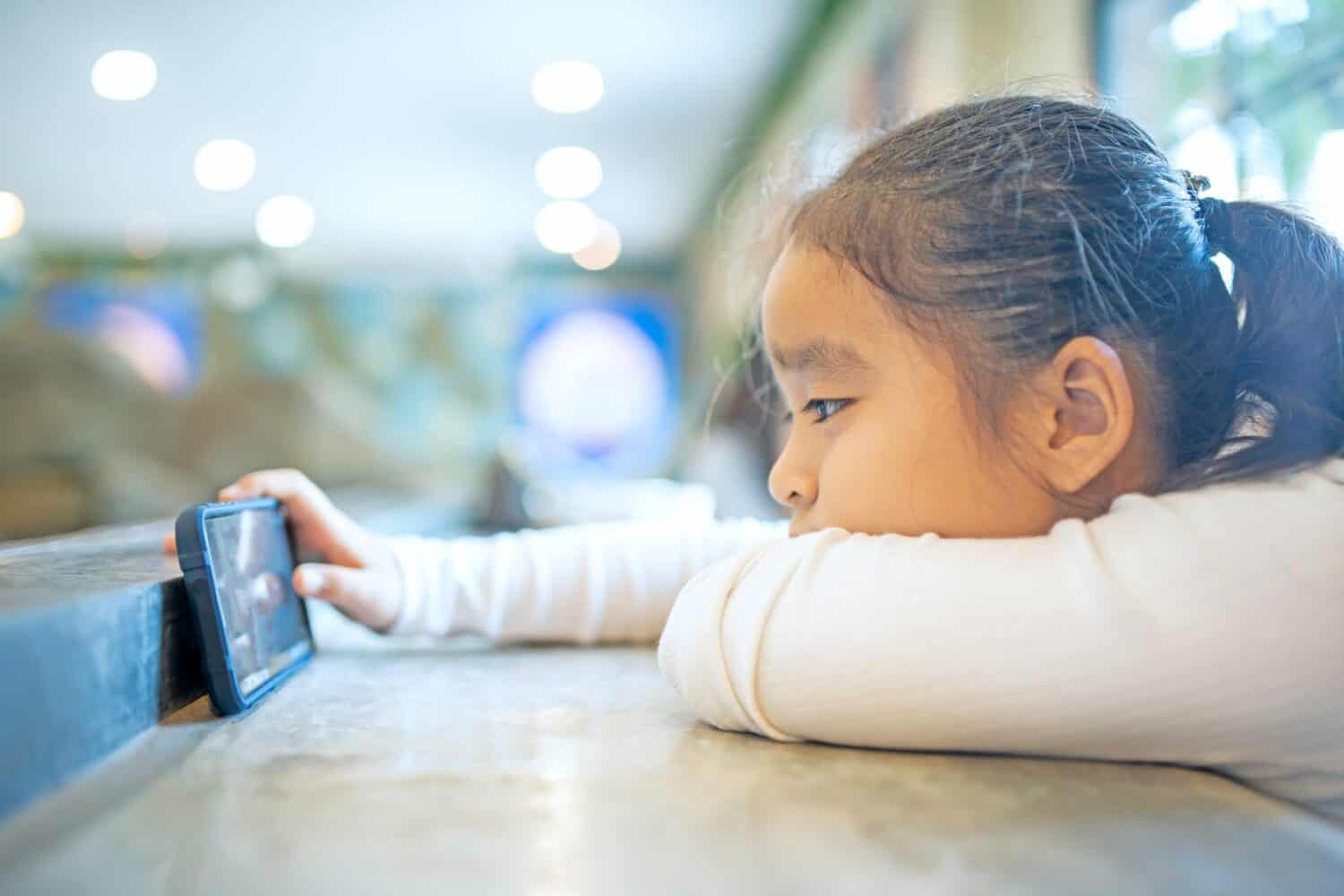
This is a newer manner that we didn't have to think about when we were children. Almost everybody has access to email, text messaging, and FaceTime now, but not everyone wants to communicate in those ways all of the time. We ask our children not to answer calls or respond to digital messages during meals or between 8:30 p.m. and 7:30 a.m., and they're not allowed to use their smart watches (or phones, if they have them) at school. We hope that their friends will respect these rules and not expect responses at those times. Some of their friends' parents have set different hours, and we encourage our kids to respect those rules as well. Again, we try to set a good example by not bringing our phones to the table at dinner time.
Try to Be Neat and Quiet While Eating

©komokvm/Shutterstock.com
Not all families eat breakfast and dinner together, but when you do eat a meal together as a family or with others, you should try to be clean and quiet while doing so. Try to use silverware properly, use your napkin appropriately, and chew with your mouth closed. Someone worked hard to create a meal for you to eat, and eating neatly and without excessive noise ensures that everyone can enjoy that meal. While we no longer have napkins in our laps at every meal and we sometimes eat finger foods, it's still important to have a level of decorum at the table as a sign of respect to others eating with us.
Follow the Manners of In-Person Conversation When Texting
If you wouldn't say something to someone's face, why would you say it in a text message? Instruct kids to follow the same rules they would follow at school recess when texting. That means no name-calling, no bad words, and no spamming. Remind kids that anything they text can be saved or screenshot, so they won't be able to refute their words (or emojis) later. Again, they should talk to their friends in a way they would like to be talked to, so ghosting or sending the same message over and over will likely be seen as annoying and disrespectful, which will likely hurt friendships.
Respect Privacy Online and While Using Social Media
Elementary kids usually aren't allowed to have social media accounts, but it's a good idea to start teaching them that they shouldn't share private information online. This includes sharing photos of their friends via text or email. Make sure kids aren't giving out phone numbers, addresses, or even information about which class someone is in or after-school schedules. You never know who is tracking a child, and if your kid is sharing information, it could be dangerous, not just impolite. Teaching these rules now may make future conversations about social media manners easier.
Know When NOT to Use Your Phone or Smart Watch

©MAYA LAB/Shutterstock.com
Consider the people around you when you're making a FaceTime call, texting, or communicating on a phone or smart watch. There's no need to call anyone else from the bathroom or the dinner table. You also don't need to FaceTime or text someone who is in the same room as you. Your parents and siblings don't want to listen to your FaceTime call at 6 a.m. or 11 p.m. Most parents also don't want to hear your FaceTime conversation when they're driving you to practice or rehearsal. Be present for the people you are with in real life before calling or texting someone who is elsewhere.
The image featured at the top of this post is ©Dpongvit/Shutterstock.com