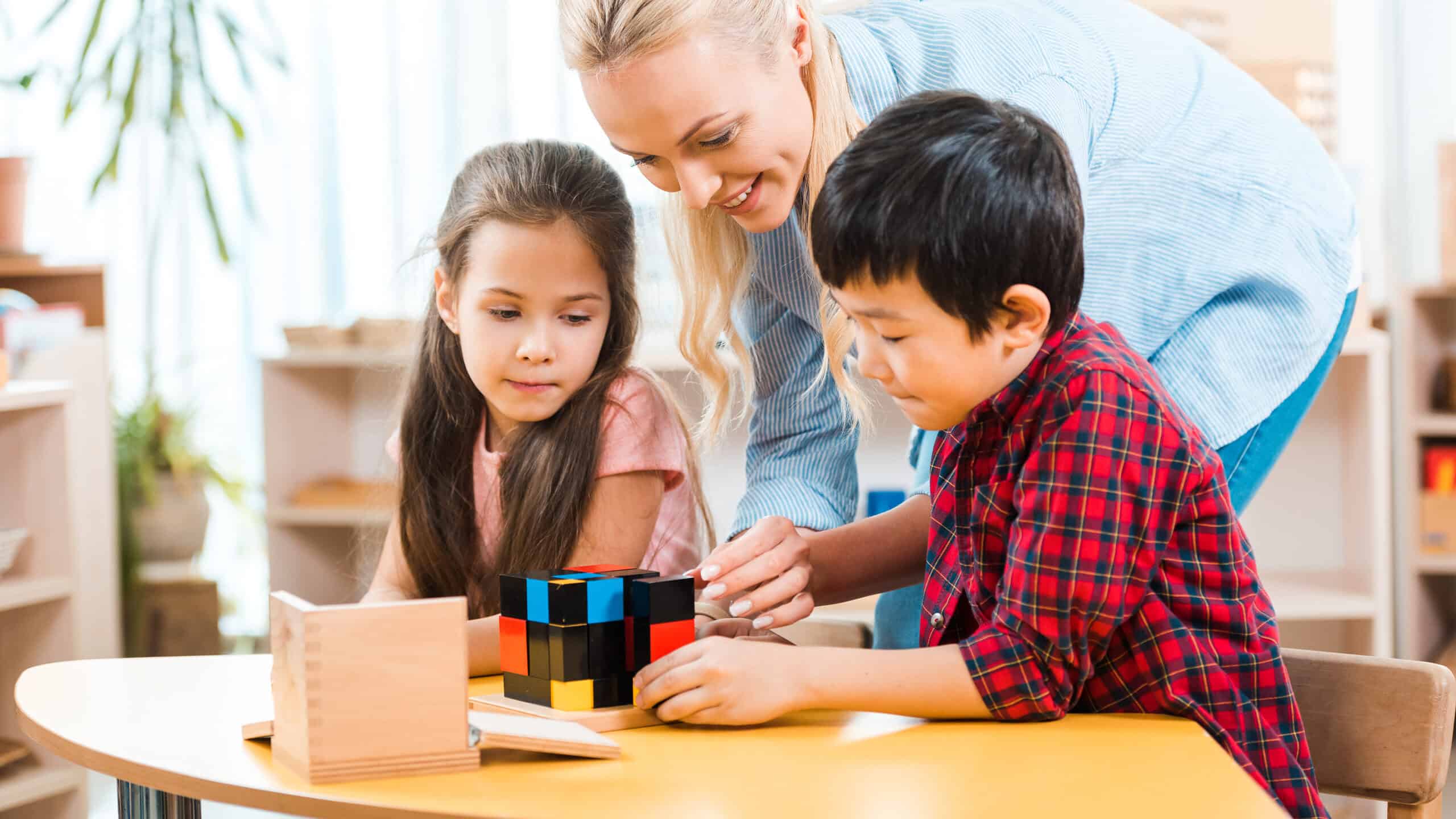
Older parents will likely remember how straightforward playdates were back in the day. One parent called the other, and they arranged for their kids to meet at a park, the movies, or someone’s house to play with toys for the afternoon. While kids still crave attention now as much as they did then, playdates in 2026 are a bit different from in the olden days.
These days, many parents wonder whether it's okay to bother another parent to set up a playdate. They wonder whether playdates should happen in public, where dangers may lurk, or whether they should be more top-secret meetings at someone’s home. How many kids should be at a playdate? Should the parent stick around during the playdate or let the kids have their independence? There are many questions to ask, and in this guide, we’ll tell you how to approach playdates in 2026 so you can be comfortable and your child can have the fun day that they desire.
Why Playdates Still Matter

Spending time with family is important, but playdates present the opportunity for our kids to be around new people.
©Photoroyalty/Shutterstock.com
When your kids are young, they need continuous opportunities to build their social skills. While being with their family is important, so is meeting and interacting with new people. Every person has their own personality, so by speaking with different kids, your children can build their own personality and learn to appreciate others. Young people can also build many soft skills during playdates, including:
- Sharing
- Cooperation
- Problem-solving
- Conflict resolution
- Empathy
- Communication
- Independence
Research consistently shows that unstructured play contributes to emotional development, resilience, and social competence. Playdates also allow a child to interact naturally with others in a way that they often can't do at school.
That’s not to mention that playdates can also benefit parents. They provide opportunities to build community, meet other families, and establish support networks that can become invaluable over time.
While the widespread use of technology has changed how families communicate, playdates in 2026 are still necessary because a child’s need for real-world friendships remains exactly the same.
Building Trust Is Harder in 2026
Talk to many older parents, and they’ll tell you how much more trust there was when they were kids. They’ll probably tell you how their parents told them to go out and have fun and how they would play in the neighborhood with little to no adult supervision for hours at a time. Those days are pretty much over in 2026.
Many parents today are also less comfortable inviting near-strangers into their homes than previous generations were. This isn't necessarily a sign that society is less friendly. Rather, families have become more aware of safety concerns, privacy issues, and differing parenting expectations.
As a result, many playdates now follow a progression:
- School friendship develops.
- Parents exchange contact information.
- Families meet at a public location.
- Trust develops over several interactions.
- Home-based playdates become an option.
This gradual approach has become increasingly common and is generally viewed as perfectly acceptable. If you’re in this camp, don’t feel guilty. It’s only common sense to want to get to know a family a little before allowing them into your home. Still, be sure not to be so cautious that you never allow a playdate.
Is It Still Okay to Invite Someone to Your Home?
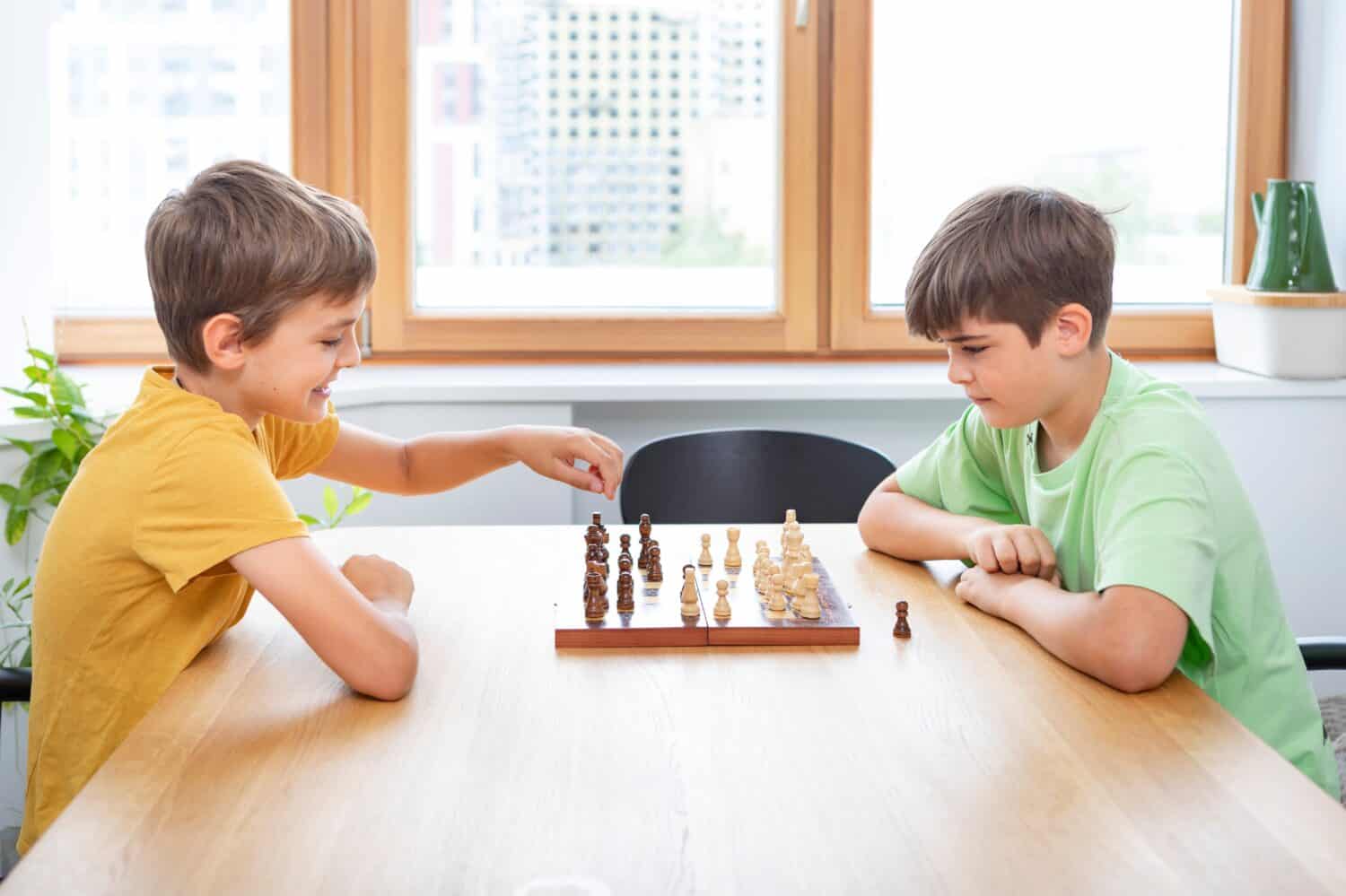
It's okay to have playdates at home as long as you lay out some ground rules first.
©Vitaliy Abbasov/Shutterstock.com
Yes! Although the routine may have changed a bit over the years, it’s still important to have playdates, and your house is a perfectly suitable location. In addition to typically being a safer setup, a home playdate has many other benefits, including:
- Longer periods of imaginative play
- Greater comfort
- Access to toys and games
- A relaxed atmosphere
- Fewer distractions
Many parents actually prefer home playdates once they know the other family reasonably well. The key difference for playdates in 2026 is that families simply want a bit more familiarity before extending or accepting an invitation. If your child has been talking about a friend for weeks and you've met the parents several times at school pickup, sports practice, or community events, inviting them over is completely normal.
Public Playdates Are Okay Too
Though there are benefits to having a playdate at a house, there are also perks to a public outing. Even if you know the other parent pretty well, it’s typical to have a playdate in a fun place where other kids may be present, such as:
- Local parks
- Playgrounds
- Indoor play centers
- Children's museums
- Libraries
- Community centers
- Family-friendly cafes
- Trampoline parks
- Nature centers
There are also many benefits to a public outing. Everyone tends to be a bit more comfortable in these situations because there are other people around and there’s a lot to observe and talk about. It can be a lower-pressure arrangement than entertaining guests at home.
Plus, if you go somewhere fun, like a trampoline park, your kids can worry less about the rules of a house and just get to the fun. This setup also makes it easier for parents to observe their kids and their new friends. When you have a playdate in public, you don’t have to manage the kids as much. You can enjoy yourself and watch the kids play. Finally, a public place provides an easier exit strategy. It’s often easier to end a park meetup after an hour than to manage an awkward visit inside someone's home.
Topics To Discuss Before the Playdate
Playdates in 2026 also differ in what you and the other parent should discuss before getting the kids together. Mostly, the questions come down to safety. You don’t need a full medical questionnaire, but you should ask the following questions:
Ask About Allergies
Food allergies or any other allergies should be discussed before a playdate. You should know whether the other kid has allergies, how severe they are, whether they require any emergency medications, and which foods they should avoid.
Ask About Medical Conditions
Parents don’t necessarily need to disclose private medical details, but sharing information that could affect the child's safety is important. Let the other parent know if there are health issues like asthma, diabetes, seizure disorders, significant anxiety, or behavioral needs.

Not all kids are comfortable around pets, so be sure to discuss any furry friends with the other parent.
©Pixel-Shot/Shutterstock.com
Talk About Pets
Not all kids are as comfortable with pets as you may be, so it’s important to bring it up if you have a furry friend at home. Let the other parent know what type of pet you have and how energetic it may be. If your dog likes to jump on guests, make sure to let the other kid know. This discussion will often cover potential pet allergies as well.
Supervision Expectations
Some parents want to stay for the playdate. Others don’t. It’s not wise to assume that the other parent won’t want to stick around. It may come off as rude. Clarify the details beforehand. There’s no universal rule. Consider asking something like, “Would you like to stay during the playdate, or were you thinking of dropping Emma off?” Then, go from there.
Texting Has Become the Default
A definite difference between playdates in 2026 and playdates from 20 years ago is how you communicate. While phone calls and face-to-face communication used to be the norm, today, text is king. Everyone texts these days, so both you and the other parent are likely to be fine setting up the playdate via text because it’s more convenient, faster, less intrusive, and easier to manage.
A typical exchange might look like:
“Hi! This is Sarah's mom from Lincoln Elementary. Sarah would love to get together with Ava sometime. Would next Saturday work for a playdate?”
Simple, direct, and friendly. It’s a good way to go. That said, don't be surprised if some parents prefer a quick phone call, especially before a first drop-off playdate.
Some parents may become alarmed if they don’t get an immediate response. Don’t worry about that. Just because you don’t get a response right away, it doesn’t mean that the other parent doesn’t want to allow a playdate. Like you, many parents are also juggling work, sports, household responsibilities, and a million other things. It may be that you don’t hear back for several days. If so, don’t be afraid to politely follow up. If you don’t hear back again after that, it’s best to leave it alone.
Respect Different Parenting Styles

Have a conversation about house rules before leaving your kid at another parent's house.
©Branislav Nenin/Shutterstock.com
If you do have a new child over to your house, be sure to talk with their parents about their parenting style and what the kid is and isn't allowed to do. Respect is key here because there are many different parenting differences to consider, including:
- Screen time
- Snacks
- Bedtimes
- Discipline approaches
- Outdoor independence
- Social media use
- Video games
The last thing you want is for the other kid to go home and tell their parents that they were allowed to do all of the things they are not allowed to do at home. Mutual respect is important. If you don’t show it, future playdates may be limited.
How Long Should a Playdate Last?
Back in the day, you may have been able to get away with letting your child play with another kid from sunrise to sunset, but your playdates in 2026 are likely to be a bit different. When in doubt, ask the other parent how long the playdate should be. While you do, consider these guidelines:
Younger children: One to two hours is usually enough. Many preschoolers become tired, overstimulated, or emotional after extended social interaction.
Elementary-Age Children: Two to three hours often works well. This provides enough time to play without exhausting everyone involved.
Older Children: Playdates and hangouts may naturally extend longer depending on the activities. When arranging a playdate, communicate a clear start and end time. Parents appreciate predictability so they can plan out their day.
Teaching Children Playdate Etiquette
Before you bring your child to a new home, be sure to have a conversation about playdate etiquette and lay out some expectations. Remind your kids of the importance of being friendly by saying hello, sharing their toys, using polite language, and thanking their host at the end. While your child should already have good behavior at this point, bring up the importance of cleaning up after activities, asking before taking food, and respecting all the house rules set by the other parent.
Children who understand basic social expectations are more likely to be invited back. Plus, children who practice good behavior when they’re young are likely to continue these positive trends as adults.
Consider Group Playdates
If you or your child isn’t quite comfortable with a one-on-one playdate, then a group playdate may be the answer. Many people are more comfortable in a large group because it can erase some of the awkwardness. Just be sure all the kids are playing together, and no one is left out.
This is also an opportunity for you to meet several parents at once, which may lead to more playdates in the future. By the way, it also can’t hurt to meet other parents so you can make new friends yourself.
Popular group options include:
- Playground meetups
- Family picnics
- Community events
- School break gatherings
- Park play sessions
These events can be excellent starting points before arranging individual playdates.
What if the Kids Don’t Click?
Even if you plan out every detail, it’s possible that the kids won’t get along quite as well as they may have hoped, and that’s okay. This doesn’t mean that the kids are now enemies or that they’ll never get along. Sometimes friendships develop differently in different settings, and a friendship may be forged years down the road.
If you pick up your child and they feel like the playdate was awkward, try to stay positive. Commend your child for trying something new. If it didn’t feel right this time, don’t force future interactions until it’s natural to do so or your child asks. One unsuccessful playdate doesn't mean a friendship is doomed. The kids may just need to get to know each other better.
Final Thoughts
In the end, playdates in 2026 are not so different from how they were in the past. You still need to properly communicate, practice good manners, and manage your expectations. Playdates provide a great opportunity for your kids to socialize, exercise, and experience the joy that all children deserve.
By approaching playdates with clear communication, reasonable safety precautions, and a willingness to respect different comfort levels, parents can help create friendships that enrich childhood — and sometimes even build lasting community connections for the entire family.
The image featured at the top of this post is ©LightField Studios/Shutterstock.com