









9 Grocery Store Shortcuts Busy Parents Should Probably Avoid
When life gets busy, we sometimes look for ways to buy back some time. Pre-cut, pre-portioned, and pre-made items make their way into our carts as we try to save time in the kitchen. Not only do these products sound practical, but some of them are actually priced higher than the alternatives, which somehow makes them feel like the smarter choice.
Sometimes the “smarter” choice is the wrong one. These are nine grocery shortcuts that sound like wins for busy parents but usually aren't.
Pre-Cut Fruit and Vegetables
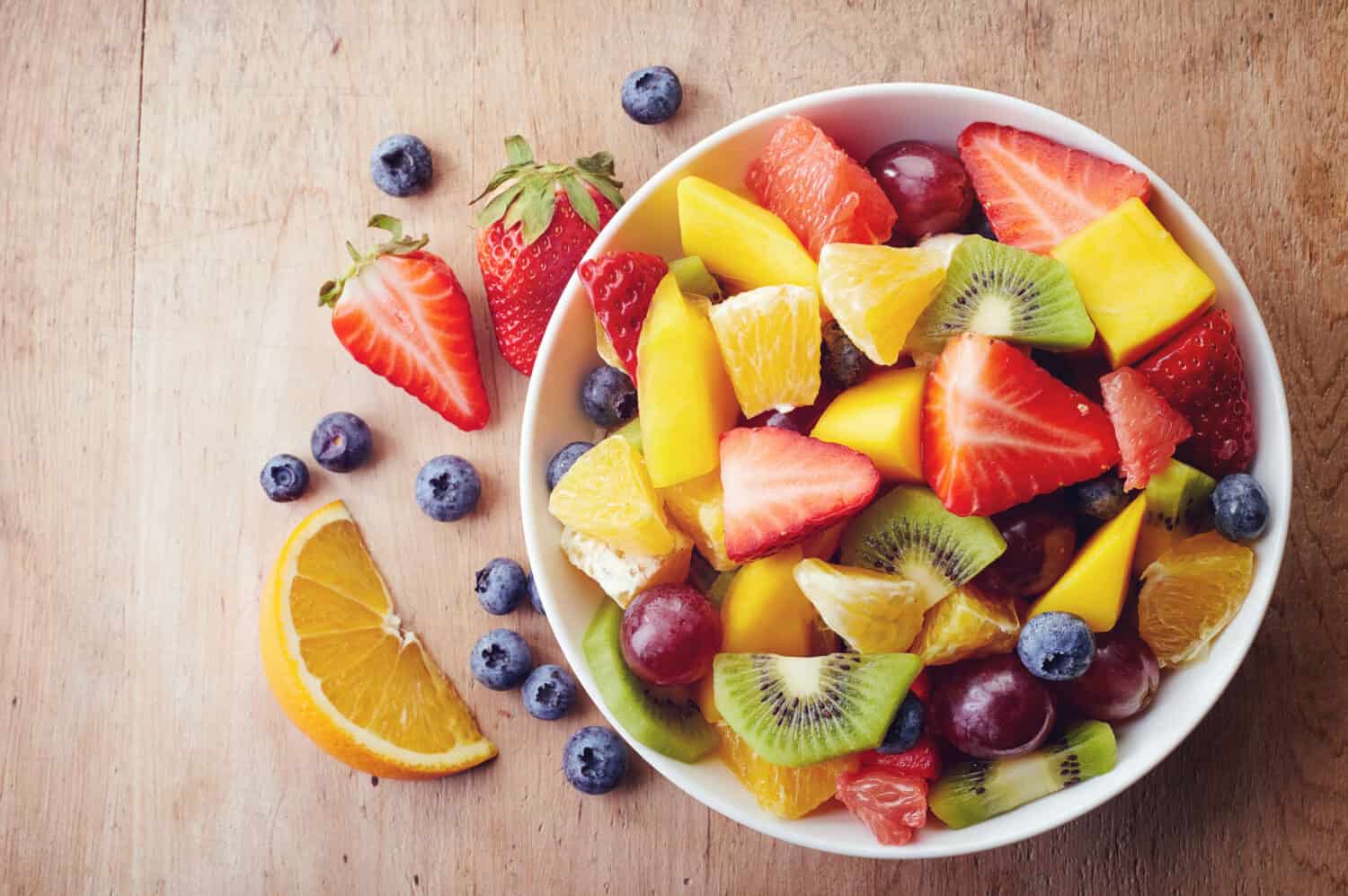
The profit margin for prepared fruits and vegetables is very high. In most cases, consumers are being charged twice or three times as much for the same item if bought unprepared. The same size of a whole pineapple can be sold for $3, while the prepared version can go for $6 or even higher.
Fruits and vegetables will also not last long if prepared in advance. Once the fruit or vegetable has been cut, there is an increased surface area that is exposed to oxygen and bacteria. What seemed like a smart way to save time will sometimes have you wasting it as you run back to the grocery store.
Flavored Instant Oatmeal Packets
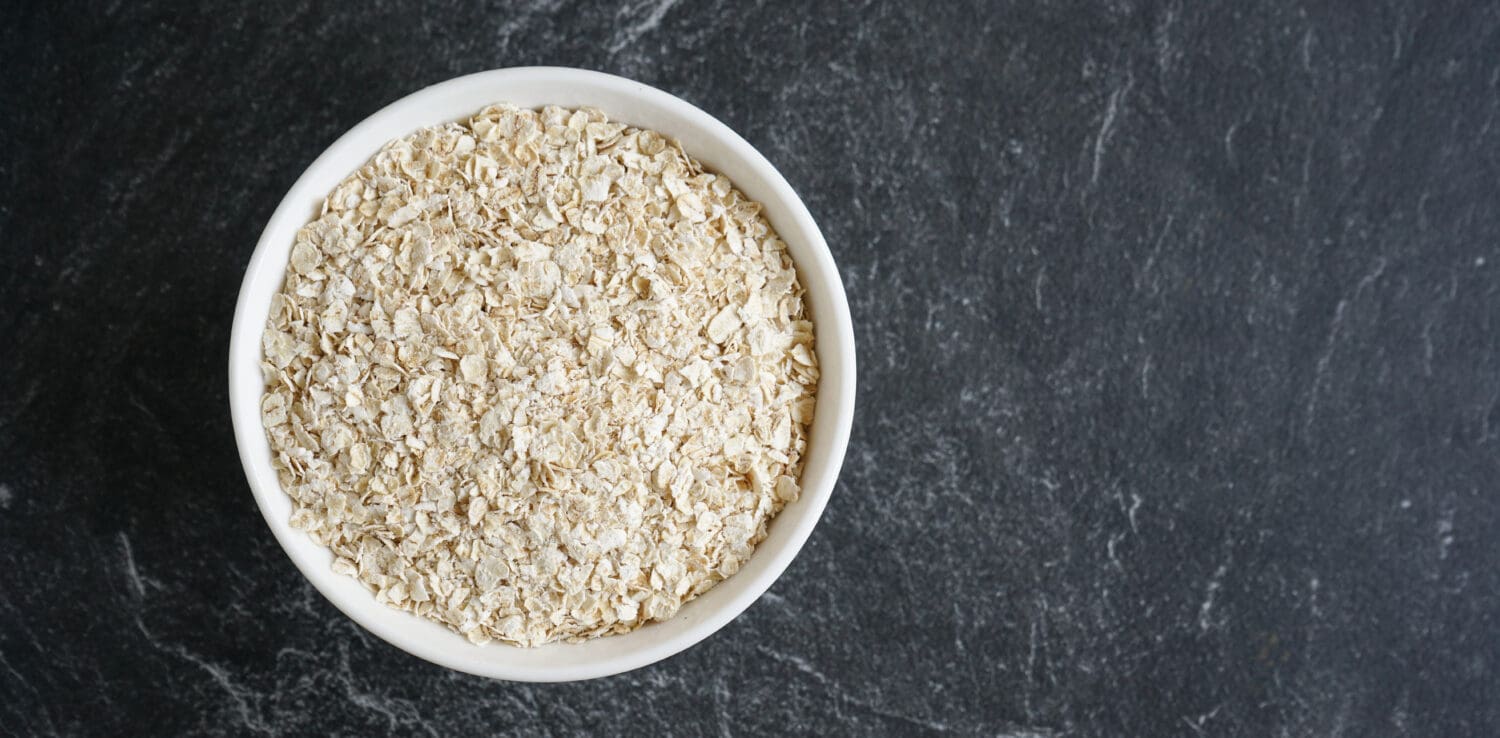
These are heavily marketed under "whole grain" and "heart healthy." But when you look at the amount of sugar included in most packages of flavored oatmeal, they start looking more like a treat than a meal. A single packet of oatmeal with maple and brown sugar can have 12 or more grams of added sugar in a single serving size.
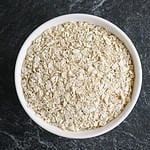
Unflavored rolled oats cost a lot less, take just as long to prepare in the microwave, and give you full control over how much sugar you want to add. A little bit of honey and some cinnamon will do the trick.
Fruit and Veggie Pouches
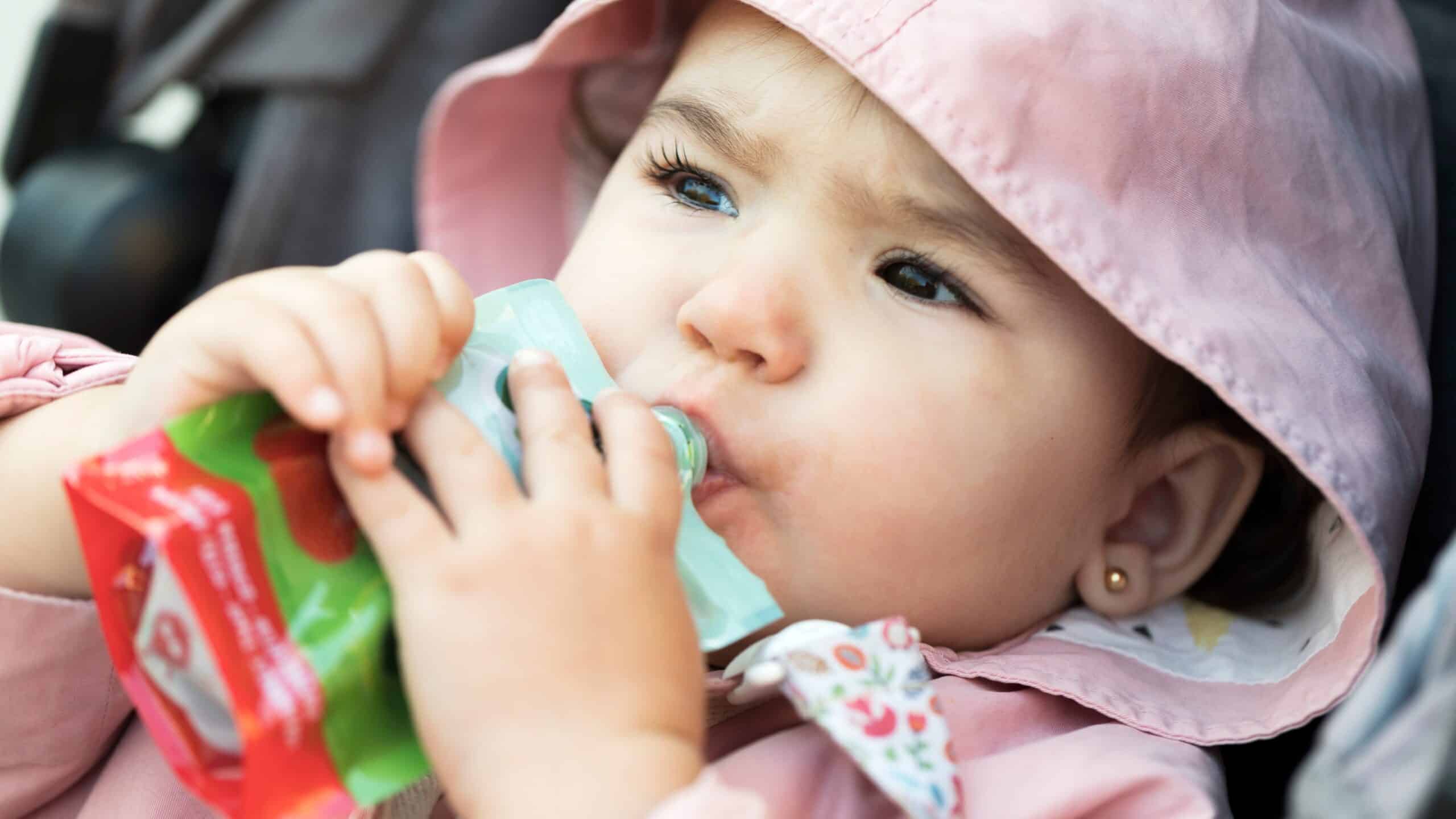
Fruit and veggies pouches feel like the practical choice, but kids outgrow them faster than most parents realize. Those fruit purees won't help your toddler develop the chewing and texture tolerance they actually need.
These pouches aren’t cheap either, and they are also low in fiber when compared to the actual fruit. While they can be used as a convenient alternative when travelling or on the go, they shouldn’t be part of your kids’ everyday meal plan.
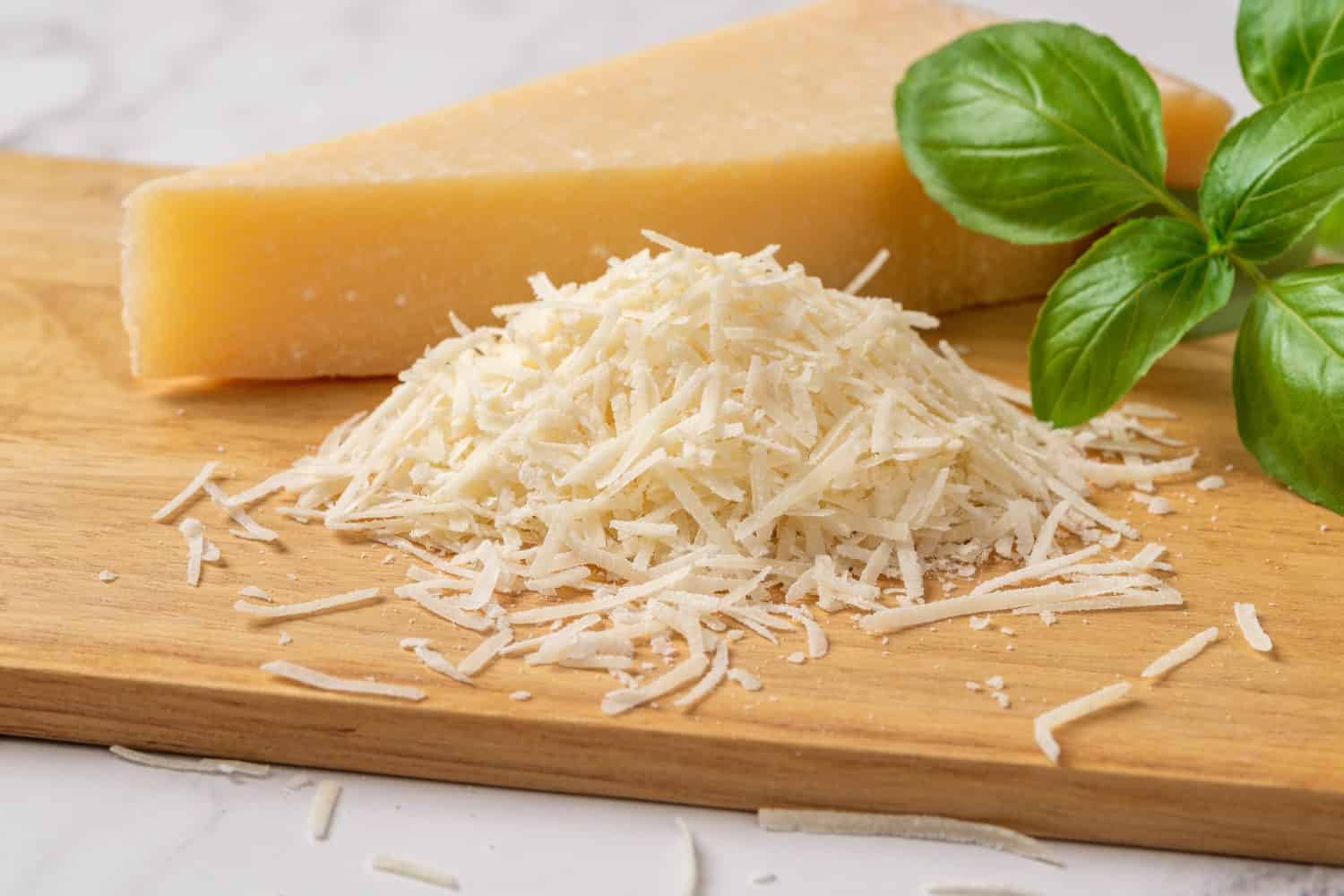
Pre-Shredded Cheese
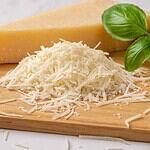
Pre-shredded cheese is dusted with an anti-caking substance like cellulose or potato starch to ensure it doesn’t clump inside the bag. While these anti-caking dustings aren’t necessarily bad for your health, they don’t allow the cheese to melt as fresh cheese would. Your quesadillas and grilled cheese sandwiches will be worse off for it. Block cheese is cheaper, melts perfectly, and only takes an extra minute to grate.
Bottled Kids' Juice
While the "real fruit" marketing that you’ll often see on juice boxes is technically accurate, it’s still completely misleading. The vast majority of juice products for children consist of a tiny portion of fruit juice mixed with water, sugar, and artificial flavors. Even 100 percent fruit juices are essentially liquid sugar with the fiber removed.
According to the American Academy of Pediatrics, infants under the age of one shouldn’t be drinking fruit juice at all, and kids between the ages of one and three should only drink four ounces per day. Squeezing a few oranges is time-consuming, but if you’re concerned about health, then it’s the safest route.
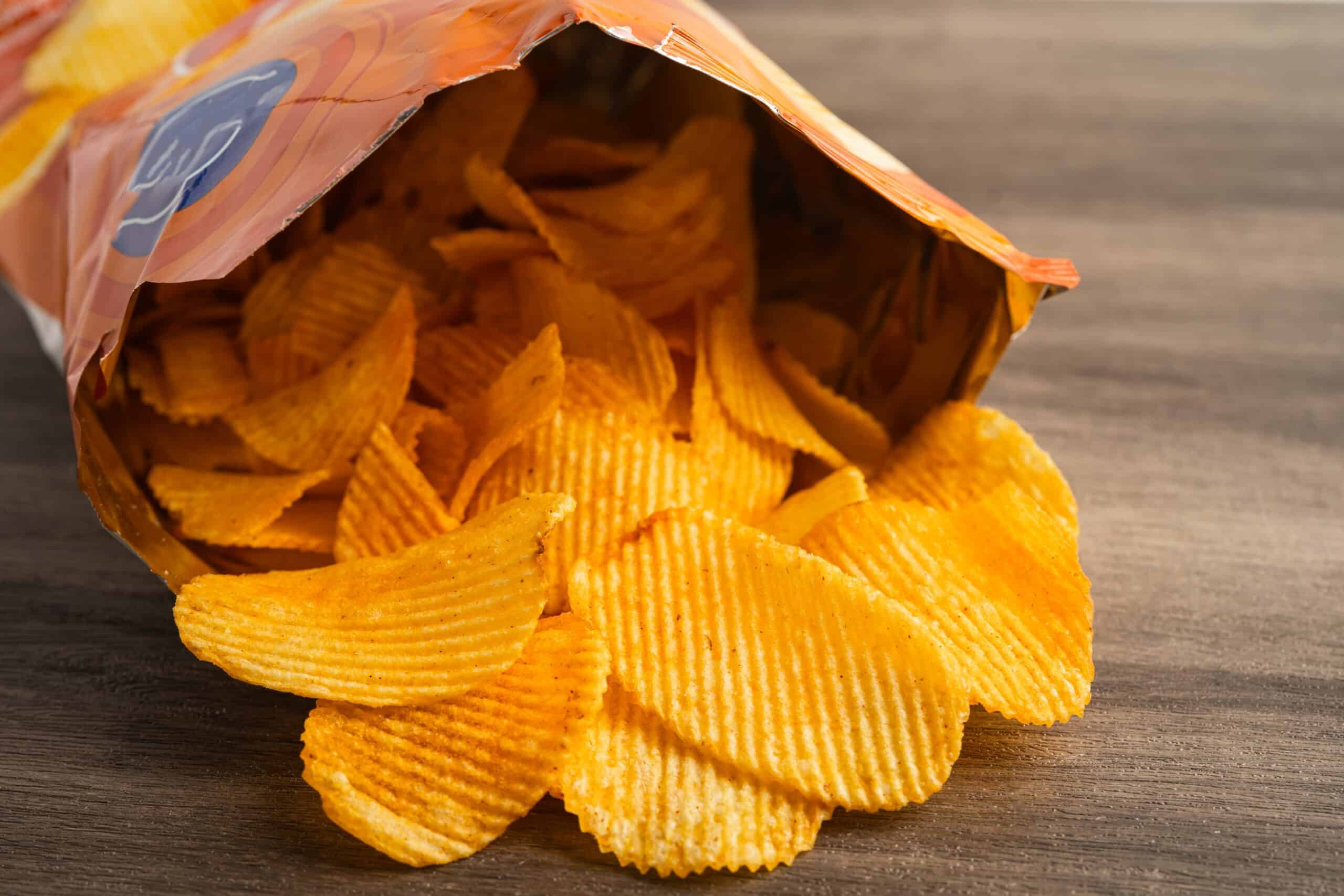
Single-Serve Snack Packs
Individual portions of crackers, chips, and cookies come with a hefty convenience tax. You're basically paying as much for packaging as you pay for the actual food. The price per ounce of the same item is always much lower when you buy a full-sized bag.
We know the portion control argument is real, but you easily achieve the same result by placing the snack in a reusable container yourself. This takes only half a minute and will definitely save a considerable amount throughout a month's worth of school lunches.
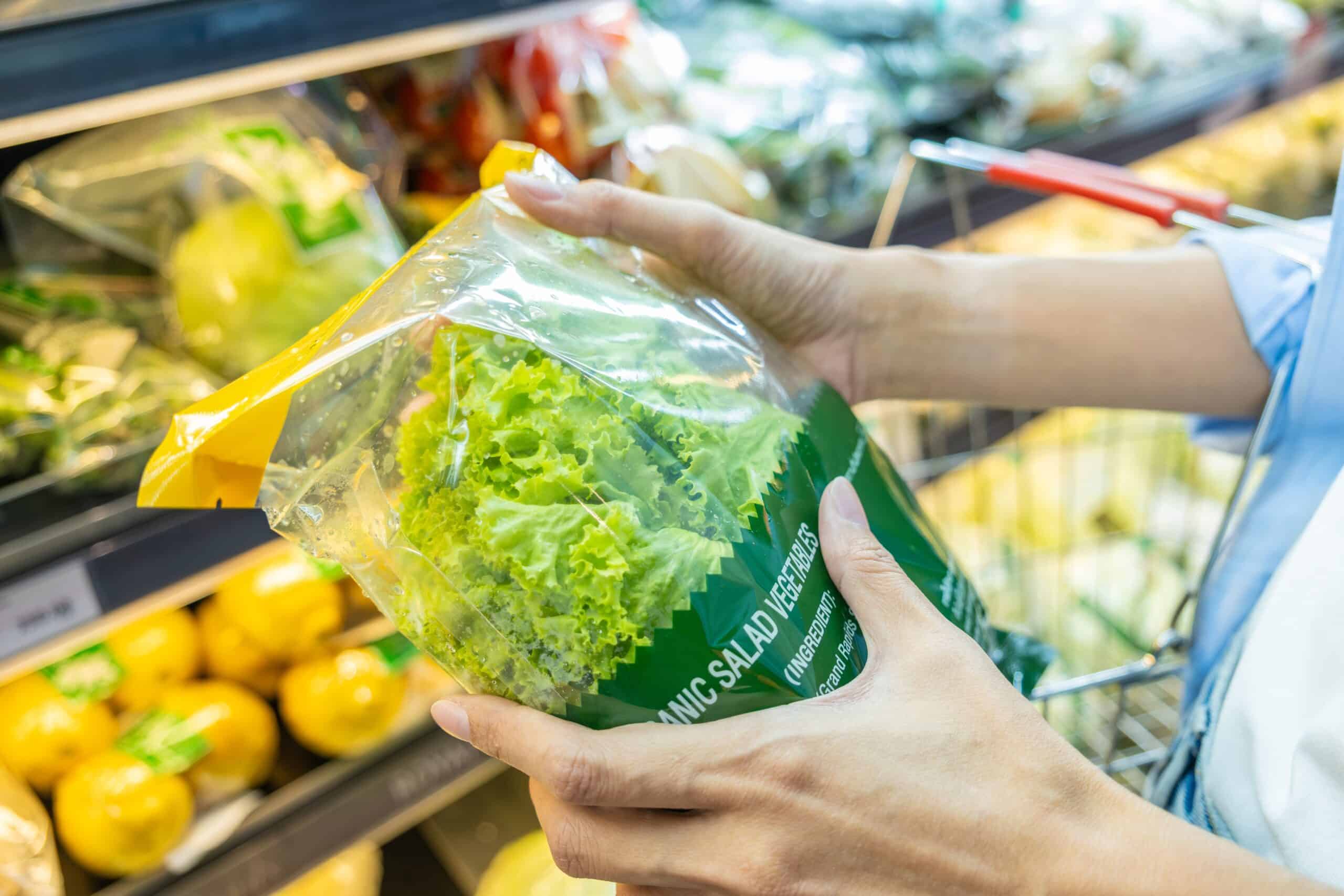
Pre-Washed Salad
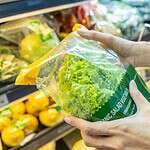
Bagged pre-washed salads seem like a sensible idea until you realize just how quickly they expire. The packaging that keeps the leaves fresh in the store doesn't hold up long once you open it. Much of the bagged salad ends up in the garbage bin in less than a week.
Paying for pre-washed salad is a waste of money. Getting the whole lettuce or spinach will cost less, and you only need to give it a quick rinse before preparing. These will also last much longer in your fridge.
Lunchables and Similar Tray Meals
Children love Lunchables for obvious reasons. Parents love them too because they don’t really have to prepare anything. Just pack them up, and they’re ready to go. They are convenient. But they’re also unhealthy. They have a lot of sodium and almost no vegetables.
The alternative is making a homemade tray yourself, which is cheaper and only takes a few minutes. You get to customize the tray according to your kid’s preference and control exactly what goes into each tray.
Grocery Store Meal Kits
Grocery store meal kits offer an alternative between cooking from scratch and ordering takeout. But most meal kits take 30-45 minutes to prepare, which is about as long as a basic recipe would have taken.
The cost of these meals is also high compared to buying the ingredients and the portion sizes tend to be modest. While these meal kits do help with the planning, they are generally not worth the price tag.
The Bottom Line
If these items end up in your shopping cart, it doesn't mean you're doing anything wrong. Some of them are actually convenient. But cutting them out is one of the easiest ways to save money and to have a healthier diet.
The image featured at the top of this post is ©Goksi/Shutterstock.com