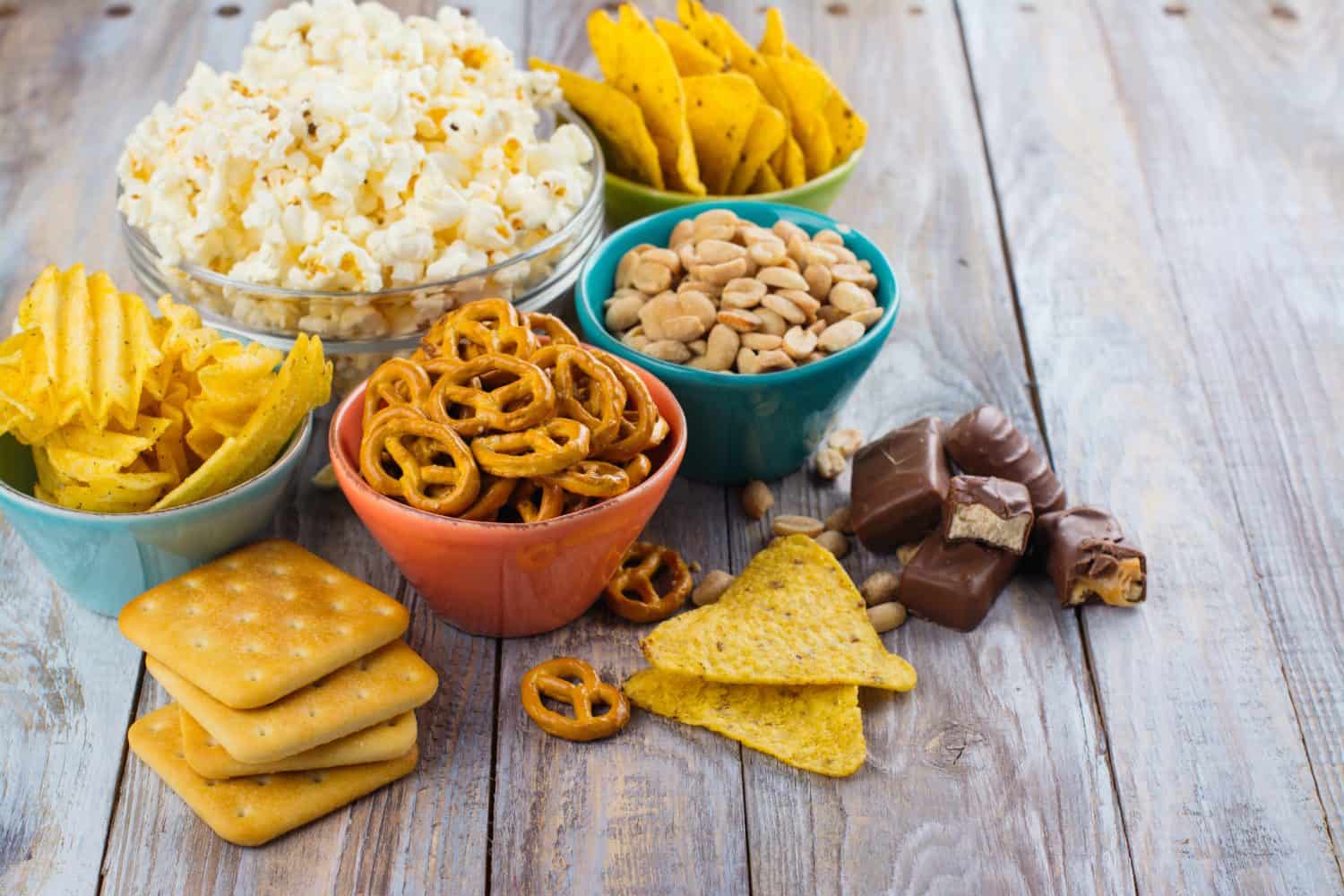
Most parents are not handing their kids candy at 3 pm. They are handing them a pouch, a tube, a foil wrapper, or a box with a cartoon on it. The difference is mostly marketing.
A lot of the snacks we give kids after school are not doing what they should be doing. They look like they have fruit or dairy. They use words like “wholesome” and “natural” and sometimes even “nutritious,” but nutritionists have been pushing back on this category for years, flagging these products because the labels change faster than the formulas do.
This doesn't mean your kids can't ever have a treat, but if the typical after-school snack is any of the ones listed below, you may want to switch them out. Here's what to start phasing out, and why.
Fruit Roll-Ups and Fruit by the Foot
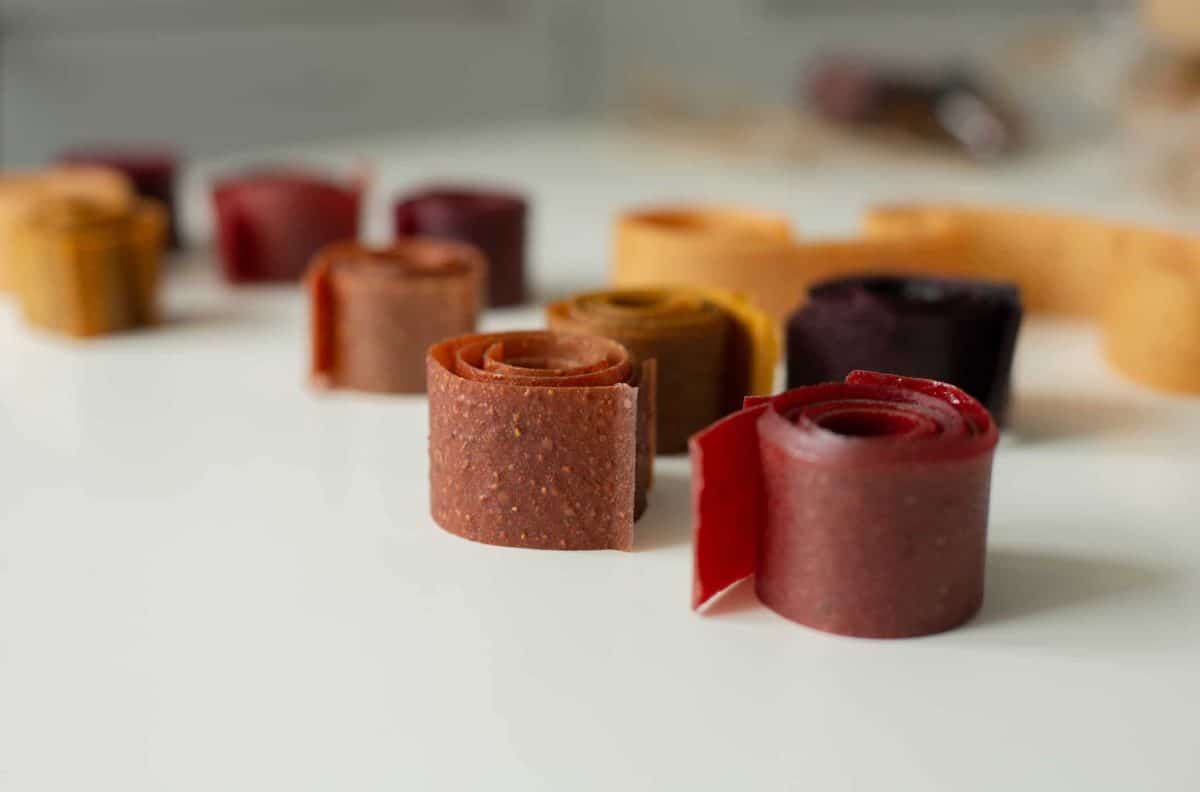
Fruit marshmallows rolled up lies on the table. Close-up.
©Dzmitry Skazau / iStock via Getty Images
There is almost no fruit in them. The main ingredients are corn syrup,sugar, and artificial dyes like Red 40 and Yellow 5. In 2011, General Mills was sued by the Center for Science in the Public Interest over misleading packaging that implied the product was nutritious, when it had the same nutritional profile as a pack of gummy bears.
The other issue is how kids eat them: slowly, unrolling and chewing over a long stretch of time. That means the sugar gets left on teeth for a longer duration than a typical sweet treat. The dental problem just adds to the nutricional issues.
Capri Sun and Similar Juice Pouches
Parents tend to trust juice because it is fruit, and fruit is healthy. The logic should hold up. But the pouch doesn't quite work that way. Standard Capri Sun varieties have had up to 13 grams of sugar per pouch, making sugar the second ingredient after water. Even after a 2022 reformulation that cut added sugar by around 40%, they are still juice drinks rather than juice, and that distinction matters.
Pediatric nutrition experts have noted that drinking juice drinks regularly is linked to weight gain and tooth decay in children, and the portion size of a pouch makes it easy to hand out two or three without thinking much of it. Water during a meal or plain sparkling water with a splash of real juice gets you most of the appeal without the daily sugar overload.
Microwave Popcorn (Movie Theater Butter and Extra Butter Varieties)
Plain air-popped or stovetop popcorn is a solid snack. It has whole grain, fiber and is low calorie. The movie theater butter and extra butter microwave varieties are a different food completely. They are usually high in sodium, with upwards of 270–500mg per serving, saturated fat from palm oil, and artificial butter flavoring compounds.

©demaerre / iStock via Getty Images
The bags themselves have also drawn scrutiny: a 2019 study found that people who ate microwave popcorn every day over the course of a year had PFAS levels up to 63% higher than average, prompting UCLA Health to recommend scaling back regular use. Switching to a stovetop or an air popper gets you the same snack without any of those health implications.
Lunchables Snack Packs
In 2024, Consumer Reports tested 12 lunch kit products and found that all of them had high sodium. Lunchables led the pack. The Turkey and Cheddar Cracker Stackers variety alone hit 49% of a child's daily recommended sodium limit in a single serving. The school cafeteria versions had even more sodium than the store versions.
Beyond sodium, the processed deli meats in most Lunchables have been classified by the World Health Organization as carcinogenic. The crackers are refined flour with additives. Getting the real stuff and making a tray yourself is cheaper and healthier. It takes a few minutes but it’s worth doing.
Flavored Rice Cakes (Caramel, White Cheddar, Chocolate)
Plain rice cakes are reasonable, but flavored varieties are a very different thing. Caramel and chocolate drizzle versions add sugar, and the white cheddar and ranch flavors pile on sodium. Regardless of flavor, the fundamental problem is that rice cakes have almost no fiber, no protein, and a high glycemic index, meaning blood sugar spikes fast and kids are hungry again in 20 minutes.
Parents buy these thinking “light snack,” and from the calorie count, yes, that's technically true. But a snack that doesn't hold kids through to dinner isn't doing the job a snack is supposed to do. If paired with peanut butter or a protein, they become useful. Out of the bag by themselves, especially the flavored ones, they're mostly air and sugar.
Off-Brand String Cheese (The Kind That Says “Cheese Product”)
String cheese is a decent snack. It has real mozzarella with protein and calcium. The off-brand and store-brand versions that say “pasteurized prepared cheese product” on the label are a different food, legally. That label means the product isn't subject to the same FDA standards as real cheese. It doesn't have to meet minimum cheese-content thresholds, and can use milk protein concentrate or any other filler ingredients.
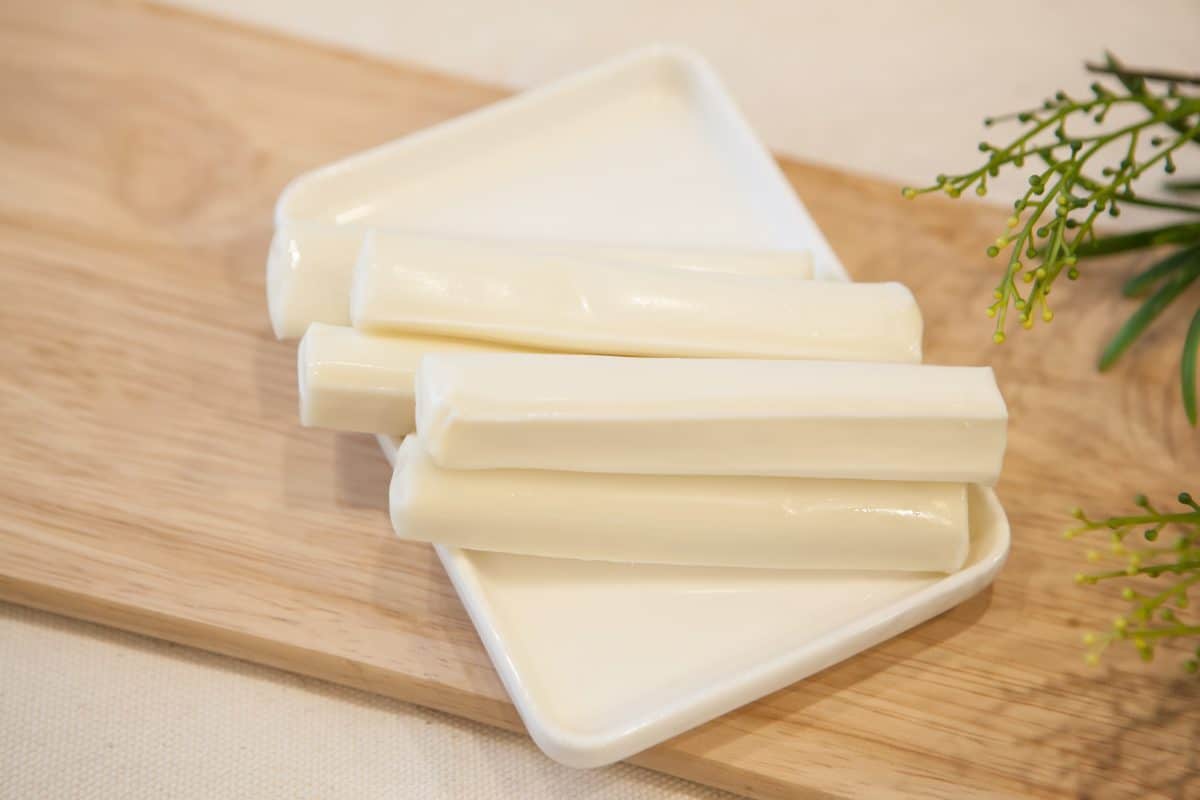
©"String cheese" by 이동원 lee is licensed under CC0 1.0. – Original / License
The protein and fat profile of a cheese product is different from the real thing. Just checking the label for “mozzarella” or “part-skim mozzarella” as the first ingredient takes about three seconds and ensures kids are getting the snack you think you're giving them.
Gushers
Gushers are Fruit Roll-Ups with a liquid sugar center, which makes them more appealing to kids and more concerning for us parents. They are basically candy: corn syrup, sugar, artificial dyes, and no fiber or protein. “Fruit” is doing heavy lifting when it comes to marketing, but the product contains very little fruit.
What makes these harder to moderate compared to a bag of gummy bears is the packaging. A multi-pack pouch looks like a portioned snack, but kids routinely eat the whole pouch in one sitting. If they are going to have a sweet treat, a smaller portion of something clearly labeled as candy is usually a more honest trade.
Hi-C, Sunny D, and Similar Juice Drinks
Worth calling out separately, because the sugar numbers are stark. One Hi-C juice box contains around 25 grams of sugar, which is more sugar per ounce than regular Coke. Sunny D leads with vitamin C on the front label while the 11 grams of sugar in a 6.75-ounce bottle sit in much smaller print on the back. Research from the Rudd Center for Food Policy and Obesity found that most parents who gave their kids these drinks believed they were healthier than soda, but the nutritional labels tell a different story. The vitamin C fortification doesn't offset the sugar load. Whole fruit gets you both.
Granola Bars That Are Basically Cookies (Quaker Chewy, Nature Valley Sweet & Salty)
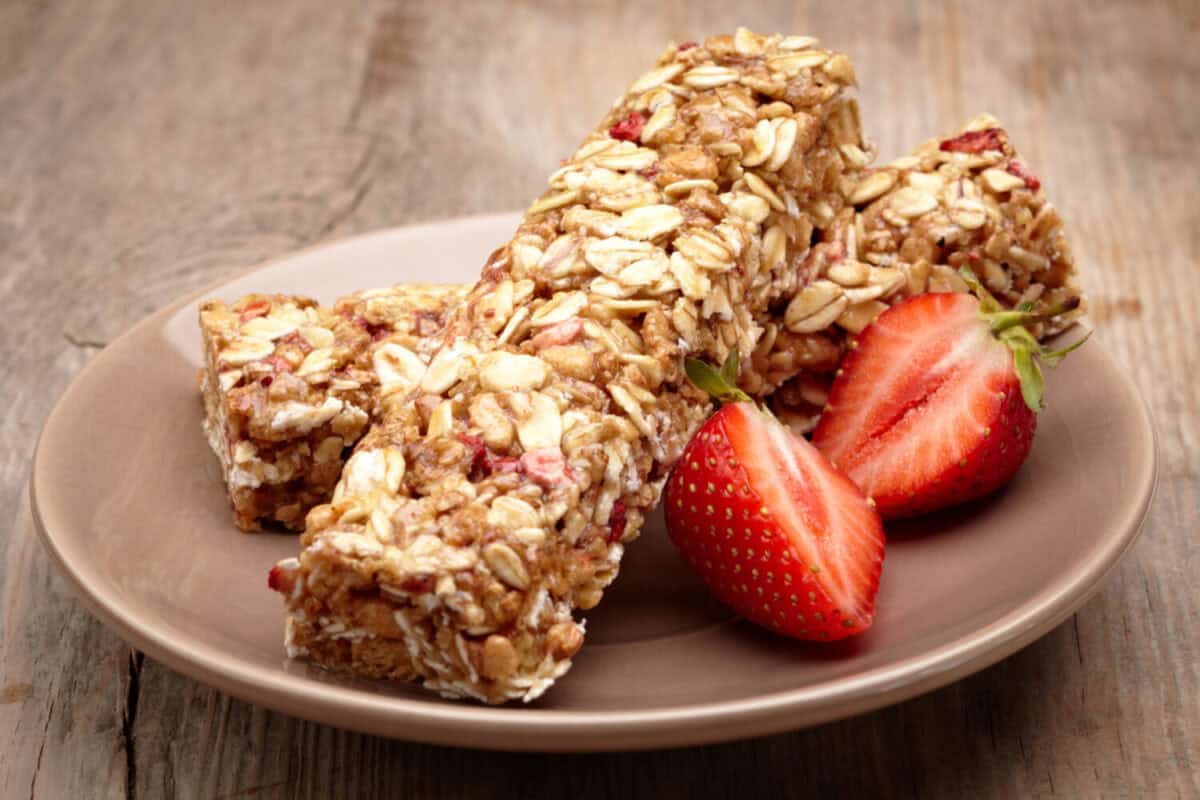
The granola branding does a lot of work on these. The average Quaker Chewy bar has around 7 grams of sugar per serving, and the chocolate chip varieties include chocolate chips, corn syrup, invert sugar, and several forms of added sweetener in the ingredient list. The Sweet & Salty Nature Valley varieties push higher. They’re basically cookies that got a rebrand somewhere in the 1980s.
©baibaz/Shutterstock.com
If a granola bar is the goal, look for bars with whole grains or a nut as the first ingredient, with under 5 grams of added sugar and at least 3 grams of fiber and 4 grams of protein. Most of the name-brand options in the checkout lane don't meet that bar.
Go-Gurt and Flavored Yogurt Tubes
Yogurt is a good snack. A three-tube serving of Go-Gurt is a different thing. It contains up to 18 grams of added sugar. That’s three-quarters of what the American Heart Association recommends children eat in an entire day. Sugar is the second ingredient. Nutritionists classify it in the “occasional treat” category, not suitable for a daily snack.
They are convenient. No spoon needed; they are easy to pack, and kids will eat them without a fight. But you can get most of that same convenience with a squeeze pouch of plain Greek yogurt or small jars of plain full-fat yogurt. You can mix the latter with fresh or frozen fruit at home. More protein, less sugar.
The image featured at the top of this post is ©Ekaterina Markelova/Shutterstock.com