
Creative expression is a natural and healthy part of any child's life. Whether it's through the clothes they wear or the way they choose to accessorize, individuality is a powerful confidence builder. It says to the world, “This is who I am, and I love myself.” Pretty cool for a kid, right? And when it comes to your daughter, her interest in makeup is another facet of expression. And though you knew the day would come when her interest piqued, it's normal to wonder if it's too soon.
With so many things to consider, we speak with Sarah Seung-McFarland, a licensed psychologist who specializes in fashion and design psychology. With an extensive background in child development, trauma, and abuse, she provides some insight on how to approach makeup with your daughter.
Is Your Daughter Too Young for Makeup?
©Sjale / Shutterstock.com
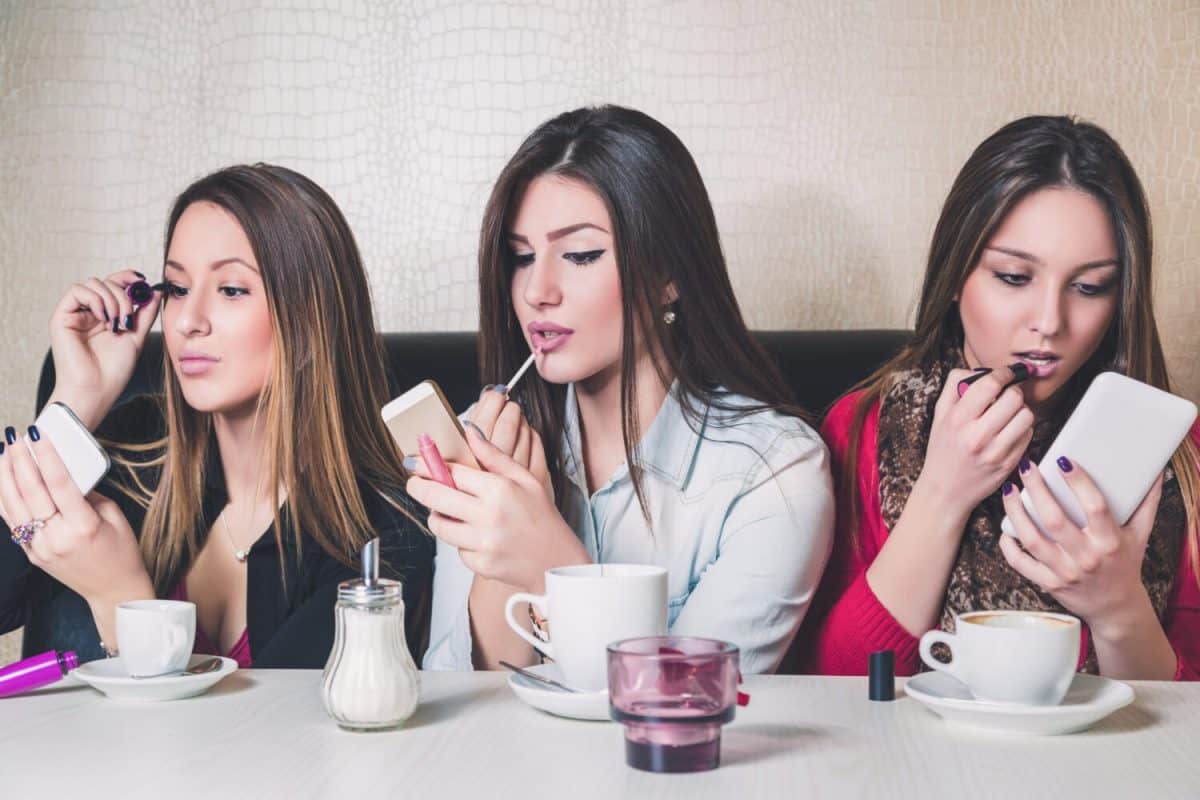
The answer is not as easy as a simple “yes” or “no.” When it comes to teenagers (age 13 and older), Seung-McFarland says an interest in makeup is almost guaranteed. “They are at an age where they are establishing a sense of identity and trying to figure out who they are and how they want to present to the world,” she shares. “While parents are the center of a child's world, in adolescence, peers become more central to their social and emotional experience. So having a teen who is interested or wants to wear makeup is very consistent with their development.”
If your daughter is younger than this, any request for makeup can feel scary. Questions arise, such as, “How will her peers see her?” “How will her school react?” “Will it draw the wrong type of attention?” And, one of the most common concerns: Why is my tween asking about makeup at such a young age?
The Drive Behind a Desire to Wear Makeup
Often, fitting in, exploring personal identity, or learning from peers is at the root of makeup desires. Seung-McFarland encourages curiosity around these, rather than allowing fear to take over. “When teens express interest in makeup for social approval, it’s often a reflection of normal developmental needs for belonging and acceptance among peers. So instead of shutting it down, I’d explore those needs and get curious about what's motivating them,” she says. Seung-McFarland emphasizes that conversations about self-worth are essential during this time.
“You can acknowledge that it’s normal to admire someone or want to be liked, while also helping them understand that if that attention isn’t reciprocated, it doesn’t take anything away from who they are,” she explains. Seung-McFarland adds that parents should distinguish between seeking validation and using makeup as a tool for confidence. “I’d gently reframe what role makeup is playing for them. Instead of using it to get validation, encourage them to use it to express who they already are, to feel like the best version of themselves, not a version that’s trying to earn approval,” she says.
How Much Makeup Is Too Much?
While this is certainly a question, Seung-McFarland says it might not be the question to ask. “More important questions are why do you want to wear make-up, who are you wearing it for, what is your inspiration, and what are you hoping to gain?” she tells us. “These help clarify motivation, and if it is ‘too much,' which is often impacted by cultural norms, it creates an opportunity to have a discussion and set expectations around what feels appropriate for that teen.”
©lokisurina / Getty Images
Shifting the mindset away from age and level of appropriation also creates an opportunity for trust. Your daughter may have underlying feelings of insecurity or genuine curiosity. Both of these can be met with openness and honesty. Additionally, it's a way to connect with your daughter as she goes through this exploratory phase. “Parents can engage with their teens around skincare and beauty as a way to connect around something the teen is already interested in. This way, parents are in a better position to guide how makeup is used, framing it as a creative outlet rather than something driven by pressure or insecurities around appearance and body image,” Seung-McFarland encourages.
Skincare Considerations
Makeup also raises questions about hygiene and product types. It does come with some level of commitment, especially when puberty hits. Skin can be unpredictable around these ages, and makeup can help or hinder your daughter's self-esteem. Talking about makeup removal is another good way to gauge if your daughter is ready. Breakouts, zits, and sensitivity are common, and any makeup skincare routine should address that. This is also a great time to talk about things such as regular makeup brush cleaning and how to remove waterproof makeup.
Cleveland Clinic recommends choosing products with your daughter, something Seung-McFarland also encourages. Products formulated for sensitive skin, without additives such as retinol, salicylic acid, or other treatments, are recommended. While makeup is generally safe, it's best to use products designed for your daughter's age group. Unnecessary acids and minerals can even damage fragile, pre-pubescent skin, according to Canadian Lifestyle.
It's also crucial to emphasize that makeup and applicators should not be shared, as this can spread bacteria. Applying makeup to a dirty or sweaty face can also lead to breakouts and clogged pores. This can worsen irritation, which doesn't make for a good first experience. Pro tip: Try a test patch with your daughter first to ensure new makeup won't cause any reactions.
Turn Makeup Into a Bonding Moment
If you're still nervous about your daughter's foray into the makeup world, you're not alone. Seung-McFarland says there are several things parents can do to be part of the adventure, rather than struggling to control it. When it comes to giving rules, she says the focus should be on encouragement. “I'd focus on being supportive rather than restrictive. As a general guide, I'd say age-appropriate makeup that enhances or allows for expression rather than drastically changing how they look is best,” Seung-McFarland suggests.
©Jacob Lund/Shutterstock.com
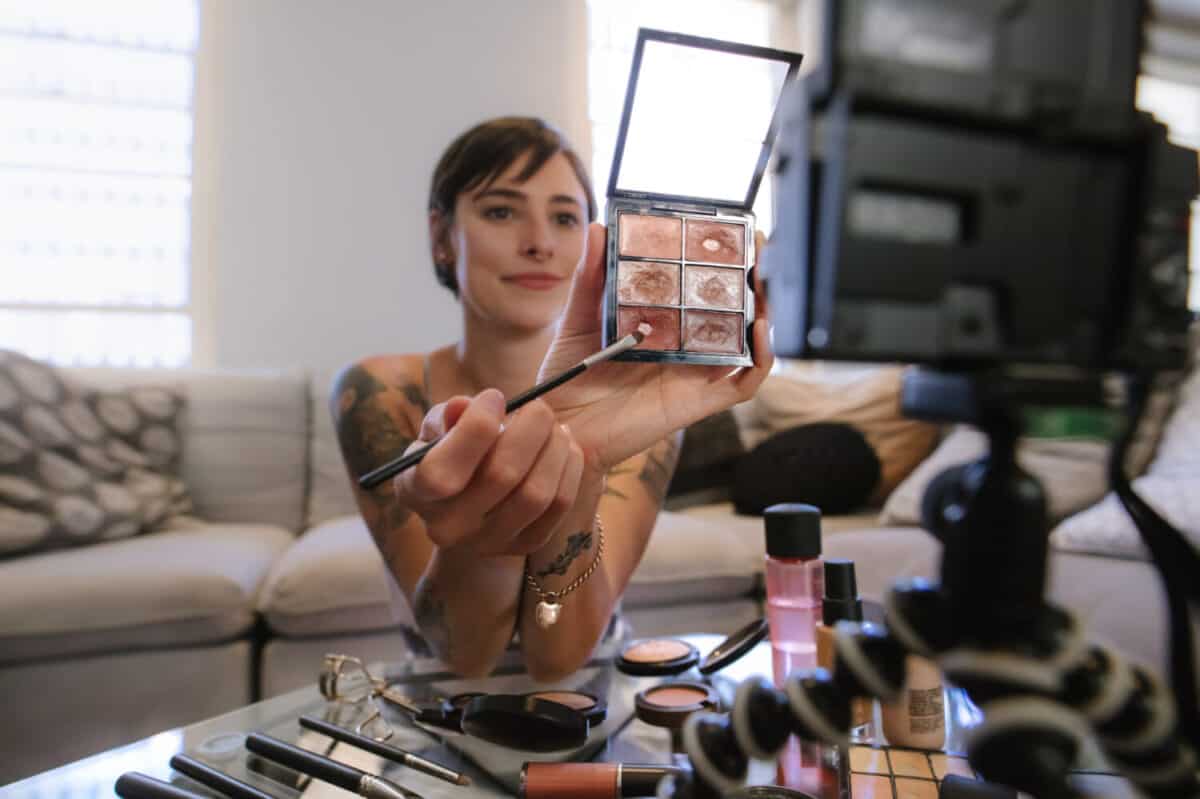
“And how parents show up in the process is just as important,” she adds. “For instance, going to the store together, trying things out, even just being interested in what your teen is drawn to, can really make a difference. It becomes less about the makeup itself and more about connection. Shopping together can create space for conversation, for understanding what’s influencing them, and for building positive associations around memorable moments. When teens feel heard and understood, they’re more likely to develop confidence.”
Finding Age-Appropriate Makeup
Popular brands for teens include cruelty-free makeup such as E.L.F. and Nyx. Contrary to popular belief, makeup doesn't need to be expensive to be great for sensitive skin. Tweens will benefit from the range of these and also their gentle formulas. The affordable price tag is an added benefit, allowing tweens and teens to experiment without too much commitment to a single product. Both also offer makeup kits and palettes, many of which include tutorials on layering colors and products.
Another thing to consider is the types of products. By shopping with your daughter, you can determine together what she needs. Steer clear of heavy foundations that can cause breakouts (especially if your skin doesn't need the coverage yet!), and opt for lighter options like tinted sunscreens and BB creams. Clean mascaras, cruelty-free eyeshadows, lip balms, and lip stains will also be a tween's best friend.
Brands such as Summer Fridays, Physician's Formula, and Pacifica all offer more natural products that are suited for changing skin. Pro tip: Make this shopping experience even better by doing your own makeup with your daughter and showing her the ropes.
The image featured at the top of this post is ©1stockphotopro/Shutterstock.com