Classic Diner Foods Families Still Love Across America
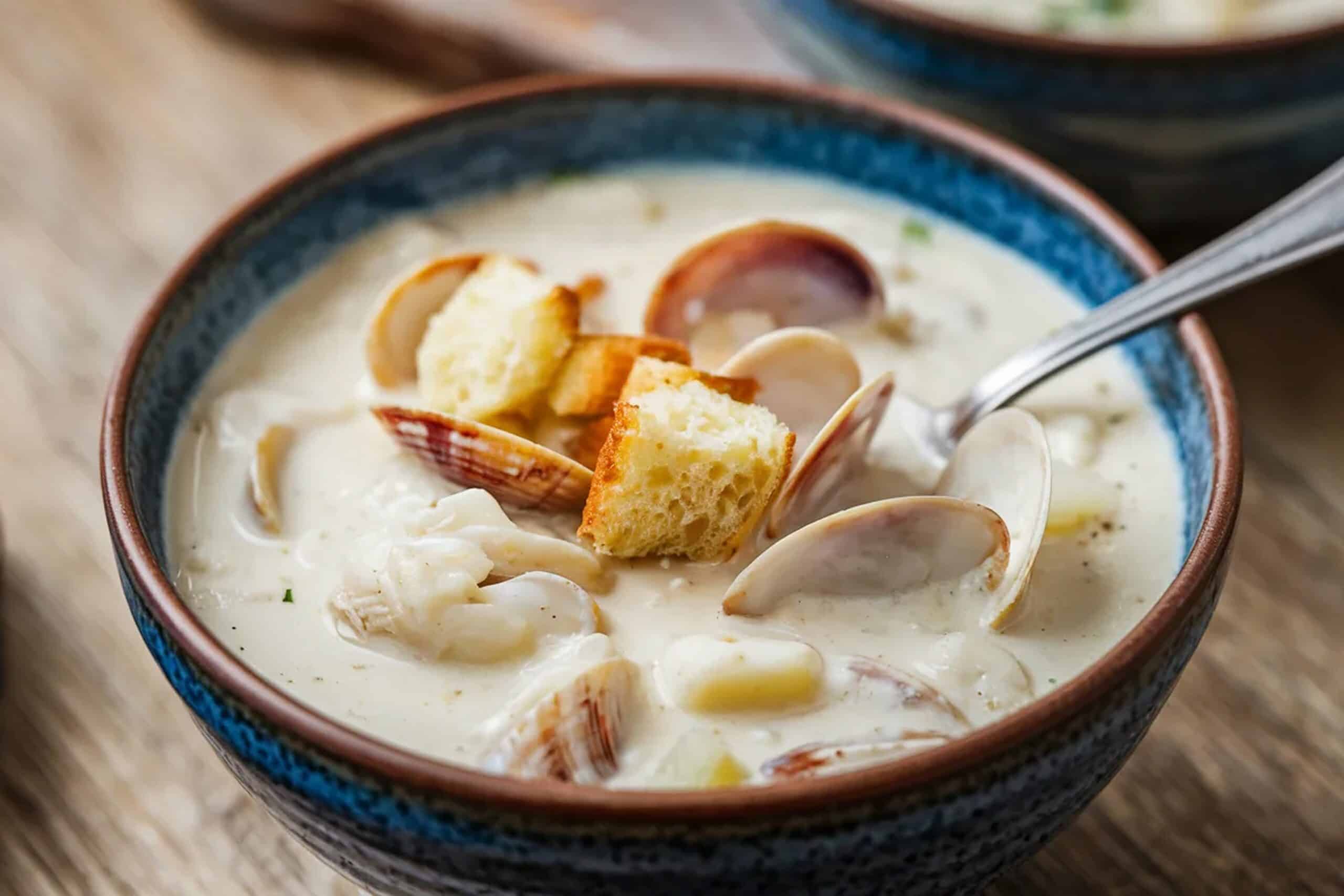
Ask someone to name a classic New England dish, and there’s a good chance clam chowder is the first thing they’ll say. That’s not just because it shows up on so many restaurant menus. This creamy, hearty soup has been part of the region’s food story for generations, going back to coastal communities where fishermen and families made the most of what they had nearby. Clams were plentiful, potatoes were filling, and together they became one of America’s most recognizable comfort foods.
New England clam chowder stands out because of its rich milk or cream base, tender clams, potatoes, and often salt pork or bacon for extra flavor. It was the kind of meal that made sense after a long, cold day near the water: warm, simple, filling, and satisfying. Over time, it became more than just a practical dish. It became the kind of food people associate with family trips, seaside diners, chilly afternoons, and bowls served with oyster crackers on top.
New Englanders are famously protective of their chowder, especially when anyone tries to add tomatoes. In fact, the divide between creamy New England clam chowder and tomato-based Manhattan clam chowder became so serious that Maine lawmaker Cleveland Sleeper introduced a 1939 bill that would have made it illegal to put tomatoes in clam chowder. The bill never became law, but the message was clear: in New England, chowder is not just soup. It’s tradition.
Mid-Atlantic: The Cheesesteak
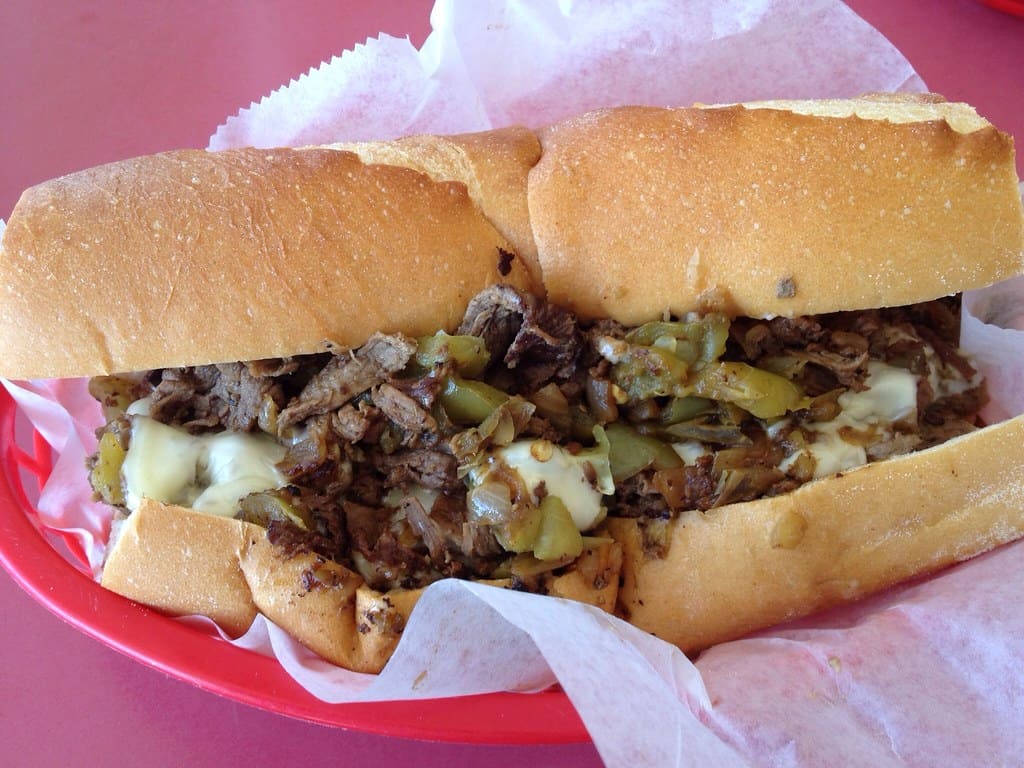
The cheesesteak is Philadelphia's big claim to fame in the American sandwich world, and the city's pretty serious about it. You take thin ribeye, cook it up on a flat griddle, stuff it into a long hoagie roll with some melted cheese, and you’re pretty much done. No need for lettuce or tomatoes. You don't want anything taking away from the beef. The only real decision is the cheese: Cheez Whiz for the classic, provolone or American if you want something milder.
Brothers Pat and Harry Olivieri, who ran a hot dog stand near South Philadelphia's Italian Market, invented the sandwich in 1930 after casually throwing beef scraps on the grill. A curious cabbie caught the smell, grabbed a bite, and loved it. Word got around, and soon enough, the recipe exploded. Pat then opened Pat's King of Steaks, which is still operational to this day.
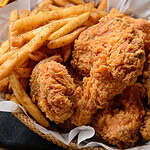
The South: Fried Chicken
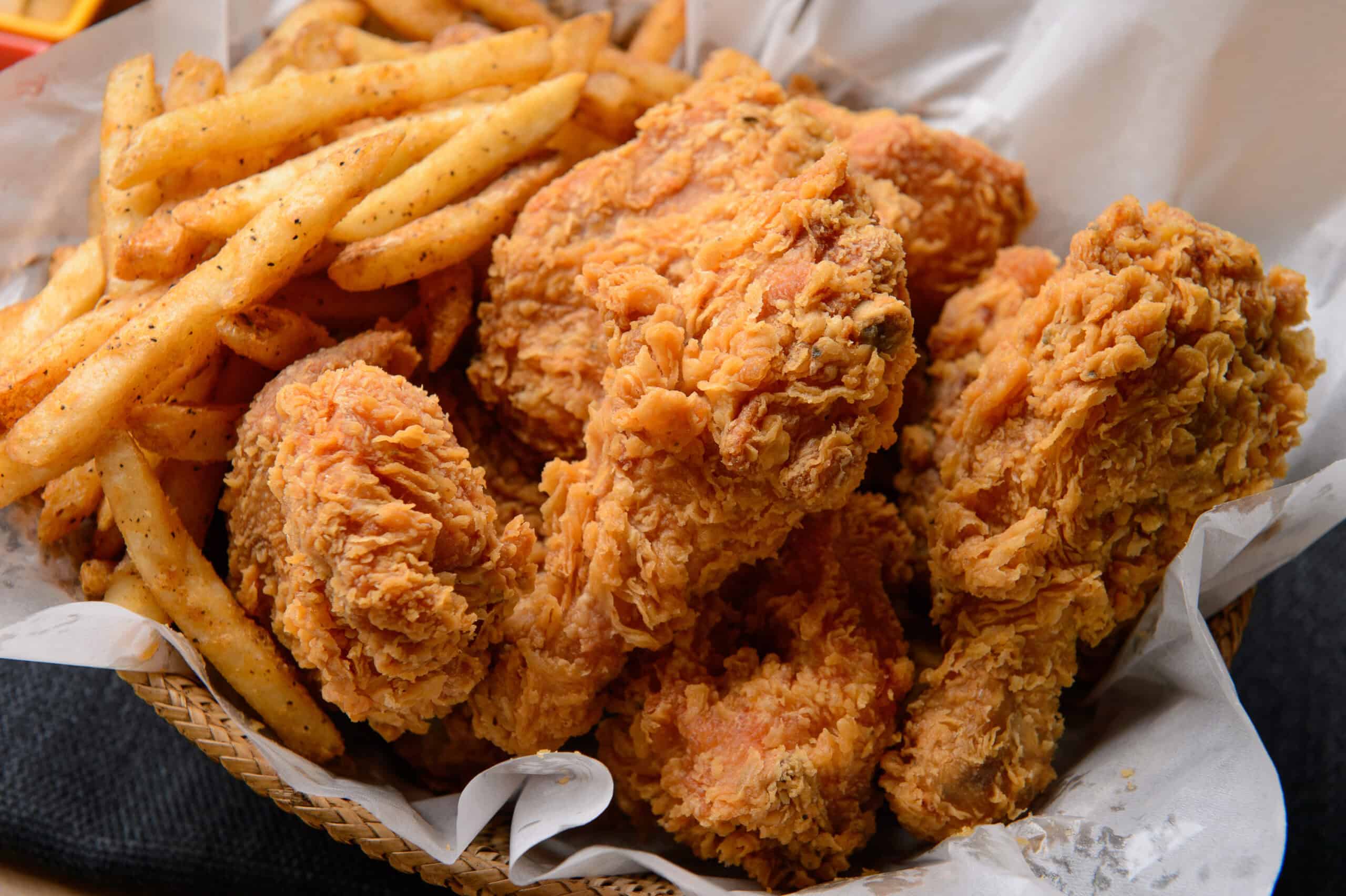
Fried chicken's everywhere nowadays, but it has its roots in the American South. Those roots come with a unique backstory. Scottish settlers brought the technique of frying chicken in fat to the colonies, and enslaved African cooks perfected the recipe. Centuries later, the South made it famous.
By the 20th century, Southern hospitality wouldn't be complete without fried chicken at church events and family get-togethers. There are many popular variations: Nashville's hot chicken with its cayenne paste coating and pickles is quite different from Georgia's buttermilk-brined bird. Both versions are unmistakably Southern.
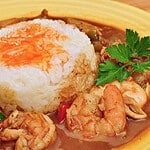
Louisiana: Gumbo
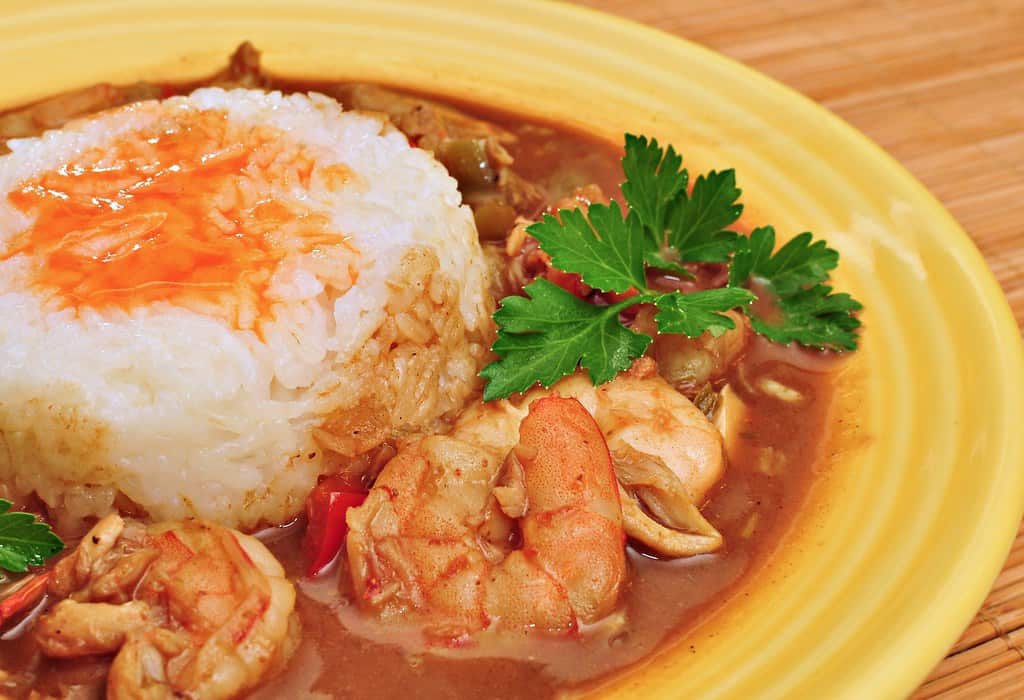
While gumbo is Louisiana’s most iconic regional dish, its origins are international. Over the centuries, folks mixed different cooking traditions from everywhere that passed through. Its name most likely comes from the Bantu word "ki ngombo," meaning okra, which helps thicken the stew. Some scholars also point to the Choctaw word "kombo" as an alternative origin.
The French added the roux, the Spanish brought sofrito, and locals adapted it into their own holy trinity: onions, celery, and bell peppers. Eventually, Creole and Cajun chefs blended all those elements, making something uniquely Louisianan.
Folks in Louisiana love debating which type of gumbo is more genuine: Creole gumbo, known for including tomatoes and seafood, usually found in New Orleans, or Cajun gumbo, which uses a darker roux along with chicken and andouille sausage. They’re both as genuine as they are delicious.
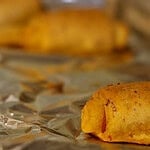
Appalachia: The Pepperoni Roll
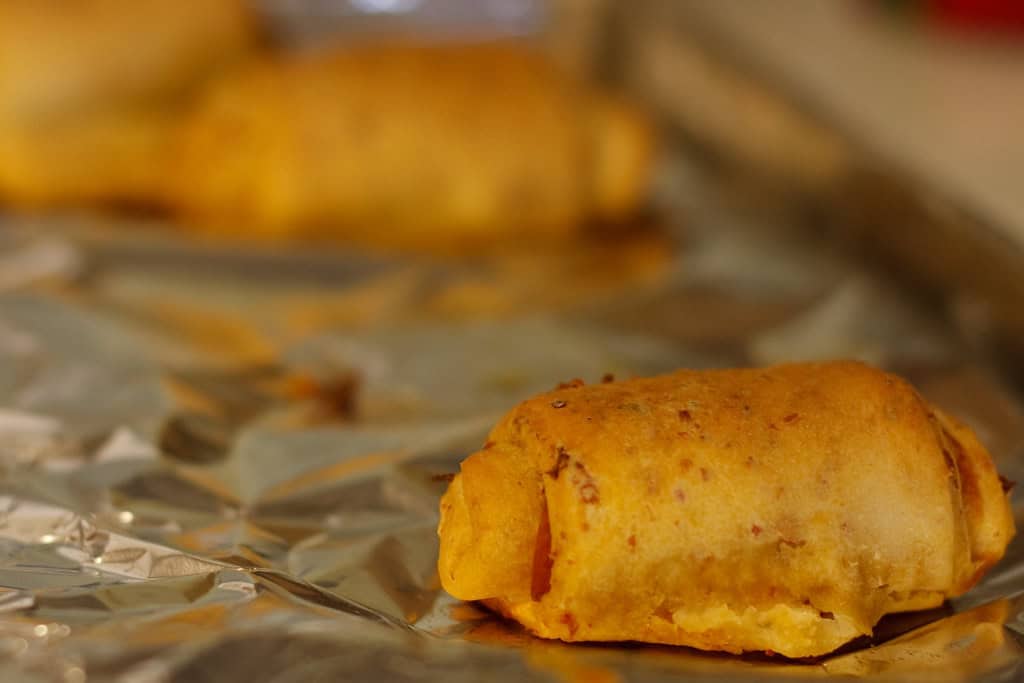
Most folks outside West Virginia don't know about the pepperoni roll. But in West Virginia, you'll find them pretty much anywhere: gas stations, bakeries, and school cafeterias. Locals love them, and it’s easy to see why. Soft white bread, pepperoni inside, the fat from the meat soaking into the dough while it bakes.
The dish dates back to 1927, when Giuseppe Argiro, an Italian immigrant who had worked in the coal mines of north-central West Virginia, opened the Country Club Bakery in Fairmont and started selling pepperoni rolls as a miner's lunch. He knew miners needed something that could be easily eaten underground with one hand and that kept them fueled through a long shift.
Italian immigrants brought their food traditions with them when the booming mining industry drew them to the region, and the pepperoni roll was the natural evolution. Now, there's a historical marker standing outside the original bakery. The pepperoni roll hasn't changed much since it was introduced.
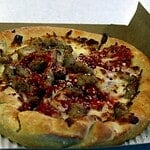
Midwest: The Chicago Deep-Dish Pizza
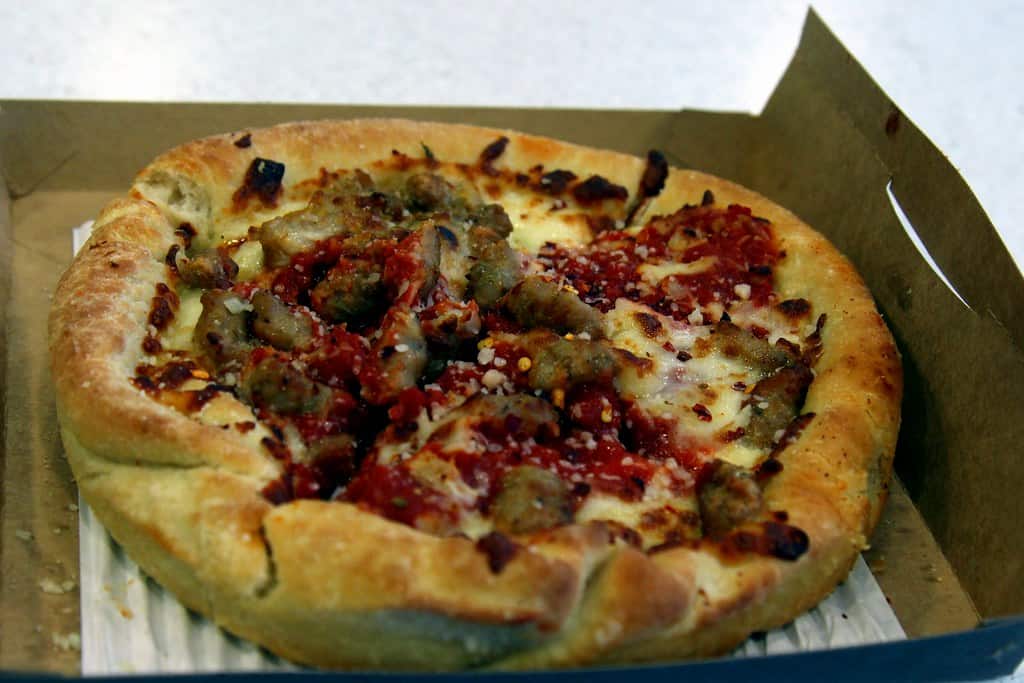
The deep-dish pizza has thick walls, high sides, cheese on the bottom, toppings in the middle, and chunky tomato sauce on top. It’s like someone forgot how to make a pizza midway through and somehow ended up with something even better.
Its origins trace back to Pizzeria Uno, which opened in Chicago in December 1943. The credit for the actual recipe, however, has been disputed for decades. Ike Sewell, Ric Riccardo, and kitchen manager Rudy Malnati Sr. have all received varying degrees of attribution depending on who's telling the story.
New York and Chicago have argued about this for ages, but the deep-dish pizza is definitely Chicago's own creation.
Texas: Brisket
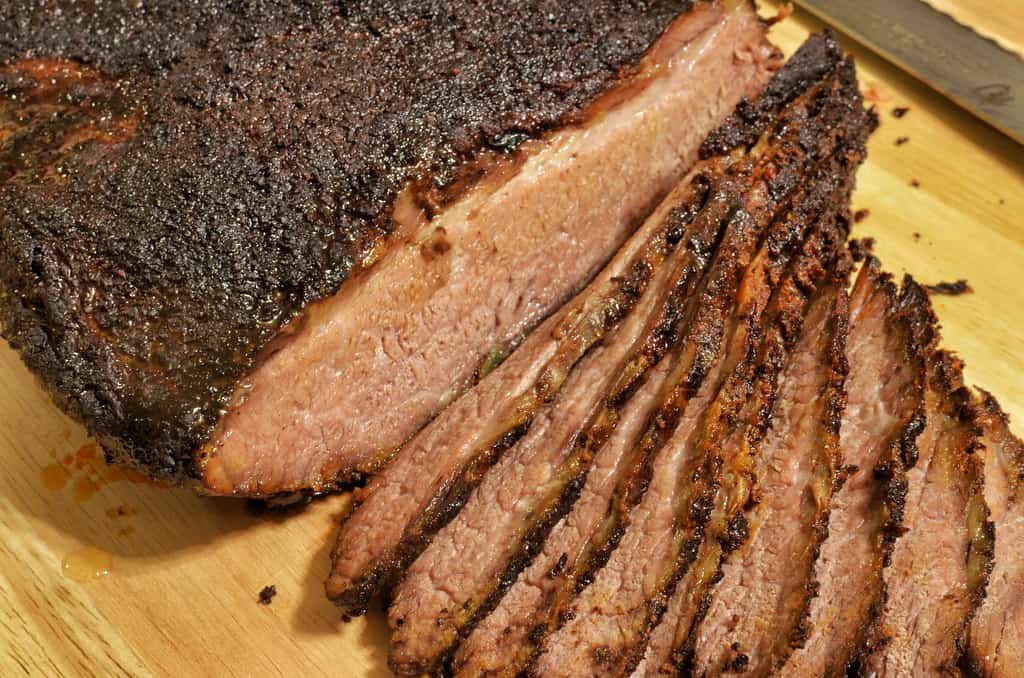
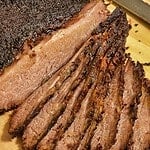
Texans take barbecue seriously, and brisket even more so. In Central Texas, it's smoked low and slow over post oak and seasoned with just salt and pepper, no sauce needed. The bark on the outside is dark and crispy, and the meat inside comes right off. The smoke ring tells you it was done right.
This method for cooking brisket traces back to butcher shops in towns like Lockhart and Elgin. In the 1800s, immigrants from central Europe brought their own smoking traditions to Texas and applied them to brisket, a tough and cheap cut that needed slow heat to become something worth eating. What started as a butcher's method for preserving and selling meat became a regional obsession.
Nowadays, Lockhart's known as the barbecue capital of Texas, and legendary spots like Kreuz Market and Black's Barbecue have been operating there for generations.
Southwest: Green Chile Stew
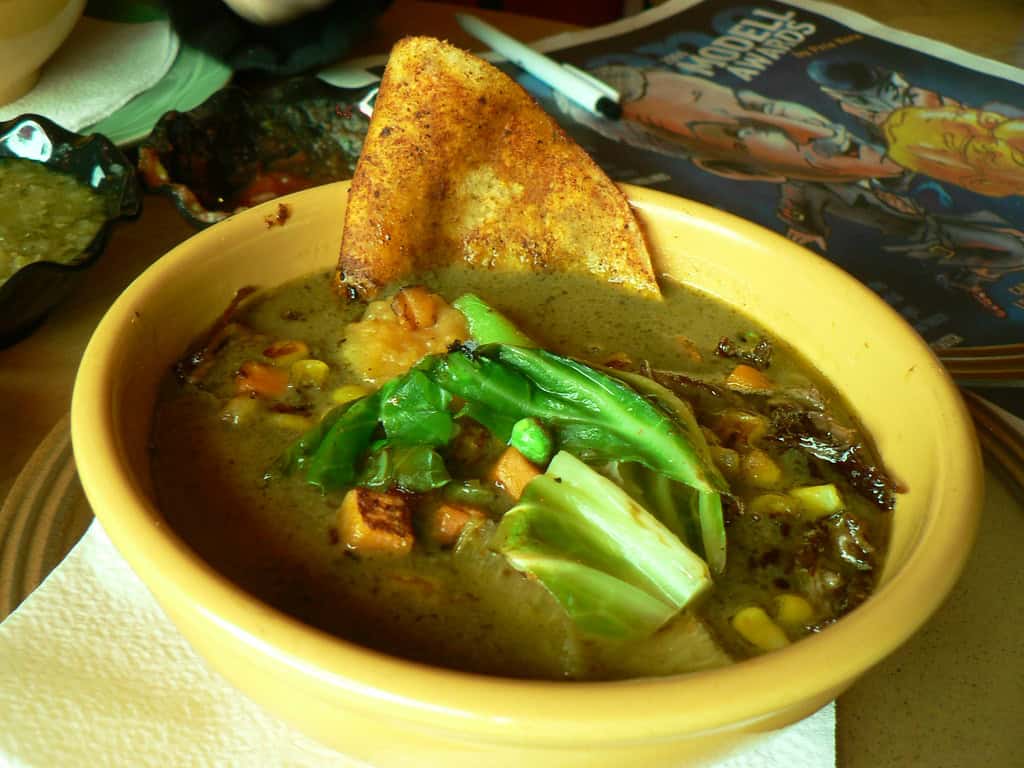
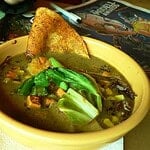
Green chile stew is what keeps New Mexico going. It's made with pork, potatoes, and roasted Hatch green chiles, harvested every August and September from the Hatch Valley along the Rio Grande. The smell of chiles roasting over open fires takes over the whole state for weeks. People buy them by the sack and freeze enough to last through winter.
Each family has its own recipe, but the basics never change. It's the kind of food that makes people homesick. If you eat out there, be ready for the question, "Red or green?" You pick your chile sauce that way. Locals will tell you the right response is "Christmas," meaning both on the same plate.
Pacific Northwest: Dungeness Crab
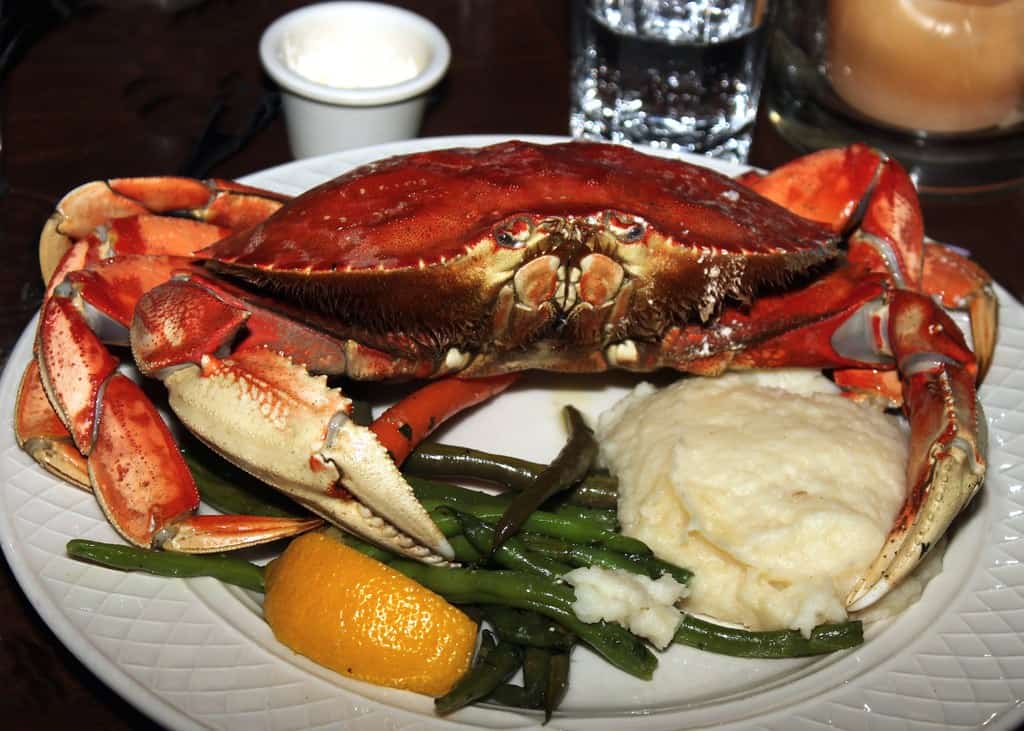
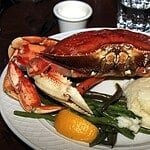
Pacific Northwestern cuisine is heavily influenced by the ocean, and Dungeness crab is its prized catch. It got its name from a small fishing village called Dungeness on Washington's Olympic Peninsula. This crab is fished from Alaska all the way down to California, but the Pacific Northwest produces the most coveted specimens.
These crabs are known for their sweet, dense meat, notably less briny than East Coast varieties. The usual way to cook the Dungeness crab is to boil or steam the whole crab, served with melted butter. Cracking the crab open at the table is part of the ritual.
Hawaii: The Plate Lunch
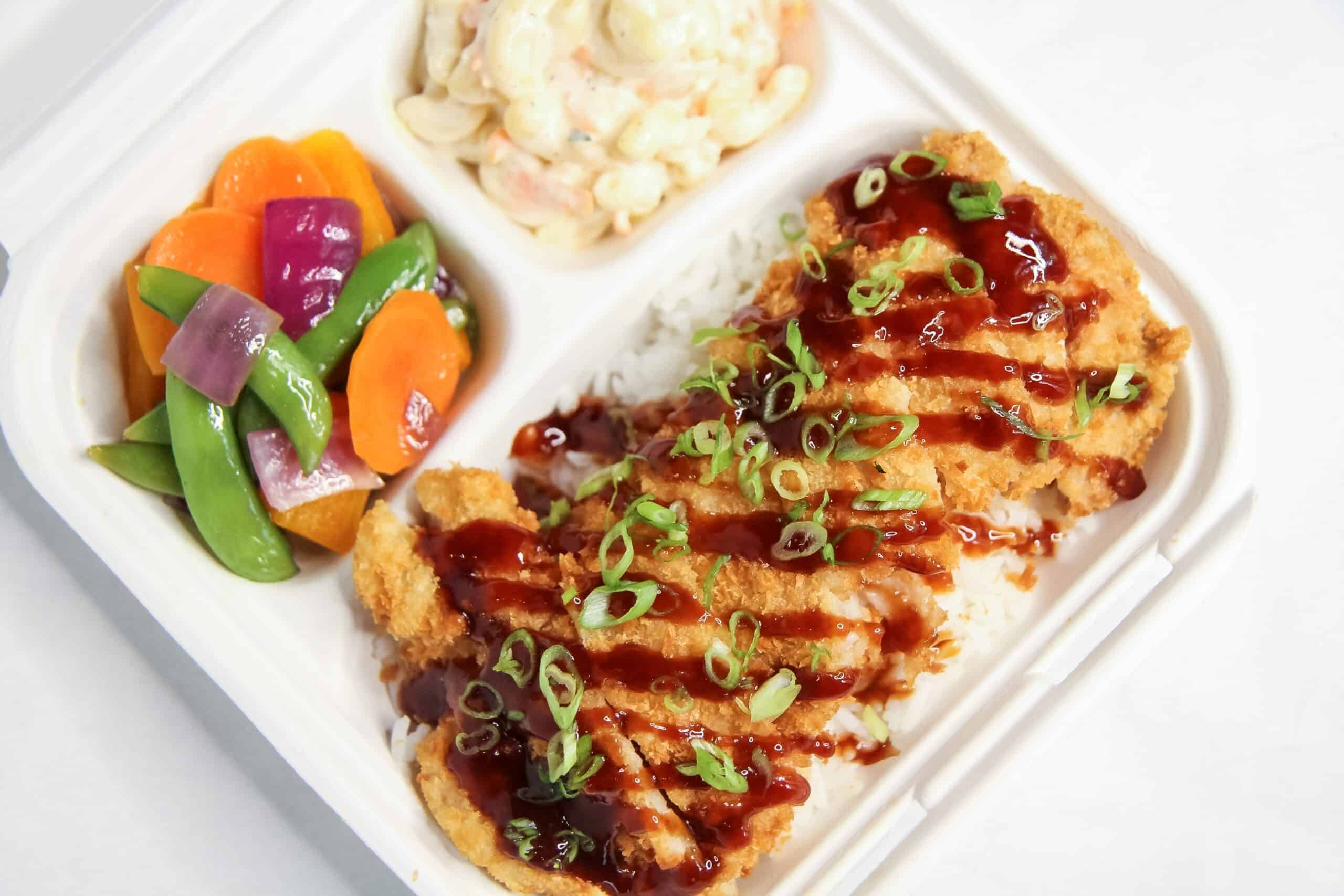
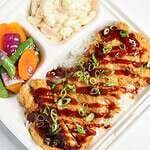
Hawaii's plate lunch first appeared on the sugar and pineapple plantations in the late 1800s. Laborers from Japan, China, Korea, the Philippines, and Portugal each brought their food traditions. Over time, they started sharing meals and blending their cuisines. This led to the now-famous plate lunch setup: two scoops of white rice, one scoop of macaroni salad, and a protein option like teriyaki beef, chicken katsu, kalua pork, or loco moco.
The plate lunch is the result of immigration and cultural mixing that happened during Hawaii's plantation era. Now, you can get a plate lunch anywhere in the islands, from food trucks to tiny diners and roadside stands.
The image featured at the top of this post is ©Faiz Foodie / Shutterstock.com – License / Original