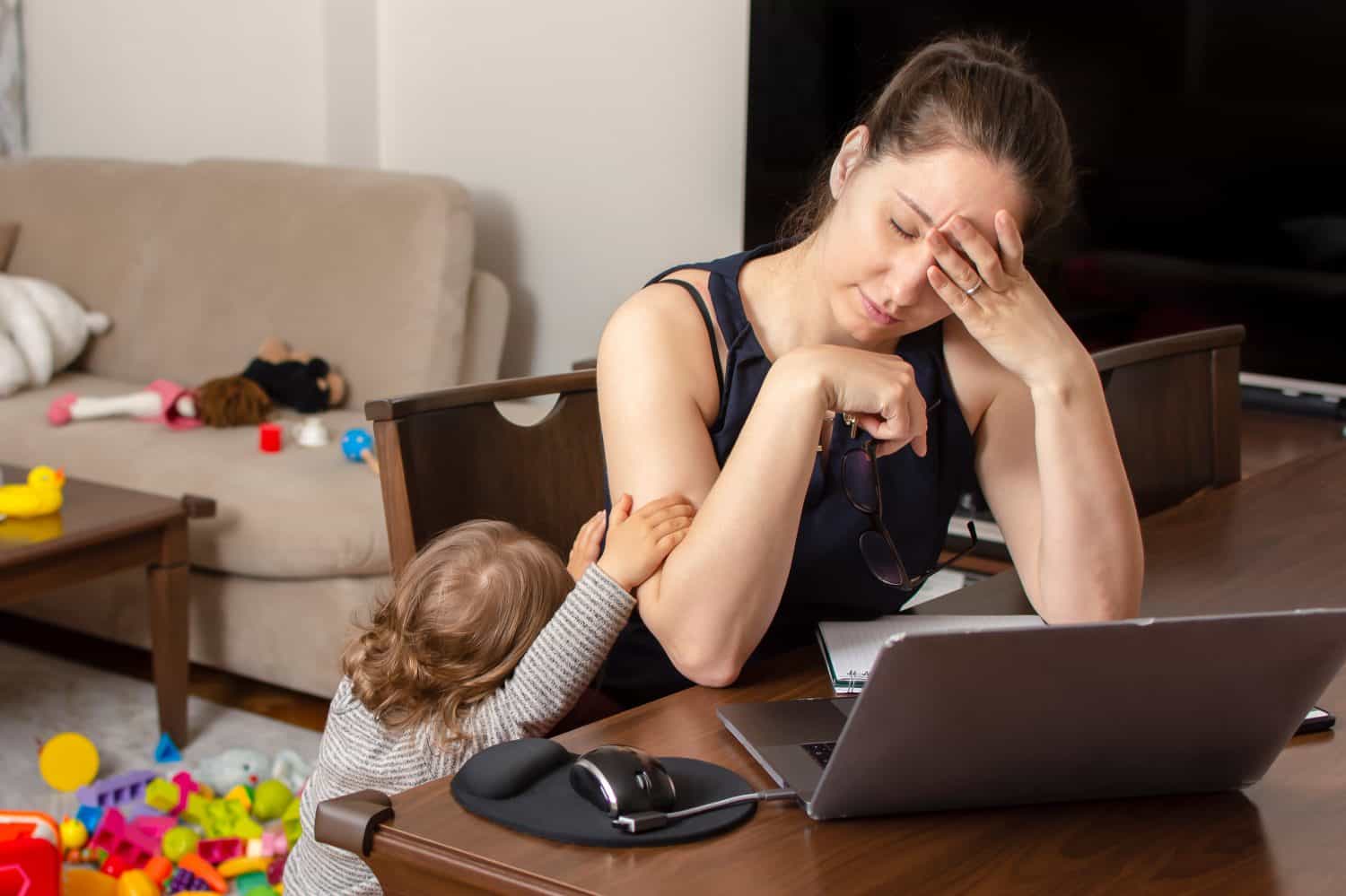
For parents who work from home with kids, summer can feel like a paradox. On one hand, it’s a season filled with sunshine, flexibility, and opportunities for family bonding. On the other hand, it can quickly become overwhelming when children are home all day while your work responsibilities remain unchanged.
Without the structure of school, many parents find themselves juggling Zoom calls, deadlines, snack requests, and sibling disagreements all at once. The good news is that with thoughtful planning and realistic expectations, it is absolutely possible to create a rhythm that works for both your work and family life.
Below are practical, real-world strategies for parents navigating working from home with kids during the summer months.
Build a Flexible — But Predictable — Daily Rhythm

Working from home with your kids is possible, but it definitely requires flexibility.
©Dragon Images/Shutterstock.com
One of the biggest challenges for parents who work from home with kids is the lack of routine. While it’s unrealistic to replicate a strict school schedule at home, children still benefit from having a predictable flow to their day.
Instead of rigid time blocks, think in terms of “anchors.” For example, mornings might always include breakfast, getting dressed, and a quiet activity while you start work. Midday could include lunch and outdoor play, while afternoons might shift toward independent play or screen time.
This kind of loose structure helps children understand what comes next while reducing constant interruptions like “What should I do now?” It also provides parents with mental checkpoints throughout the day, making the workload feel more manageable.
Set Clear Expectations Early (and Repeat Them Often)
Kids don’t automatically understand what “working from home” really means. To them, you’re physically present, so it can feel confusing when you’re unavailable.
Take time to explain your work schedule in simple, age-appropriate terms. For younger children, this might mean saying, “When this timer is on, I’m working and can’t be interrupted unless it’s important.” For older kids, it could involve outlining your meeting times and writing them on a whiteboard to indicate when you’ll be free.
Consistency is key here. The more often you reinforce these expectations, the more your children will begin to respect those boundaries. Over time, this reduces interruptions and helps create a smoother workday.
Create a Dedicated “Work Zone” for Yourself

Create a space at home that makes it clear that you're not to be disturbed.
©Miljan Zivkovic/Shutterstock.com
When your home becomes your office, boundaries can quickly blur. Having a designated workspace signals to your kids (and your brain) that you are in work mode. This doesn’t have to be elaborate. A small desk, a specific chair, or even a visual cue like headphones can make a big difference. When children see you in that space, they begin to associate it with focus and limited interruptions.
Equally important is teaching kids to respect that space. Over time, it becomes a powerful non-verbal boundary that helps you stay productive.
Set Up an “Activity Station” for Independent Play
One of the most effective ways to buy uninterrupted work time is to prepare engaging activities in advance. Instead of scrambling in the moment, create an “activity station” filled with options your kids can rotate through.
This station might include coloring supplies, puzzles, building toys, books, or simple craft kits. The key is variety — so kids don’t get bored too quickly — and accessibility, so they can grab things without needing your help. Rotating activities every few days can keep things fresh. You don’t need constant novelty, just enough change to maintain interest and encourage independence.
Use Screen Time Strategically (Without Guilt)
Screen time often gets a bad reputation, but during summer days when you work from home with kids, it can be an incredibly useful tool if used intentionally.
Rather than allowing unlimited, unstructured screen use, try scheduling it during your most demanding work periods — like meetings or deep-focus tasks. This ensures you have reliable blocks of uninterrupted time when you need it most. Balancing screen time with other activities throughout the day helps maintain a healthy rhythm.
When used thoughtfully, it becomes less of a crutch and more of a strategic support system. Aim them towards educational shows so they can keep their brain working before school begins again.
Take Advantage of Camps, Programs, and Community Resources

Consider a camp for your kids where they can play and learn a lot along the way.
©PeopleImages/Shutterstock.com
You don’t have to do everything alone. Summer camps, local programs, and community activities can provide kids with enrichment while giving you valuable work time.
Even part-time options, like groups that meet a few mornings a week, can significantly reduce stress. Libraries, community centers, and local organizations often offer affordable or even free programs that keep kids engaged.
Mixing these external activities into your weekly schedule creates natural breaks in the day and gives children something to look forward to outside the home.
Encourage Independent Play (Even If It Takes Time)
Independent play doesn’t always come naturally, especially if kids are used to constant interaction. However, it’s a skill that can be developed with patience.
Start small by encouraging short solo play sessions and gradually increasing the duration. Resist the urge to step in immediately when your child says they’re bored — this is often the moment when creativity begins. Over time, children learn to entertain themselves, which is one of the most valuable skills for a work-from-home parent. It not only supports your productivity but also fosters creativity and confidence in your child.
Embrace Early Mornings or Evening Work Blocks
Sometimes the most productive hours happen outside the traditional workday. Many parents find success by shifting part of their workload to early mornings or evenings when kids are asleep or more relaxed.
Even an extra hour or two of focused work during these quieter times can reduce pressure during the day. This flexibility allows you to be more present with your children when they need you most. Just be sure to check in with your boss first to ensure that this new schedule is okay.
While this approach isn’t ideal for every job, it can be a powerful tool when deadlines pile up or interruptions become unavoidable.
Plan “Connection Time” to Reduce Interruptions
Ironically, one of the best ways to minimize interruptions is to intentionally spend time with your kids. When children know they’ll have your full attention at certain points in the day — whether it’s during lunch, a short walk, or an afternoon activity — they’re less likely to seek it constantly while you’re working.
This doesn’t have to be elaborate. Even 15–20 minutes of focused, distraction-free interaction can go a long way in helping kids feel secure and connected. We recommend spending time outside so you can get that essential vitamin D as well.
Let Go of Perfection and Focus on What Works
Perhaps the most important strategy for parents who work from home with kids is adjusting their expectations. Working from home during the summer is not about achieving perfect balance — it’s about finding what works for your family.
Some days will be productive and smooth, while others may feel chaotic with tight deadlines and multiple appointments. That’s normal. Instead of striving for perfection, focus on small wins like finishing a task, keeping your kids engaged, or simply making it through the day.
Flexibility, patience, and a sense of humor go a long way. The goal isn’t to eliminate challenges but to navigate them with confidence and creativity.
Rotate “Special” Activities to Keep Kids Engaged Longer

Set up different craft projects each week to keep the kids entertained.
©FamVeld/Shutterstock.com
Kids tend to lose interest quickly when everything is always available. One simple way to extend engagement is to rotate “special” activities rather than offering them all at once.
For example, you might reserve certain toys, craft kits, or games specifically for work hours. Because these items aren’t always accessible, they feel more exciting and hold your child’s attention longer when you need it most.
You can take this a step further by introducing a “daily surprise” element — something small and new each day, like a different craft, puzzle, or themed activity. It doesn’t have to be expensive or elaborate. The novelty alone can buy you valuable focus time while making the day feel fun and intentional for your kids.
Involve Kids in Your Routine When Possible
While independence is the goal, there are moments when involving your kids in your routine can actually make things easier.
For younger children, this might mean letting them “work” alongside you with their own paper, coloring tools, or pretend laptop. For older kids, you can assign simple responsibilities like organizing supplies, helping prep lunch, or even managing a small daily checklist. Including children in your daily rhythm helps them feel important and reduces the urge to interrupt for attention. It also teaches responsibility and gives them a sense of ownership over the day.
When kids feel like part of the process instead of competing with it, the entire household dynamic becomes more cooperative and far less stressful.
The Key Is To Do Your Best
Figuring out how to work from home with kids during the summer is undeniably challenging, but it’s also an opportunity. With the right systems in place, you can create a routine that supports both your professional goals and your family’s well-being.
By building structure, encouraging independence, and using available resources, parents can transform what initially feels overwhelming into something manageable and even enjoyable.
At the end of the day, it’s not about doing everything perfectly. It’s about showing up, adapting as needed, and creating a summer that works for everyone in your home.
The image featured at the top of this post is ©ErsinTekkol/Shutterstock.com