As parents, you never know how your kids will feel when they return home from school. While there will be many days when they return home full of excitement after a day of learning, there will be other days that will be quite the opposite. They’ll come home with a scowl due to the work that day, how other kids behaved, what they had for lunch, or any other reason you can think of. That’s why what you do during the “after school hour” is so vital.
It's essential that you have a plan and a routine during this hour that can help your kids to decompress, reflect on the day, and find a productive way forward. In this guide, we’ll show you several effective ideas to consider when your child comes home from school.
The First 10 Minutes
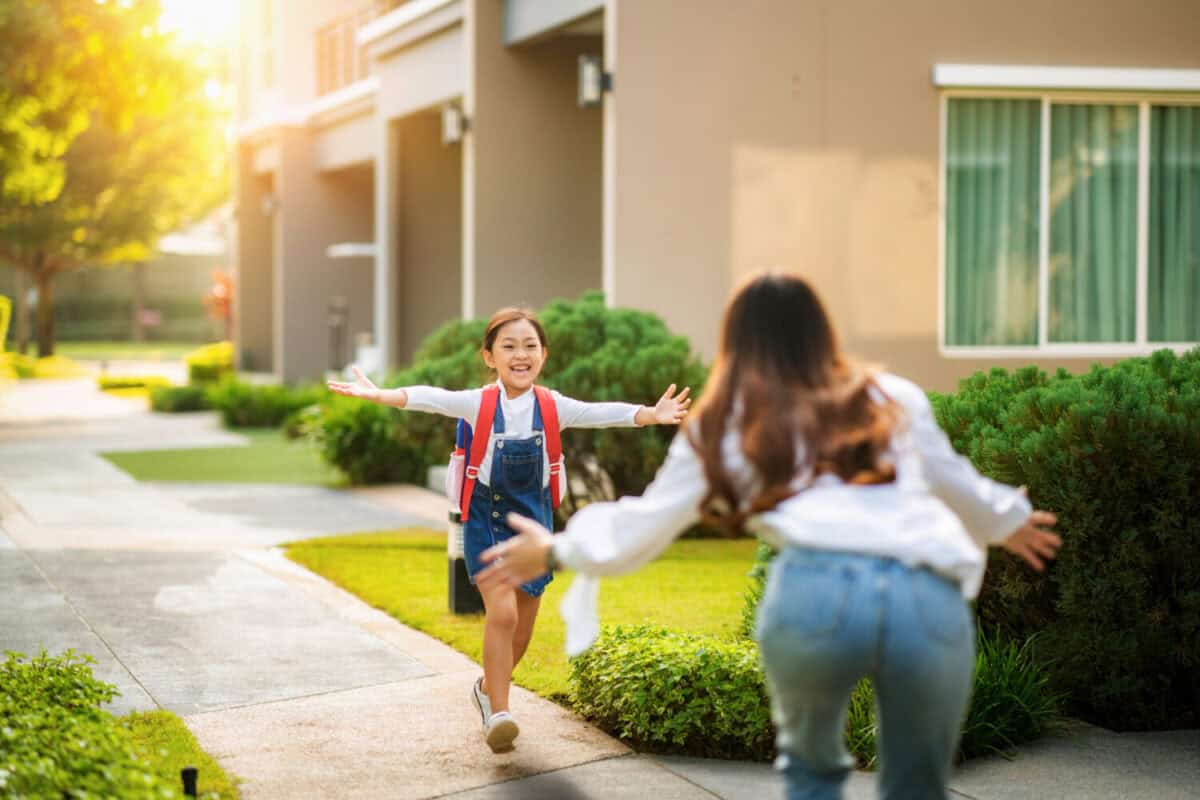
Start with connection, because you never know how your kids will feel when they come home from school.
©anek.soowannaphoom/Shutterstock.com
The actions you take as soon as your kids walk in the door can change everything. How they act when they come home is key. Begin gathering information the moment they enter the door by connecting with them right away. Offer a hug and welcome them by saying something like “I’m glad you're home,” instead of immediately questioning them about their day. Remind them that this is a safe space and that you love them.
Remember that your child may not be smiling from ear to ear every day when they get home from school. If they’re not, give them some time to decompress and reset, and hopefully they’ll come to you and tell you if anything is wrong. If they don’t come to you after about 10-15 minutes, then go to them.
You can also open the door for conversation by offering hydration and healthy snacks. Present them with a cup of water or some Gatorade. It’s possible that they didn’t drink as much water as they should have during the day, so some hydration will do them good. A healthy snack, like fruit or vegetables, will satisfy their appetite. While they’re chowing down, they’re more likely to talk. Even if your kids are perfectly happy, some food and hydration are still a good start to the after school hour.
Talk About Homework and Chores

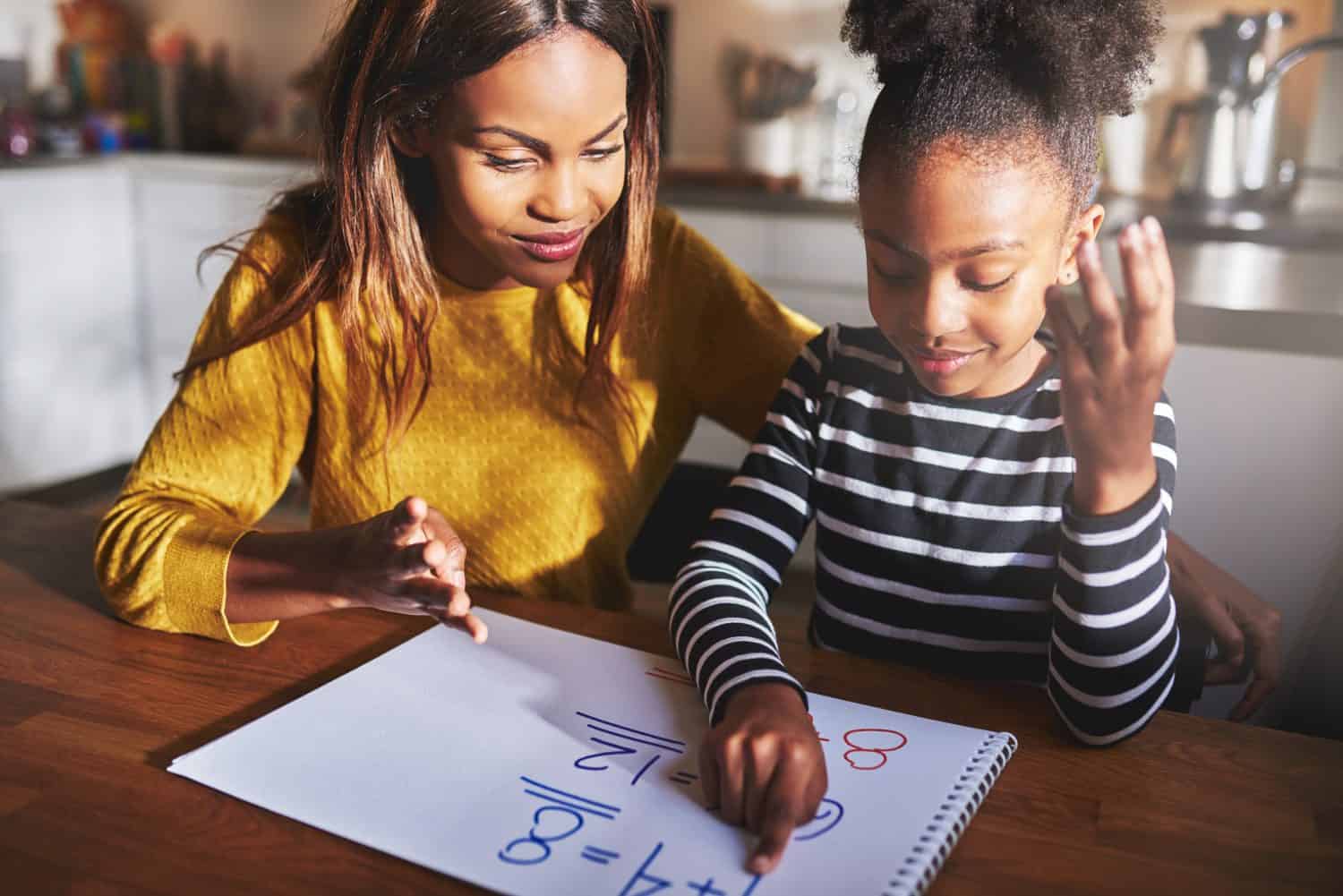
Encourage your kids to start their homework soon after getting home so the knowledge is fresh in their minds.
©Miljan Zivkovic/Shutterstock.com
The very next thing you should do as part of your after-school hour routine is talk about homework. Discuss what your kids learned in school that day and the expectations from the teachers about what the students are to do next. Just like with anything that involves work, it’s best to get to the hard stuff first. So once your kids decompress for a few minutes, get to the homework.
The approach you take to homework can depend on the student. Some students like to tackle the easy stuff first so they can build some momentum to tackle the harder subjects. Some students like to get the harder tasks over with first. Whatever you do, ensure that the kids have a quiet, well-lit space where they can focus on their work. Preferably, they should work in a space that’s free of distractions. So, sending them to their rooms to study and then leaving them to their own devices is probably not the best idea.
Tackle Chores
Before your kids plop themselves in front of the TV, have them also complete their chores, so they can get them out of the way. The chores your kids do will depend on their age, but they can be as simple as cleaning up their rooms, setting the table, or feeding the pets. If you pay your kids a weekly allowance, they’ll learn financial responsibility and how they need to work for something if they truly want it. Having chores and doing them first is also helpful for development because as they grow up, they’ll remember that work comes before play. That’s a valuable lesson that even some adults fail to understand.

Exercise can be a good way for you and your kids to decompress after a long day.
©Standret/Shutterstock.com
Physical Activity
While you may want your kids to complete their chores and homework first, it’s also important that they get outside or find another way to exercise after school. Ideally, you want your kids to get moving for at least 30-60 minutes every day.
The benefits of exercise are plentiful. Children of all ages are still growing, so they require exercise to maintain their physical strength and develop muscle. Exercise also promotes healthy body weight and boosts immunity, so they don’t get sick as often. This is especially important in school, where illness spreads quickly.
Physical activity is also vital for mental health and development. Playing sports and games can develop essential skills like hand-eye coordination and spatial awareness. Your kids will also learn vital skills that can help them later in life, such as teamwork, building confidence, and socializing with others. Kids who are active in sports will be more physically fit and are likely to have friends, which is crucial for reducing anxiety, stress, and depression.
So, if your kids don’t have a lot of homework or chores, try to get them outside during the after-school hour.
Creative Activities
If the weather is poor or your kids are otherwise unable to get outside and get active, consider some creative activities during the after-school hour. Creative endeavors like painting, drawing, building, or imaginative play can keep kids busy and help with brain development.
Fun and creative activities provide many of the same mental health and developmental benefits as outdoor play. Depending on the activity, your kids will improve their fine and gross motor skills, like hand-eye coordination. Learning new activities can also help with critical thinking and problem-solving skills. Your kids may think that you’re just letting them have fun, but letting your youngsters be creative during that first hour after school is more beneficial than they realize.
Beneficial Activities Later in the Evening

Family dinners are essential for connection and for positive long-term relationships.
©Ivanko80/Shutterstock.com
While you can only fit so much in during that first hour after school, what you do during the rest of the evening can also help your kids to set a good routine that they can follow into adulthood.
Family Dinner
One essential activity is a family dinner. Try to have everyone eat dinner at the same time at the table with the TV off. During this time, your family should connect, share stories about the day, and enjoy the food that you’ve been blessed with. One fun activity that can help your kids learn gratitude is to talk about their “favorite part of the day” or the “best thing that happened that day.” This is a great way for everyone in your family to end the day on a high note. The favorite part could be as simple as a warm day outside or your kid answering a question in class.
Bedtime Prep
A final important step of your after-school routine is to have a solid bedtime routine. For your kids to be successful at school, they need enough restful sleep each night. A good routine is essential for kids and adults alike because it signals to your body that it’s time for bed, and it can help you form a better circadian rhythm. The routine doesn’t have to be complicated. It can include taking a bath, brushing and flossing teeth, and putting on pajamas. Young kids may do well with a story before bed. Keep all screens out of the bed as the blue light from devices can disrupt sleep.
Part of your end-of-day routine may also involve getting set up for the next day. Go over tomorrow's class load, determine which books and paperwork they’ll need, and get everything into their backpacks. That way, your kids can be mentally prepared for the next day.
Tips for Setting Your Routine for the After-School Hour
If you’re having trouble solidifying an after-school routine, here are some tips that may help. Make a visual chart and display it in a common area, like on the fridge. Your kids are likely to go there for a snack anyway, so they’ll see the chart. Put the schedule on the chart so they can see what they need to do next. When you create the chart, involve your kids in the layout and decisions. Although you are in charge, your kids can tell you which activities truly calm them after a hectic day at school.
You can encourage kids to follow your set routine by limiting screentime. As soon as your kids get home from school, advise them to put their phones down and not access them again until a time you set.
With all of this in mind, remember to try to be flexible when necessary. You don’t want to turn your home into a prison, but you still need to do what’s best for the children. So find a happy medium and your kids will thrive.
The image featured at the top of this post is ©Ground Picture/Shutterstock.com