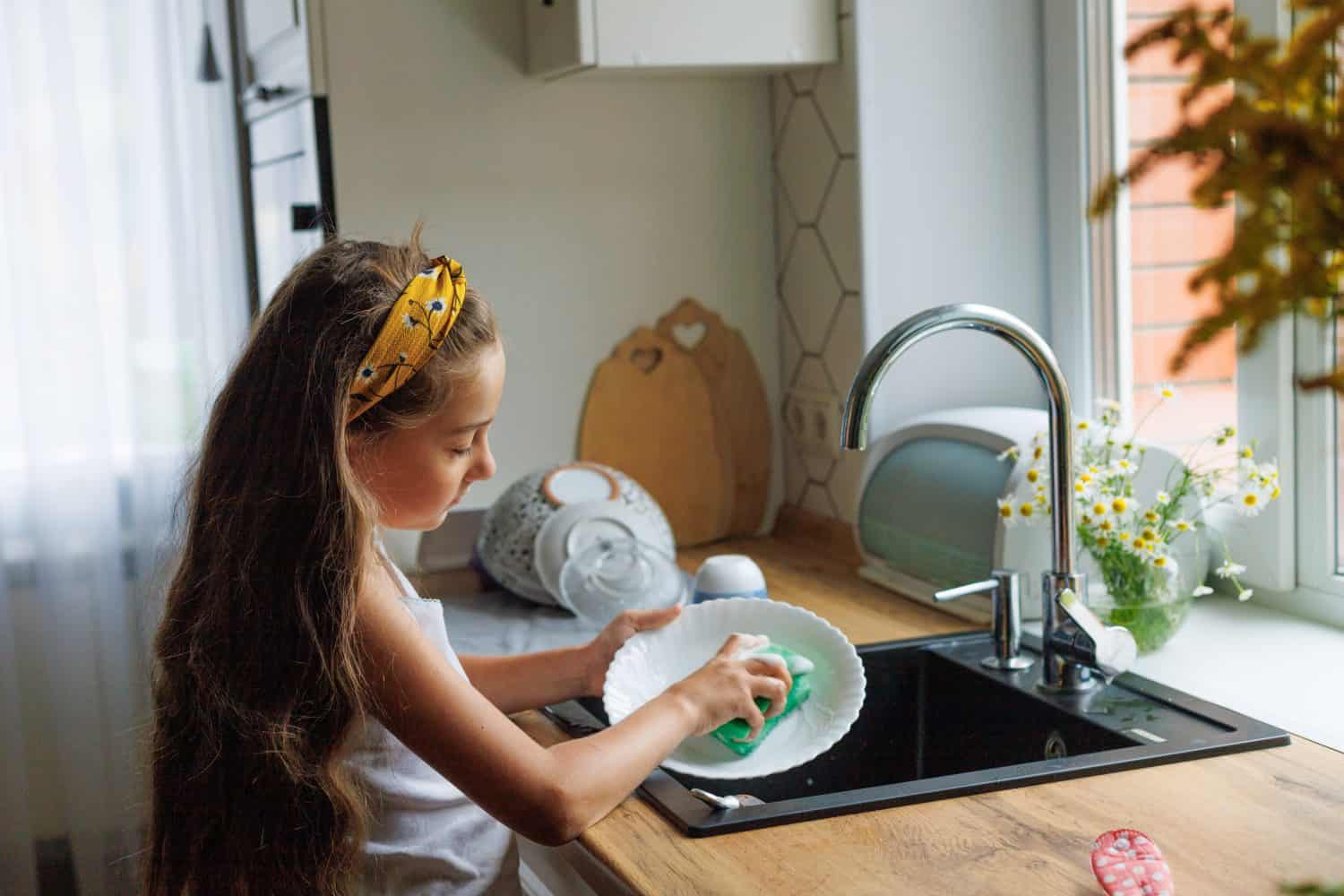
There are numerous perks to having children. In addition to creating adorable babies that you’ll love forever, you can also get some help around the house! Yes, when your kids reach a certain age, you can start to assign them chores. Not only does this help to lighten your load, but providing your kids with a list of chores to do will also help them build character, learn responsibility, and grow up with a great work ethic. However, you need to set these tasks up properly, and that’s where chore systems come into play.
These guidelines will help ensure that your kids understand their chores and can reap the full benefits of helping out around the house. We’ll break these guidelines down into age groups so you know what to do every step of the way.
Chore Systems for Toddlers
When it comes to the best chore systems for toddlers, you need to start simple. Don’t ask them to do anything complex. When you make the chores too complicated, your toddler won't have the ability to complete the tasks. If your toddlers fail at what they try at a young age, that failure may stick with them for years to come.
Instead, start with basic chores for your toddler to help them learn responsibility. Even if it's something small, learning to do a chore themselves will create a sense of ownership, and they'll begin to form a work ethic. Your toddler will begin to love helping out, and that sense of duty can help them as they grow.
Create a Chore Chart
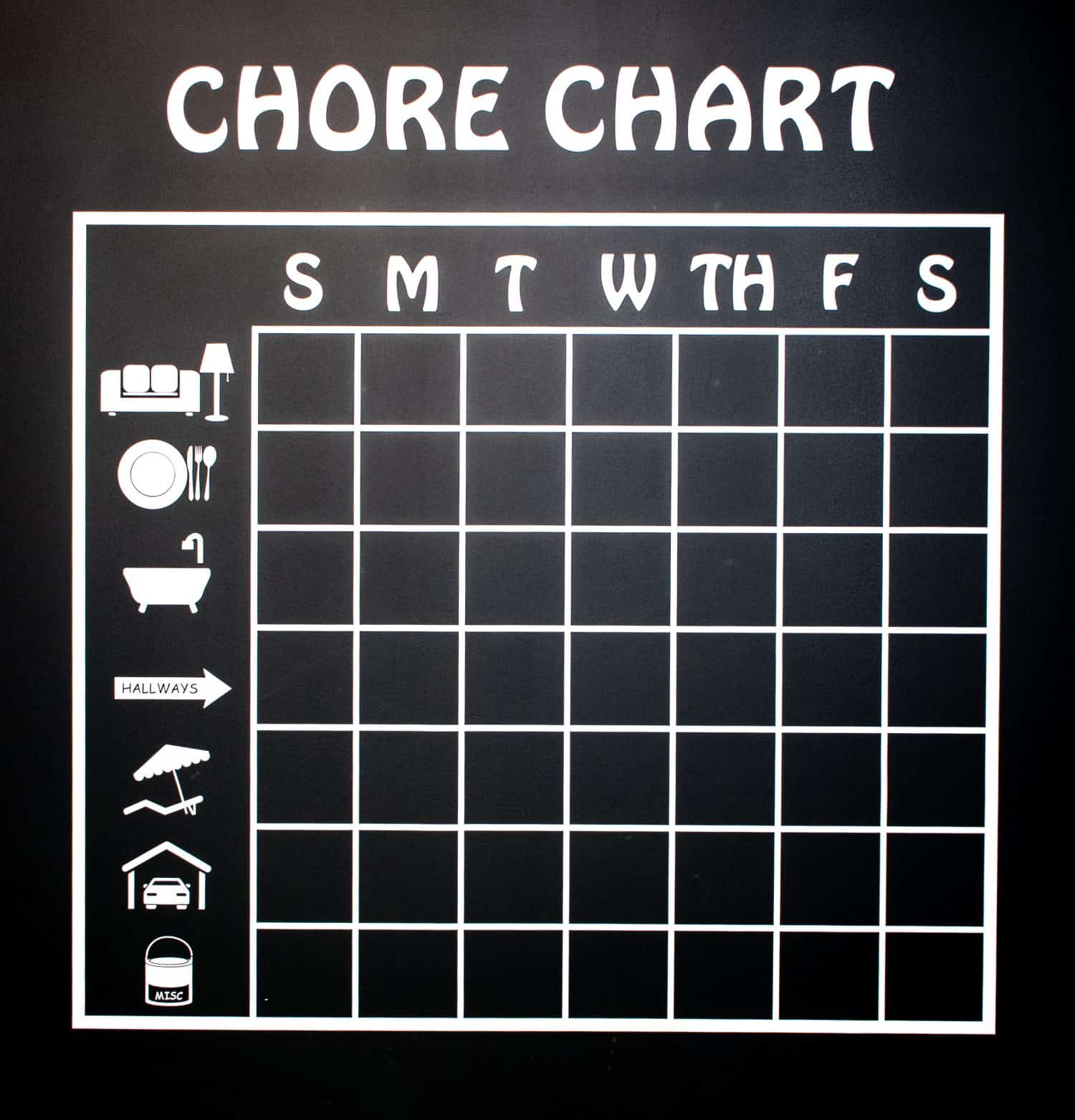
A simple chore chart can show kids exactly what they're responsible for that week.
©Michae Allen/Shutterstock.com
You can make these new responsibilities official by creating a chore chart. Write out each responsibility and add a picture that shows the chore so toddlers who can’t yet read can understand what they need to do. Put the chore chart somewhere that they can see it, such as the refrigerator or in their bedroom. To encourage your toddlers to find interest in doing their chores, tie the responsibilities to a reward. At that age, it can be simple. It could be a small toy, a coloring book, or something else they can enjoy.
You can also make completing their chores enjoyable by placing a sticker on the chore chart every time they complete a task. You can even allow them to put the stickers on themselves. It can be incredibly rewarding for your child to complete a task, put the sticker on the chart, and know that they accomplished something.
Chore systems for toddlers should be easy. Assign a task each day and do it with them so you can ensure the job gets done and that it’s done safely.
Toddler Chores
It may seem like a toddler can’t do much, but there are many different chores that you can assign that can be productive and fun. The youngest toddlers, ages 18-24 months, can complete simple tasks like cleaning up their toys, putting their dirty clothes in the hamper, cleaning off their table after meals, putting away books, and feeding the pets (with your supervision).
At age two, chores can become slightly more involved. They may help you to sort their laundry, neatly arrange their toys on shelves, and even complete simple tasks like wiping bowls and putting dishes in cabinets while you’re cleaning the kitchen.
Between the ages of three and four, things can pick up steam as you notice that your child is more capable than you ever thought possible. Chores at this age can include things like:
- Taking out the garbage
- Watering house plants
- Helping empty the dishwasher
- Making their beds
- Bringing their food and drinks to the dinner table
- Putting their laundry away
- Helping with cleaning surfaces
There’s a lot that your toddler can help with around the home, and at that age, you’ll find that they really enjoy what they’re doing. It’s less about doing chores and more about spending time with mom and dad.
Prime Childhood Years (Ages 6-9)
Your chore systems can become a bit more complex when your child grows up and hits their prime childhood years. Once your kids are more aware of what's going on, you can involve them in the process. Host a family meeting. You can mention the tasks that need to be completed around the house, and your kids can discuss what they're capable of doing. Then, discuss the frequency of how often each chore should be completed. Once you have everything in order, write it all down on the chart.
If you have several kids in the same age bracket, then divide out the tasks and make it even. Granted, boys and girls won't always be able to complete the same types of chores. But each kid should have the same number of chores each week, so you're not accused of favoritism. There will also likely be group work that you do as a family, and your kids should get credit for that work as well.
Finally, decide on the rewards for each chore, be it monetary or something else. Once you decide that, ensure that you are providing the rewards consistently. It’s a great way to teach your kids the risk-and-reward system associated with a solid work ethic.
Childhood Chores
There are many more advanced chores that your older child can do to earn their allowance. Here are some ideas:
- Sweep the kitchen
- Help clean the garage
- Clean out the dishwasher
- Clear the table after meals
- Take the dog for a walk and clean up after pets
- Help parents prepare dinner
Pre-Teens
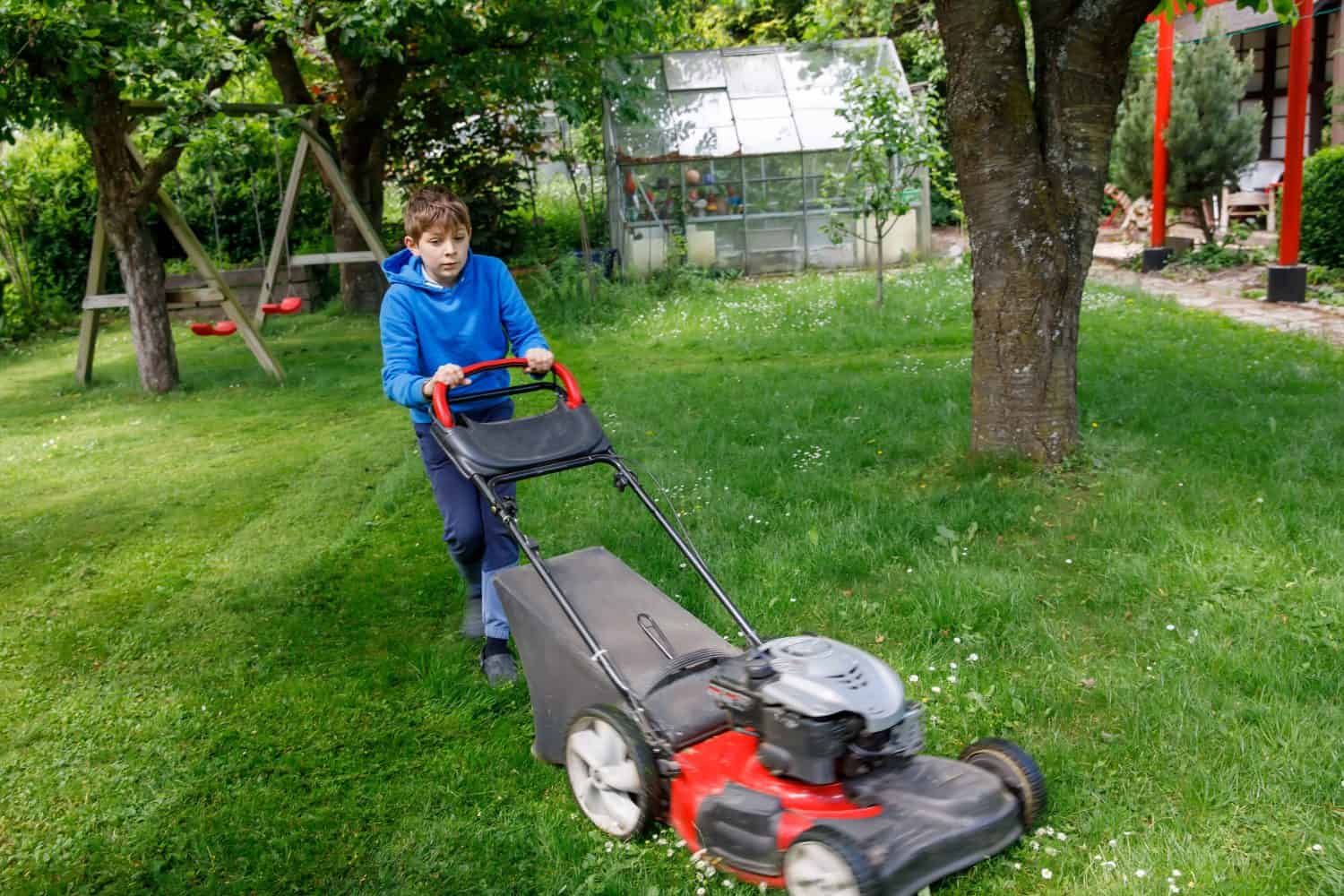
Many mature pre-teens can cut the grass!
©Irina WS/Shutterstock.com
When your kids reach middle school and officially become pre-teens, you can modify the chore systems accordingly. By this time, you'll see that you're able to hold your kids accountable and be more trusting that they'll finish the chores they're assigned. Now that they're older, your kids will also come to understand the importance of being responsible, and they'll realize that you count on them to help with tasks that benefit the household.
This is a good time to really show them the value of money. If they want to buy that video game or see a movie, they’ll need money, and they’ll need to do their chores to earn it.
It’s also at this time that your kids will learn the skills that will help them later in life. For example, by learning how to change and wash their sheets now, they’ll be able to do it by themselves when they go to college or otherwise go off on their own. By helping you cook meals, they’ll be ready to do so when they’re living on their own.
Your chore system for pre-teens will be similar to what you've had in recent years. List all of the tasks on the chart, and put it up on the refrigerator or another space where everyone can see it. At this age, you probably won't put stickers on the chart. However, if you notice that something has not been completed around the house, then hold your kids accountable.
Pre-Teen Chores
As your children approach their teen years, they’ll take on more complex chores. Here are some tasks to consider at this age:
- Cut the grass
- Vacuum
- Rake leaves
- Mop floors
- Babysit
- Take the trash to the street
- Help cook meals
Your pre-teens can be very helpful at this age. Just be sure that you provide some supervision and that they’re always safe.
Teens
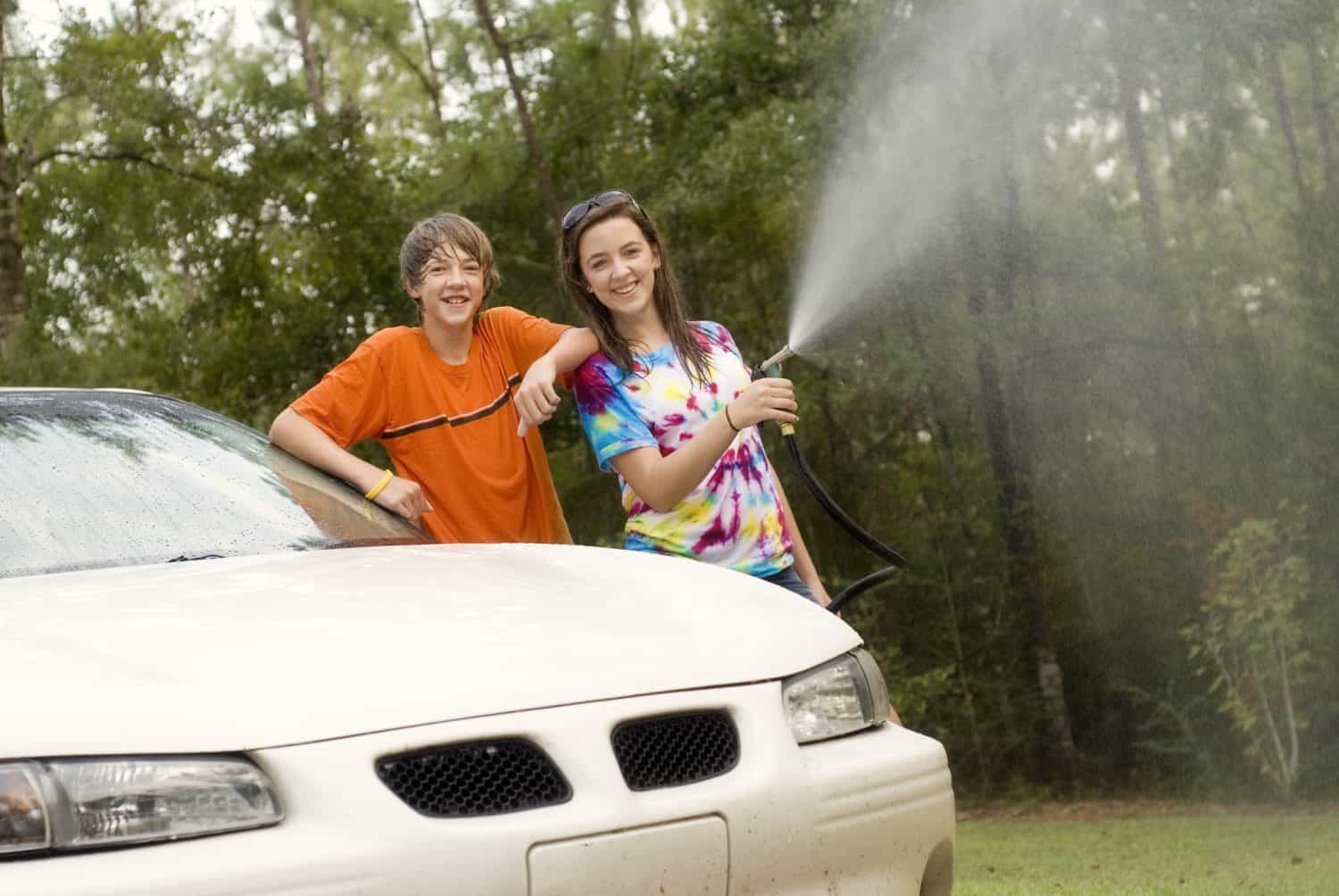
Teens can help wash the car and help with other grown-up tasks.
©Tad Denson/Shutterstock.com
When your babies become teenagers, you can really put them to work! A chore chart may still be necessary here, but many of their assigned duties may be handled on an honor system. Plus, many of the chores that they do may be on demand, such as driving to the store for milk or helping dad outside with a last-minute project.
If they do projects that are beyond their predetermined chore systems, write them down, and if your teen comes to you asking for a bump in their allowance that week, you can know that they earned it.
Encouraging Teens to do Their Chores
As your kids get older, you may notice more resistance when you tell them what to do. In these cases, provide some encouragement. One way to do so is to inform them that they won't be able to buy the things they want without funds. It may be around this time that they're thinking about getting a car. They may not be able to afford a vehicle based on the amount they make from their chores. However, you could create an agreement, like saying that you'll match whatever your teen makes up to a certain amount.
Another way to encourage them is to tell them that the chores they do today can prepare them for success later in their lives. Cutting the grass and trimming bushes can give them ideas for when they have their own homes. Cleaning the bathroom can ensure that they have sanitary spaces when they live on their own someday.
Chores for Teens
The list of chores for your teens will often depend on their abilities, how much schoolwork they have, if they have a car, and other factors. However, here’s a list to get you started:
- Drive to run errands
- Cut the grass
- Shoveling the driveway
- Helping with grocery shopping
- Caring for younger siblings
- Washing the car
Whatever chore systems you have in place for your kids, make sure they are fair and that you're holding your children accountable along the way. Modify the chores as time goes on, and don’t forget to say thank you!
The image featured at the top of this post is ©Julhabiby/Shutterstock.com