
Back in the day, meal planning was incredibly predictable. When the world was simpler, and we didn’t have to work as often as we do today, there was time to go grocery shopping every Monday and make meal schedules for the week. Monday was chicken, Tuesday was pasta, and so on. However, times have changed and become much more hectic, and to keep up, a family must engage in some form of flexible meal planning.
With demanding work schedules, after-school activities, and unexpected obligations, there is either no time or you’re too tired at the end of the day to get into a solid routine. Luckily, by understanding your family dynamic and following some simple tips, you can keep your family happy and well-fed without unnecessary stress.
Why Flexible Meal Planning is Necessary
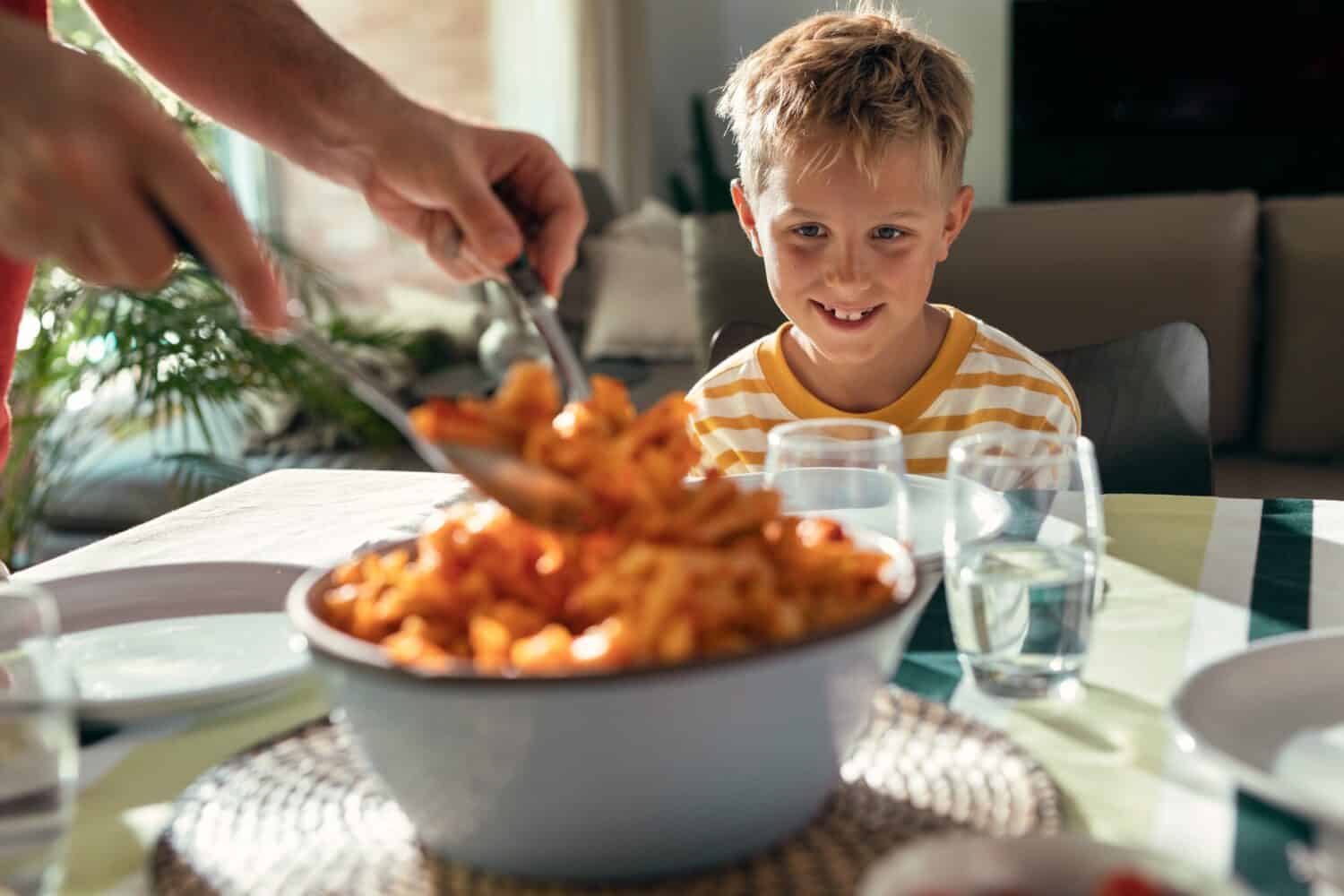
There are many strategies to keep food on the table every day and keep your family well-fed.
©Josep Suria/Shutterstock.com
Yes, times are changing, and in many cases, the new era requires families to juggle multiple jobs and responsibilities, plus the needs of their children. While some families are lucky to have a rigid schedule, others aren’t as fortunate.
Even if you believe you have a good meal schedule in place, that schedule can change in an instant. Your son has a sudden football practice, and you need to drive him. Your daughter may need help with a science experiment that prevents you from preparing a proper meal. The only way to meet your children's needs and give them dinner every night may be to add some flexibility.
However, you should be careful about how flexible you become, because you also need to factor in nutrition. You don’t want to solve this balance issue by only buying frozen meals. They often lack proper nutrition, and you won’t be doing your family any favors. Factor that aspect into your flexible meal planning strategy.
Flexible Meal Planning Strategies
If you struggle with meal planning and coming up with a strategy when your schedule is busy, you're not alone. Many families have had the same issue before you, and they’ve implemented some ideas that may work for your situation. Consider these tips:
The “Loose Plan” Approach
Some parents get so wrapped up in their meal schedule that it causes stress, especially when the schedule becomes too hard to maintain. For instance, if you plan to have chicken every Monday, stir-fry every Tuesday, and so on, you may be making things too hard on yourself.
While it does help to have an idea of what you want to make, focus your planning on meals you can have any day of the week. For instance, your list may include tacos, pasta with vegetables, chicken stir-fry, and sandwiches. Plan to eat all your meals during the week, but don’t be so rigid that they must be consumed on certain days; you’re likely to get stressed trying to reach your own goals.
By planning the meals you’d like to have during the week and being flexible, you can make grocery shopping easier.
Ingredient-Based Planning
Some families find it easier to plan around ingredients instead of recipes. They stock up on versatile staples like:
- Proteins (chicken, ground beef, tofu)
- Grains (rice, pasta, quinoa)
- Vegetables (fresh and frozen)
From there, meals come together organically. Chicken can become tacos one night, a stir-fry the next, and a salad topping later in the week. This method also minimizes waste and maximizes flexibility.
“Snack Dinners” and Build-Your-Own Meals
For a while now, snack-style dinners (think cheese, crackers, fruit, veggies, and dips) have become increasingly common. They’re quick, customizable, and often a hit with kids. Build-your-own meals, like taco bars or baked potato stations, offer similar benefits. Everyone gets what they want, and parents don’t have to prepare multiple dishes.
If you decide to go with this approach, try not to make it a long-term commitment. Snacks may be good and offer some benefits, but try to consider the nutrition of your snack meals as well. Many healthy snacks are just as easy to prepare. Items like cottage cheese, hard-boiled eggs, Greek yogurt, celery, and peanut butter can be tasty and good for everyone involved.
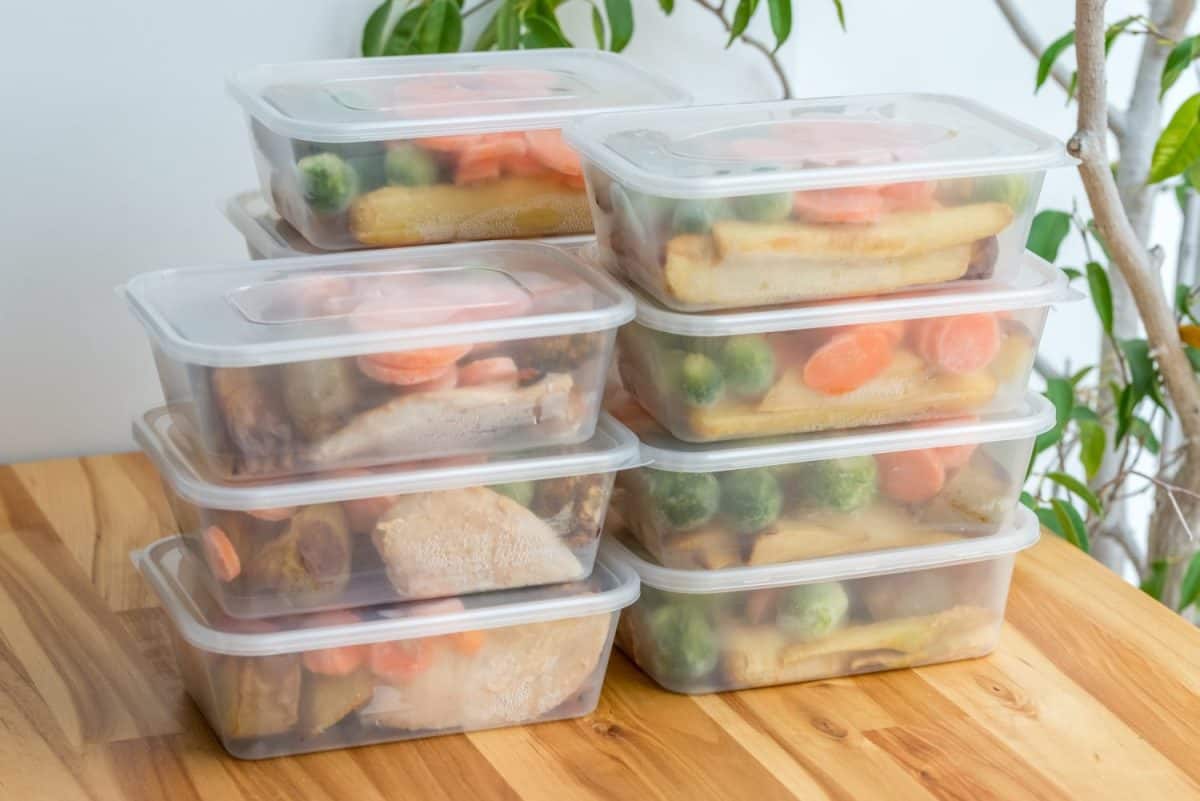
It doesn't have to be all or nothing — try a mix of fresh and frozen foods when you're meal-prepping.
©Linda Bestwick/Shutterstock.com
Mix Fresh and Frozen
Some parents struggle to make proper meals for their family because they think they need to make gourmet meals from scratch. If you're short on time, modify your meal plan by blending fresh and frozen ingredients. When you go grocery shopping, pick up some frozen vegetables and other easy-to-prepare ingredients, and you can cut your cooking time in half. Some example meals could include:
- Fresh grilled chicken paired with frozen vegetables
- Frozen pizza enhanced with fresh toppings
- Store-bought pasta combined with fresh herbs
This is a great way to save time without sacrificing quality.
Don’t Discount the Value of Frozen Meals
While it’s not a great idea to have a frozen or microwave meal every night, there is some value to having them on hand in the case of an emergency. These meals have evolved a lot over time, and many of them are quite tasty. Here are some details for adding microwave or frozen meals to your plan:
Time Saving – You can often make these meals in a matter of minutes. This is great when you only have a few moments before you have to leave for soccer practice or when you’re just stopping at home for a few minutes between appointments.
Reduce Food Waste – Because frozen foods last longer, families can use what they need without worrying about spoilage.
Budget Flexibility – Frozen meals are typically less expensive than takeout meals or cost less than what you would spend at the grocery store for a full meal. Buy a handful of these smaller meals and stick them in the fridge, and you’ll save some cash along the way. This is a great way for families to stretch their grocery budgets.
Variety – If you haven’t purchased a microwave meal in a while, you’ll be surprised by the amazing variety in this category. You can get meals such as pasta, steak, and everything in between, and they’re all made quite well. Your family may not even realize that they’re eating a microwave meal.
Again, you shouldn’t eat these meals every day. Many of them are high in sodium and fat. Still, they’re a nice option if you need them.
Flexible Meal Planning Tips
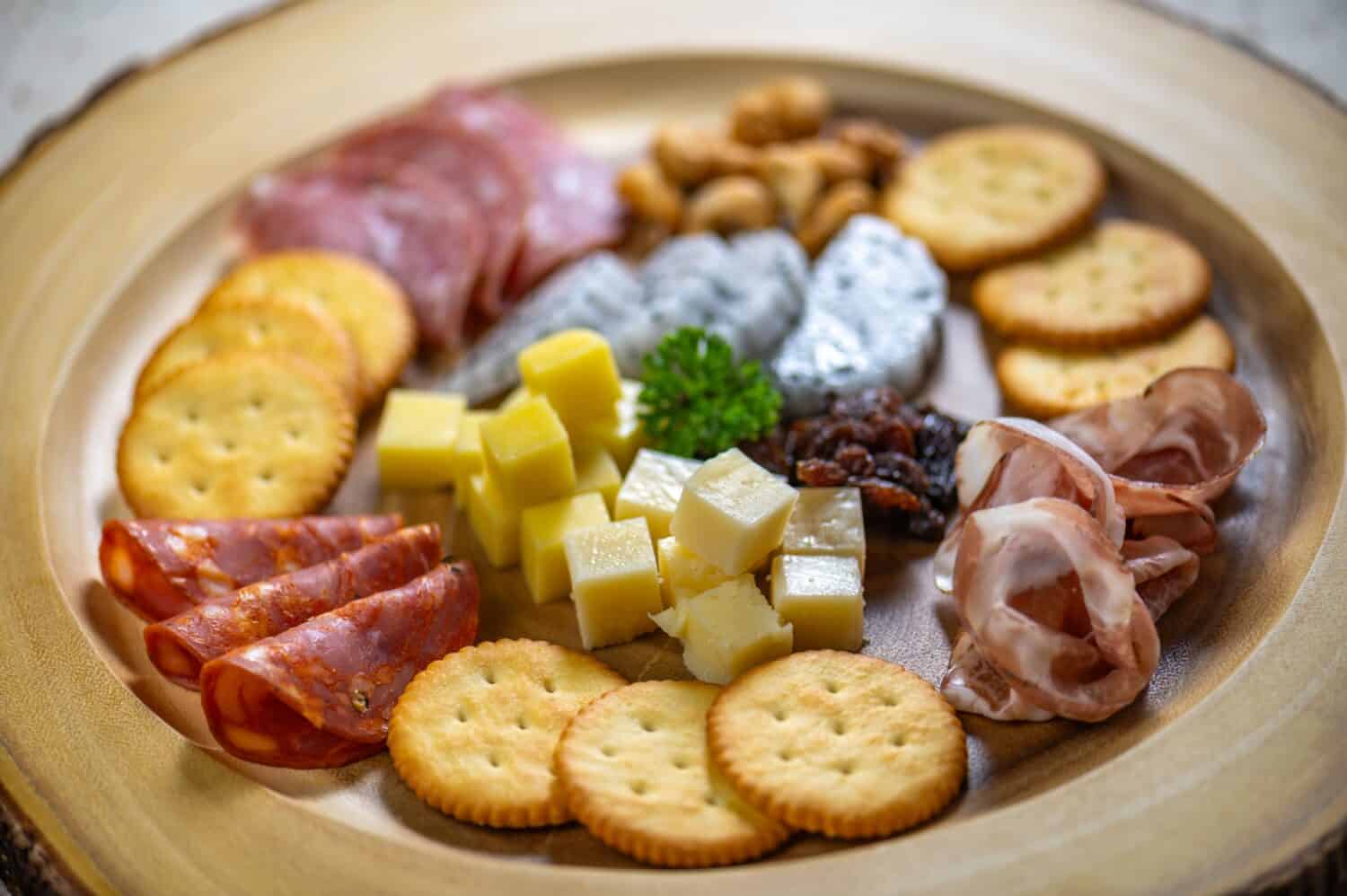
There are many quick meal prep strategies, including meals that don't require any cooking at all.
©worradirek/Shutterstock.com
Here are a few more tips to consider if your schedule is less predictable than you’d like. It’s all about changing your mindset.
Create a Flexible Weekly Framework
You can combine many of the tips we have provided on this list in your flexible meal planning. Remember, you don’t need to assign certain meals to different days. Instead, you can mix and match. Consider a weekly schedule that works like this:
- 2–3 quick meals
- 2–3 standard meals
- 1–2 backup meals
This arrangement ensures variety while leaving room for adjustment.
Embrace Batch Cooking
There is a way to make all of your favorite high-quality meals without having to spend time every day, and it’s to embrace batch cooking. When you do have time, say on a Saturday night, cook a couple of meals that you can store in the refrigerator during the week. Then, if you’re in a pinch, you can pull out a container on any given night and have a good meal.
Plan for “No-Cook” Nights
When you begin to stress about preparing dinner night after night, remember that there are plenty of meal options that don’t require extensive preparation. Some of the simplest options in this regard are meals that you don’t need to cook. Sandwiches, snack boards, and even pre-made salads that you can buy at the grocery stores are great options. Buy a few of these meals in advance, and they can be true lifesavers on hectic days.
Use Leftovers Creatively
Families that are constantly in a rush rarely have time to finish a full meal, so there are inevitably leftovers. When time is tight, think about how you can use these leftover ingredients to make a different meal. For instance, a leftover roasted chicken can be used to make tacos, soup, pasta, and sandwiches. This is a great approach that delivers perfect meals while saving time and reducing unnecessary food waste.
Easier Meal Planning Is On The Horizon
As we close out, we want to give you some peace of mind by letting you know that, even though things may be hectic now, the rise of technology is making flexible meal planning easier than ever. If you don’t have time to plan extensive meals, but you’re good with tech, consider looking into mobile meal planning apps and using AI-driven grocery lists that can do most of the heavy lifting for you. Think about how you can use these apps to make your life a bit easier.
With all that said, you’re only human, so no one is expecting you to be perfect when it comes to food prep or anything else that involves your kids. Just do your best. With a little help, you and your family can stay well-fed and happy.
The image featured at the top of this post is ©gpointstudio/Shutterstock.com