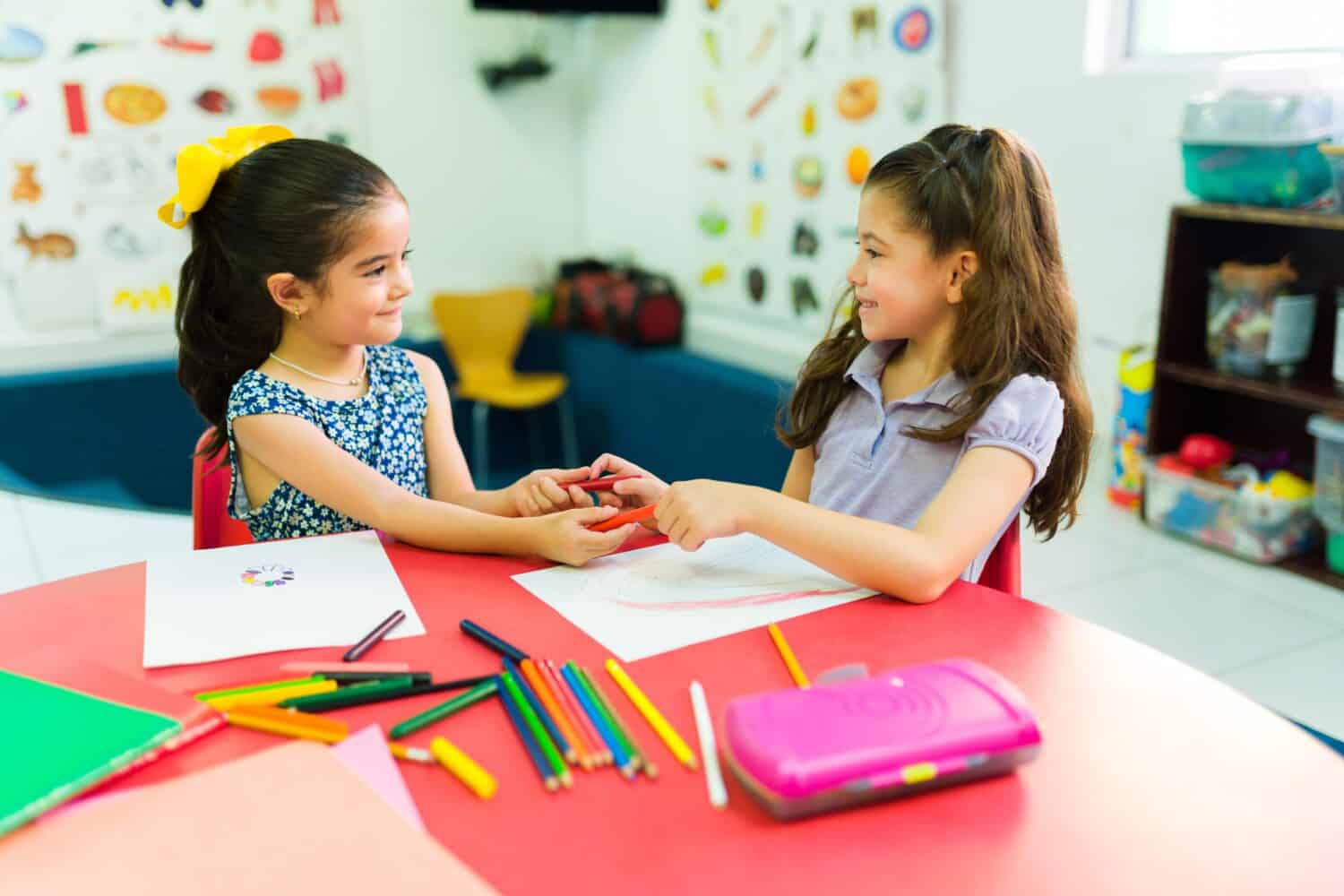
Many parents know the feeling of having a child who won't share or take turns. It's frustrating to try to set a good example for your child by being kind to others and trying to read emotions, only to see them disregard the feelings of another child. The good news is that sharing and empathy develop later than many parents expect, so in some ways it is normal for a child to display a lack of emotional intelligence at a young age.
Toddlers and preschool children are notoriously selfish, but it's not because they have been raised improperly, says Kim DeRamus Lareau, Licensed Professional Counselor and the founder of Steady Hope Counseling in Decatur, Georgia.
“They’re still learning where ‘me' ends and ‘you' begins, so their toys, snacks, blanket, or their favorite cup can feel like an extension of themselves,” Lareau says. “While it might look selfish, it’s a natural part of development as they learn about safety, control, and ownership.”
So, when should you expect your child to start taking notice of the feelings of others and working toward sharing? We interview several experts who let us know what to look for and when to seek guidance if you experience something unexpected.
When Is It Normal for a Child to Start Sharing and Showing Empathy?
©Ground Picture/Shutterstock.com
Sharing and empathy are usually skills that are developed at a similar time, around age five. As children become empathetic, or able to realize that others have thoughts and emotions that are just as complex and important as their own, they start to see the value of sharing. But neither of these developments turns on like a light switch. Instead, it's a gradual process that takes place at slightly different ages for different kids.
“Many children start to understand sharing and turn-taking around 3 to 5 years old, but it doesn’t just ‘turn on.' Some children might naturally be more flexible, while others need more time,” Lareau says.
When Should I Worry If My Child Isn't Sharing or Showing Empathy?
Most psychologists tell parents not to worry at a set age, but if their child is showing other markers of developmental or psychological differences, they should take note and find help. Pay attention to the reasons why your child is not displaying these traits, and go to a mental health professional rather than trying to diagnose issues yourself.
“Rather than focusing solely on age, it's important for parents to also pay attention to the particular quality of their child’s lack of empathy and how it manifests in their behavior. For example, if a child is not just unempathetic but is actively aggressive and hostile to others, this may be a sign of an underlying personality disorder,” says Whitney Willborn, Clinical Education & Community Engagement Liaison at BasePoint Academy in Texas.
“It is also important to weigh sharing behaviors against other social behaviors: if the child also struggles with linguistic communication and grasping social cues, this may be an early sign of autism spectrum disorder (ASD).”
Lareau agrees, saying that any behavior that feels extreme, persistent, or concerning should probably be evaluated by a pediatrician, child therapist, or school counselor. These professionals can help you understand how to understand and support your child instead of just labelling them.
How Can Parents Model and Encourage Empathy and Sharing?

©PeopleImages.com – Yuri A/Shutterstock.com
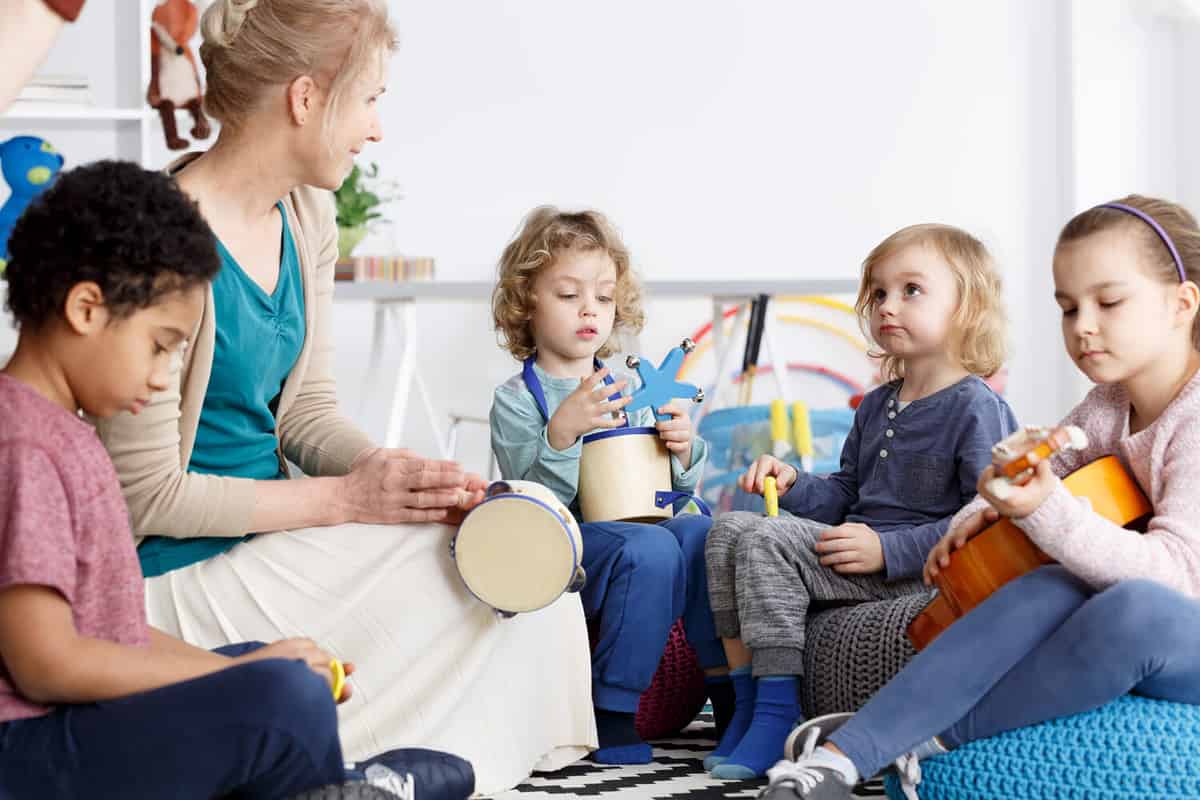
Children often learn best from what they see, hear and experience. If they notice their parents sharing and being empathetic, they may be more willing to follow suit. Lareau says you can make these experiences more obvious to little kids by narrating them as you go along.
“You can say, ‘How about we share some of this snack with your sister because she really enjoys it and it’ll make her happy.' Or ‘I noticed your brother was sad because his block tower fell over. Let’s go check on him.' Or ‘I’m going to share my blanket with you because you look cold,” she says. “Narrating these moments helps teach children how to notice another person’s experience without turning it into a lecture.”
To encourage sharing, you can demonstrate and gradually introduce the concept of taking turns. If a child is not sharing a toy with a sibling or friend, try asking them if they can let the other child play with it for five minutes. Set a timer and make sure they actually have the toy returned to them after the allotted period. This ensures that children know that they're not losing their toy forever.
“Giving children concrete limits — such as saying that they can have a toy for five minutes before it’s their friend or sibling’s turn — makes the concept of sharing more tangible and easily graspable for them, Willborn says. “Intervening and forcibly taking toys or other possessions away, especially without sufficient warning, can cause resentment and anger, further reinforcing their desire to guard their possessions.”

©fizkes/Shutterstock.com
Should I Enforce Negative Consequences for Selfish Behavior?
Experts say that punishment for not sharing may not achieve the results parents are hoping for. If you punish a child for not sharing, they may share only to avoid consequences instead of sharing because they're truly being empathetic.
“Your child might not be sharing out of generosity but out of fear of getting in trouble,” Lareau says. “So it becomes less about learning empathy or building emotional intelligence.”
That doesn't mean that your child has to share or take turns with every toy they own. It's okay to have a few toys that are theirs and theirs alone, like a special stuffed animal or favorite blanket. But not everything can be special. Also, parents should still enforce boundaries around unacceptable behaviors, like hitting, grabbing, or screaming, because they don't want to take turns with a toy.
Lareau says parents should try to use a coaching approach instead of punishment in these cases. Try telling the child that hitting is not allowed, but they can ask for a turn or set a timer to take turns.
Other Resources to Help Children With Empathy and Sharing
Reading books about sharing can help kids realize that it is something everyone does. Many books also acknowledge kids' feelings about resistance to sharing, showing that it's okay to have mixed feelings about taking turns or letting someone else play with your toys.
Daniel Tiger always has something to say about sharing, and you can find books like Friends Ask First! or Daniel Learns to Share. Several episodes of Daniel Tiger also revolve around sharing. Look for “Sharing at the Library / Daniel Shares with Margaret” or “Daniel Shares His Tigertastic Car / Katerina Shares Her Tutu.” Scholastic also has a list of books about sharing for preschoolers and young elementary kids, with characters from Elephant and Piggie to Llama Llama.
If you want something to read as an adult, try How to Talk So Kids Will Listen & Listen So Kids Will Talk. The advice in this book will help you move from yelling and threatening to working as a team with your child to understand what they're going through and help them move forward. ZerotoThree.org also provides answers to many questions about early childhood development and how to navigate developmental differences in varying situations.
It's important to remember that children do not all develop the same skills and emotions at the same time. While it may not seem like your child is ready to exhibit empathy and share in preschool, they may eventually be just as caring and sharing as every other child. Give your child time to learn and grow, and set a good example for them to follow.
The image featured at the top of this post is ©antoniodiaz/Shutterstock.com