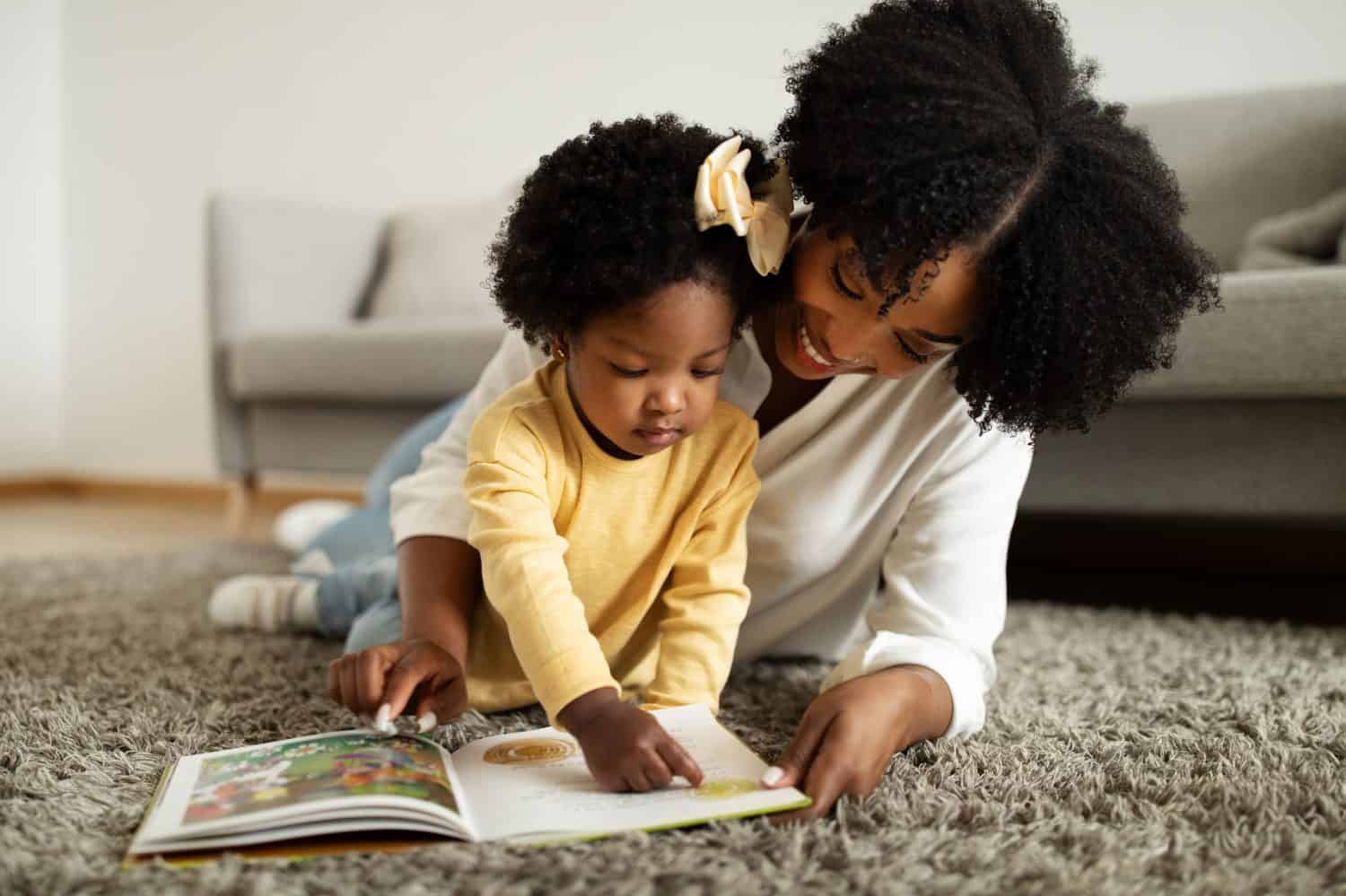
Happy, funny, energetic, calm, mischievous — which one best describes your toddler? As a mom of three, I’ve seen it all — sometimes on the same day! Even when your kids have the same parents and grow up in the same home, their personalities can be very different, just as they will be as adults. As their parents, it’s our job to nurture their individuality while also teaching empathy and kindness. While throwing a tantrum if they don’t get their way may seem cute now, it is definitely not cute when they get older.
Personalities Start Emerging in Babyhood
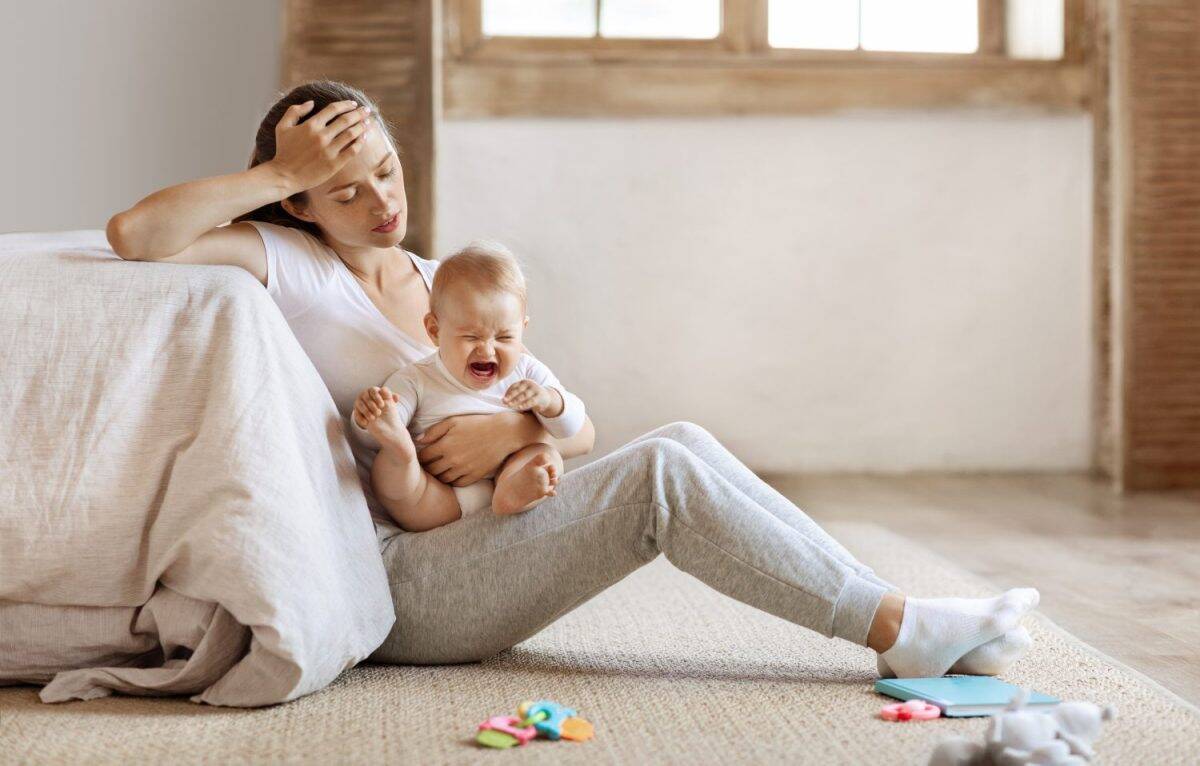
From the time your little one is a few months old, you can start to see their personality.
©Prostock-studio/Shutterstock.com
Not all babies are the same, and as young as 4 to 7 months, babies will already start showing their own unique personalities. According to the American Academy of Pediatrics (AAP), the subtle ways your baby shows who they are are determined by their genes. For example, they might be more gentle or more outgoing, more headstrong or more compliant, more active or calmer. None of these are necessarily good or bad, but it can be difficult parenting a future CEO when all they want to do is climb on furniture and crawl away from you screaming at bedtime.
According to the AAP, though, you should try to learn about your toddler and embrace their differences. “To a large degree, you’ll fare better not by trying to change your child’s temperament, but by accommodating it,” the organization stated on its website. “You can reduce the stresses of rearing an infant by recognizing and acknowledging her temperament rather than resisting or working against it.”
It’s Easier Said Than Done
So, how exactly do you go about nurturing your toddler’s personality? For starters, don’t assume that just because you’ve parented one child, you know how this one will act. For example, if your first child was calm and content and your second child is prone to screaming and acting out, this doesn’t mean that they are being naughty or need correction. It starts with patience on your part.
The AAP recommends spending more time connecting with the rambunctious toddler, distracting them, and helping them refocus their energy. I used to save cardboard boxes for my son to jump on and destroy, helping satisfy his destructive tendencies in a productive way that didn't hurt anyone.

Sometimes during a tantrum, the best thing you can do is nothing.
©antoniodiaz/Shutterstock.com
Quieter kids may require a different approach. Just because they aren’t noisily demanding your attention doesn’t mean they are happy and content. They might feel sad or overlooked, requiring you to spend some one-on-one time with them to connect in a more laid-back way. You need to be patient in a different way, subtly encouraging your toddler to acclimate to situations, be brave, and warm up.
My second-born was like this, always more cautious at playgrounds and in social situations than my firstborn. If I stayed calm and reassured him, without forcing him to hurry or keep up with his older brother, it made him happier and more confident.
Avoid Power Struggles
One of the best ways to nurture your kids and teach them positive personality traits is by modeling them yourself. No, you can’t yell or punish bad attitudes out of your children. Instead, you have to work hard to stay calm and show your kids the behavior you want.
Parenting expert Dr. Becky Kennedy previously told Today, “Working on regulating your own emotions is the source of your power and your leadership — that’s what enables you to show up in a way you’re proud of.”
She recommends “doing nothing,” which looks like not engaging in power struggles or taking the bait when they try to blame you for things. “Here’s the thing about doing nothing,” Dr. Becky explained, adding, “When I am doing ‘nothing’ on the outside — meaning, I’m not taking the bait from my kids — I am actually doing a lot on the inside: I’m breathing, talking to myself … I’m regulating myself on the inside, so I can ‘do nothing’ on the outside.”
Tips for Teaching Kindness
In my house, we love analyzing stories and TV shows (Bluey is a personal favorite) to teach about kindness and empathy. We will talk about how the characters handled situations, what they did when they made mistakes, and what behaviors they could change to be kinder to others. Obviously, this will look different from toddlers to elementary school kids, but you can do it on a level your kid will understand. And when they use those kind, empathetic behaviors, praise them for it.
Dr. Lindsay Gerber, PsyD, previously told the Child Mind Institute that you should praise your kid’s specific actions, saying things such as, “I love how you are sharing your crayons with your sibling.”
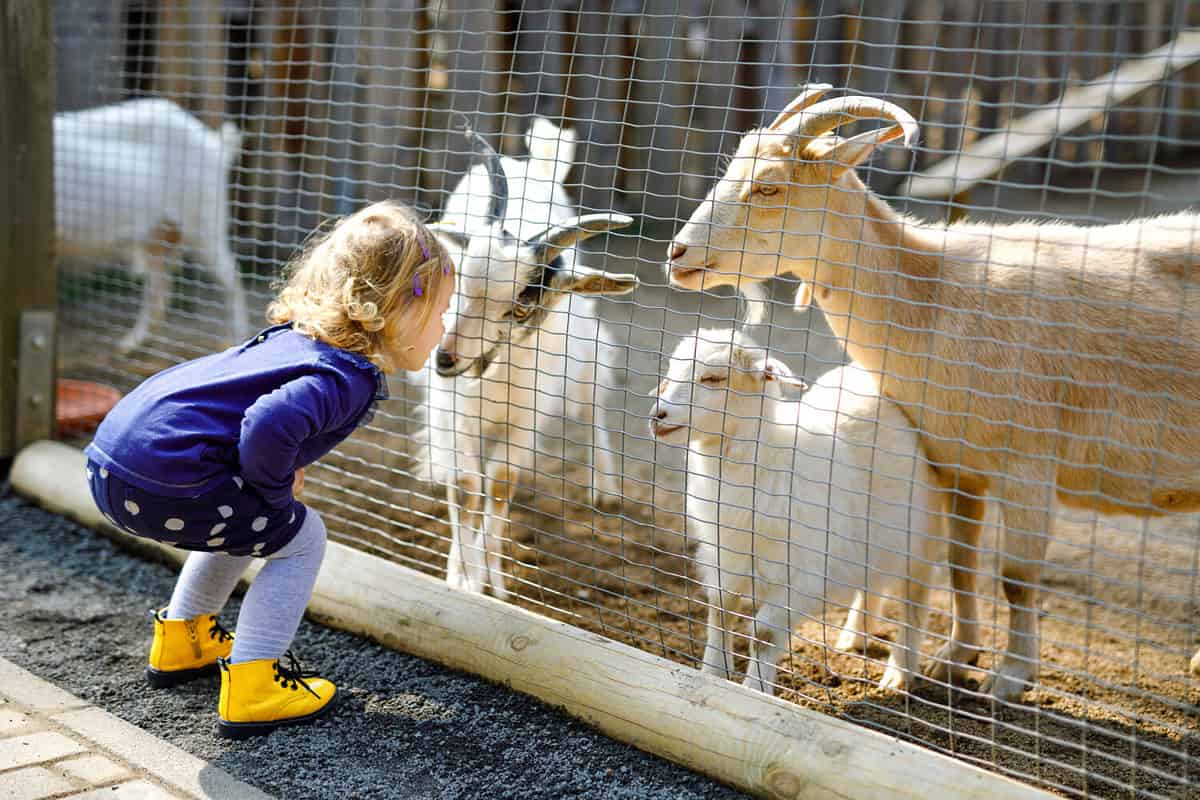
Teaching kindness starts with modeling that behavior for your children.
©Irina Wilhauk/Shutterstock.com
“No matter their age, letting kids know that you appreciate their behavior will make them feel good, and when they know exactly what they are being praised for, they will be more likely to do it again in the future,” she said.
She also recommends making an effort to spend time with your kids and build connections, even if it’s just a distraction-free family dinner or playing with them for 10 minutes. This will help them get the positive attention they need and will make them less likely to act out.
Toddlers can be difficult, but by being patient, calm, and willing to adjust your own behaviors and expectations, you can raise kind, happy, loving kids. They may still be strong-willed (there's nothing you can do about that!), but they can learn to harness those feelings in positive ways. And at the end of the day, that's all we hope for our children anyway.
The image featured at the top of this post is ©Prostock-studio/Shutterstock.com