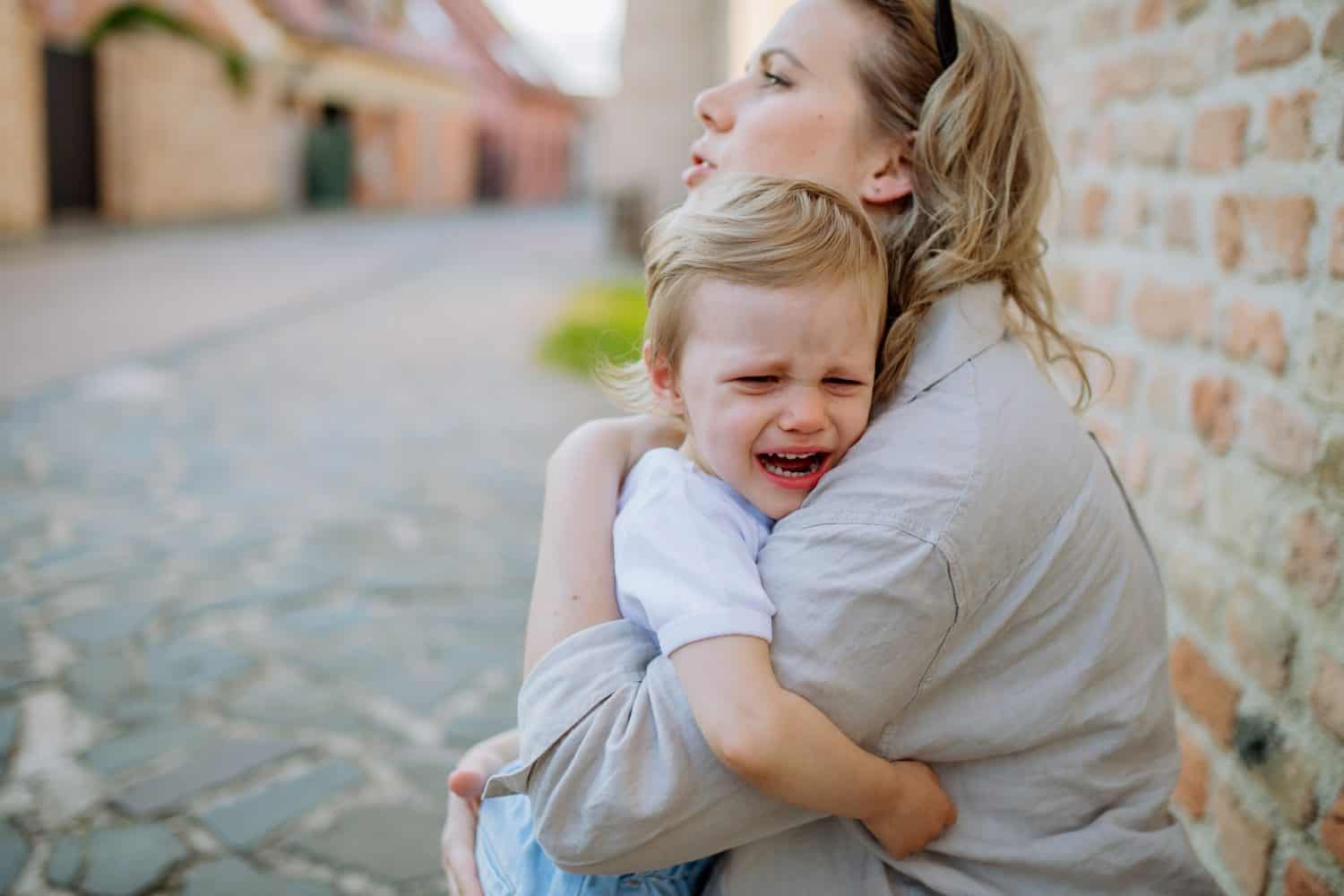
You get a call from your child’s preschool alerting you about a classroom incident where one child bit another — and (gah) the culprit was your kid. Although not all toddlers are aggressive, it is a common occurrence during this developmental stage. That’s why you need to know how toddler aggression happens, what the signs are, and how to get your kiddo to stop spitting at their classmates (and yes, it happens.)
What Is Toddler Aggression?

©Sharomka/Shutterstock.com
Sometimes, your toddler is cute and cuddly — and other times, they’re like an MMA fighter in a no-holds-barred revenge match. Although it can be unsettling to see your child getting physical, toddler aggression is a common way that children in this age group express themselves.
“Toddler aggression is very often about a form of communication, but it's also a way of discharging intense feelings in the body,” explains Adriane Barroso, PhD, a licensed psychologist and Clinical Director and Supervisor of Real Talk Clinical Psychology in Houston, Texas. “A young child who hits, bites, throws, and screams is doing what humans do when they have more feeling than language: they discharge it physically.”
And more often than not, those actions land — both literally and metaphorically. “When young children are unable to use clear verbal communication, they rely on behavior to communicate their thoughts, opinions, and feelings,” says Kelly Sheehan, M.Ed., LBA, BCBA, COBA, a Board-Certified Behavior Analyst and Founder of Eligius Behavior. “Aggression, through this lens of behavior analysis, is just a communication method that tends to be very clear and effective in meeting their needs.”
Is It Defiance or Something Else?
But if you thought that toddler aggression was about defiance or just bad behavior, think again. “For toddlers, their bodies speak before words can,” says Barroso. “This isn’t direct evidence that something is wrong with the child, and it's not necessarily defiance either — depending on their age, it’s a response to inner pressure and a way of asserting existence when words cannot yet do it.”
Although a child can exhibit aggressive behaviors at any age, toddler aggression is more likely to happen between the ages of 1 and 4 years-old — if at all. “This often occurs as children become aware of themselves as individuals with desires and preferences,” explains Barroso. “Finding out that the world does not always accommodate them produces huge frustration.” So don’t be surprised if you see their sneakers go flying across the room if you tell them that it’s too cold to go to the park today.
©fotosparrow/Shutterstock.com
What Does Toddler Aggression Look Like?
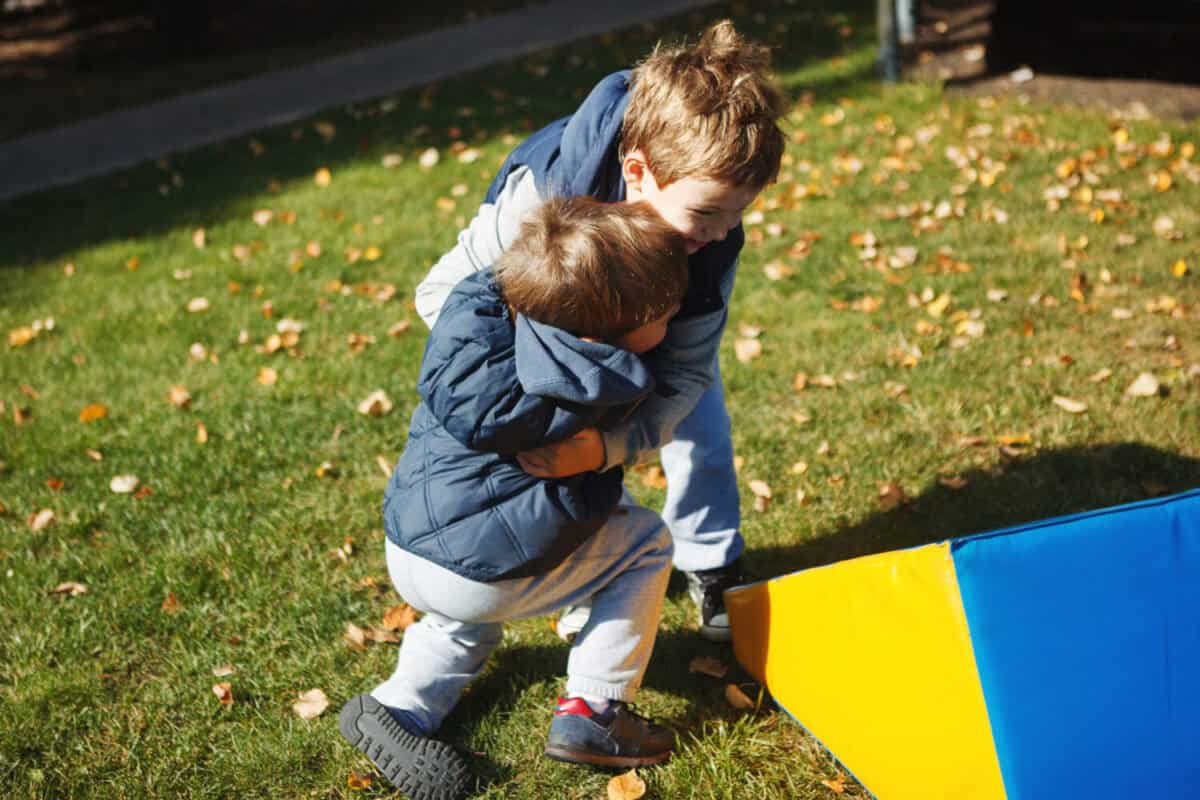
For being little humans, toddlers definitely have big emotions. But the difference between a toddler’s tantrum and outright aggression comes down to two things: physicality and intensity. According to Barroso, a toddler who hits when they’re overwhelmed can be different from one who uses physical aggression as their default response whenever they’re frustrated or upset.
“An outspoken toddler argues, protests, and resists, using their voice, even when it's very loud,” Barroso explains. “An aggressive toddler moves toward harm in a way that looks more like a discharge than a communication, bypassing words in favor of physical action.”
If you’re unsure if your toddler is in the throes of a tantrum or is exhibiting aggressive behavior, here are some signs:
- Hitting
- Kicking
- Throwing objects
- Stomping their feet
- Running away
- Falling to the floor
- Biting
- Pushing/Pulling
Toddler aggression isn’t just challenging for your child, but it can also adversely affect your child’s social development. “Even at a young age, children are sensitive to how they’re perceived, and experiences of being the one who gets in trouble all the time, or the one who is excluded, can shape how they understand themselves,” says Barroso.
Having a child who’s known to hit, kick (or even spit) isn’t always easy, and it’s okay to admit that it’s stressful being known as “The Biter’s Mom.” “Parents can also find themselves managing their own distress — even shame,” she says. “There’s also the fear that your child's behavior reflects something about their parenting, which keeps many families from asking for help earlier.”
Do Toddlers Outgrow This Behavior?
Sure, you liked the fact that your child stood up for themselves when another child tried to take their place on the reading mat — you just wish that they hadn’t shoved the kid out of the way to make their point. So if you’re wondering whether their antics will increase as they get older, the good news is that this is most likely a developmental stage (albeit a tough one).
“Children will usually move beyond their aggressive phases at the appropriate time,” says Barroso. “As they conquer language, learn how to manage their feelings, the acting out episodes end up decreasing without clinical intervention.”
Adds Sheehan: “Toddler behavior is not indicative of future behaviors, unless for some reason the child isn't taught other skills to replace the aggressive behavior. If that's the only tool they have to get their needs met, then it's likely to continue.”
©New Africa/Shutterstock.com
What Can Parents Do If Their Toddler Is Aggressive?
Even the most patient parent can lose it when their little one is, well, losing it. But staying regulated is crucial in helping your child calm down, which, of course, is easier said than done. “Younger children at this age co-regulate, which means that they borrow the energy from the adults,” Barroso says. “As hard as that is (and it's genuinely hard!), the steadier the adults can be, the sooner the storm tends to pass.”
That can start by giving yourself some space — literally. If you’re able to safely step away from your toddler for a minute, it can help you to regroup faster and compassionately address your child’s behavior. It also helps to identify what’s irritating your child to validate their feelings.
“If their toddler is aggressive, parents can model talking about feelings and using words to solve problems,” suggests Fields. For example: “I see that you really want to keep playing with your toys, but it’s time for dinner,” or “I know that you want to sit on my lap, and you’ll get a turn soon.”
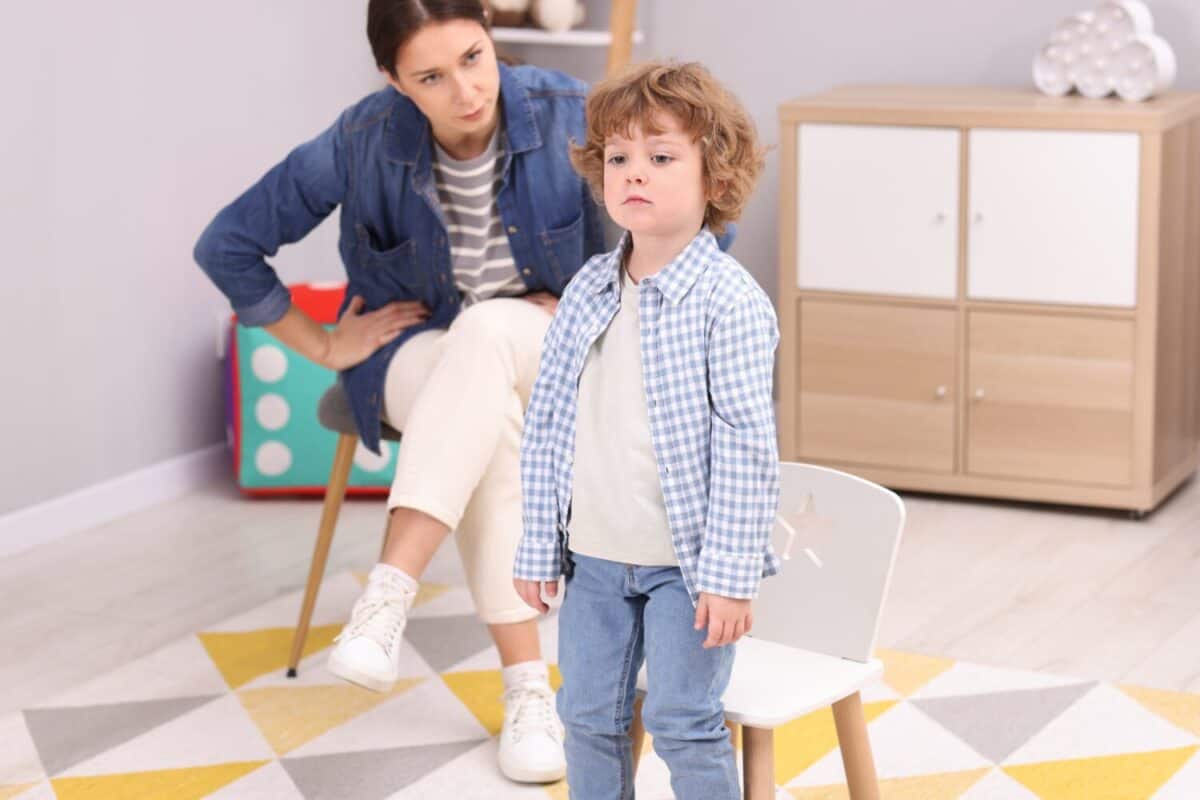
That said, understanding the reason doesn’t excuse their antics. That’s why clear communication about what’s accepted behavior (and what’s not) is important. “If a toddler is aggressive, they should get a clear verbal message that that is not okay,” says Stephanie Nova Fields, Ph.D., a licensed psychologist. And your child should always apologize for hurting someone or behaving aggressively, which could put others at risk.
When Should Parents Seek Help?
While occasional aggression can be developmentally normal, there are times when it may signal a need for additional support. Experts say that parents should pay attention to patterns, intensity of the aggression, and whether there are other concerning behavioral issues, too.
“Aggression that persists and intensifies or feels out of proportion to the situation at hand should be taken seriously,” advises Barroso. “It’s also important to distinguish between typical physical outbursts and a broader difficulty recognizing others’ boundaries or needs that deserve attention.”
Early intervention is key, since it can help you better understand what’s driving the behavior and how to support change. So speak with your child’s pediatrician, who may recommend a behavioral specialist, who can see if communication challenges or even sensory sensitivities could be the root cause.
Toddler aggression can be overwhelming, but in many cases, it’s a natural part of your child learning how to regulate their emotions, communicate more effectively, and navigate the world. And with the right structure, such as clear boundaries, support when needed (and a whole lot of patience), your child should be able to express themselves better — hopefully without biting.
The image featured at the top of this post is ©Halfpoint/Shutterstock.com