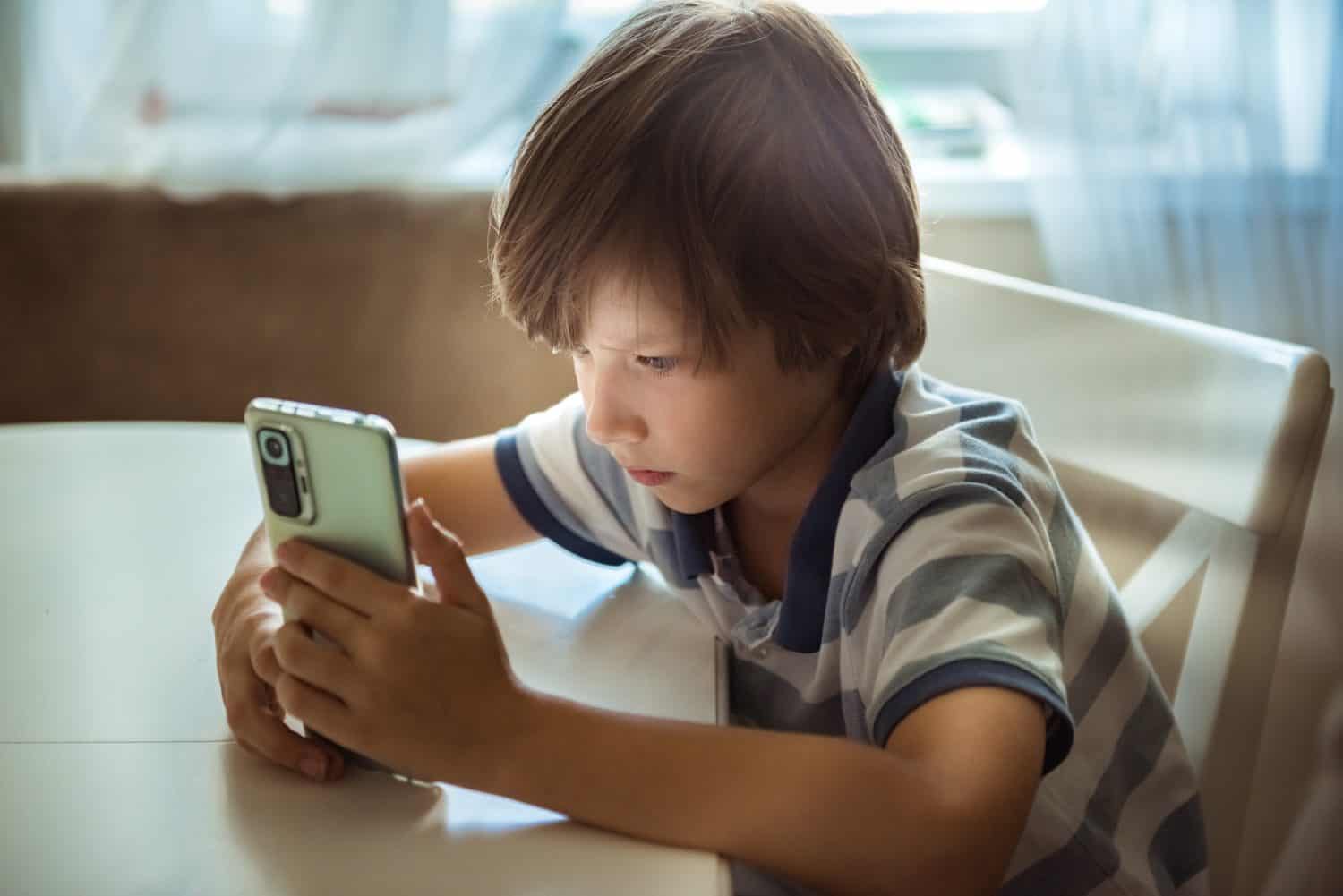
With 15 states and counting moving toward cell phone bans in schools, many parents feel the pressure to make a choice. In a digital world where everyone has access to a smartphone, some might feel like restricting their child's access is moving backward. Others support the idea, encouraging screen-free time and social engagement. There's no right or wrong answer, but there are plenty of things to consider on either side.
As “Away for the Day” rules, Bricks, and Yondr pouches become the norm, we want to hear what experts have to say. Roseann Capanna-Hodge, Psychologist & Founder at Dr. Roseann Capanna-Hodge, LLC and The Global Institute of Children's Mental Health, shares what your child's mental health could look like with and without their cell phone in school.
Having a Cell Phone At School Has One Surprising Benefit

©lechatnoir / Getty Images
There's no simple answer when it comes to whether cell phones should be in schools. And while there are countless studies detailing the harmful effects of screen time on developing teen brains, Dr. Capanna says some students may actually benefit from having their phones with them.
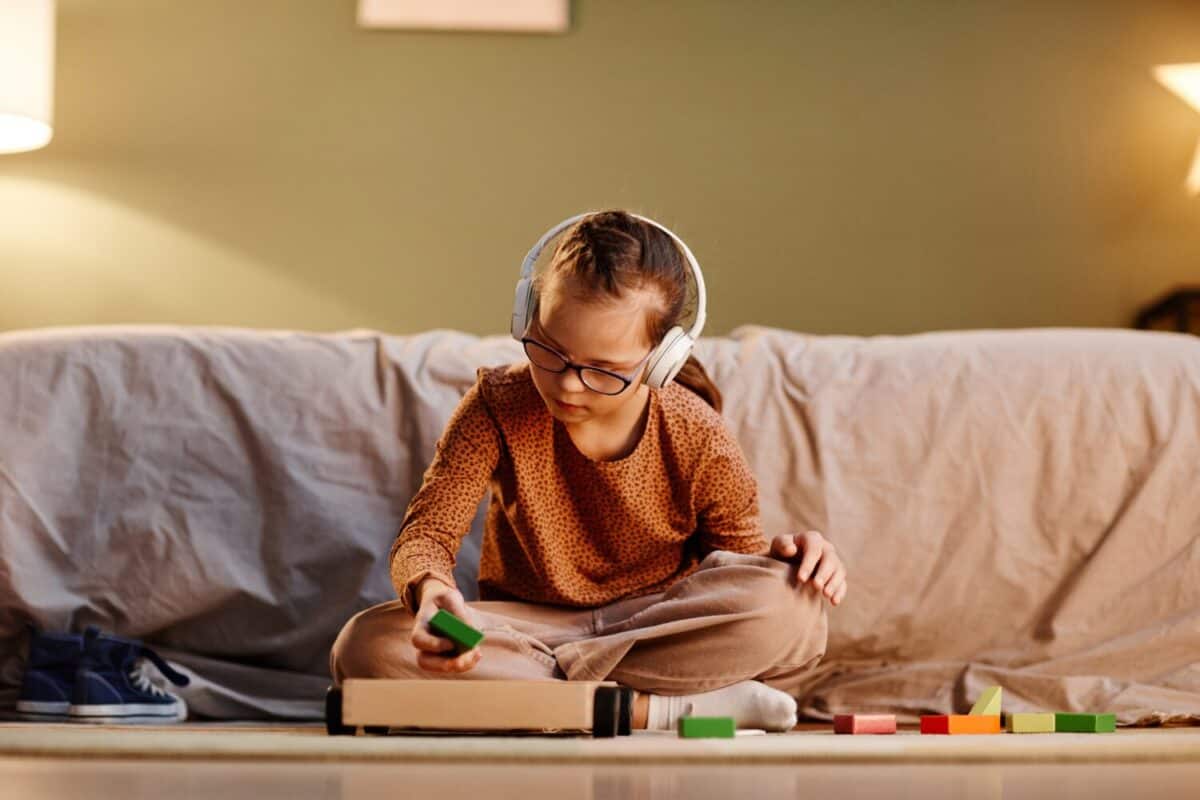
“Ultimately, phones are a distraction for most kids and interfere with real connections among students. And if there is one thing kids will need in the future to compete with AI in the workplace, it’s strong social-emotional skills, communication, and the ability to connect face-to-face,” she says. “That said, phones can provide accommodations for some neurodivergent students. They can help students take notes, manage schedules, organize, use assistive technology, or support executive functioning challenges. In some cases, they can be genuinely helpful learning supports.”
Screen time should always be monitored, but it looks different in the world of neurodivergence. Cell phones could encourage shared interests and pastimes and even serve as the foundation for conversations. They can also be helpful distractions, offering relief through fidget toys or a break from eye contact. However, this is only one of the few benefits, and it commonly applies to those with ADHD and/or autism.
The Cons Often Outweigh the Pros
An article published in EducationWeek in January 2026 detailed a high school-led study on cell phone restrictions in schools. Of all the students polled, 67% of teens reported that it did not affect their ability to make friends. Another 44% reported no negative effect on their overall mood at school. Teens also noted that being without their cell phones did not impact their focus, schoolwork, attendance, or attention span. This is overwhelmingly positive news, as Dr. Capanna shares that cell phone use typically has more cons than pros.
“Phones keep kids in a constant state of stimulation because the subconscious brain is always anticipating the next notification, message, or urge to check the phone, making it harder to focus, absorb information, and stay engaged in the classroom,” she explains. Constant access to a phone keeps the brain in a state of divided attention. From a nervous system perspective, kids learn and regulate best when they are fully present, engaged, and connected to the people around them, not distracted by what’s happening on a screen.”

©Prostock-studio/Shutterstock.com
Dr. Capanna also adds that having a cell phone can impact social skills and even complicate common interactions. “Instead of talking to each other during breaks or lunch, many kids retreat into screens. In order to build those all-important communication skills, kids need practice reading social cues, managing discomfort, tolerating boredom, and building resilience, and phones often interrupt that process,” she tells us.
“If there’s one thing kids are going to need more of in the future, it’s not screen time. It’s emotional intelligence, adaptability, and the ability to connect human-to-human.”
How Can Parents Support the School's Decision?
Dr. Capanna says the first step to lowering screen time and building your child's confidence without their phone begins at home. Luckily, there are plenty of things parents can do to create a phone-free safe space. “Parents should also help kids build awareness around how screens affect mood, focus, sleep, and stress levels. The goal isn’t just controlling the phone. It’s helping kids learn self-regulation and healthy technology habits,” she says.

©DisobeyArt/Shutterstock.com
And although the goal is to reduce your child's screen time, Dr. Capanna says parents are the best inspiration. “Honestly, modeling healthy phone behavior themselves is one of the most powerful things parents can do. Kids notice when adults are constantly distracted by devices, too. Healthy regulation starts with the environment we create at home,” she encourages.
Along with this guidance, Dr. Capanna offers additional tips to help calm the nervous system and reduce the constant stimulation phones create:
- No phones during homework
- No phones at meals
- No phones before bed
- Charge devices outside the bedroom overnight
Cell Phones For Safety Reasons
You can't be too cautious in this day and age, and parents feel that more than anyone. To offer your child additional protection, consider providing a cell phone for use during after-school clubs or sports. Dr. Capanna says this is completely understandable, and there are still ways to follow the “Away for the Day” rule without crushing restrictions on screen time.
“The goal shouldn’t be unrestricted access all day long, but rather teaching kids healthy boundaries around technology,” she says. “Reasonable ground rules can be simple: phones silenced and out of sight during class, no social media during school hours, and phone use limited to communication or approved school-related purposes. Clear boundaries help kids stay present, focused, and better connected to the people around them, as well as stop battles over usage.”
Banning Cell Phones In Schools Shows Positive Effects
As more schools move to ban or restrict cell phones, Dr. Capanna says kids are slowly returning to something they've lost: a real human connection. “Instead of talking at lunch, navigating awkward moments, reading social cues, or learning how to handle discomfort face-to-face, many kids immediately disappear into their phones. But those everyday interactions are exactly how children build confidence, emotional intelligence, resilience, and communication skills,” she says.
Dr. Capanna adds that these relationships are not built and fostered through a screen. As the focus shifts to this, those bonds also help nurture a teen's nervous system. “When you remove that digital noise, many students become calmer, more present, and more connected to the people around them,” she adds.
©SeventyFour/Shutterstock.com
“There is growing evidence that reducing phone access during the school day can improve focus, classroom engagement, and peer relations. One 2025 study found that problematic smartphone use in adolescents was linked to emotional dysregulation, poorer mental health, sleep disruption, and attention difficulties,” Dr. Capanna shares with us.
“At the same time, another 2025 study found that restrictive school phone policies alone did not significantly improve mental health, sleep, physical activity, or overall well-being. While students used their phones less during school hours, researchers found they often made up for that screen time once they got home. That tells us banning phones at school may help reduce distraction and improve focus during the day, but healthier technology habits also need to happen outside of school for there to be real mental health benefits.”
The image featured at the top of this post is ©Iren_Geo/Shutterstock.com