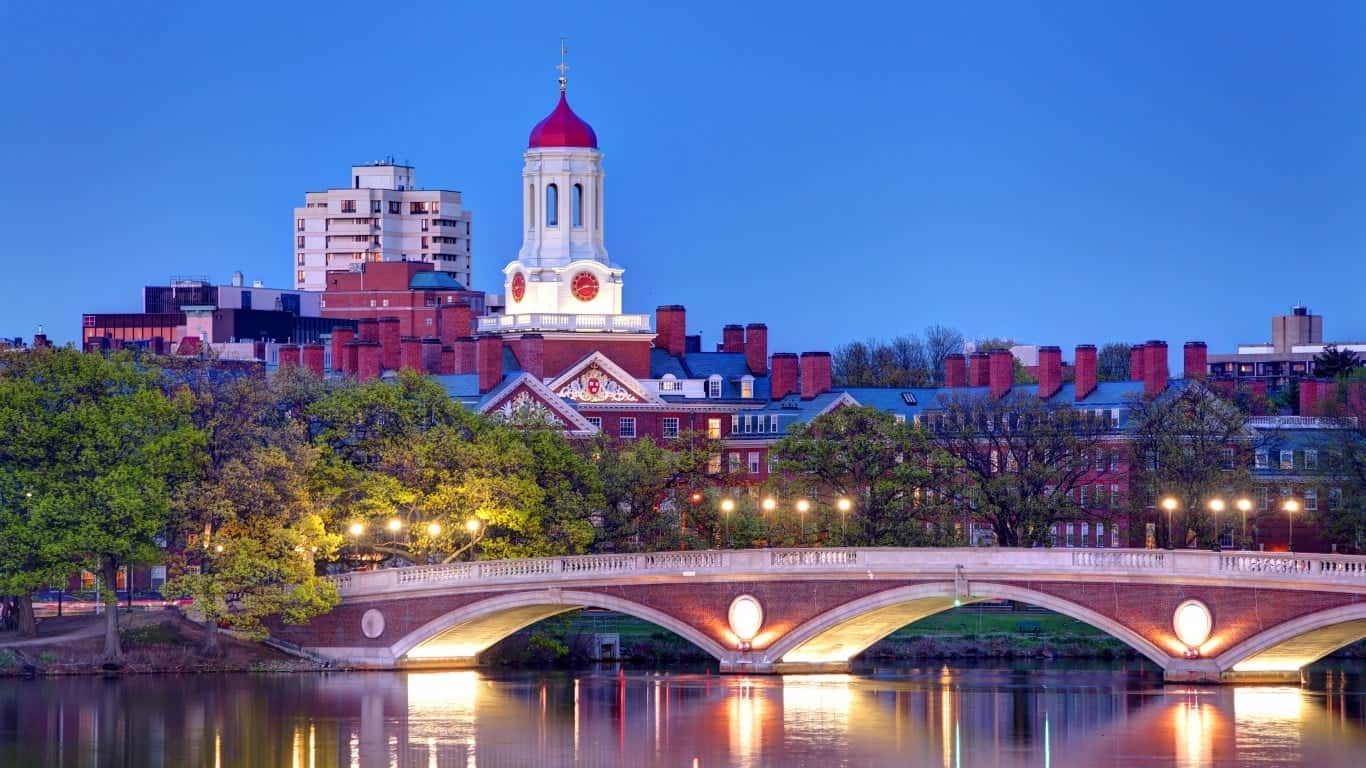
For a long time, many parents and students treated the Ivy League as the ultimate college dream. Harvard, Yale, Princeton, and the rest of the Ivy League still carry enormous prestige, but they are not the only schools that can lead to a powerful education, strong career options, and a successful future.
In fact, depending on what your child wants to study, how they learn best, and what kind of campus environment they need, another college may be a better fit. Some non-Ivy schools offer smaller classes, stronger STEM programs, better access to research, major city connections, or a student experience that feels more personal and practical.
This article looks at 10 colleges that can compete with, and sometimes outperform, the Ivy League in academics, career outcomes, student experience, and real-world value. For families thinking about college admissions, these schools are a reminder that the best college is not always the most famous name. It is the school that gives a student the right support, the right opportunities, and the right path forward.
10. Williams College
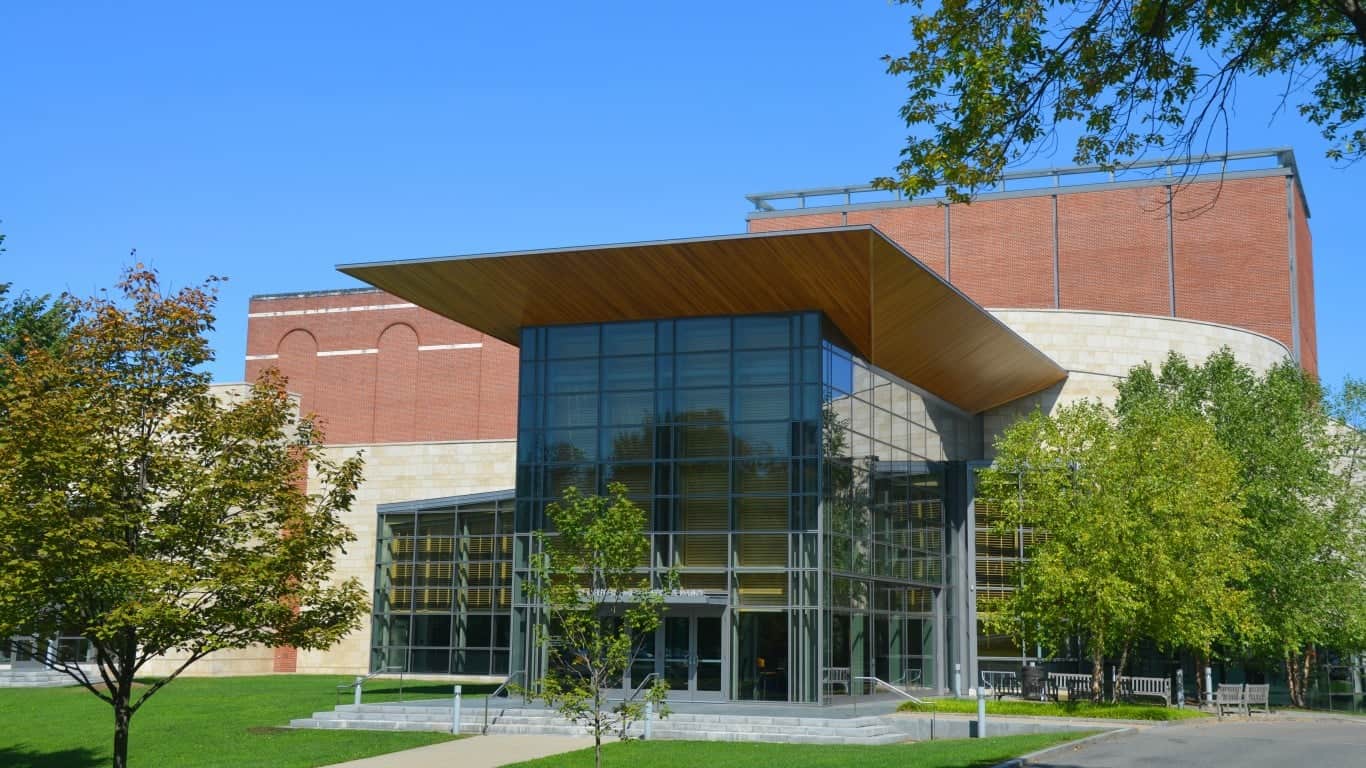
Williams College may not have the household-name recognition of Harvard or Yale, but among people who understand liberal arts education, it is one of the most respected colleges in the country. This private liberal arts school enrolls around 2,000 undergraduate students, giving it the kind of close-knit academic environment many larger universities cannot offer. Students can choose from dozens of majors across a wide range of departments, but the real strength of Williams is how personal the experience feels. With a highly selective admissions process and an acceptance rate around 9%, Williams attracts ambitious students who want intense academics without getting lost in a massive campus system. For parents looking beyond brand names, Williams is proof that a smaller school can still deliver an elite education.
Why Choose Williams College
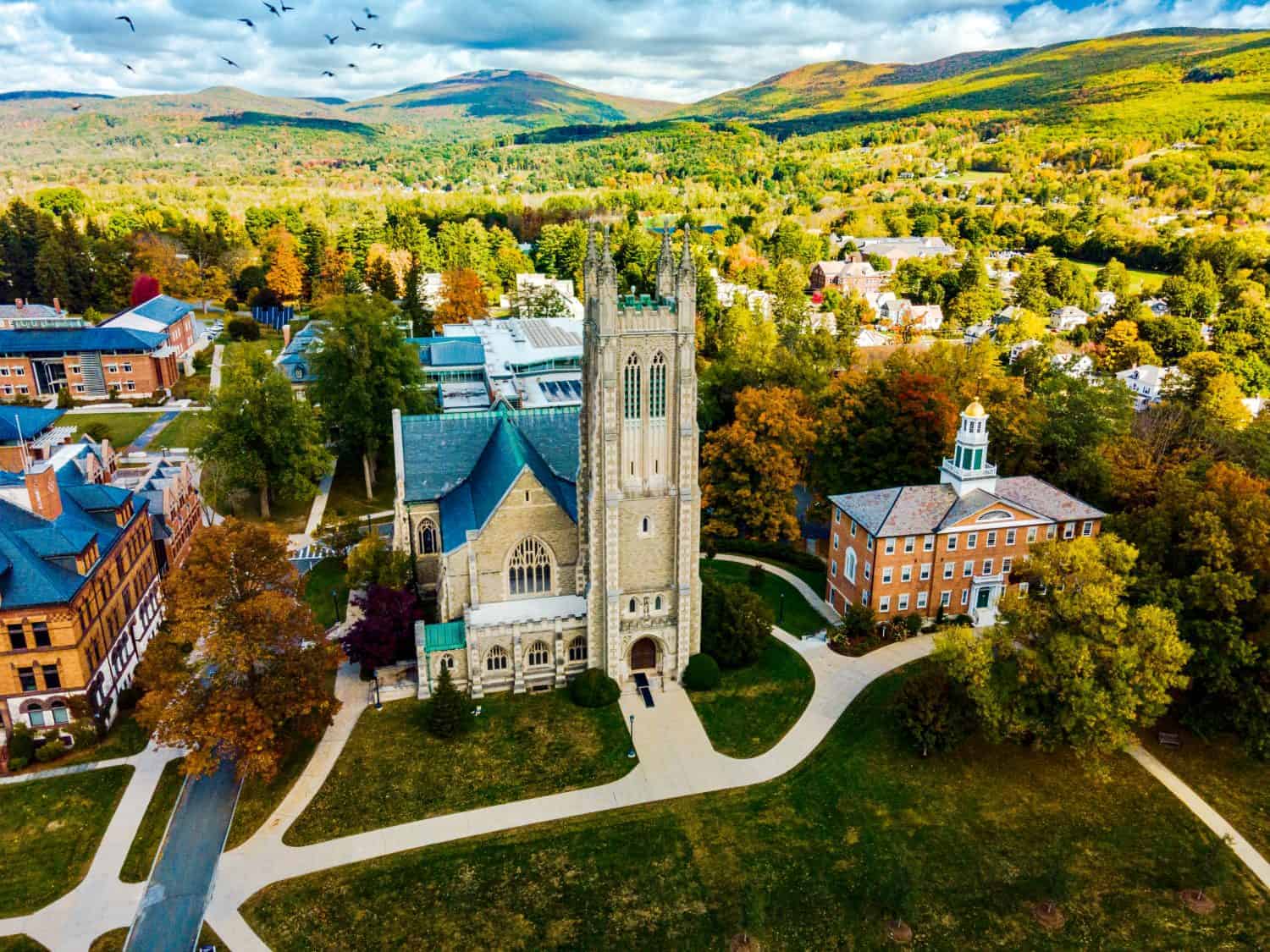
One of the biggest reasons to choose Williams College is its tutorial-style learning, which gives students a more direct and challenging academic experience than they might find in a traditional lecture hall. This approach is often compared to the tutorial systems used at Oxford and Cambridge, where students work closely with professors and are expected to defend their ideas, write often, and think deeply. For a student who does not want to sit anonymously in the back of a large classroom, that kind of attention can be incredibly valuable. Williams is especially appealing for students who enjoy discussion, writing, research, and close faculty relationships. It is not the right fit for everyone, but for a motivated student who thrives with personal feedback, Williams can offer an Ivy-level education in a much more intimate setting.
9. Vanderbilt University

Vanderbilt University has become one of the most competitive and desirable schools in the country, and it is easy to see why. Located in Nashville, Vanderbilt blends serious academics with a lively campus culture and access to one of America’s most exciting cities. With only 5.6% of applicants admitted into the class of 2027, the school is extremely selective and attracts students who could easily compete for Ivy League spots. Vanderbilt is especially strong for students interested in research, medicine, education, business, public policy, and the humanities. It also offers more than 500 student organizations, giving undergraduates plenty of ways to find their people and build leadership experience. For families who want elite academics without the colder, more traditional Ivy League feel, Vanderbilt is a standout option.
Why Choose Vanderbilt

Vanderbilt’s location in Nashville is a major part of its appeal. Students get the benefits of a beautiful, traditional campus while still living near music, health care, business, media, restaurants, internships, and cultural opportunities. That balance can be especially attractive for parents who want their child to have a complete college experience, not just four years of intense studying. Vanderbilt also has a long history of producing influential alumni, including former U.S. vice presidents, Supreme Court justices, public leaders, business executives, and accomplished professionals across many industries. The school’s academic rigor prepares students well, but its campus life is also a major advantage. Vanderbilt gives students a prestigious degree, strong professional pathways, and a college experience that feels energetic rather than isolated.
8. Rice University
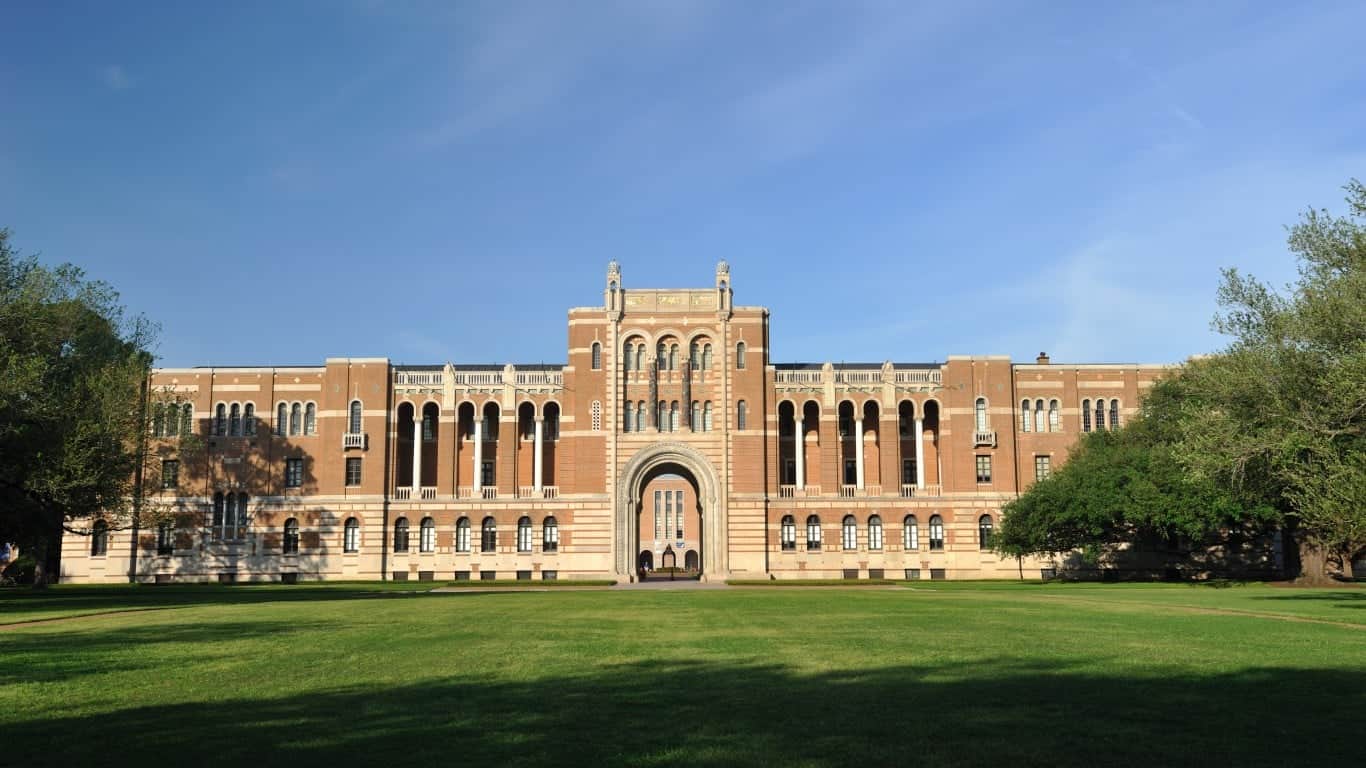
Rice University is one of those schools that deserves far more attention from families who automatically focus on the Ivy League. Located in Houston, Rice is especially strong in STEM fields such as computer science, biochemistry, mechanical engineering, and other research-heavy disciplines. But it is not only a school for future scientists and engineers. Rice also offers a thoughtful undergraduate experience built around its residential college system, which places students into smaller communities within the larger university. That structure helps students find support, friendships, and identity on campus. For parents worried about their child feeling overwhelmed at a competitive university, Rice offers a strong balance. It is academically serious, but it also has a reputation for being collaborative, supportive, and student-centered.
Why Choose Rice University

Rice University’s 6-to-1 student-to-faculty ratio is one of its biggest strengths. That kind of access to professors can make a real difference, especially for students who want mentorship, research opportunities, and meaningful academic guidance. Instead of fighting for attention in huge lecture halls, Rice students often get a more personal educational experience while still attending a top-tier research university. The school’s location in Houston also gives students access to opportunities in medicine, energy, aerospace, technology, business, and the arts. For families comparing Rice with Ivy League schools, the question should not be whether Rice is prestigious enough. The better question is whether Rice offers the kind of support, flexibility, and career access that will help a specific student thrive.
7. New York University
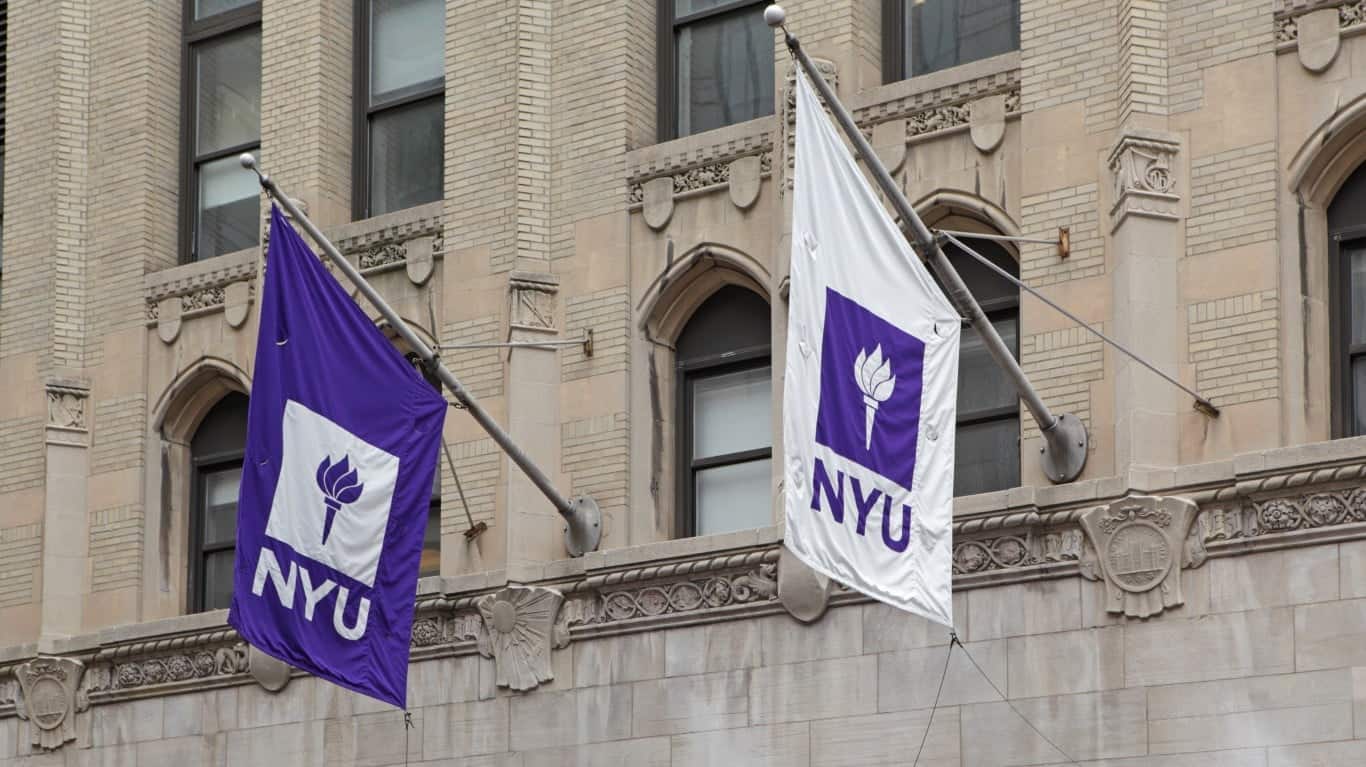
New York University is very different from a traditional Ivy League campus, and that is exactly why it appeals to so many students. Instead of a secluded college environment, NYU places students in the middle of New York City, one of the most important centers for business, finance, media, theater, technology, law, fashion, and culture in the world. For students who are independent, ambitious, and excited by city life, that setting can be a huge advantage. NYU has built a reputation as a launching pad for students who want direct access to internships, networking, and real-world experience while they are still in school. It is not the best fit for someone who wants a quiet, enclosed campus, but for the right student, NYU can open doors early and often.
Why Choose NYU

NYU’s size, location, and global reputation make it a strong alternative to the Ivy League for students who want opportunity built into their daily environment. The university has produced governors, heads of state, senators, artists, executives, entrepreneurs, and leaders across many fields. It is also one of the largest private universities in the country and one of the most applied-to schools, which shows how much demand there is for an NYU education. For parents, the key question is whether their child is ready for the independence that comes with attending college in New York City. Students who are self-driven and comfortable navigating a fast-paced environment may find NYU incredibly rewarding. It offers prestige, access, and a city-based education that few Ivy League schools can match.
6. Northwestern University

Northwestern University is one of the strongest non-Ivy universities in the country, and it offers a mix of academic excellence, professional preparation, and campus life that many families find appealing. Located in Evanston, Illinois, just outside Chicago, Northwestern gives students access to a beautiful college town and one of America’s major cities. The school accepts a small share of applicants and offers more than 100 undergraduate degree options, making it both highly selective and academically broad. Northwestern is especially well known for its Medill School of Journalism and Kellogg School of Management, but its strengths go far beyond those programs. Students interested in theater, engineering, communications, economics, political science, and pre-professional paths all have strong options here.
Why Choose Northwestern
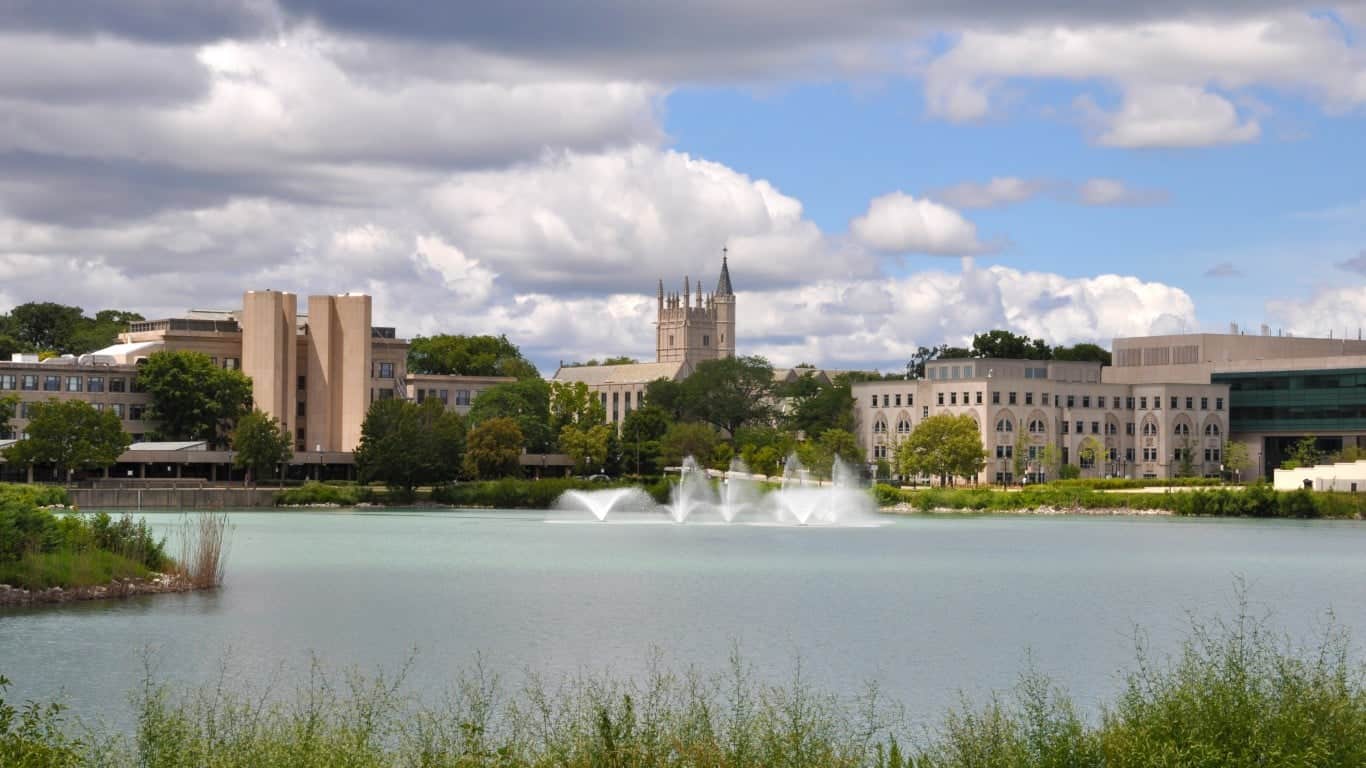
Northwestern is a strong choice for students who want a school that encourages exploration. Many undergraduates study abroad, combine interests across different schools, or pursue double majors and certificates that let them build a more customized education. That flexibility can be helpful for students who are talented but not completely sure what career path they want at 18. Northwestern also has an impressive history of producing Pulitzer Prize winners, Nobel laureates, Fields Medalists, National Medal of Science winners, entertainers, journalists, executives, and public figures. For parents, the appeal is clear: this is a school with serious academic credibility and major career reach. It gives students access to Chicago, a strong alumni network, and a campus culture that supports both ambition and creativity.
5. California Institute of Technology (Caltech)
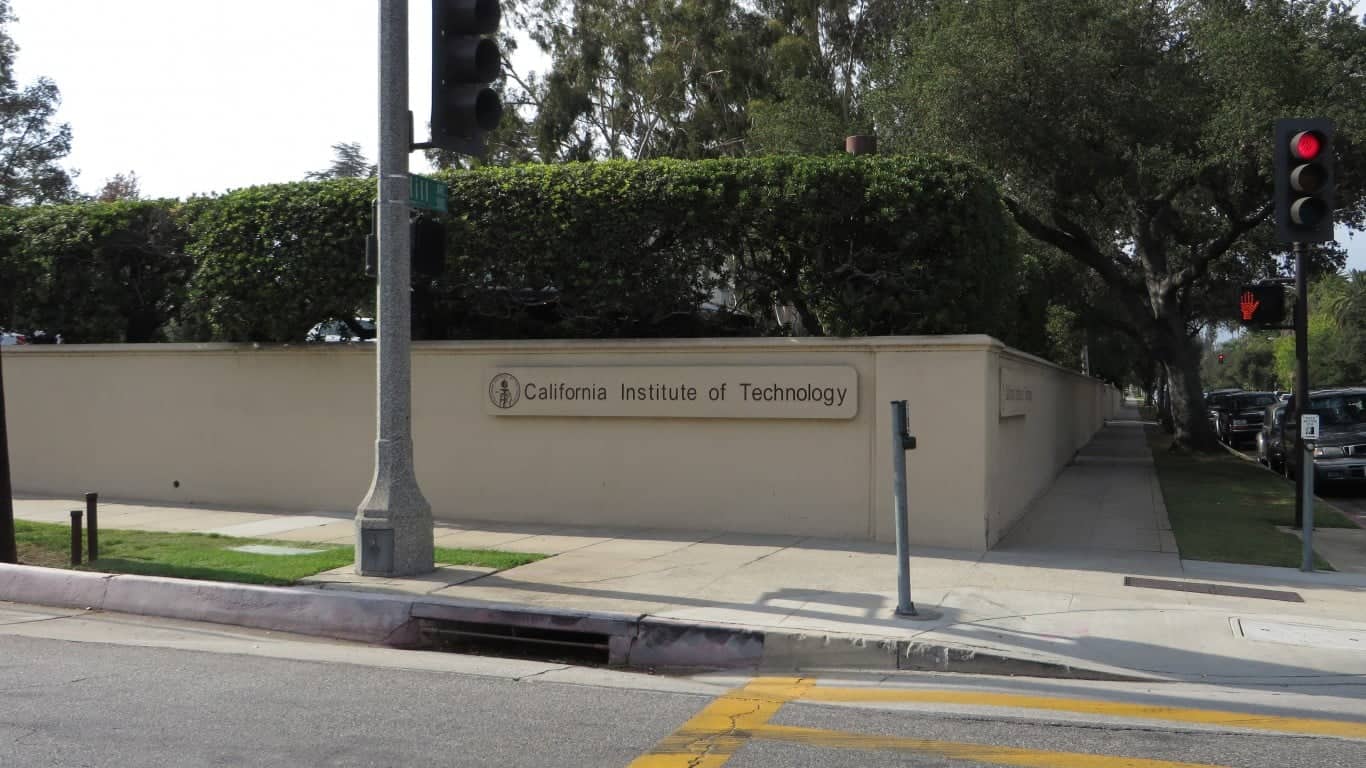
For students who are deeply interested in science, engineering, mathematics, technology, or research, the California Institute of Technology may be a better fit than almost any Ivy League school. Caltech is small, intense, and highly specialized, with only around 1,000 undergraduate students and an acceptance rate around 7%. That makes it one of the most selective schools in the country, but it also means students are surrounded by classmates who are serious about discovery and problem-solving. Caltech is not trying to be everything to everyone. Its identity is built around science and innovation. For the right student, especially one who lights up at physics, space, chemistry, computing, or engineering, Caltech can be the dream school, even without the Ivy League label.
Why Choose Caltech

Caltech is especially appealing for students who want to be close to world-changing research from the start. Its connection to NASA’s Jet Propulsion Laboratory is a major advantage for students interested in space, robotics, planetary science, aerospace, and advanced engineering. The school is consistently ranked among the world’s top universities for STEM fields, and its small size can give undergraduates unusual access to research opportunities. Parents should know that Caltech is academically demanding and not a casual college experience. But for students who are ready for that level of intensity, it can be incredibly powerful. It is a place for future scientists, inventors, and engineers who want to work on difficult problems with people who are just as driven as they are.
4. University of Chicago
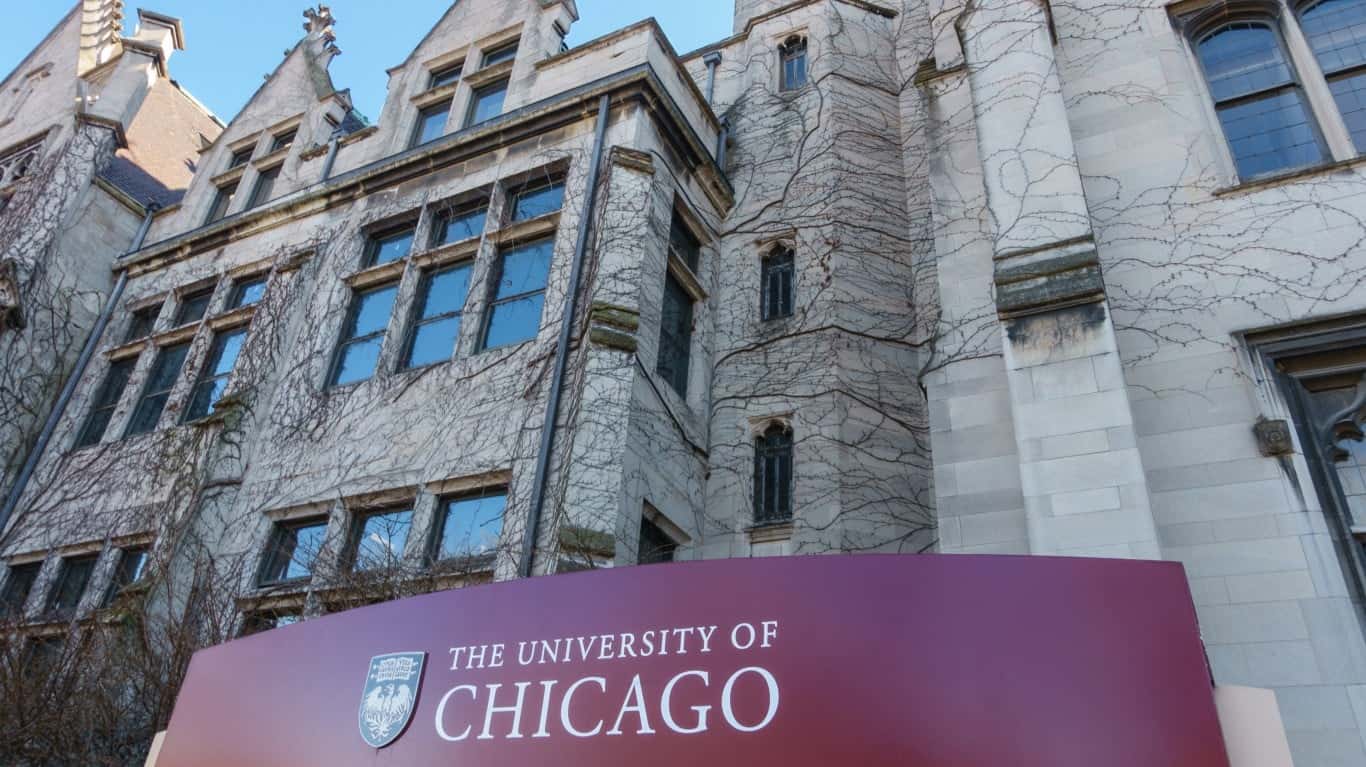
The University of Chicago has a reputation for being one of the most intellectually demanding universities in the country. This is not a school that students usually choose for an easy ride. It is known for deep thinking, rigorous coursework, challenging discussions, and a culture that values big questions. The university is especially strong in economics, law, business, mathematics, social sciences, political science, and the humanities. Its application process is also famous for unusual supplemental essays that encourage students to show personality and originality. For parents of students who love ideas and are comfortable being pushed, the University of Chicago can offer an academic environment that rivals or exceeds many Ivy League options.
Why Choose the University of Chicago
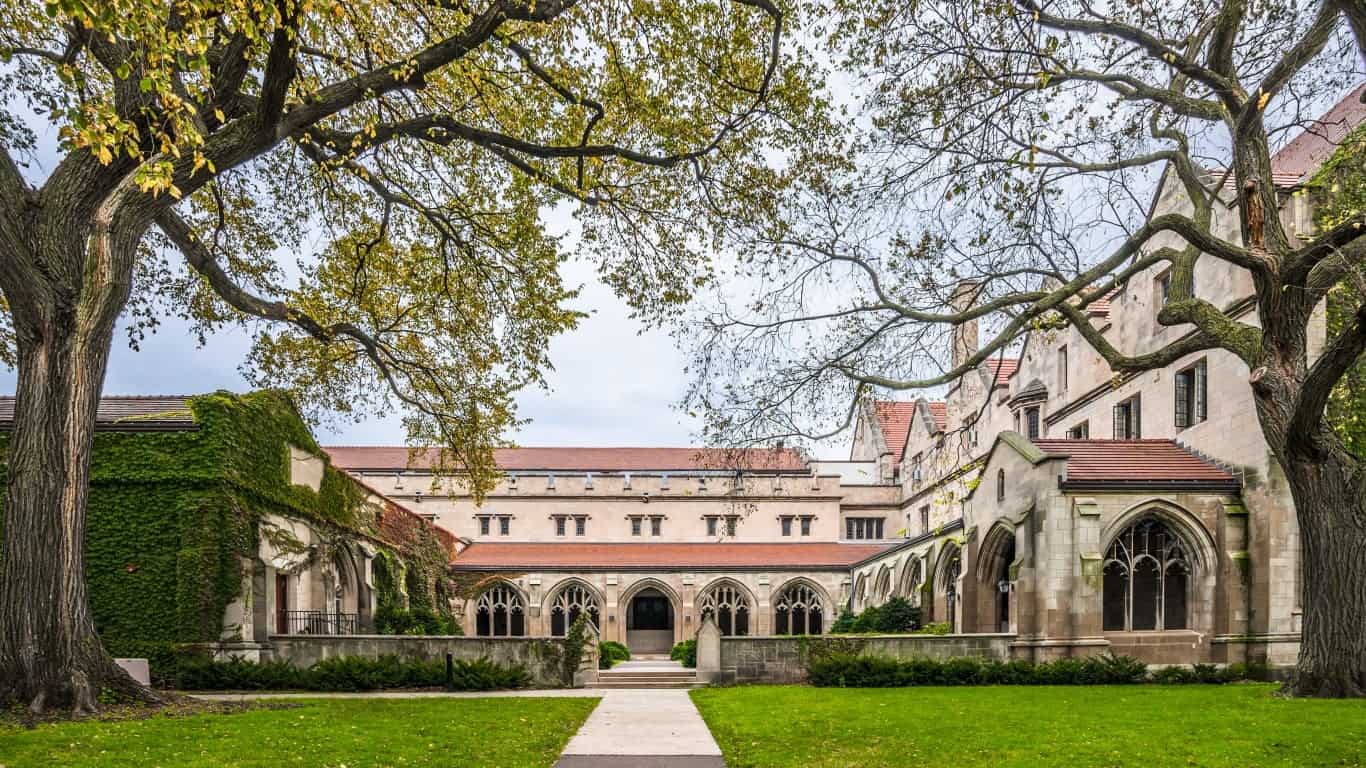
One of the strongest reasons to choose the University of Chicago is the combination of academic seriousness and access to a major city. Students get a campus with a distinct intellectual identity while also being close to Chicago’s cultural institutions, businesses, museums, law firms, financial centers, hospitals, and professional opportunities. The school has produced Nobel laureates, award-winning mathematicians, economists, writers, public leaders, and business figures, giving it a reputation that extends far beyond the Midwest. For a student who wants to be surrounded by people who debate, question, analyze, and think deeply, the University of Chicago can be a better fit than a more traditional Ivy League campus. It is intense, but for the right student, that intensity is the point.
3. Duke University
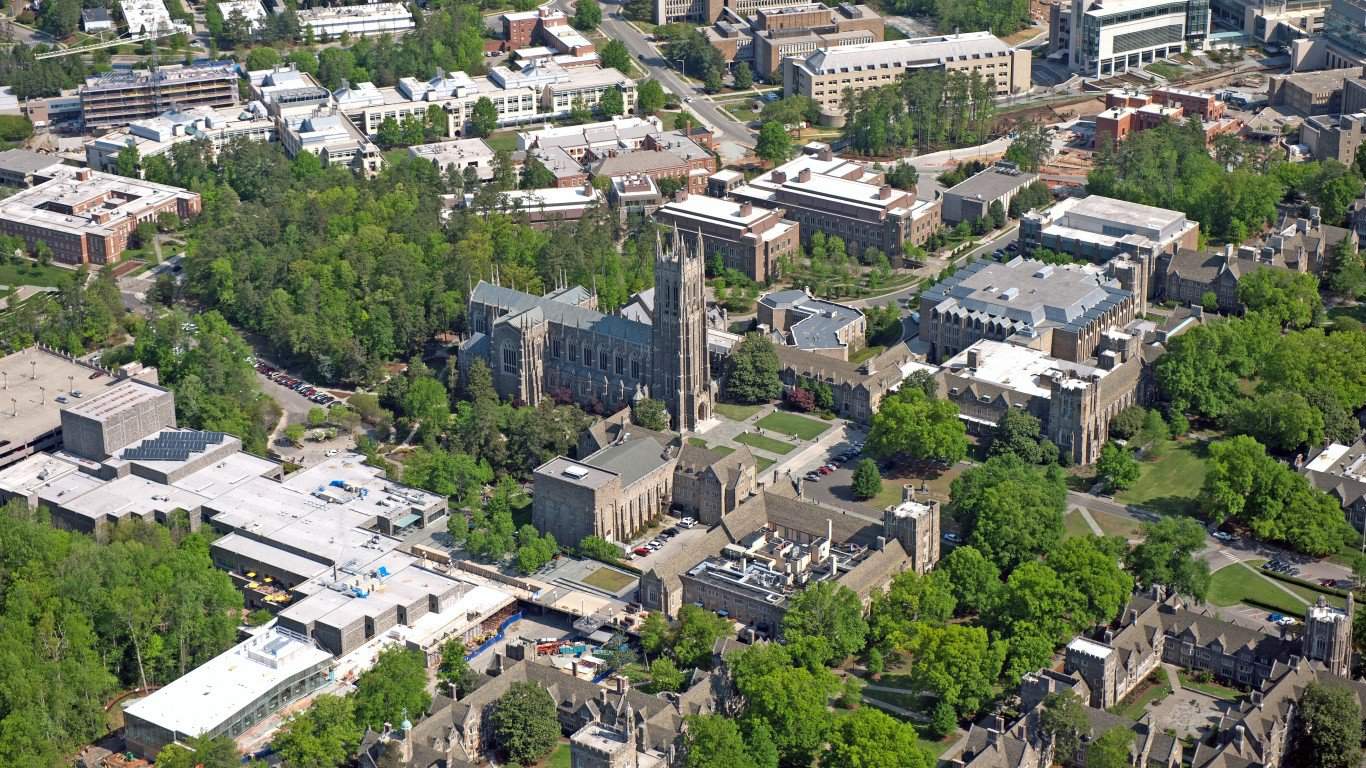
Duke University is one of the most respected universities on the East Coast and one of the clearest examples of a non-Ivy school with Ivy-level prestige. Located in Durham, North Carolina, Duke offers 53 majors and 52 minors, giving students plenty of academic flexibility. It is especially appealing for students interested in engineering, public policy, economics, medicine, biology, business, and global studies. Duke is also known for its school spirit and athletic culture, especially its famous basketball program. That combination matters. Some elite schools are academically strong but socially subdued. Duke gives students serious academics along with a campus environment that feels energetic, connected, and full of tradition.
Why Choose Duke

Duke is widely viewed as one of the most prestigious universities in the South and is a regular presence near the top of national college rankings. But its appeal is not limited to rankings. Duke has a strong reputation for developing future leaders, encouraging interdisciplinary study, and giving students access to excellent research and professional opportunities. The campus itself is often praised for its beauty, and school spirit is a major part of the student experience. For parents, Duke can be attractive because it offers the full package: rigorous academics, strong alumni connections, major-name recognition, and a college culture that many students genuinely enjoy. It may not be an Ivy League school, but few families would see Duke as a step down.
2. Stanford University
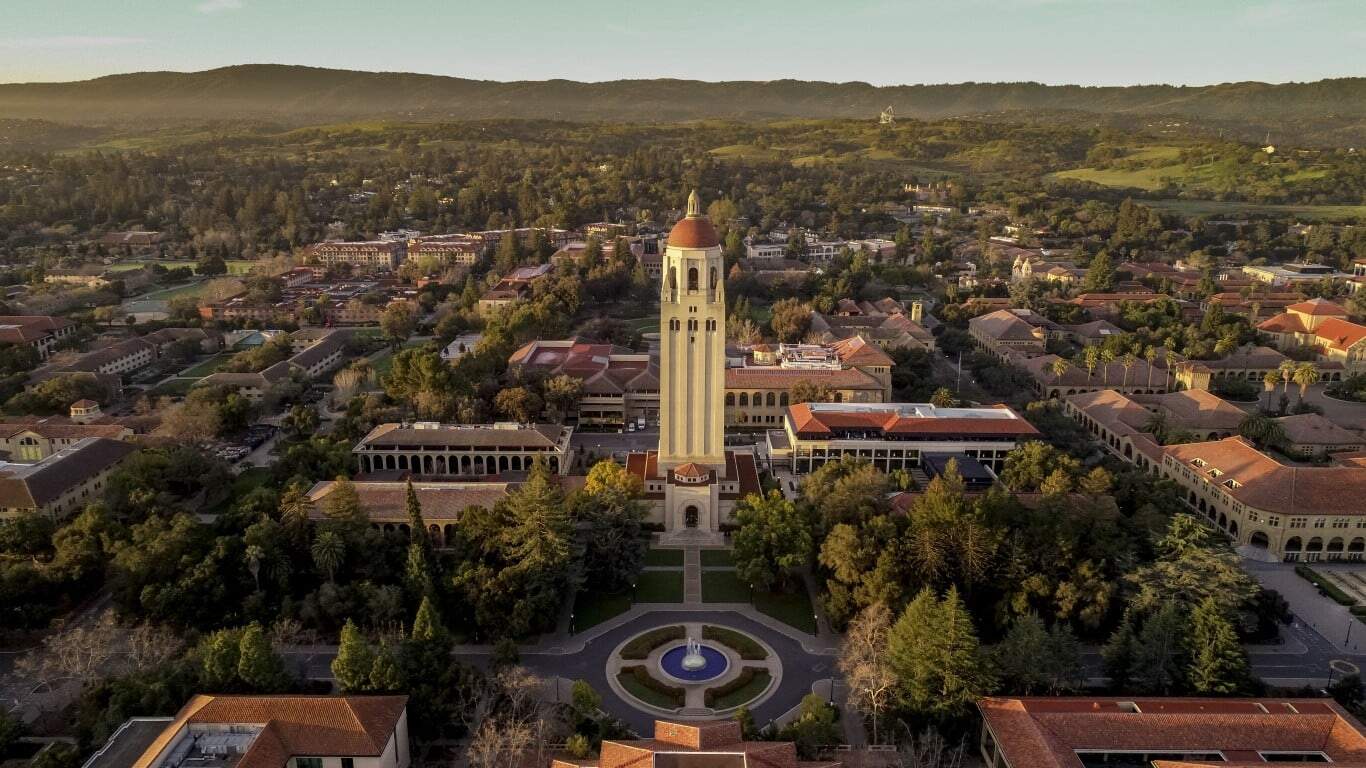
Stanford University is not in the Ivy League, but for many students, it is even harder to get into and more closely tied to the future of technology, entrepreneurship, and innovation. Its location near Silicon Valley gives students access to one of the most important business and technology ecosystems in the world. Stanford alumni have helped build companies such as Google, Hewlett-Packard, LinkedIn, Netflix, and Instagram, which is part of why the school has such a powerful reputation among ambitious students. Stanford is especially strong in computer science, engineering, business, medicine, economics, and the sciences. For a student dreaming of startups, research, or global impact, Stanford can easily outrank the Ivy League in practical opportunity.
Why Choose Stanford

Stanford is a top choice for students who want to build, invent, take risks, and think beyond a traditional career path. Its culture is closely tied to entrepreneurship, and students are surrounded by people who are often thinking about the next company, invention, app, research breakthrough, or social solution. That environment can be inspiring for the right teenager, especially one who is already independent and curious. Stanford also offers a beautiful campus and a California lifestyle that many students find appealing. The weather, outdoor space, and campus energy add to the experience. For parents comparing Stanford with Ivy League schools, the answer may depend on the student’s goals. If innovation, technology, research, and entrepreneurship are priorities, Stanford may be the better choice.
1. Massachusetts Institute of Technology
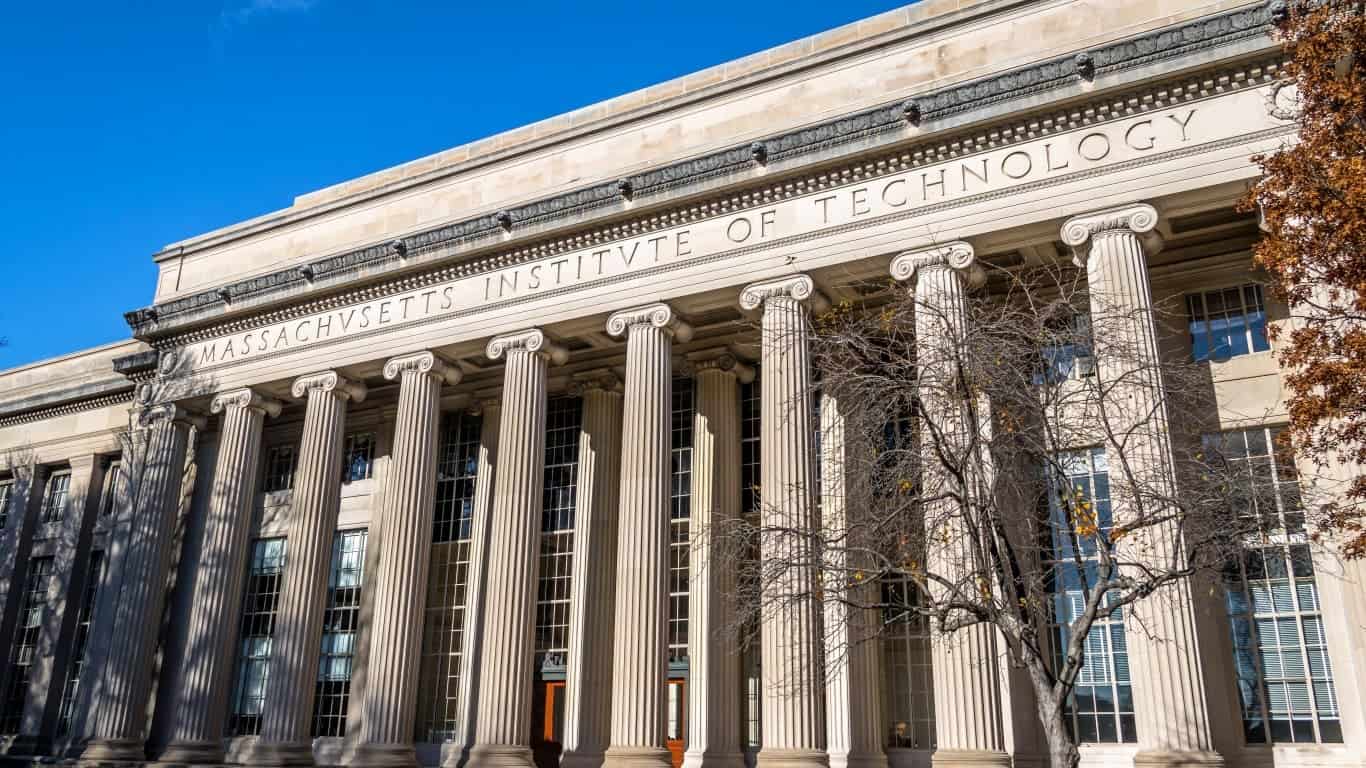
The Massachusetts Institute of Technology is one of the most respected universities in the world, and it is often viewed as the gold standard for students interested in science, engineering, mathematics, computer science, and technology. MIT carries a level of prestige that easily rivals the Ivy League. When people see MIT on a resume, they usually assume the student is exceptionally bright, disciplined, and capable of handling difficult work. The school is known for cutting-edge research in physics, artificial intelligence, robotics, mathematics, engineering, economics, and computer science. For students who want to solve technical problems or work at the highest level of innovation, MIT may be the strongest school on this list.
Why Choose MIT
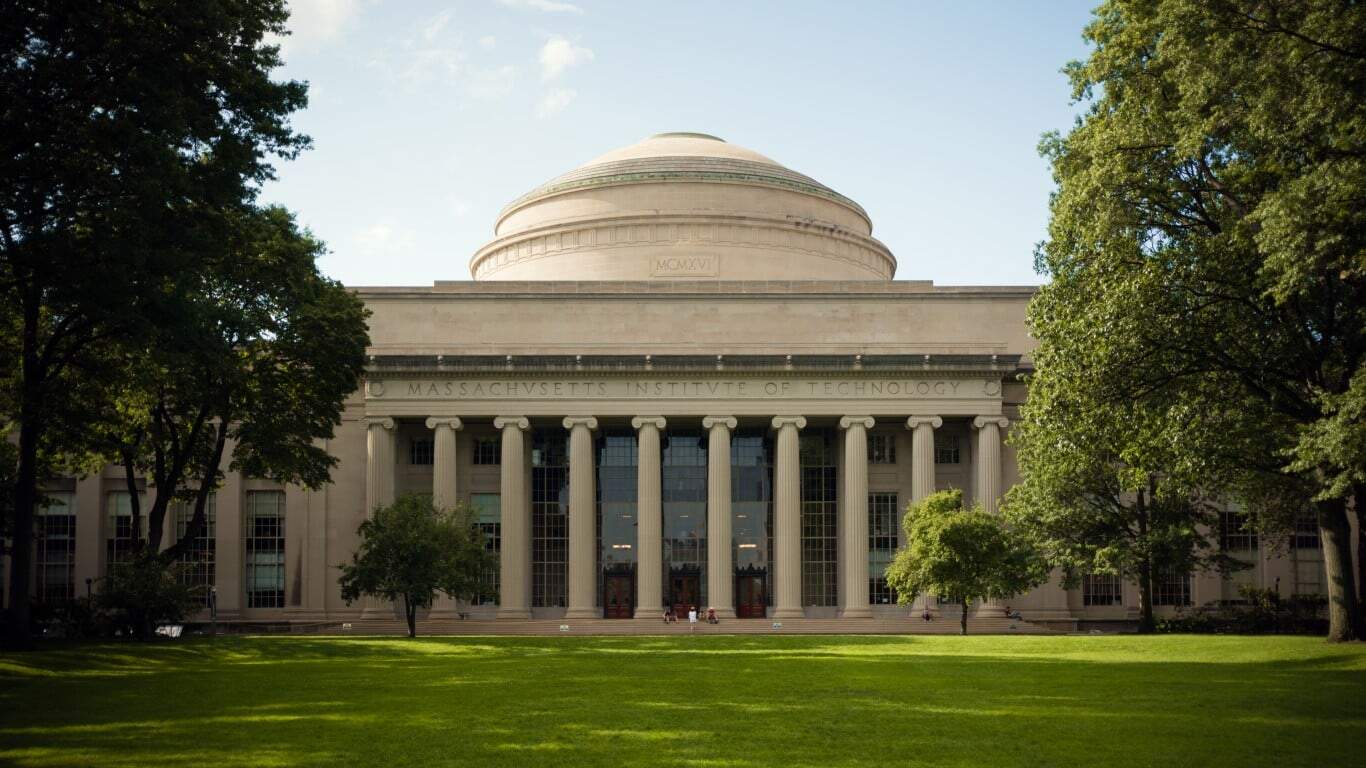
MIT is regularly ranked among the best schools in the world for engineering and technology, and its graduates include Nobel laureates, Turing Award winners, entrepreneurs, researchers, executives, and leaders across countless industries. The school’s acceptance rate is extremely low, which reflects just how competitive admission has become. But MIT’s value is not only about selectivity. It is about the kind of education students receive once they are there. MIT students are pushed to test ideas, build solutions, collaborate on difficult problems, and apply what they learn in real-world ways. For families focused on outcomes, MIT is hard to beat. It may not carry the Ivy League label, but in science and technology, it is often the name students are trying to beat.
The image featured at the top of this post is ©DenisTangneyJr / Getty Images