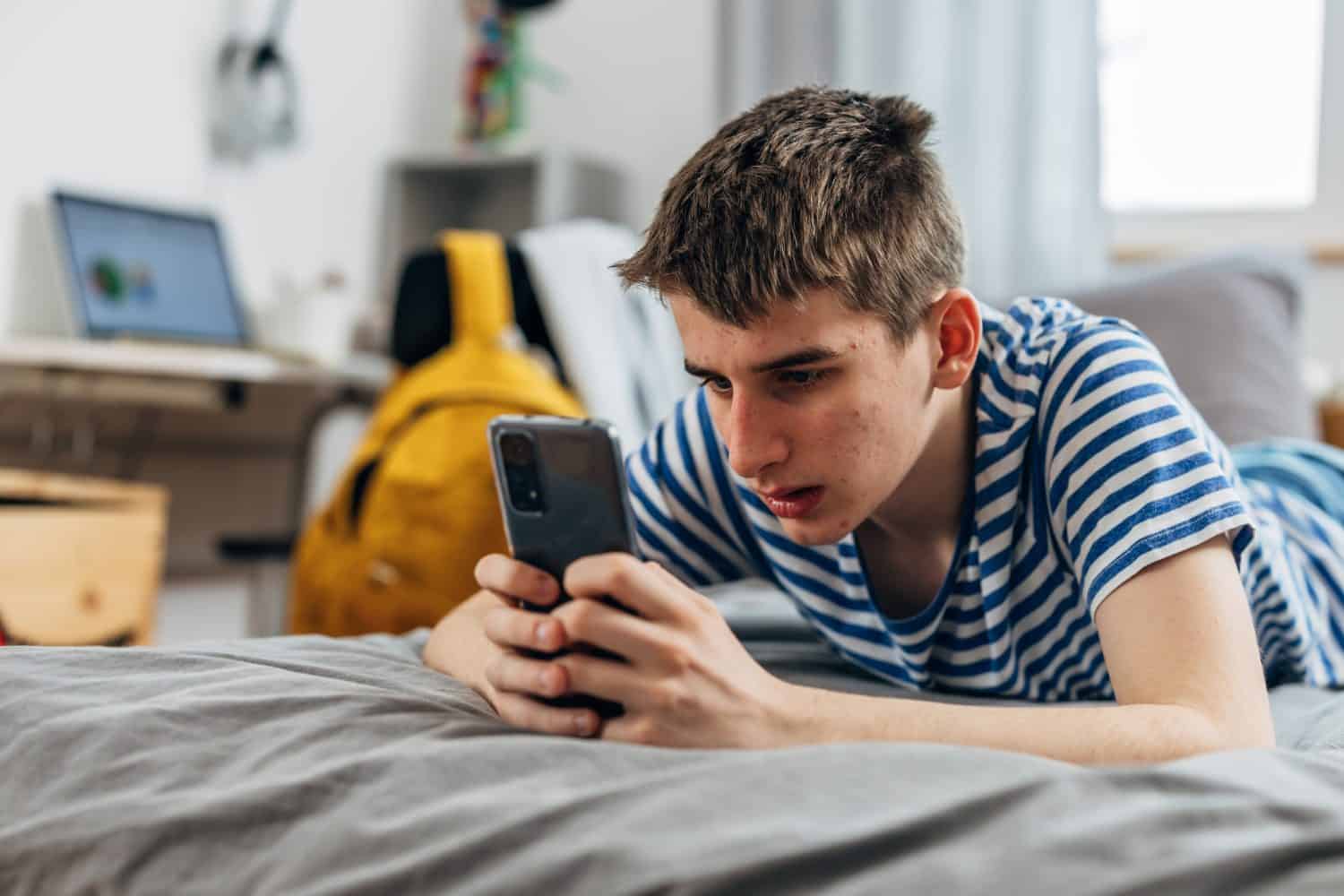
Studies show that approximately 95% of U.S. teens use social media. Of that 95%, about 90% of them use social media apps every day. This same data also shows that 40% of kids ages 8 to 12 use the same platforms, specifically TikTok and YouTube. These numbers are staggering, and experts in Australia even believe they warrant concern. In December 2025, this prompted a revolutionary decision: Banning social media for everyone under the age of 16.
The controversial law was signed into existence to protect the mental health of underage users. While some are wholeheartedly supporting the decision, others are questioning its benefits. To get to the bottom of the debate, we speak with an expert with firsthand experience in social media and its influence.
What Does Australia's Law Mean for Social Media Users?

©Kaspars Grinvalds/Shutterstock.com
The ban officially went into effect on December 10th, 2025. From this point on, X (Twitter), TikTok, Snapchat, YouTube, Threads, Instagram, Facebook, Reddit, Kick, and Twitch are limited. The goal was to prevent harmful consumption due to ads, suggested posts, or general curiosity. Australian officials kept mental health at the forefront of their campaign, hoping that limiting screen time would encourage positive results among kids.
Social media often reflects unattainable, unrealistic, and unhealthy beliefs that affect its consumers. When these consumers are kids and teens, it can negatively impact their self-esteem, confidence, and even cause isolation, anxiety, and depression.
Another reason for the ban was to encourage kids to experience life outside of a screen. High screen time is another contributing factor to mental health struggles, which Australia seeks to limit. The idea is that by eliminating screen time, kids won't only be safer, but will also explore other, healthier hobbies and pastimes.
A natural result of this would be peace of mind for parents, who no longer need to worry about what their children are consuming online. To do this, Australia is using age-verification technology to identify and suspend underage accounts.
Not All Social Media Platforms Have Complied
At the time of the ban, many of the listed platforms did comply. YouTube agreed to automatically sign out accounts belonging to underage users. When users turn 16, they can reactivate their accounts. TikTok is using age-verification technology to deactivate underage accounts and will block existing content from underage users. This app is by far the most serious about the ban, also encouraging parents to report their own children if they believe an illegal account has been opened.

©Iuliia Shcherbakova/Shutterstock.com
Meta, responsible for Facebook, Instagram, and Threads, began deactivating accounts several days before the ban. Reddit complied and deactivated underage accounts while simultaneously preventing users from creating new ones.
Twitch, on the other hand, initiated a delay in deactivations, stating it would not start deactivating accounts until January. X is giving the most resistance, refusing to comply and vehemently objecting to the ban. As of now, Kick's compliance regarding the ban is unclear.
Is There Any Sound Logic Behind the Social Media Ban?
Some aspects of Australia's ban perplexed locals, such as the decision to omit Roblox, Steam and Steam chat, Discord, GitHub, GoogleClassroom, LEGO Play, WhatsApp, and YouTube Kids. While it could be argued that these apps are either kid-friendly or pose little to no risk, it still confuses parents. The decision to ban some platforms and not others isn't the best start to a decision intended to send a message. This raises the question: Is the ban even helpful?
©DimaBerlin/Shutterstock.com
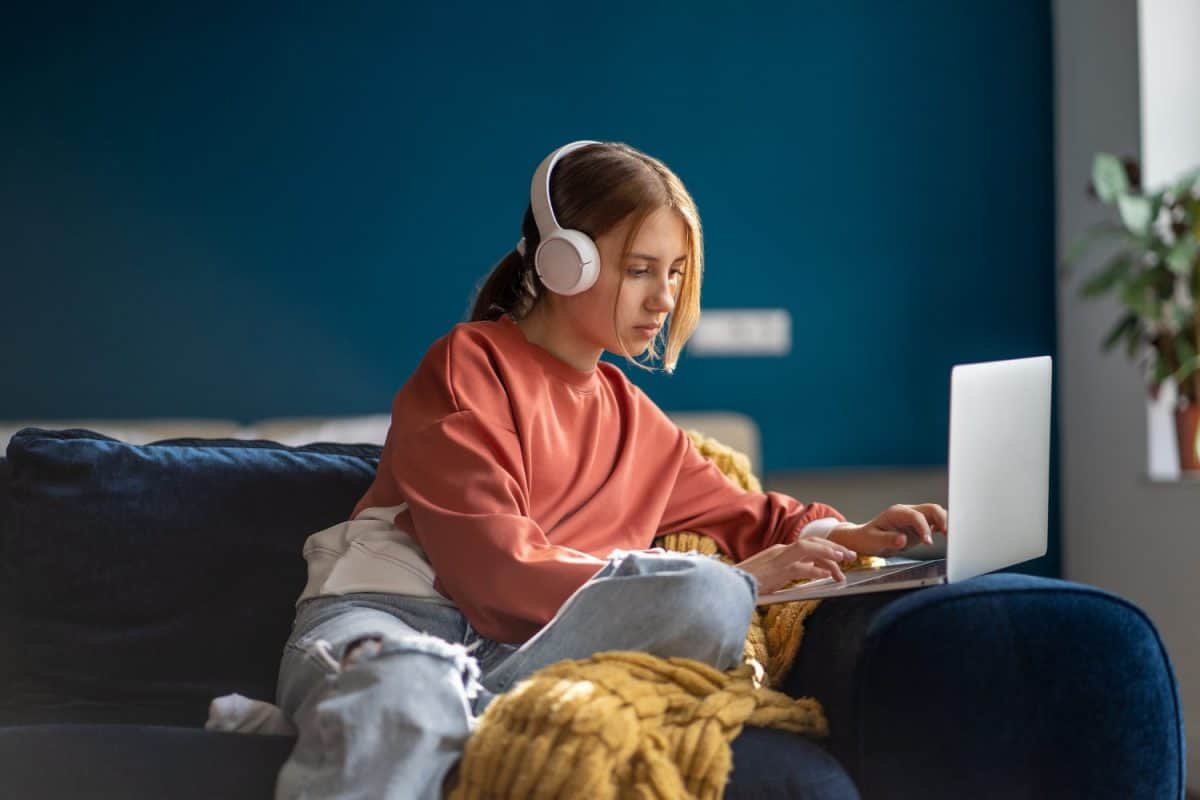
Therapist and coach John Sovec, from Pasadena, California, says the answer is complex. “Too much time in front of a screen can definitely take a toll on teen mental health, including depression, anxiety, and interrupted sleep patterns due to extensive screen time,” he tells us.
“It is also important to note that teens are using technology more than ever before. They use it to study, to connect on social, for entertainment, and for connection through texts and messaging.”
This alone implies that the ban may do more harm than good, especially when it comes to teens navigating a digital world. “Too much time spent scrolling can have a negative effect on mood and mental health, as well as distract teens from other activities, such as in-person socializing and physical activity.
“This lack of activity, an overstimulated brain, [and] changes in melatonin production create a cascade effect that negatively influences mind and body.” Knowing this, Sovec encourages balance. While delicate, compromise is better than resorting to extremes.
Why Social Media Bans Can Be Detrimental
“When it comes to the concept of banning the use of social media, it is important also to recognize that electronic screens are a reality in the day-to-day life of most young adults,” Sovec says. “Trying to convince a teen to take time away from their screens can end up being a frustrating experience for all parties involved.” Instead, Sovec often encourages parents to have open, honest conversations about social media use.

©Kitreel/Shutterstock.com
“Explore with them a commitment for both of you to cut your screen time. Set a guideline for everyone in the house to be off their phones an hour before bedtime,” Sovec suggests. He adds, “One of the biggest flaws with a national social media ban is that it doesn’t address any type of meaningful behavioral change. Social media is a part of how we move through the world these days, and conversations about how to use it in moderation and with awareness are better than trying to ignore it and lock it down.”
What Happens If the U.S. Adopts a Social Media Ban?
News of the ban has some countries concerned about their own social media bans. While the U.S. came close to imposing a permanent TikTok ban, no action has been taken to extend it to other platforms. If this were to happen, it would likely cause more harm than good.
Given that only 5% of U.S. teens are not on social media, this would affect nearly every family in the country. Coupled with the fact that many educators use these platforms for educational purposes, this would create a ripple effect for the adults who educate these teens.

©imtmphoto/Shutterstock.com
Another aspect of this ban is its impact on human connection. In a digital world, social media has also become a means of communication. It's a way for kids and teens to share what they're proud of, reach out to family members, and connect with friends who have moved.
Today's generation of kids is unfamiliar with a world without social media. Unlike their parents, there's a good chance they haven't grown up without access to a phone, tablet, or computer. By pushing the extreme, we also risk plunging today's youth into an unfamiliar age.
Exercises in Using Social Media Intentionally
If nothing else, Australia's social media ban does signify that a problem exists. There's no denying that kids and teens are easily influenced by the media they consume. However, Sovec says there are ways to combat this without resorting to banning social media entirely.
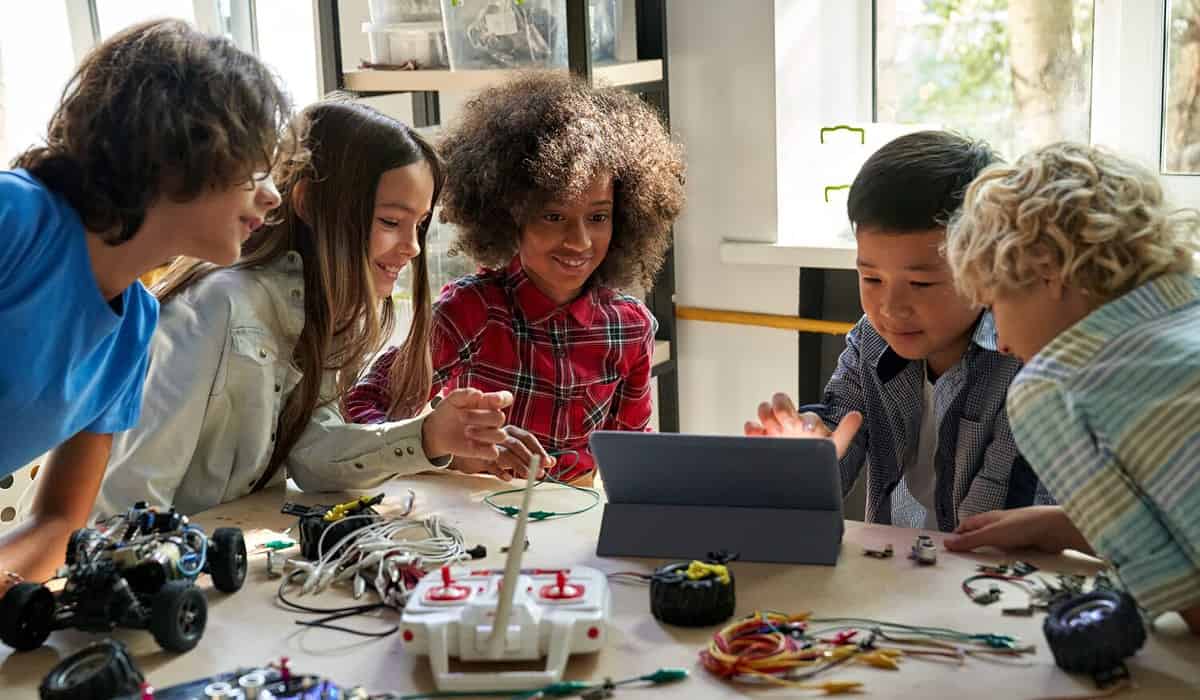
“Start by recommending your kids cut their screen use by 25 percent, then renegotiate that number little by little as they get used to less time on their phones. Try implementing a no-screen hour after school or before bed and fill the new free time with fun activities involving friends or family,” he suggests.
©Ground Picture/Shutterstock.com
By agreeing to limit screen time rather than eliminating it, parents can reach a reasonable compromise with their kids. “Instead of feeling like you need to be focusing on social media and electronic entertainment constantly, choose a day to take off from screens and gadgets. Get outside, sit under a tree, close your eyes for a moment, and just let go,” Sovec adds.
Exploring Alternatives
Even spending time with others doing simple things can have significant benefits. Instead of turning on the TV at night, you could suggest a game night with friends or family.
“These types of interactions will help create relaxing experiences and social connections as a means to calm the mind and feed the spirit,” Sovec says. Incorporating these types of meaningful and intentional connections doesn't negate social media's effects, but can foster self-esteem and confidence.
For parents of younger kids, using apps that promote a safe, controlled experience is also helpful. Sage Haven has monitored the Kids Online Safety Act and responded with a tool for parents. Created by Kate Doerksen, a mom of three, the app familiarizes kids with the world of social media.
It does this without exposing them to potentially harmful content. The AI-moderated messaging app is designed specifically for kids to use before social media. It promotes independence while safely teaching them how to communicate in a digital space. It's one of many apps created with kid safety in mind. However, it also offers a compromise between the extremes of a social media ban.
The image featured at the top of this post is ©Dejan Dundjerski/Shutterstock.com