Since the 1980s, studies have shown many benefits to spending time in nature. The innate desire to connect with nature is one that was first explored by biologist Edward O. Wilson. He called it “biophilia,” and it's something most people have felt at least once in their lives. With so much tech forcing us to live in a digital world, connecting with the life around us becomes increasingly tricky — this is where the art of biophilia comes in.
As it turns out, connecting with nature has more benefits than you think, especially for children! From improved cognitive function to fewer sleep issues, we spoke with an expert to learn precisely how nature can nurture a childhood.
The Effects of Not Getting Enough Nature Time
Not spending enough time in nature can result in negative effects on both the brain and the body. This is especially true for children, who can suffer from nature-deficit disorder, or NDD. This happens when a child spends too much time indoors, “plugged in,” or without regular outdoor exposure. It may sound made-up, but the symptoms are very real, including:
- Anxiety
- Depression
- Difficulty concentrating
- Lack of creative output
- Reduced imaginative capability
- Social isolation
- Loneliness
- Health issues

©Manny DaCunha/Shutterstock.com
Combating this is easy in theory, though it's still something many families struggle with. Sarah Kipnes, Licensed Therapist and Owner of Sarah Kipnes Therapy, tells us how to reintroduce your family to the Great Outdoors.
With over 20 years of experience, Kipnes is familiar with both mental health and outdoor education. She taught middle school students in the foothills of the Sierras and in the Santa Cruz mountains, and shares how she watched nature foster young minds.
How Nature Can Rewire a Child's Mind
Kipnes speaks from both a personal and professional place on how natural environments directly impact child development, emotional regulation, and psychological well-being. “I watched children who were considered to have behavioral challenges in the indoor classroom setting, including a lack of focus and defiance, shift into the most attentive and curious learners in the outdoor classroom,” she says of her time spent teaching outdoors.
“These children were in the front of the group asking questions, showing excitement for exploration and discovery, while eager to share what they observed in their non-traditional learning environment.”
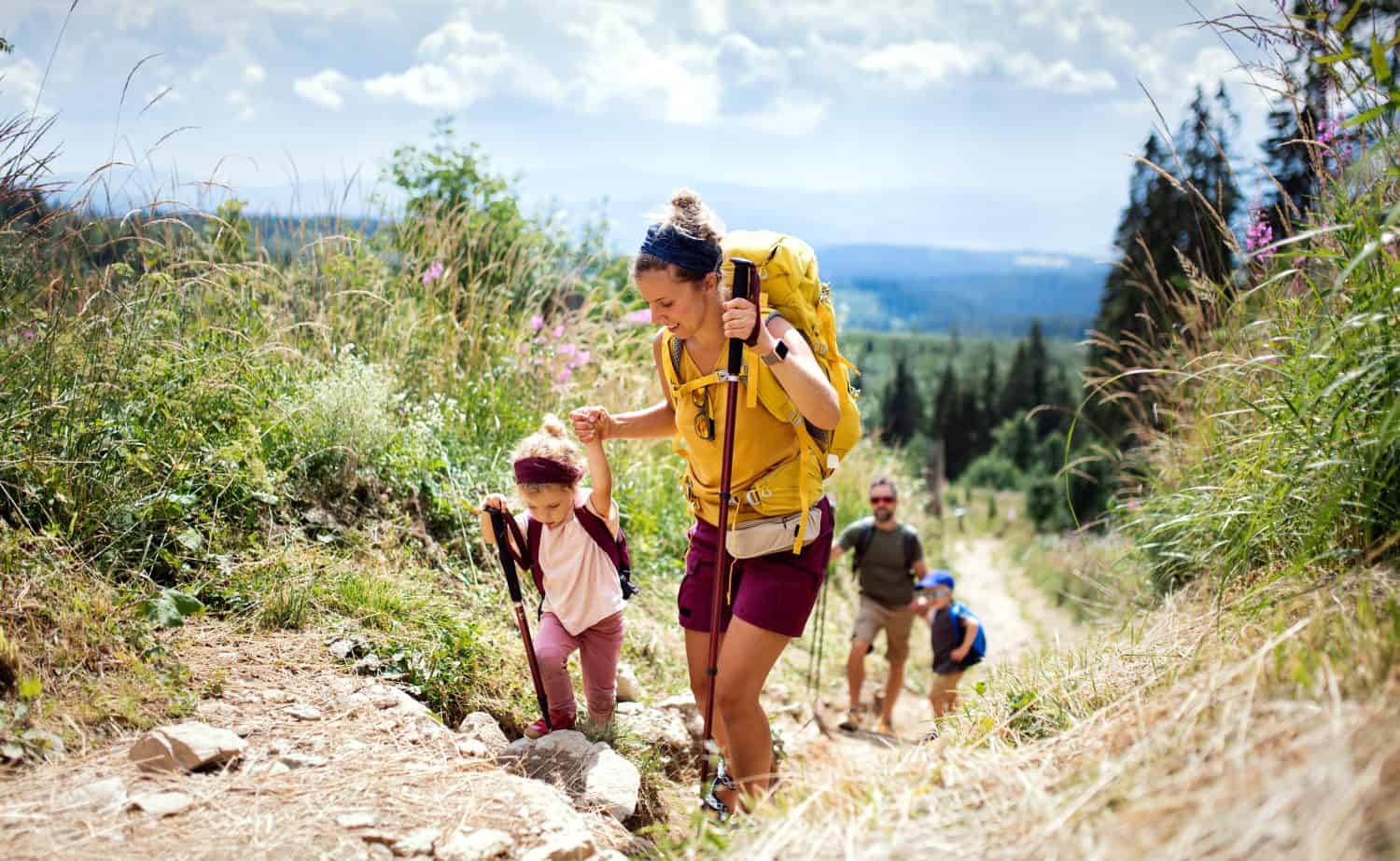
Kipnes adds that students who felt physically and emotionally challenged by a difficult hike or steep climb were glowing with confidence when they reached the peak. “The self-doubt that reared its ugly head during the hike was quickly defeated by the stronger self-assurance that was victorious in the end.”
Many outdoor schools use nature walks, hikes, and exploration or discovery as part of their curricula. This encourages real-life problem solving, intuitive thinking, and plenty of immersive experiences. Often, children have better focus and concentration outdoors because nature holds their attention.
“Hiking benefits both the mind and body and can be considered a healthy coping mechanism when dealing with stress, anxiety, and depression,” explains Kipnes.

©NetaDegany / iStock via Getty Images
“Natural environments have a calming effect on the nervous system for children experiencing mental health challenges. The physical benefits of hiking can range from strengthening multiple muscle groups to improving cardiovascular endurance.”
Data supports this, showing that 30 minutes of hiking can reduce cortisol (stress hormone) by up to 28%. Up to 90 minutes of walking in nature produces even more results, effectively reducing negative self-talk and cortisol levels. Experts recommend two hours spent outdoors weekly, which can easily be incorporated into a routine.
“Physical activity outdoors releases endorphins, the body's natural mood elevators, which can improve a child’s overall mood, their ability to focus, and reduce symptoms of stress.”
Sarah Kipnes, Licensed Therapist and Owner of Sarah Kipnes Therapy
Nature Supports Social Skills and Self-Esteem
While you watch your child's cognitive function thrive outdoors, you may also be watching their confidence skyrocket. Nature takes on many faces: it can be scenic and calming, but also challenging.
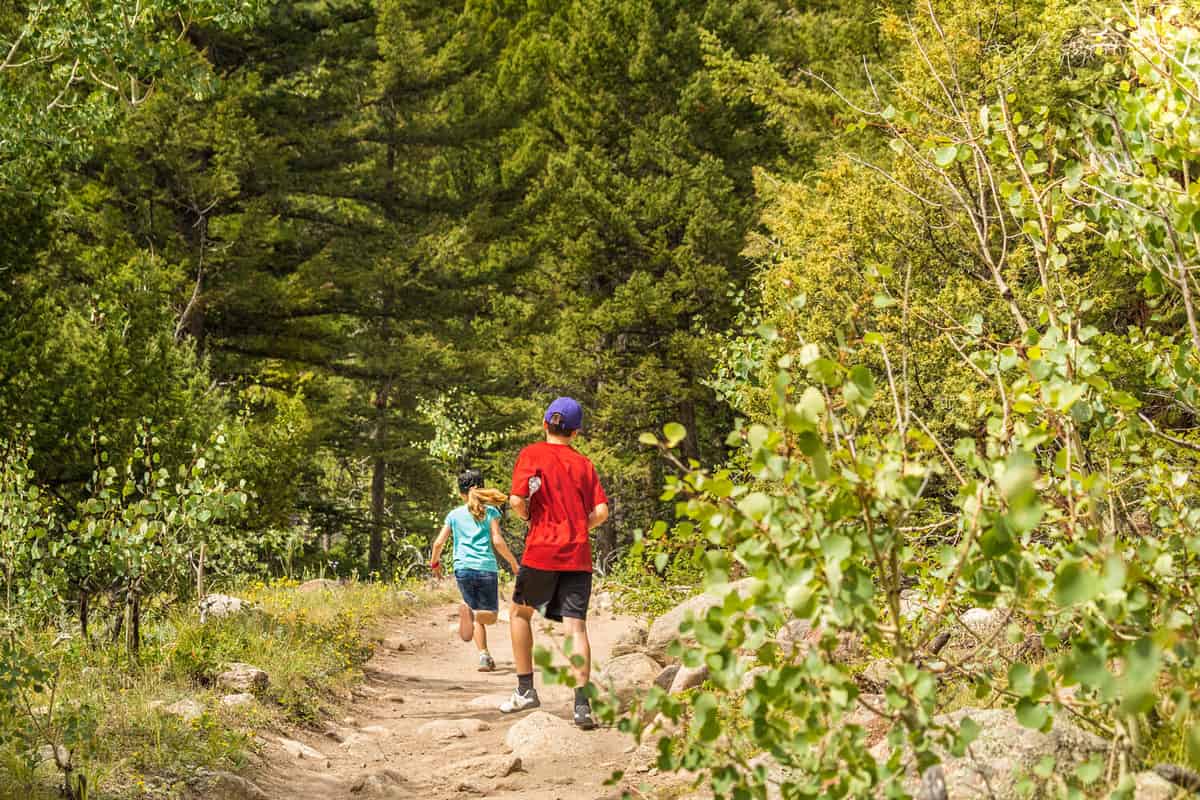
“Children develop resilience by facing manageable challenges in nature and discovering they're capable of more than they thought. Building confidence as they challenge themselves to hike up a steep hill or experience the accomplishment of completing a lengthy trail highlights inner strength and has a long-term effect on a child’s wellbeing and self-esteem,” says Kipnes.
©Toasted Pictures/Shutterstock.com
She adds that spending time in nature with others can also nurture natural conversations and social engagement. “Being out in nature creates an opportunity for connection with others without interruptions by technology, screen time, and social stressors,” she says.
Another huge benefit to being out in nature is that it's completely free. “Utilizing the outdoors for adventure and fun doesn’t require a huge financial commitment, which can be appealing to parents looking for weekend family excursions. The great outdoors is non-judgmental, does not discriminate, and is open and accessible to all,” Kipnes adds.
The Benefits Are the Same, No Matter the Region or Season
For families living in areas like the Northeast that get harsh winter weather or the Southwest with its arid conditions, there's good news. “Each natural environment offers unique therapeutic benefits, and I would argue that one is not more advantageous than the other,” Kipnes says.
“While mountain and forest settings provide a sense of fascination at the enormity of the trees and the hug of their canopy, beaches allow for regulating sensory input through relaxing ocean wave sounds and tactile sand play. All of these experiences can have a positive impact on a child’s mood, reducing levels of stress or anxiety and bringing a sense of calm to their overall well-being.”

©Volurol/Shutterstock.com
Desert environments, specifically, provide vast open spaces that can be incredibly grounding for children who feel emotionally overwhelmed. “Hiking in desert environments can provide an improved mental and emotional balance from witnessing the visually appealing colors of impressive rock formations to the discovery of unusual plant offerings. In places like New Mexico and Arizona, dry river beds become natural pathways for exploration,” Kipnes says.
Alternatively, snowy regions also have their benefits. “Snow play, such as making snow people and creatures, stimulates a child’s creativity and imagination,” she adds. “This can also include adventures like tracking animal prints in the snow, which is not only an educational activity but a confidence booster as children learn a new skill. And there is nothing like returning to the embrace of a warm home and some hot chocolate after playing out in the cold for hours, creating a positive association with the comfort of a child’s safe place.”
A Little Encouragement Goes a Long Way
Many times, children follow by example. If they see their parent or caretaker enjoying time outdoors, they're more likely to follow suit. In the days of social media and TV streaming, it's essential to remind them there's a world outside their front door.
“Children thrive when they are allowed to explore and discover new things about their environment and themselves. Outdoor learning does not necessarily require special gear, distant locations, or extended commitment,” says Kipnes. Spending time in nature is as easy as visiting your own backyard. The result is not only a healthy mindset, but a child who finds their sense of inner harmony.
“A child lying on their back watching tree branches move in the wind is doing profound nervous system regulation work. Digging in dirt is engaging in sensory integration therapy without your child realizing. The goal doesn’t have to be to raise future mountaineers. It's to give children regular access to an environment that doesn't demand anything of them except that they exist within its presence.”
Sarah Kipnes, Licensed Therapist and Owner of Sarah Kipnes Therapy
Expert Tips for Increasing Nature Time
Kipnes left us with some tips on how to encourage your children to spend more time outdoors. It may seem daunting, but their nervous systems and self-esteem will thank you! Below are her professional pointers, along with some personal guidance:
1. Start small: Meet your child where they are, given their willingness to engage with nature. Even 15 minutes of outdoor time in a nearby park or backyard has benefits.
2. Let children lead sometimes: Their curiosity often takes them to the most therapeutic places.
3. Encourage unstructured outdoor play: Without screens or a rigid agenda, this can lead to creativity and deeper engagement with nature.
4. Model enthusiasm for the outdoors yourself: Children pick up on your genuine enjoyment and are more likely to embrace outdoor time when they see their parents valuing it too.
The image featured at the top of this post is ©Ground Picture/Shutterstock.com