
Back-to-school season is already an emotional time of year, but there's nothing quite like preparing your child for their first day of kindergarten. Whether this is the first time you're sending a child to school or you're an experienced parent with multiple school-aged kids, dropping your child off for the first time can be an incredibly emotional experience.
With the first day of school quickly approaching, you may be wondering what you need to do to get your child ready. From going school shopping to teaching them to open snacks on their own, there are many things to consider before sending your child off on their new adventure.
Your Child Doesn't Need to Know Everything

©Dikushin Dmitry/Shutterstock.com
If your child is preparing for kindergarten, it's normal to feel a little bit of panic. You might start to wonder, “Do they know enough? Will my child be behind?” There are certainly some skills your child will need to thrive in kindergarten, but there's no reason to panic about things they haven't learned yet, especially when it comes to academics.
Not every child entering kindergarten is on the same level or has had the same experience. Some have been to preschool, and others are entering a school environment for the first time. No matter which category your child falls into, it's normal for them to take time to adjust.
One parent in the Kindergarten subreddit asked what their child needs to know before starting school for the first time. A kindergarten teacher in the thread responded with this insight: “Kindergarten teacher here. She needs to know how to share, follow directions, be a good listener, make friends, mostly social skills. We can teach the rest. I teach social skills as well, but it really comes in handy if some kids come in already knowing how to follow and listen to the teacher.”
So before you panic about whether your child will remember their ABC's, keep in mind that sometimes, the simple tasks you've taught them are the most important, and the rest they'll pick up along the way.
Preparing Your Child for the Big Day
Preparing your child to start kindergarten is more about helping them feel emotionally ready and teaching practical skills than it is about drilling them on their academic knowledge. The summer slide is real, so even if your child was in pre-school last year, there's a good chance they may have forgotten some of what they learned.
No matter how well you prepare them, they're bound to be nervous on the first day. As a parent, the best way you can help is to remind them that they'll be safe at school and talk about all the fun things they'll learn and do.
It's important to validate their feelings, even if they're feeling nervous. You might say something like, “I know you feel scared about the first day! It's normal to be nervous about doing something new.” But be careful not to make your own anxiety theirs. Stay positive when you can and talk about what they can do if they start to feel nervous or miss home.
Practical Skills They May Need
Instead of focusing solely on academic skills, there are many practical skills your child should learn before the first day of school. Some of these skills you may continue to work on throughout the year. Here are some practical skills your child may need for kindergarten:
- Sharing with others
- Opening snacks independently
- Going to the bathroom on their own
- Taking off/putting on a jacket
- Fastening shoes (or tying shoes if they have laces)
- Writing their name
- Waiting their turn
- Sitting in a seat or desk
- Lining up as a class and walking in a straight line
While this list of practical skills may seem overwhelming, most are pretty simple skills that kids will pick up on relatively quickly. For things like learning to open snacks, it's a good idea to practice at home in the weeks leading up to the first day of school. One parent on Reddit suggested having your child eat out of their lunchbox at home for a few weeks to ensure they can zip and unzip it as well.

©Dragana Gordic/Shutterstock.com
Practice Your School Routine
One of the most difficult parts about starting a new school year is getting used to the school routine. This goes for kids in any grade, but it can be particularly difficult for children starting kindergarten. A solid back-to-school routine can really make a difference during those first few weeks.
To make the transition easier, practice the school day routine before school even starts. This can also be beneficial for you as you get back in the habit of making lunches, packing your child's backpack, and getting out the door in time for drop-off.
It may seem silly to walk through all the steps of your school routine while it's still summer, but this can make your child feel a lot more comfortable about those busy school mornings. Practice setting your child's alarm for early in the morning, getting up and eating breakfast, getting your child's backpack ready, and even driving to school if you're able to.
Talking About Going to School
Aside from the practical skills that may be helpful for your child to know, part of preparing for the big day is helping your child mentally and emotionally prepare. This often looks like talking about going to school and asking your child how they feel about it. They may not be able to articulate exactly what they're feeling — it's likely a mix of excitement, nervousness, and anticipation. If your child hasn't gone to school or daycare before, they may not know exactly how to feel! That's okay too.
One way to help your child mentally prepare is to give them a visual of what this might look like. In our house, we love Daniel Tiger's Neighborhood, and there are many episodes that help young kids prepare for things like this. Several episodes that can help your child visualize what it's like to go to school include “Daniel Visits School,” “Daniel Goes to School,” and “Jodi's First Day of School.”
Reading a book together as a family is another great way to help your child prepare. The Kissing Hand by Audrey Penn is a great way to address separation anxiety for young children. Other options like Clifford Goes to School by Norman Bridwell and The Pout-Pout Fish Goes to School by Deborah Diesen can also be great visuals for your child.
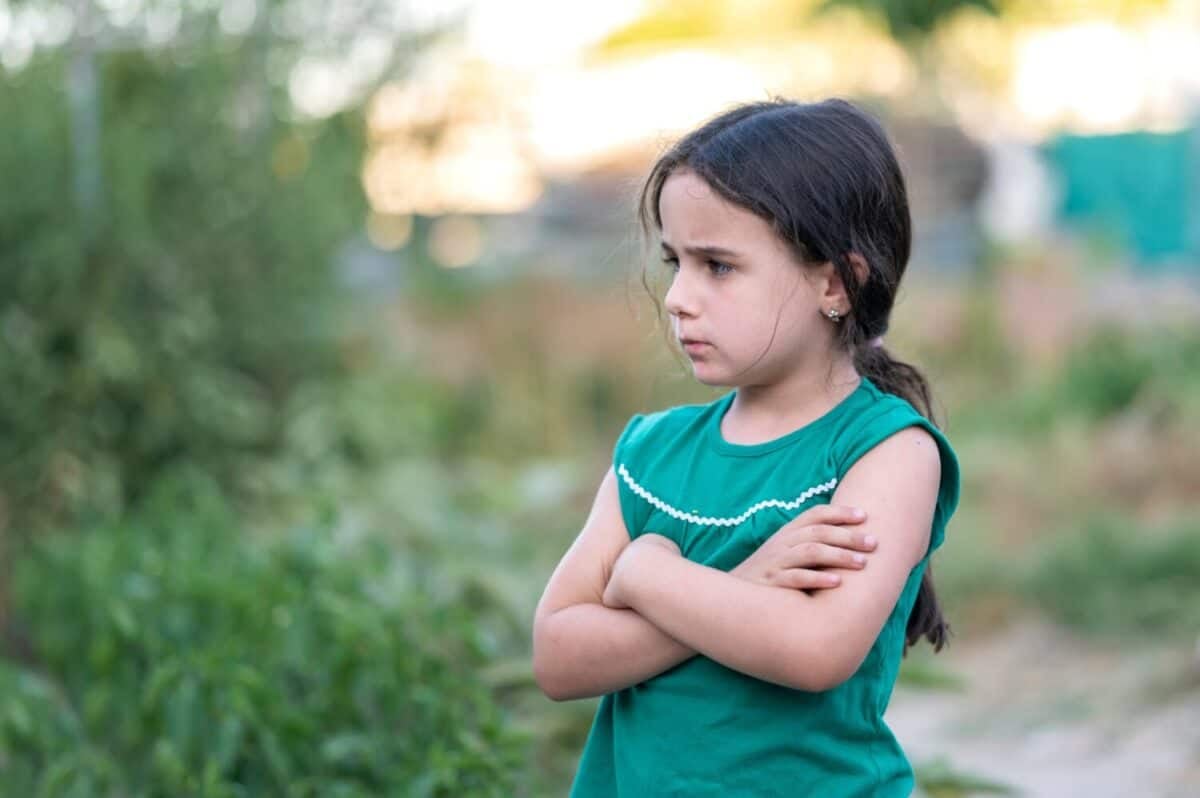
©KikoStock/Shutterstock.com
Talk About Consent
Consent may seem like a heavy topic for kindergarteners, but it's never too early to explain what it means in an age-appropriate way. Before you send your child to school, it's important for them to understand boundaries when it comes to physical touch, for their sake and the sake of others.
Body safety is an important thing for kids to learn from an early age, and approaching this conversation doesn't have to be scary. This may look like explaining to kids that it's always okay to say “no” if they don't want physical touch, even if it's just a hug. It's also crucial to teach your kids to trust their bodies and how they feel. If something feels uncomfortable or they feel unsure about the way someone else treats them, it's okay to speak up and tell a trusted person.
If you're not sure how to approach the topic of consent with your child, try making up a scenario they can relate to. Saying something like, “If you were on the playground and a kid in your class started pushing you, what would you say?” It may be helpful to have them practice at home as well. When a grandparent comes to visit, ask them, “Do you want to give them a hug?” and let them practice using their voice to speak up for themselves.
Books can be a powerful tool when it comes to these conversations. Reading books like Don't Hug Doug (He Doesn't Like It) by Carrie Finison is a fun and age-appropriate way to discuss bodily autonomy and consent with your child.
Take a Deep Breath, You've Got This
You're not alone if you start to tear up every time you think about your little one going off to kindergarten. It can be an emotional day for everyone, especially parents! Remember to enjoy the moments you have with your child as you prepare for this big step, and take a deep breath. It can feel like a lot of pressure to get everything ready, but remember that they don't have to know everything on the first day of school. Do the best you can, and you'll be able to help your child with the rest along the way.
The image featured at the top of this post is ©Irina Mikhailichenko/Shutterstock.com