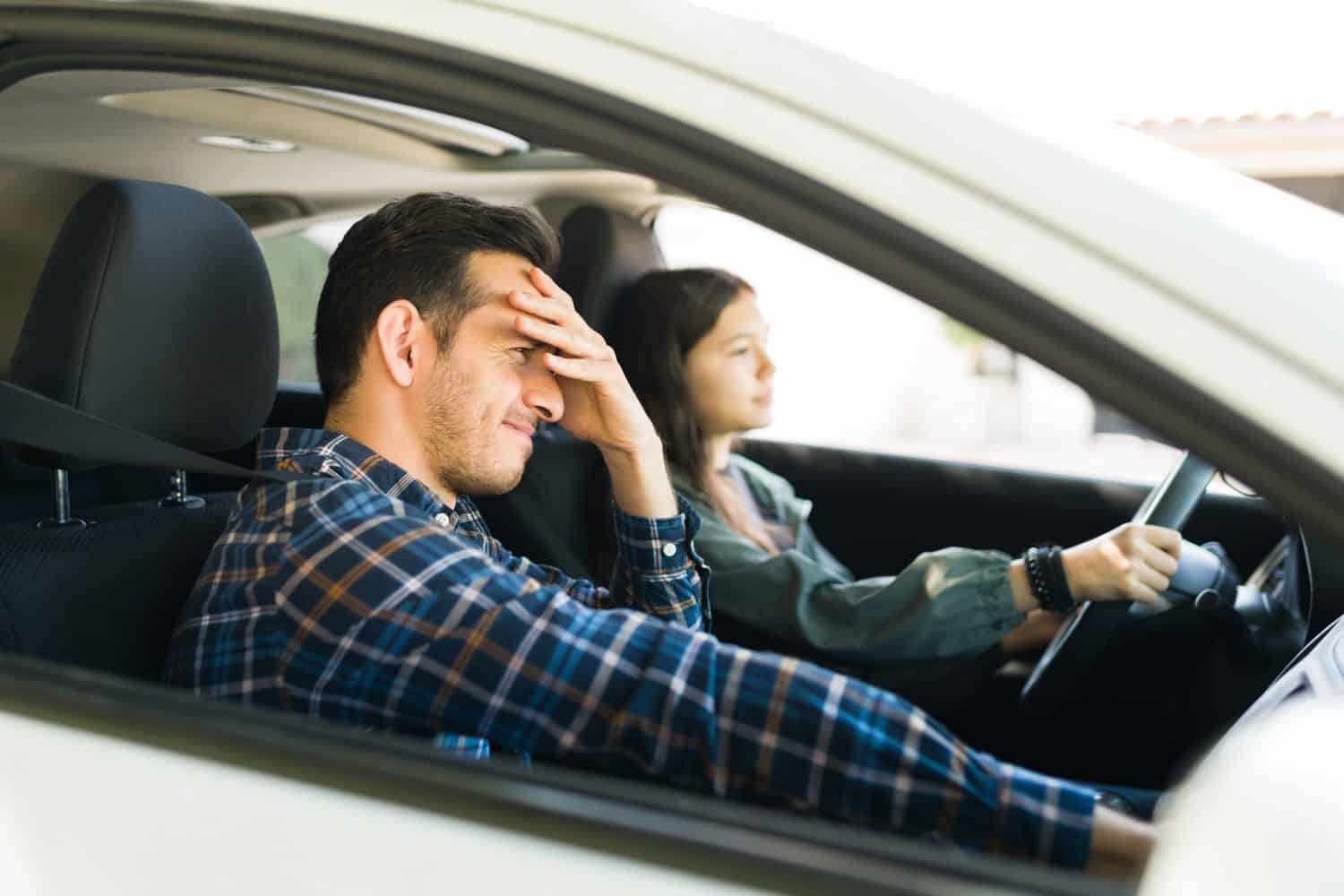
There are few parenting milestones as nerve-wracking, or as memorable, as the moment your teenager gets behind the wheel for the first time. For teens, it marks a step toward adulthood, freedom, and self-reliance. For parents, it can feel like a leap into the unknown, laced with both pride and apprehension. Sometimes, even dread.
Teaching your teen how to drive is about more than just learning to operate a vehicle. It's also about guiding them into a new phase of life with confidence, caution, and care. This article will show you how my family survived (and even thrived) with our first teenage driver.
Depending on where you live in the country, teens can usually obtain their learner's permit at the age of 15 or 16, although a few states allow permits as early as 14 years old. Whether you're worrying about the first turn onto a busy street or excited to share your years of driving wisdom, this journey is best approached with intention and patience. Let's explore how to navigate this incredible time together.
Understanding the Importance of Driver Education
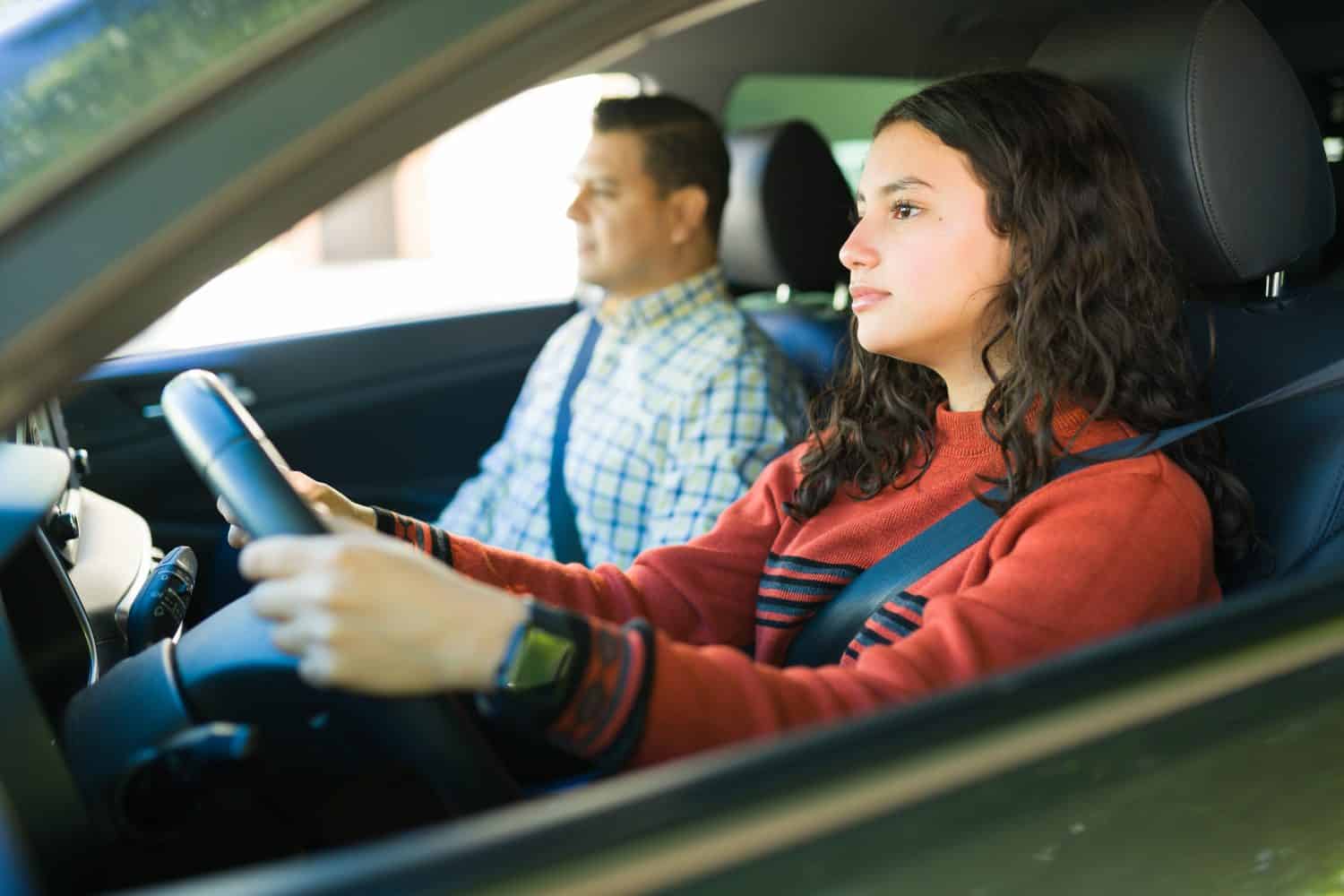
Teaching your child to drive will be one of the biggest lessons you share with them.
©antoniodiaz/Shutterstock.com
Nowadays, some kids are more hesitant about driving, and that's okay. Gen Z is getting their driver's licenses at a much lower rate. That wasn't our experience, however. Our son had been saving money for a truck since he was 10 years old.
Driving is a rite of passage for many teens, but it's also a serious responsibility. According to the Centers for Disease Control and Prevention (CDC), motor vehicle crashes remain a leading cause of death among teenagers in the United States. Inexperience, distractions, and risk-taking behaviors all contribute to this sobering statistic. This information is so much scarier when you are talking about your baby.
That's why a strong foundation in driver education is essential. While schools and professional instructors play a crucial role, your role as a parent has a significant impact on a teenager's long-term driving habits. You may teach your children how to drive yourself, but there are driving schools, driver's education (at least in some iteration), and other options to help your children learn how to drive.
Regardless of the path you choose, your teen still needs you. They need you to cover the hours of drive time supervision, they need your expertise, and they need your understanding. When teens learn to drive with their parents' support, they tend to develop both technical skills and a deeper sense of responsibility.
Driving is one of the first significant steps toward adult independence, and teens need space to grow into that role. Here are some ways to encourage them to take ownership of their learning:
- Set Realistic Goals– Collaborate to set goals, such as driving a specific route or practicing parking. Celebrate small victories. There will be a lot of mistakes, so focus on those wins.
- Track Progress– Use a driving log to record hours and types of practice (e.g., nighttime driving, driving in rain conditions, driving on highways). Your state may require tracking as part of your child's licensing process as well.
- Simulate Real Scenarios – Practice grocery runs, school commutes, or picking up a sibling to build real-world confidence. It can be hard to let go, but it is important for your child's learning.
Building Confidence and Independence

Driving is a rite of passage that not all teens are eager to pursue.
©UnknownLatitude Images/Shutterstock.com
A teen's confidence behind the wheel is closely tied to the atmosphere in which they learn. A supportive, calm learning environment fosters not only skill but trust. You want them to have confidence when they are on the road. However, the truth is, you're likely to become upset or argue at some point. Remember, the goal is to help create a safe driver.
Tips for a successful learning space:
- Debrief After Drives– Discuss what went well and what could be improved, maintaining a supportive and forward-looking tone.
- Stay Calm– It's natural to feel nervous, but panicking won't help. Use a calm tone and avoid shouting or abrupt corrections. And if and when you do freak out, remember to apologize when necessary.
- Start Slow– Begin in quiet, low-traffic areas, such as empty parking lots or residential streets. Let them focus on the basics, such as braking, steering, and acceleration. Everything is so new to them, and they don't know what they don't know.
- Gradually Introduce Complexity – Once they're more comfortable, progress to highways, city traffic, and various weather conditions. Every situation is a learning opportunity.
Addressing Safety Concerns

Safety goes beyond just the rules of the road; many factors contribute to a secure driving environment.
©HelgaQ/Shutterstock.com
Before your teen ever touches the ignition, it’s crucial to lay a strong foundation through conversation and demonstration. This early learning phase builds familiarity with driving concepts, eases anxiety, and sets the tone for responsible behavior behind the wheel.
This can even start when they're very young, long before their driving years. While you're driving, explain what you're doing, how you're staying safe, and why you're making certain decisions.
Start with the Basics
Begin by introducing your teen to the language of the road and the basics of car mechanics. Spend time together reviewing the driver’s manual, not just memorizing rules, but discussing the logic behind traffic laws and road signs. This helps build critical thinking skills they’ll need on the road.
Next, get hands-on with the vehicle itself:
- Vehicle Controls: Demonstrate how to operate essential features, such as headlights, windshield wipers, turn signals, hazard lights, and climate control.
- Routine Safety Checks: Demonstrate how to check tire pressure, read dashboard warning lights, adjust mirrors, and keep windows clean for clear visibility.
- Basic Safety Measures: Emphasize the importance of proper seatbelt use, correct seating posture, and how to check blind spots.
For my son, we got him a truck for his 15th birthday so he could learn to drive in the car he would drive once he was of driving age. In our family, our son saved some money, received some from relatives, and then we paid the rest for his vehicle. Every family is unique and will have different ideas about purchasing cars for their kids. We wanted to ensure that our son put money into the car so he would be financially invested as well.
Teach Through a Balanced Lens
While it’s important to prepare your teen for the serious responsibilities of driving, avoid overwhelming them with fear. A balanced approach helps them respect the road without becoming paralyzed by anxiety. Focus on these key safety concerns:
- Distractions: Teach that even a quick glance at a phone can be deadly. Be a role model by keeping your phone out of reach while driving.
- Passengers: Explain how friends in the car can be a major distraction. Many states restrict teen drivers from carrying passengers for the first year, and it is essential to discuss why this rule exists.
- Substance Use: Be clear and direct about the dangers of driving under the influence, including the legal, financial, and life-altering consequences that can result.
- Fatigue: Help them recognize the signs of drowsy driving and understand the importance of pulling over or postponing a trip when they are too tired to drive safely.
Preparing for the Test
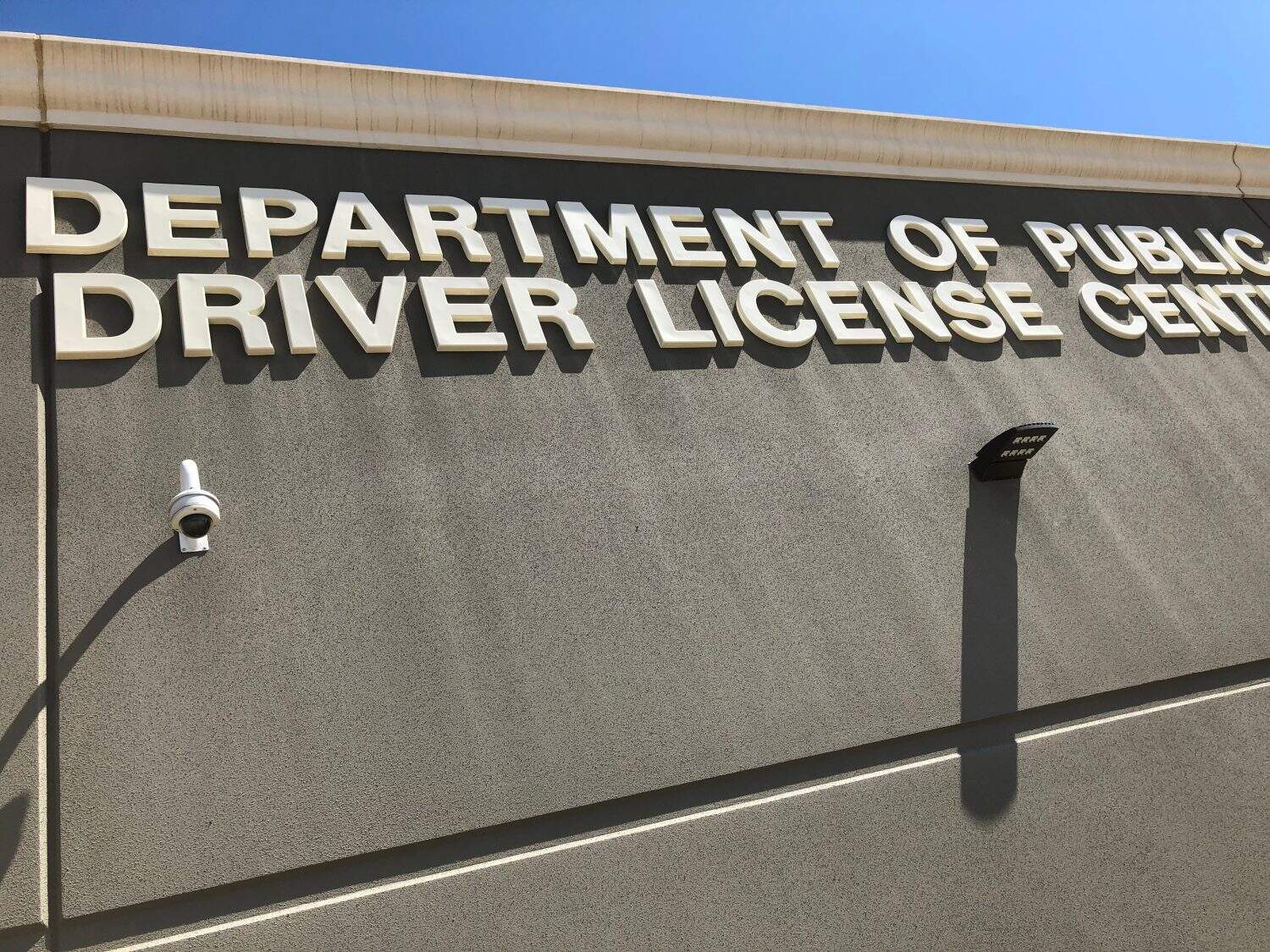
Testing for permits and licenses can be stressful.
©OUC12/Shutterstock.com
As the driving test approaches, it's vital to ensure your teen is not only ready to pass but also feels confident and capable behind the wheel. This goes beyond memorizing rules; it means helping them build real-world experience, sound judgment, and a calm presence in high-pressure situations. To support their learning (and ease some of your nerves, too), take advantage of the many tools available today.
There are a variety of apps and online resources designed to simulate DMV test questions, reinforce traffic laws, and even track driving habits and progress. These tools can make studying more interactive and help teens feel better prepared for both the written and driving portions of their exam.
How to get them ready:
- Coach, Don't Cram– Avoid turning the final days into high-pressure cram sessions. Reinforce what they know and keep things relaxed. Talk them up. They need your support.
- Review Requirements– Each state has its own checklist for skills and logged hours. See what is expected for your DMV.
- Mock Tests– Conduct practice tests under realistic conditions. Talk to other teens who have taken the test for pointers and ideas on what the driving course may entail.
Navigating Emotions and Challenges

You and your child may experience strong emotions when they learn to drive independently.
©klee048/Shutterstock.com
This milestone isn’t just technical, it’s deeply emotional. As your teen prepares to earn their driver’s license, you may find yourself feeling a complex mix of pride, anxiety, excitement, and even nostalgia. After all, this step marks a significant shift in your relationship and your teen’s growing independence. And your teen is likely feeling the same emotional swirl, eager for freedom, but also nervous about the responsibilities that come with it.
The good news is that once they have their license, many things get easier. They can drive themselves to school, sports practices, or part-time jobs, and even help out by running errands or picking up younger siblings. It can be a real game-changer for your family’s daily routine, bringing more flexibility, shared responsibilities, and a sense of empowerment for your teen.
Transition to Independence

Helping build your teen's independence is an essential part of the growing-up process.
©Lopolo/Shutterstock.com
Earning a license isn't the end of the journey; it's just the beginning of a new phase. While the formal lessons and test preparation may be behind you, your role as a parent or guardian is far from over. Now, you transition into being a coach, mentor, and boundary-setter. Your teen still needs your guidance as they face real-world driving experiences on their own, from navigating unfamiliar roads to making quick decisions under pressure.
It's essential to establish clear, mutually agreed-upon rules regarding driving, including curfews, passenger limits, phone use, and check-in expectations. These boundaries help keep your teen safe while reinforcing responsible habits.
Be prepared to revisit and adjust these rules as they gain more experience. Most importantly, keep the lines of communication open. Encouraging your teen to discuss their experiences, challenges, and even mistakes fosters a culture of trust and helps them develop into a confident, capable driver.
Consider setting these post-license rules:
- Driving Contract – This can be a written or verbal agreement outlining expectations and consequences. What do you expect from them? Be very clear to help everyone understand what is expected.
- Curfews– Many teen crashes happen at night. Set reasonable curfews based on experience. Our family consulted our state's laws and established a curfew accordingly.
- Passenger Limits– Stick to state guidelines or create your own until you're confident in their focus and maturity. Once again, many states have laws regarding this matter. Our state required no passengers who weren't family for the first 6 months of driving.
- Car Privileges– Make car access contingent on school performance, house responsibilities, and continued safe behavior. You can decide what that looks like for your family. Also, determine who pays for insurance and gas.
Conclusion
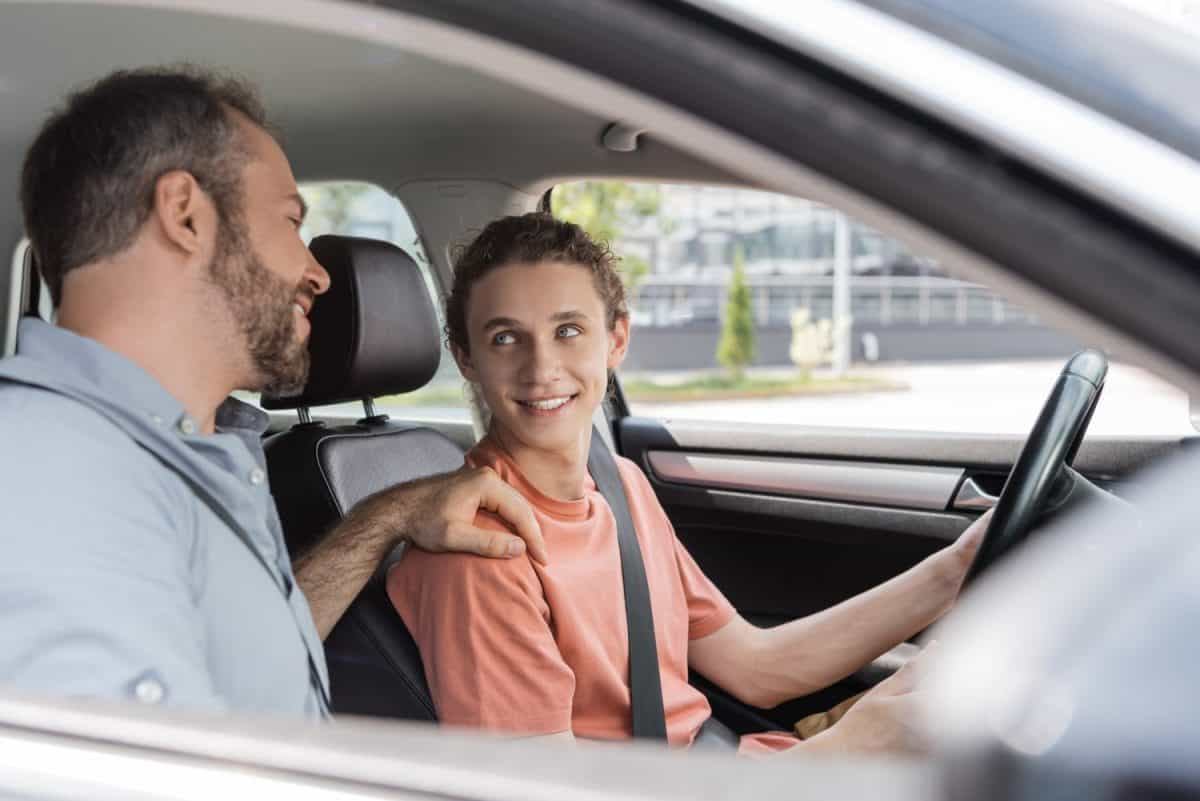
Teaching your teenager to drive is a journey filled with growth, learning, and sometimes anxiety.
©LightField Studios/Shutterstock.com
At its core, teaching your teen to drive is about so much more than stop signs and speed limits. It's about fostering trust, building responsibility, and preparing them for the real-world decisions that extend far beyond the driver's seat. As our kids get older, the consequences of their actions become more significant.
I love that my son is driving now. Do I miss the days he was playing with toy cars? Absolutely, but it's fun to see how he is growing and changing. I especially love it when he brings me home a treat or takes his sister out. I still worry about him when he is out on the road, and I sleep better when he is home from a night out. But I know the steps we took to teach him to drive, and I see that he is a good driver.
So breathe deeply, buckle up, and try to appreciate this fleeting stage. You're not just guiding them through intersections, you're guiding them toward independence.
The image featured at the top of this post is ©antoniodiaz/Shutterstock.com