
Gratitude — it's that warm, fuzzy feeling we get when we start to think about the blessings we have in life. From major things like the funds to take a family vacation to simple things like a hot cup of coffee in the morning, there's always something to be grateful for. If you're anything like me, though, gratitude comes to mind a lot more frequently at certain times of year.
During the fall, holidays, and other special occasions, it seems fitting to reflect on all the things we love in life. But gratitude isn't something to reserve for special occasions. There are actually many benefits to practicing gratitude year-round, and if you've got little kids (especially those who tend to throw a fit when they don't get their way), it can be beneficial for the whole family to foster an attitude of gratitude.
If you want to teach your kids to be grateful but aren't sure where to start, don't fret. There are many simple but effective ways to teach gratitude at any time of year.
Wait, Is It a Feeling or a Practice?

©Yuganov Konstantin/Shutterstock.com
More often than not, gratitude is described as the action of being thankful. In simple terms, it's the positive emotion we feel when we reflect on the things we love and appreciate in our lives. Practicing gratitude refers to the act of taking time out of our day to intentionally focus on positive things.
While you might naturally feel grateful when something good happens to you, or someone shows you they care, most of us have to be intentional about practicing gratitude before it becomes a habit.
It's easy to feel and express gratitude at certain times of year or during certain events because what's happening already has us filled with warm, sentimental feelings. During the holidays, for example, it often feels easier to reflect and show appreciation when we're spending time with loved ones, taking time off work, or giving and receiving gifts. But during a mid-year slump or even a difficult time in our lives, it's a bit harder to clearly see the positive aspects of our lives.
Benefits of Practicing Gratitude
If at some point in your life, you find yourself feeling more grumpy than grateful, I get how you feel. When it feels like your life is a stream of long hours at work, sleepless nights, or never-ending bills, you might wonder what there is to be grateful for.
The truth is, it doesn't matter what time of year it is. There are numerous benefits to practicing gratitude, especially when things are hard. The point of this practice is to reflect on the good things in our lives, even when it feels like there's nothing to appreciate. Chances are, when you take time out of your day to reflect, you'll realize things aren't as bad as they seem.
The physical, mental, and emotional benefits of gratitude are well-documented. According to numerous sources, some of the potential benefits of practicing gratitude include:
- Relieving stress
- Reducing anxiety
- Improving sleep quality
- Lowering the risk of depression
- Improving cardiovascular health
It makes sense from a psychological perspective that taking time to appreciate things would make us feel better. But, according to the American Brain Foundation, by practicing gratitude, we might actually be rewiring our brains, promoting well-being in every area of our lives.
Creative Ways to Teach Gratitude Year-Round
You may be on board with this practice after learning the benefits, but how can you get the whole family involved? There are many ways to foster gratitude in your household year-round, no matter what age your kids are. To get you started with this simple practice, here are some of our favorite ways to teach gratitude.
Start With a Few Minutes Each Day
The best way to make a new practice or habit stick is to keep things simple, especially in the beginning. Think about what's realistic for your family. You might start with a few minutes each day of expressing gratitude. Can't commit to every day? Try two or three days a week.
Consistency is key when it comes to turning this practice into a habit, but you have to be consistent in a way you know you can stick with. The good thing about practicing gratitude is that you don't have to have any special materials or tools. You can keep it simple by taking a few minutes to say what you're thankful for before school or work.
©PeopleImages/Shutterstock.com
Write Down One Thing Per Day
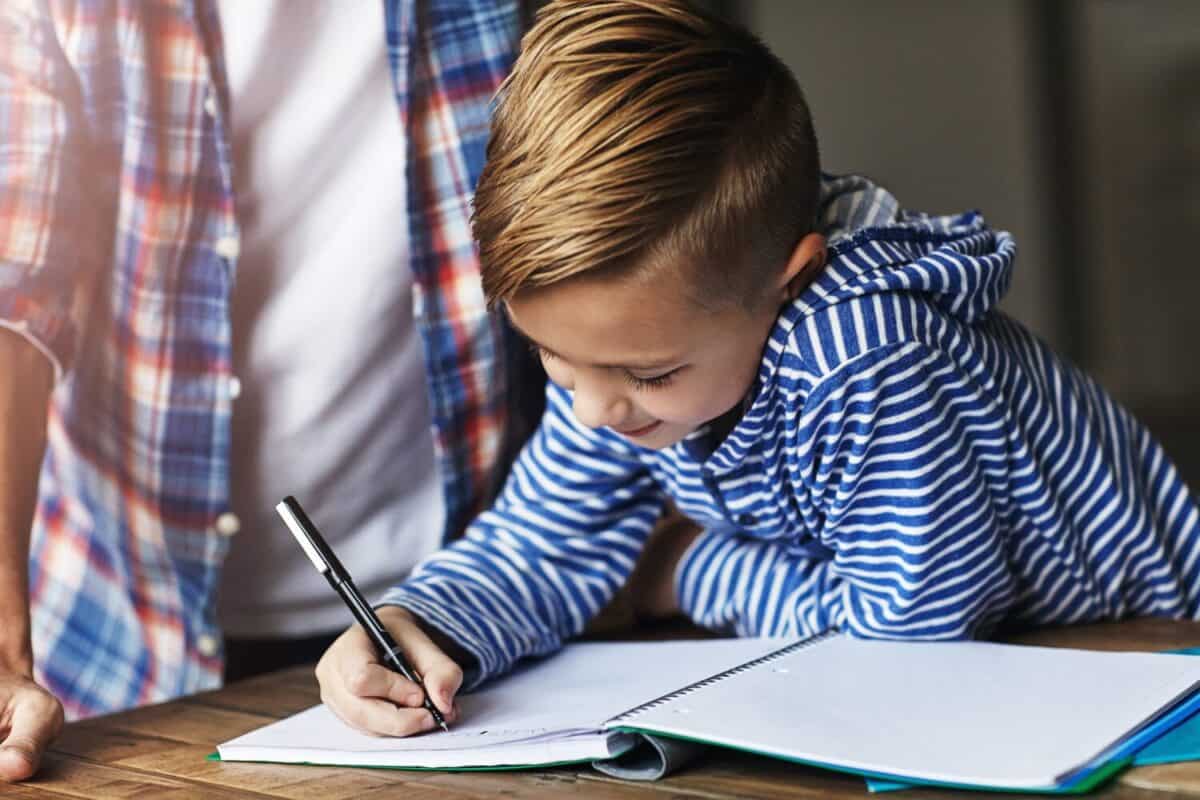
Whether you have young kids who are still learning what gratitude is or you're in a difficult season where it feels hard to come up with things to be grateful for, don't feel pressure to create a long list each day.
Simply writing down one thing you're grateful for each day can be a great way to reduce stress and start your days off on a positive note. You can choose to write it down or share your one thing out loud on the way to school or at the breakfast table. Alternatively, you can take a few minutes during dinner or before bed while the events of the day are fresh in your child's mind.
Use Prompts for Younger Children
For younger children, it may be more difficult to help them come up with things to be grateful for. This is especially true for toddlers or pre-schoolers who may spend most of the day at home. In this case, start with some questions or simple prompts to jog their memory. Consider asking things like:
- Who do you love spending time with other than mommy and daddy?
- What snack or meal did you love this week?
- What's your favorite toy right now?
- Was someone kind to you this week?
It's important to encourage your child to speak freely, no matter what they come up with. Practicing gratitude shouldn't be about only thinking about the major things in our lives — it's about recognizing the wonder and joy that exists in everyday moments. Toddlers can be temperamental, but you also may be surprised at how good they are at thinking of simple things to be grateful for.
©Andrey_Popov/Shutterstock.com
Create a Gratitude Journal or Jar
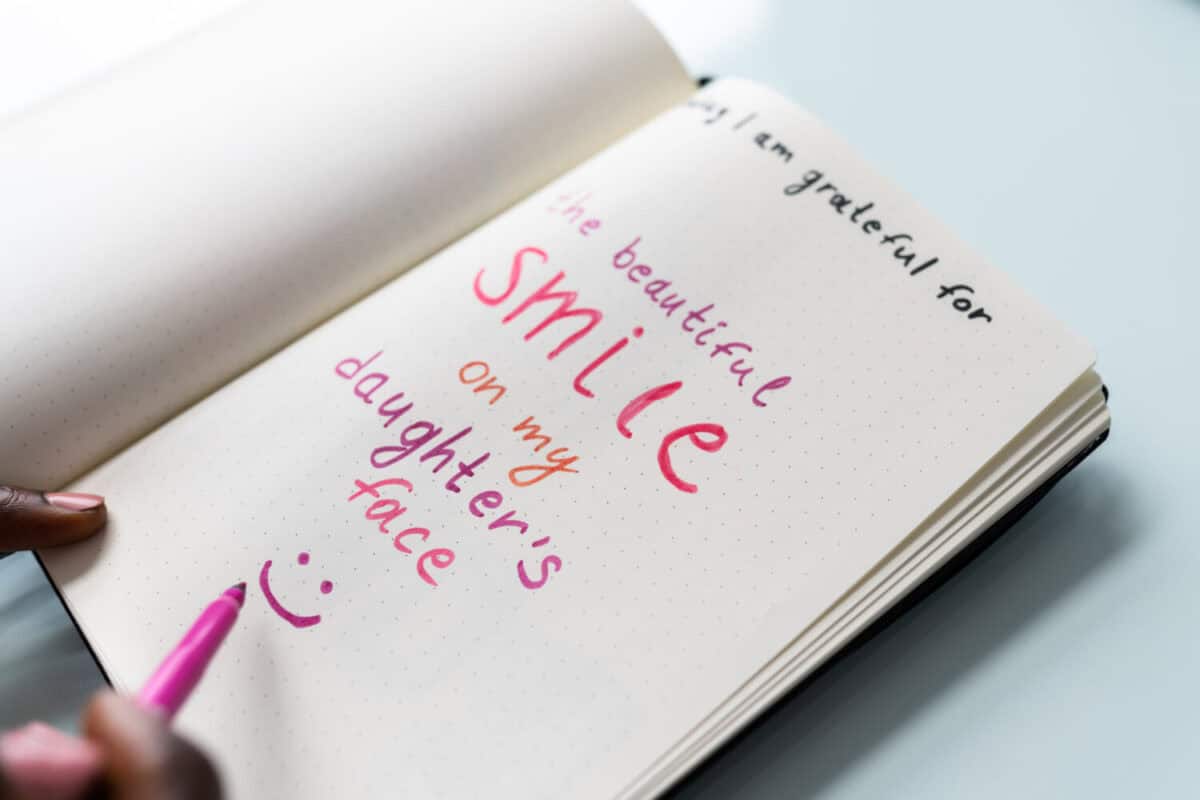
If you're looking for a way to document your gratitude practice, consider starting a gratitude journal or jar with your family. With a gratitude jar or journal, you can write down what you're thankful for and keep track of it throughout the year.
Both a gratitude journal and a gratitude jar can be a visual reminder of all the good things in your life. You can keep it simple or turn it into a craft where your child decorates their jar to make it their own.
Reflect On Your Practice Often
You may not feel the effects of practicing gratitude immediately, but there's a good chance that if you stick with it, you'll find both you and your kids feel more positive and less stressed. Make sure you add opportunities to reflect on the practice often.
After the first week, ask your kids how they're feeling. Don't forget to reflect on how you're feeling as well. Are you sleeping better? Do you feel more positive in the morning? If you feel like the way you're practicing gratitude isn't working for your family, this may be a good time to discuss that as well. There's nothing wrong with switching things up or looking for another way to express gratitude.
Express Gratitude to Others
There are so many things and people in our lives to be thankful for, even when they're not always at the forefront of our minds. One of the best ways to practice gratitude is to express it to others.
At least once a week, try asking your child who they're thankful for. Then, allow them to express their appreciation to that person. This could look like calling a grandparent to say, “I love you,” and “Thank you,” or teaching your child to write a thank-you letter. Encourage them to recognize simple acts done by others. It can sincerely brighten someone else's day to know that the work they do doesn't go unnoticed.
The image featured at the top of this post is ©Studio Romantic/Shutterstock.com