
As another school year comes to a close, your kids are likely thrilled about the upcoming summer days of sleeping in, watching TV, and playing with friends. The future holds a lot of excitement, but before your kids dive headfirst into the next several months, you should take some time to reflect on the school year that’s passed.
By sitting down with your kids and reflecting on the past nine months, you can all appreciate the work and dedication that went into the school year and learn more about what your children gained from it. However, the point is not to turn this discussion into a lecture. Instead, you want to make it fun and show them the importance of looking back. In this guide, we’ll tell you how to reflect on the year positively and how to do so as painlessly as possible.
The Benefits of Looking Back
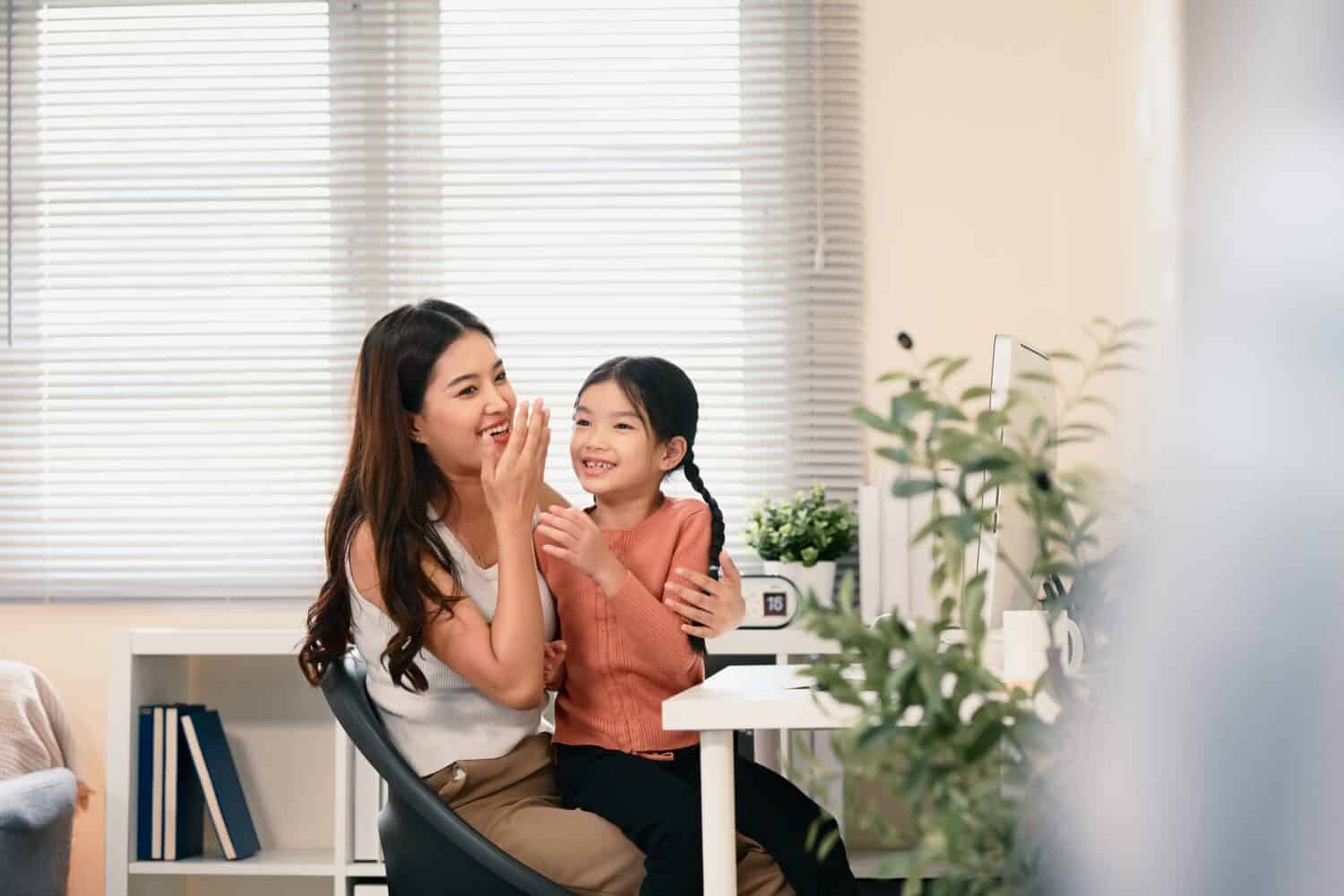
There are many benefits to reflecting on the school year, no matter what grade your child is in.
©Prathankarnpap/Shutterstock.com
Your child’s time of reflection can have more meaning when you explain why you’re having this discussion in the first place. There are several benefits to having a conversation where you reflect on the school year. If you prioritize reflecting on the school year, your child may:
- Recognize Growth – Your kids can think about the subjects they’ve excelled at and where they can go from here, the next time they’re in school.
- Build Self-Awareness – By the end of the school year, your kids can start to check out, so reflecting can help them to stay engaged.
- Develop Gratitude – Perhaps they learned a new subject they really like, or they had a teacher who really made an impact on them. Reflecting on these fond memories can help your children develop gratitude.
- See Progress Over Perfection – Your kids likely have many more years of school ahead of them. So, looking back can help them learn how far they’ve come and what they can do next year to continue reaching their goals.
Finally, as your kids grow, they'll need to focus on their mental health, emotional intelligence, and thinking skills, and reflecting on the school year can help. Emotional intelligence is all about learning to communicate, empathize with others, and relieve stress. School experiences can be instrumental in helping your kids grow and mature into adults. So, talk about the school year and see how your children change from year to year.
Make It Conversational, Not Formal
Your kids are unlikely to reflect on the school year with you again if you make the conversation a chore. If you sit them down and demand that they start reminiscing, they’re likely to shut down. Plus, they may not remember as much. They're certainly unlikely to remember the good times if you’re bearing down on them. So, instead of sitting the kids down and coldly asking them to recount everything they learned, turn it into a back-and-forth discussion. You can get the ball rolling with open-ended questions, such as:
- “What’s something you can do now that felt hard at the beginning of the year?”
- “Who made this year more fun?”
- “Was there a moment you felt really proud of yourself?”
- “What was the trickiest thing you had to figure out?”
- “What surprised you about this year?”
Open-ended questions are great because they require your kids to think about their responses. If you ask questions that allow them to answer with “yes” or “no,” they’re more likely to answer that way without saying much else. Instead, ask open-ended questions, and this discussion could go on for hours, and you’ll learn a lot along the way.
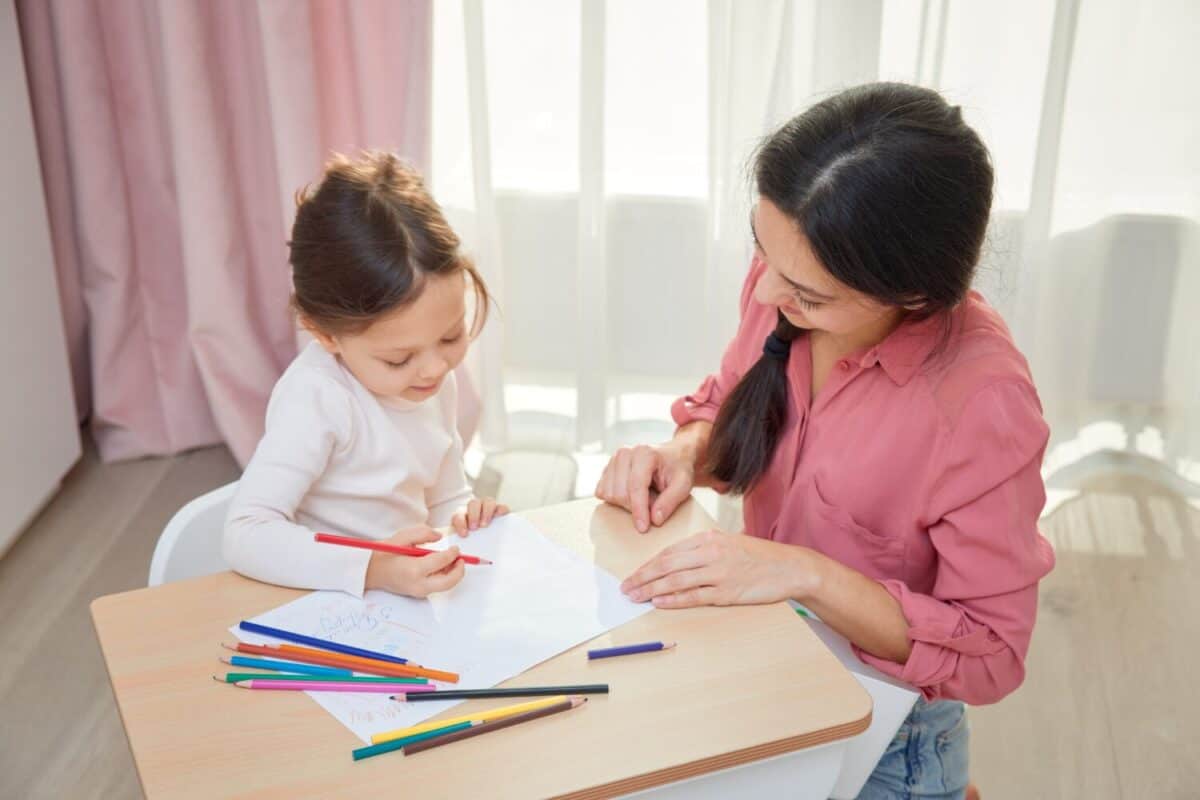
If you're looking for an engaging way to help your child reflect, try a fun and creative activity.
©Evgenyrychko/Shutterstock.com
Turn Reflection into a Fun Activity
Not all children are created equal. One thing that separates many kids is how talkative they are. You know your own children. If you sit them down and ask them to recount the ups and downs of the school year, are they really going to open up the way you’d want? If not, that’s okay. Some children are quieter than others, and they may always be that way.
However, that doesn’t mean that you can’t get them to reflect on the school year. One way to do so is to pair the discussion with a fun activity that can spark their creativity. Here are some ideas:
Create a School Year Time Capsule
Instead of talking, your kids may get a kick out of collecting items and ideas and putting them into a time capsule. Ask your kids to think about and locate/remember the following items/memories:
- Their favorite project
- A photo from a school event
- An award or certificate
- A note describing their favorite memory
- A short “This Year I Learned…” paragraph
Then, get a large envelope or a box. You can have your kids decorate the container with their favorite colors and designs. Close it and then write something like “Open on the last day of school next year.” They’ll be able to review what they wrote and think back on it next summer.
Make a “Then vs. Now” Page
This activity seems rather simple at first, but it can turn into a really deep exercise. To start, draw a line down the center of a sheet of paper. Then, you can help your child write down a certain attribute they had at the start of the year and how they’re different now. To show you what we mean, here are some examples of what the paper might say:
- “I was nervous to read out loud.” → “Now I volunteer.”
- “I didn’t know multiplication.” → “Now I can do two-digit multiplication.”
- “I didn’t know anyone.” → “Now I have three close friends.”
Every child will be different, but it’s a fun exercise. Your kids will learn a lot about themselves and their ability to grow, and it can be incredibly rewarding.
Host a Mock Interview
To add some extra fun to the experience, consider hosting a pretend talk show where your child is a guest, and you’re the host. You can even play some wacky intro music as your kids come in and take their seats. Costumes and fun outfits are optional. Write some questions on cards, such as:
- “If this school year had a movie title, what would it be?”
- “Who was the MVP of your class?”
- “What was the biggest plot twist?”
- “What skill did you level up in?”
- “What was the funniest moment?”
Don’t put too much pressure on your youngster during this routine. Just try to have fun with it. No matter what, you’re bound to learn new information that your kids can use during the next school year.
Have a Celebration Night

Host a mock awards ceremony to get the kids excited about current and future accomplishments.
©Asian People Stock Photo/Shutterstock.com
No matter what, your kids are likely to have many wins during the school year, so celebrate them during a rewards night. Cook a fancy dinner of your child’s choosing. Prepare a very special dessert afterwards. You can even allow your kids to have some input for the decorations around the dinner table.
Once your stomachs are satisfied, you can hand out fake rewards for the various achievements your kids reached during the year. Rewards can include things like:
- “Bravest Presentation Award”
- “Kindness Champion”
- “Most Improved Reader”
- “Perseverance Award”
You can either make special trophies from scratch or purchase pre-made trophies from the dollar store and hand them out. Either way, your kids are sure to be thrilled.
Reflect More on Growth, Not Just Grades
However you decide to reflect on the school year with your child, make sure it’s not only about grades. Your kids may not be “straight A” students, but that doesn’t mean that they didn’t learn a lot during the school year. Yes, discussing grades is important, but so is discussing how to improve them next time. Not to mention that grades are just one piece of the puzzle.
Talk about different ways that your kids have improved over the last year. Start with topics revolving around academic growth, such as:
- Reading more fluently
- Mastering math concepts
- Improving handwriting
- Completing long-term projects
- Learning how to study
Next, discuss how your kids felt emotionally during the year and what they hope to accomplish the next time around. Conversations can include:
- Handling frustration better
- Asking for help
- Speaking up in class
- Trying something new
- Making new friends
Finally, touch on character growth. How can your kids use their experiences in school to hone the soft skills that can help them to excel as adults? Think of topics like these:
- Showing kindness
- Apologizing when they're wrong
- Standing up for someone
- Being responsible with their homework
- Including others
Use these talking points as a starting point for longer discussions. Remind your kids that nothing is off limits as long as they are comfortable.
What to Avoid
Remember, you don’t want these conversations to get too dry, or your kids may be hesitant to share anything about the school year. But that’s not it. There are other talking points to avoid as well, such as:
Comparing Siblings
You may raise your kids the same way, but that doesn’t mean they’re not different. Each child will have their own strengths and weaknesses. So, avoid turning this into a competition.
Comparing Them to Classmates
Yes, your child may be in the same grade as someone else, but that doesn’t mean they’re robots that all learn the same way. Don’t compare your kid to others, or you’re likely to negatively impact their self-esteem.
Over-Analyzing Weaknesses
Remember that this is not a time to tell your kids how bad they are or to bring them down. Talk about their areas of improvement, yes, but don’t forget to also discuss their wins. A well-rounded conversation is the intended result.
Remember the Big Picture
In the end, your discussion about the school year should be a healthy conversation that helps your child to grow and learn. Don’t turn it into a lecture, but have a back-and-forth conversation. It’s about teaching them to notice growth, recognize perseverance, and to build confidence from evidence. Prove to your kids that you’re there to support them, and they’ll seek out your help more often.
The image featured at the top of this post is ©imtmphoto/Shutterstock.com