
Most moms have heard the phrase, “It takes a village to raise a child.” And yet, many of us are still out here wondering: Where can I find that village? What number can I call?
Although the exact origin of the “village” phrase is unclear, it's believed to be an African proverb that reflects how the upbringing of children is everyone's concern, because a child's behavior affects the well-being of the entire community. Most of us understand the phrase as an expression that reflects how raising a child requires a lot of help and support. Despite this, many moms are raising kids without the help of anyone, even family members.
It's a difficult reality for many families to face, but even if you don't have family nearby, there are other ways to build a community around you. As I've seen some say on social media recently, if you want to have a village, you have to be a villager. So rather than waiting for our village to appear, it's up to us to build the community we want to have around us.
How to Be a Villager
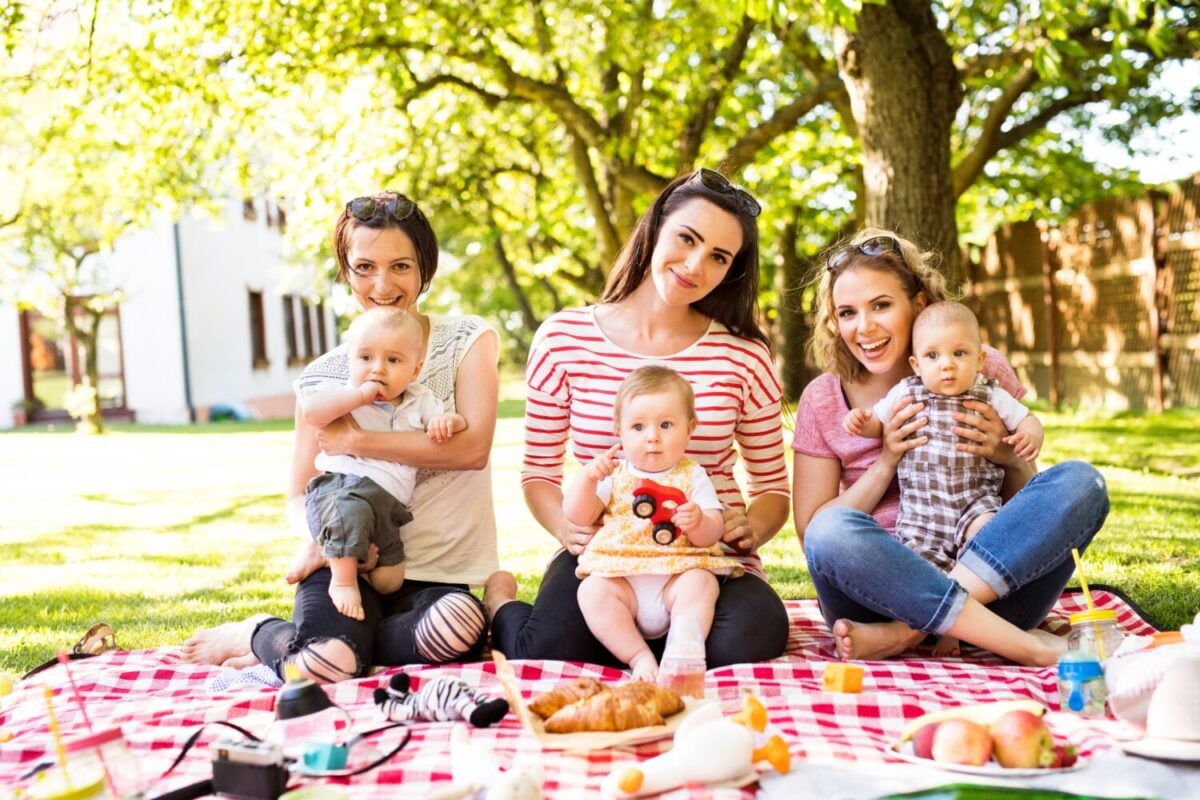
©Halfpoint/Shutterstock.com
When you start having kids, the support of friends and family can be invaluable. From having someone to bring you meals when you're newly postpartum to having someone you trust to watch your baby so you can have a much-needed date night, life is just a lot easier when you're not navigating parenthood alone.
But many parents live far away from family or are disconnected from them, leaving them to raise kids on their own without a lot of help. To add to this, the U.S. has the world's highest rate of children living in a single-parent household, according to the Pew Research Center. No matter what your situation is, there are ways to build a village around you, but it requires you to be a villager first.
Start With the Neighborhood
If you're not sure where to start when it comes to building a village, the easiest place to start is your own neighborhood. Consider hosting a neighborhood party to get to know everyone, or even introduce yourself to the other parents when you see their kids playing outside or riding their bikes down the street.
Even if you live in an apartment complex, you can meet other parents in your community at the local park, library, zoo, or other family-friendly place. If you meet another parent you connect with, take the initiative and ask for their number or see if they're interested in a playdate.
Be the Host
Whether you've lived in your city or town all your life or you're new to the area, you might have met some other families you'd like to spend time with. It could be that nice mom you met at the park, or it could be the family you chat with over donuts after church on Sunday.
Maybe you've considered having some kind of get-together, but you're waiting for an invitation. Even if other moms in the community want to get together, it may never happen if you wait for someone else to invite you. Instead, take the initiative and be the host. Invite the other mom over for a playdate or invite the family over for dinner.

©Ground Picture/Shutterstock.com
Start a Group Chat
Part of creating a supportive community is staying connected. It's easy to host an event once a month and then forget about everyone else's needs the rest of the time. As parents, we're all busy, and it's hard enough to keep up with the daily tasks and needs of our own family. A simple method of communication, like a group chat, can help everyone stay connected when you're not together.
This also provides a way to keep track of who may need assistance or encouragement. Consider doing a check-in once a week to see how everyone is doing. It could be as simple as asking everyone to describe how their week is going with a set of emojis or a GIF. Keeping things simple and low-pressure provides a better opportunity for busy moms to stay connected and even be honest when they're having a difficult time.
Chip In and Expect Nothing in Return
Depending on how everyone's doing that week, the weekly check-in may provide some opportunities to be there for your budding community. Of course, you're going to step in if someone has a family emergency, has had a new baby, or their spouse has lost their job. But showing up for the seemingly little things matters too.
Even if the mom down the street just had a really stressful week with her kids, consider stopping by with a treat to cheer her up. Or, if someone needs help with a financial need or needs someone to watch their kids, be the first to offer. Instead of keeping a score of all the times you help others in your community, chip in often and show up frequently without expecting anything in return.
Start a Meal Train
Your village isn't just a group of people to hang out with — it's also the people who are there to help you in your time of need. And even though you may hope someone would step in to help you, part of being a villager is taking the initiative to do it for someone else.
If someone has a new baby, has surgery, or is going through a difficult time, start a meal train for them. As busy moms, we know that getting dinner on the table is one of the biggest struggles when you have a lot on your plate. This can take the burden off someone else, and they're likely to return the favor when you're the one needing assistance. Plus, sites like Meal Train make it easy to organize meal support for families in your community.

©Halfpoint/Shutterstock.com
Invite Them Along
Building a community doesn't always have to start with grand gestures or elaborate parties. It can be as simple as inviting someone else to come along with you to something you're already doing.
Heading to Target for a shopping trip? Ask the stay-at-home mom down the street if she wants to meet you there. Taking the kids to the park? Text that family you've been meaning to plan a playdate with and see if they want to tag along. Even small, simple steps can lead to deeper connections and friendships down the road.
Don't Ask If They Need Help
Every new mom has had someone say, “Let me know if you need anything.” But there's a good chance the person who needs help will never be the one to ask.
To really be there for the other parents in your community, don't bother asking them if they need help. Just show up to help. This might look like saying, “I'm headed to the grocery store, send me a list of anything you need,” or “I dropped your favorite treat and coffee off on the porch!” without any prompting.
Make Small Gestures
A lot of the ways you might be a villager to those around you may seem like they take a lot of time or money. But don't forget that small gestures matter. You don't have to be wealthy to show others that you care and build a village for your family.
Even small, simple gestures, like sending a text to check in, inviting someone over for dinner, or dropping off a batch of homemade chocolate chip cookies, can be truly meaningful to another mom. It's not about how much money you spend — it's about showing that you care.
Pay Attention
Speaking of meaningful gestures, one of the best things you can do to be a villager is simply pay attention. When a mom in your community needs help, she may not always say that. You may only know she's struggling because of the tone of her voice or a subtle comment she made about her week.
Paying attention also means remembering things others don't. Remembering that your mom friend has a teenager going off to college or has a birthday coming up can mean a lot. But pay attention to the tough things too. It may be uncomfortable, but remembering the anniversary of a loss, such as the loss of a parent or child, is important for those who don't have much support around them.

©Halfpoint/Shutterstock.com
If You Don't Do It, Who Will?
In an ideal world, every mom would have the support of family and friends throughout her child's life, but we know that's not the case for many. All hope isn't lost, though, if you're moving to a new area or don't have family nearby. The reality is, if you want to have a village, you'll have to be a villager first.
The first step in creating the community of your dreams is accepting that you'll likely have to take the initiative at first. No matter how difficult things seem, keep inviting others, keep pitching in, and keep showing up. If you don't do it, who will?
The image featured at the top of this post is ©Antonio Guillem/Shutterstock.com