
























I Used to Allow Sleepovers, But These 10 Risks Changed My Mind
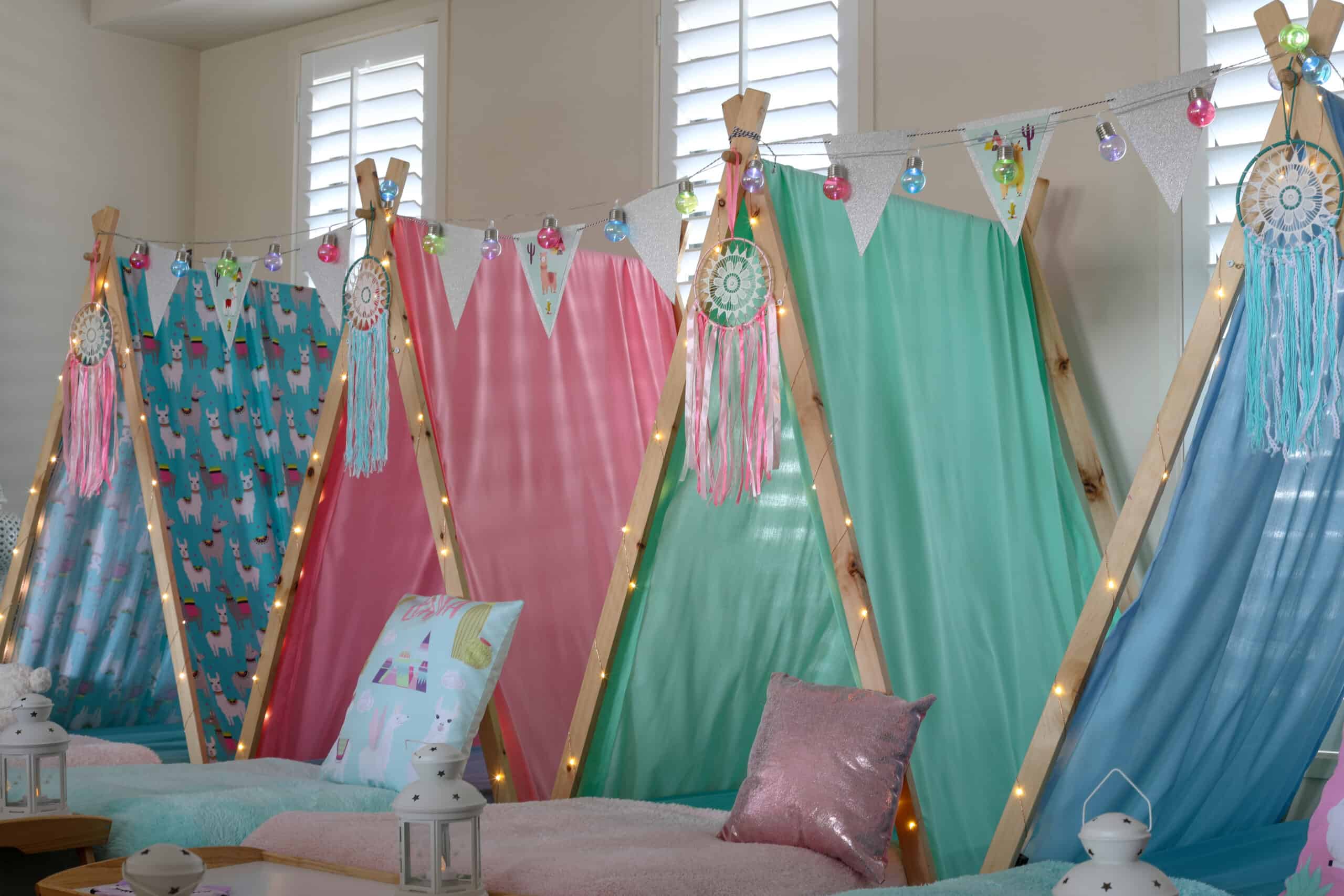
For many parents who grew up in the 1980s and 1990s, sleepovers were a regular part of childhood. They meant late-night movies, junk food, whispered secrets, sleeping bags on the floor, and maybe a little harmless trouble after everyone was supposed to be asleep. For a lot of adults, those memories are still tied to friendship, independence, and growing up.
But parenting has changed, and so has the way many families think about sleepovers. What once felt like a simple rite of passage now comes with more questions, more concerns, and more boundaries. Some parents are still comfortable with them, while others have decided the risks outweigh the fun.
Kids may beg, plead, and insist that “everyone else is allowed to go.” They may even accuse you of being too strict. But saying no to a sleepover does not automatically make a parent unreasonable. In many situations, it can be a thoughtful decision based on safety, supervision, trust, family values, or simply knowing what your child is ready to handle.
That does not mean every sleepover is dangerous or every invitation should be rejected. It does mean parents are right to ask more questions before saying yes. Who will be home? How well do you know the family? Will older siblings or other guests be there? What rules are in place around phones, internet access, bedtime, privacy, and supervision?
To better understand why some families are rethinking this childhood tradition, Moms Who Think looked at the biggest concerns parents have about sleepovers, along with helpful context, practical safety considerations, and advice on when they may or may not be appropriate.
1. No Supervision
You're the type of parent who controls screen time, but maybe the neighbor's parents aren't. The truth is that when your kids are at a friend's house, you really have no control over their devices or rules. Not only could your kids have access to technology they normally wouldn't, but the other parent may also have lax rules that put your kids in danger. Not only that, but they often come home expecting a change because "Samantha can, why can't I?"
2. Siblings of the Opposite Sex
Most kids have siblings of the opposite sex, and you can't control who sleeps where at someone else's house. If Jimmy and his friends decide to sleep in the game room with his little sister and hers, there's no telling what can happen without parental supervision.
3. No Socialization Parameters
When kids are young, they need socialization parameters so they understand what's appropriate and what's not. This is often when they learn about inappropriate touch, things they shouldn't share with their friends, and how to act around others. If your son doesn't understand that it's not okay to go to the bathroom with a friend in the room, he may be uncomfortable if someone else has to teach him that.
4. Better Ways to Create Relationships
As a parent, it's your job to facilitate healthy spaces and conversations for your child to create relationships. If they haven't had a chance to create proper boundaries with friends, their relationships may become advanced too early. This can lead to codependency or toxic behavior as time goes on. When your child is in your home, you have more control over the conversation.
5. Risks of Sexual Abuse
As awful as it is to face, there is a risk of sexual abuse in any situation where children are unsupervised, including sleepovers. Most child sexual abuse occurs in situations involving trusted adults or family members. You may know the parents, the siblings, and all the extended family, but you have no control over who enters someone else's home. This could be a friend of a friend who seizes the opportunity to take advantage of your child.
6. Lack of Control Over Rules
Parenting rules are all over the spectrum, and you can only control your own home. If you have strict rules about what your kids can eat, you can't expect a friend's mom to enforce those rules. These rules can be anything from "no screen time after nine" to "no driving with friends in the car," and not all parents care about your rules.
7. Cranky Kids
We have yet to meet a kid who doesn't get cranky when their schedule is thrown off. This can be naptime, mealtimes, or even screen time. You know those times when you send the kids with grandma and grandpa, they get everything they want, and come home cranky? Sleepovers present the same problem.
8. Kids Need Personal Space
Even the neediest kids need time alone, and there's no guarantee when they're going to need that. Your kids might have stars in their eyes about the possibility of spending two full days with friends, but the truth is that they are likely to get tired of each other. What happens if your child needs space and they're in the same room as friends? They may get upset, a fight breaks out, and they say things they don't mean, all because they need a bit of alone time.
9. Appropriate Time With Friends
It's not appropriate to spend all your time with friends. This is true with kids and adults. A common expression parents use is "pace yourself," and this applies to how much time they spend with one friend. To help your kids develop appropriate bonds with friends, you may need to set boundaries on how often they are together. Sleepovers only exacerbate the issue and can lead to irritation and frustration that the friends wouldn't otherwise feel. There can be too much of a good thing.
10. Cleanliness
Every house has different cleanliness rules. This can include everything from how often your kids shower to whether the sheets get washed regularly. When your child is at a friend's house, they're susceptible to whatever germs or toxins are in the house. It's okay to expect your kids to have hygiene boundaries, but you can't control what other people do with their kids in their own homes. Things like bed bugs and lice spread like crazy during sleepovers.
Some Statistics About Sleepovers
If you're not convinced yet, we have some interesting statistics you might want to consider about sleepovers.
- Only 10% of abuse cases involve a stranger.
- About 40% of abuse cases involve a family member.
- Girls are at higher risk than boys, and most abuse occurs between the ages of 7 and 15.
- One in five girls and one in 20 boys will experience some type of sexual abuse.
Sleepover Alternatives
Try one of these alternatives to a sleepover if you want to give your kids the memories without the risks.
- Sleep-unders: Let the kids stay out for a "late night," until midnight or so.
- Family sleepovers: Plan a short trip (like camping) with another family so your kids can enjoy the experience with you managing it.
- Parties: Have themed parties during the day or that end at an acceptable hour.
How to Say No to a Sleepover
If your kids have friends who invite them to sleepovers and don't understand why you decline, remember that you don't have to explain any of your parenting decisions. If you are concerned that it's creating a rift, discuss your stance with the other parents to help them understand it's nothing personal; it's just a family rule.
What Age Are Sleepovers Appropriate for Those Who Allow Them?
If you decide that sleepovers are okay for your family, there's no right or wrong time to start. To decide when your child is ready, consider their maturity, keep communication open, and get to know the other family.
Your Kids Will Thank You Later
Much of parenting is making your kids mad for their own good. They may not understand now, but they'll thank you later once they understand the dangers and concerns of sleepovers. As always, it's most important to keep communication lines open with your children.
The image featured at the top of this post is ©Nomad_Soul/Shutterstock.com