A few weeks ago, I had to go to the doctor's office. While I was there, I ended up casually chatting with a new doctor about kids, my teenagers, and his younger children. At one point, he asked if he could run a question by me. Intrigued, I immediately said yes.
The doctor wanted to know how we handled sleepovers. His kids are in early elementary school, and they have friends who are starting to ask about sleepovers. He explained that the families spend time together and know each other fairly well. Still, since they’ve only known each other for part of a school year, neither family feels completely comfortable committing to a full sleepover yet. He was looking for advice on how to navigate that situation.
Almost every parent I know has asked themselves these questions. For many parents, sleepovers were a rite of passage, filled with late-night movies, whispered conversations, and the thrill of staying up past bedtime with friends. But today, that once-automatic tradition is being reconsidered.
With increased awareness around child safety, evolving social norms, and the influence of digital technology, many families are limiting or rethinking traditional sleepovers, leading to a decline in overnight stays and a rise in alternatives like late-overs or sleepunders. So what’s changed, and how can parents navigate this evolving landscape? Keep reading as we dive into the question many modern parents wonder: Are sleepovers still a good idea?
Why Some Parents Are Pressing Pause on Sleepovers
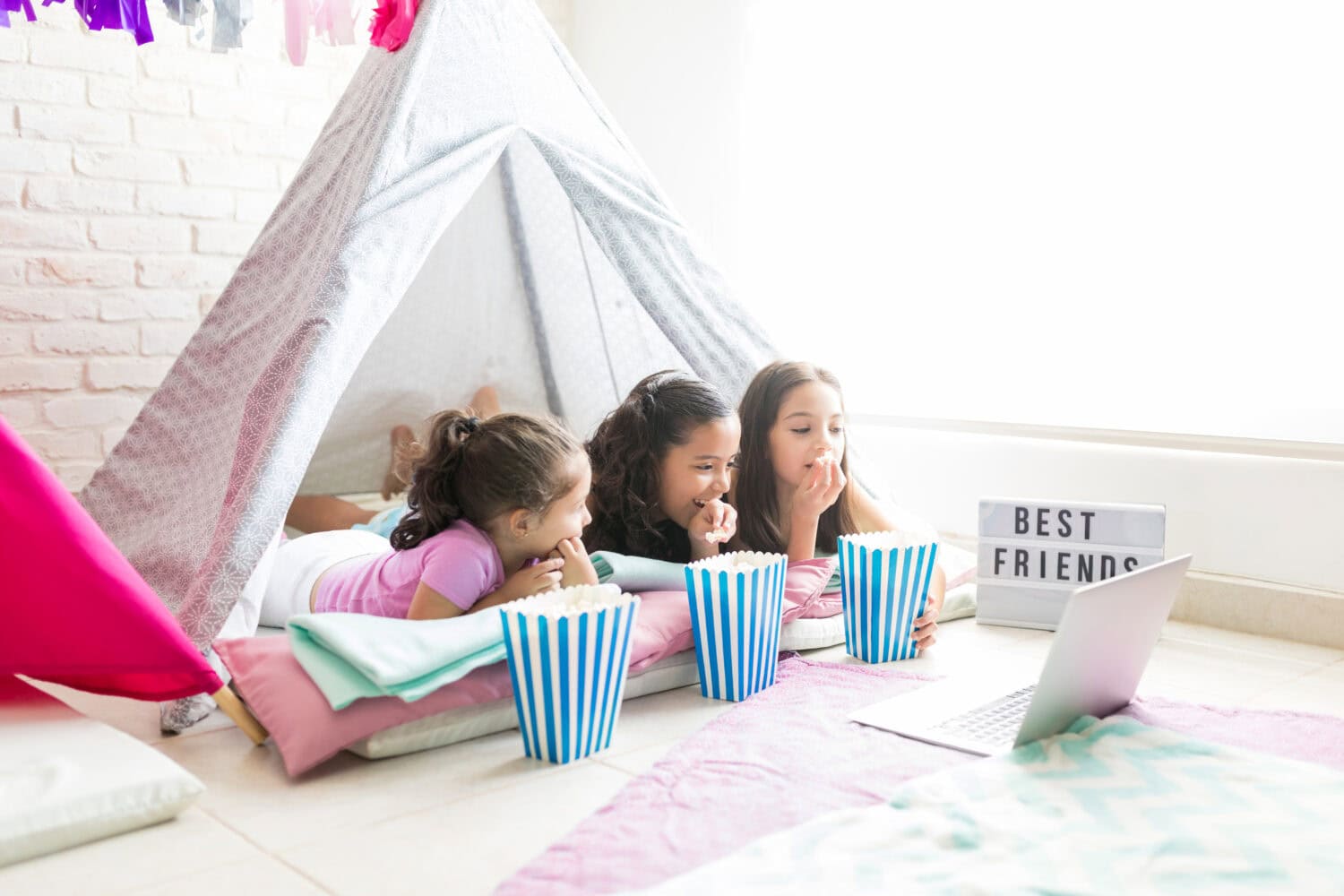
Find ways to make your child’s sleepover experiences, or sleepover alternatives, fun and memorable.
©PeopleImages.com – Yuri A/Shutterstock.com
Modern parents aren’t necessarily more fearful, but they are more informed. Conversations about child safety, boundaries, and supervision at sleepovers have become more detailed and cautious, reflecting increased parental awareness and concern. Parents are thinking more carefully about questions like:
- Who will be in the home overnight?
- What level of supervision will there be?
- Are there older siblings or other visitors?
- What are the family’s rules around media, internet access, and privacy?
These aren’t easy questions to ask, and for some families, the uncertainty leads to a simple conclusion: skip sleepovers altogether.
Another issue is that children today are often overscheduled with extracurricular activities, making it harder to find time for sleepovers.
Technology has also become a significant concern. With widespread access to smartphones, social media, and online content, parents find it increasingly difficult to monitor their children's digital activity when their kids are away from home. Even well-meaning households may have very different standards when it comes to screen time, online safety, or what’s age-appropriate.
If You Do Allow Sleepovers: Set Clear Expectations

Sleepovers can be a fun way for kids to make memories and connect in a more relaxed setting.
©New Africa/Shutterstock.com
For families who decide sleepovers are okay, communication is key. Setting clear expectations ahead of time can make a big difference in how comfortable both parents and children feel, and can help prevent misunderstandings or stress. Planning and discussing details openly ensures that everyone is on the same page and that the experience is safe, enjoyable, and memorable.
Consider these steps:
Get to know the family well
Spend time together beyond brief drop-offs. Visiting the host family’s home, sharing meals, or chatting with parents helps build trust and gives a better sense of the environment your child will be in.
Ask direct questions
It might feel awkward, but it’s perfectly reasonable to ask about supervision, sleeping arrangements, household rules, or routines. Clear answers help set expectations and make everyone feel more at ease.
Establish check-ins
Let your child know they can call, text, or check in at any time, no questions asked. This reassurance can help children feel supported and confident, and give parents peace of mind.
Talk with your child
Discuss boundaries, consent, and what to do if something feels uncomfortable. Encourage open dialogue about their feelings, expectations, and experiences before, during, and after the sleepover.
When approached thoughtfully and with preparation, sleepovers can be a positive, memorable experience that strengthens friendships, builds independence, and creates lasting memories, all while keeping safety and comfort at the forefront.
When Sleepovers Aren’t the Right Fit

Sometimes sleepovers aren’t the right fit for your family, but there are still plenty of ways to help your child build strong friendships and have fun.
©fizkes/Shutterstock.com
Choosing not to allow sleepovers doesn’t mean limiting your child’s social life; it just means being intentional about how those connections happen.
Many parents are finding creative alternatives that preserve the fun without the overnight component:
“Late-Over” Playdates
This is a big one for a lot of kids. Kids stay late into the evening — think movies, games, and snacks, but head home before bedtime. It captures the excitement and sense of independence that kids love about sleepovers, without the challenges that can come with overnight stays. Parents also tend to feel more at ease knowing their child is sleeping in their own bed.
Evening Parties or Movie Nights
Host structured gatherings that end at a set time. This gives kids shared experiences to bond over while maintaining clear, predictable boundaries. Having a defined end time can also help children transition more easily, rather than navigating the uncertainty or overstimulation that sometimes comes with staying overnight.
Family-Inclusive Hangouts
Instead of simply dropping kids off, families spend time together. This builds trust between parents and creates a more transparent environment for everyone involved. It also allows children to socialize freely while still feeling supported, which is especially helpful for younger kids or those who may not be ready for more independence yet.
Sleepovers at Home Only
Some families allow sleepovers, but only in their own home, where they can control the environment, supervision, and expectations. This can be a middle ground that gives kids the experience they’re asking for, while allowing parents to stay aligned with their comfort level and values.
Gradual Steps
Start with shorter visits, then move to late evenings, and only consider overnights later if at all. This gradual approach helps children build confidence and independence at their own pace, while giving parents time to assess what feels right as their child grows and circumstances change.
Talking to Kids About the Decision

Parents should have open, honest conversations with their children about personal safety and awareness.
©DimaBerlin/Shutterstock.com
One of the biggest challenges is helping children understand why their experience might look different from their peers. It’s natural for kids to compare, and they may feel confused, frustrated, or even left out when they realize their family has different rules around sleepovers.
Keep the conversation open, supportive, and age-appropriate:
Emphasize that every family has different rules
Help them see that just like how bedtimes, screen time, or routines vary from home to home, sleepover rules do too. This normalizes the difference rather than making it feel like a restriction placed only on them.
Frame the decision around safety and comfort, not fear
Present your choice as something thoughtful and intentional, not something driven by worry. This helps children feel secure rather than anxious, and shows them that boundaries are a normal part of caring for themselves.
Validate their feelings, especially if they feel left out
Let them know it’s okay to feel disappointed. A simple acknowledgment like “I understand why that feels hard” can go a long way in helping them feel heard and respected, even if the boundary stays the same.
Offer appealing alternatives so they still feel included socially
Make sure they have other opportunities to connect with friends in fun, meaningful ways. When kids know they’re not missing out on friendship or fun altogether, the boundary feels less like a loss.
When handled with empathy and consistency, children are more likely to accept, and sometimes even appreciate, the boundaries. Over time, these conversations can also help them develop confidence in understanding that every family makes choices based on what feels right for them.
The Bottom Line
Sleepovers are not for everyone, but they can be a great way to connect outside of school.
©Tomsickova Tatyana/Shutterstock.com
Sleepovers aren’t inherently good or bad; they’re a personal choice that looks different for every family. Just like the doctor I spoke with, parents today are balancing nostalgia with new information, carefully weighing what feels right for their children and their families.
Whether you say yes, no, or “not yet,” what matters most is thoughtful decision-making, clear communication, and creating opportunities for your child to build strong, joyful friendships on your terms. In the end, the goal isn’t to follow tradition blindly; it’s to help children connect, have fun, and create lasting memories in a way that works for your family.
The image featured at the top of this post is ©antoniodiaz/Shutterstock.com