











10 Iconic 1980s Movie Soundtracks We Still Know by Heart
Some movies from the 1980s had soundtracks packed with hit after hit after hit. Decades later, people still know the music by heart, whether they experienced the decade firsthand or grew up watching the movies on VHS, cable reruns, or family movie nights.
Some soundtracks had one unforgettable song that seemed to carry the entire album, while others were filled with tracks people still listen to from beginning to end. Even when every song was not a major hit, nostalgia made the full soundtrack worth revisiting.
These 10 movie soundtracks went far beyond simply being remembered. They became part of the movies themselves, bringing certain scenes, characters, and moments rushing back as soon as the first few notes begin. All 10 prove that a great soundtrack can outlive a movie’s original box-office run by roughly 40 years—and sometimes become just as iconic as the film.
Flashdance (1983)
Flashdance told the story of a girl who was a welder during the day and a dancer at night, trying to win herself a place at a legitimate dance school. The soundtrack itself became a huge phenomenon, almost as popular as the film.
The album produced by Giorgio Moroder and Phil Ramone ranked first on the Billboard 200 charts, and two tracks hit the number one position on the Hot 100. Irene Cara's title track "Flashdance…What a Feeling" dominated the charts for six weeks straight and got the award for Best Original Song at the Oscars and for Best Female Pop Vocal Performance at the Grammys.
Just play the opening notes of that title track to anyone who is at least 45 years old, and watch as they finish the lines automatically. Michael Sembello's track "Maniac" was not far behind on the Hot 100, and although it became known for the leg warmers, it had its own success too.
Ghostbusters (1984)
Ghostbusters follows three scientists who opened their own ghost removal business in New York. Unlike many lengthy soundtracks that featured numerous hit songs, the one here consisted mainly of just one hit. And what a hit it was. Ray Parker Jr. rushed the song after around fifty other attempts from different songwriters that didn't land. It hit number one on the Billboard Hot 100 and stayed there for three weeks straight, taking the entire album to sixth place on the Billboard 200 list.
This particular song stands out from most soundtrack songs in that you don't even need to see the movie to know it by heart. You can talk to a kid who has never watched the movie in their lifetime, and they will probably still shout back "who ya gonna call?" The song continues its strong showing in streams during Halloween, and in 2025 it returned to the Billboard Hot 100 outright, more than four decades since its first reign at the top. That is quite an impressive second life given that it shares the soundtrack with many other forgettable songs.
The Breakfast Club (1985)
Five teenagers of five distinct cliques attend a day of detention and find themselves learning a lot more about one another than anticipated. Like Ghostbusters, the soundtrack behind the movie is really built around just one hit. The record, produced by Keith Forsey, never went beyond number 17 on the Billboard 200, and outside of Wang Chung's minor hit "Fire in the Twilight," most of it has been forgotten.
None of that matters next to the Simple Minds song "Don't You (Forget About Me)." The tune climbed all the way to the top of the Hot 100, becoming the only American chart number-one for the Scottish band.
The song is featured at the iconic end of the film, with Judd Nelson raising his fist in the air during his walk across the football field. Now, it immediately triggers "80s movie moment" memories from the very first synth notes. It shows up in graduation montages and nostalgia playlists constantly, almost always paired with a clip of that same fist pump.
Top Gun (1986)
The film needed a soundtrack that could match its own adrenaline. That’s no small feat and it’s what made it one of the best-selling movie soundtracks to date, having spent five separate weeks at number one on the Billboard 200 chart and going on to sell more than nine million copies in the United States alone. It featured the adrenaline-pumping song "Danger Zone" by Kenny Loggins, which hit number two, as well as Berlin's "Take My Breath Away," which hit number one and went on to win the Oscar for Best Original Song.
Both songs got a second life thanks to the 2022 release of Top Gun: Maverick and a whole new generation getting exposed to the songs that their parents already knew by heart.
Back to the Future (1985)
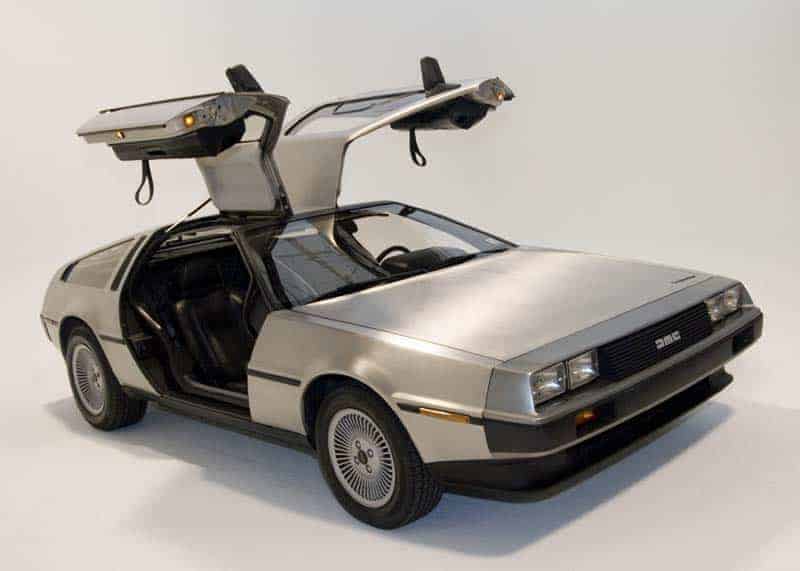
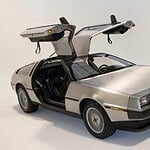
Marty McFly blasts "The Power of Love" from his boom box just moments before the altered DeLorean whisks him away to 1955. The soundtrack album built around that scene mixes two newly released tracks by Huey Lewis and the News with classic rock & roll, plus some surprises, like an Eric Clapton song produced by Phil Collins and one by Lindsey Buckingham. The album spent nineteen weeks on the Billboard 200, peaking at number 12.
"The Power of Love" became Huey Lewis and the News' first number-one hit. It also continues to endure in popular culture because the movie just never went away either. Any references to the DeLorean or "Great Scott!" tend to carry the sound of this track in people's memories, and it remains a catchy single even without the movie.
Dirty Dancing (1987)
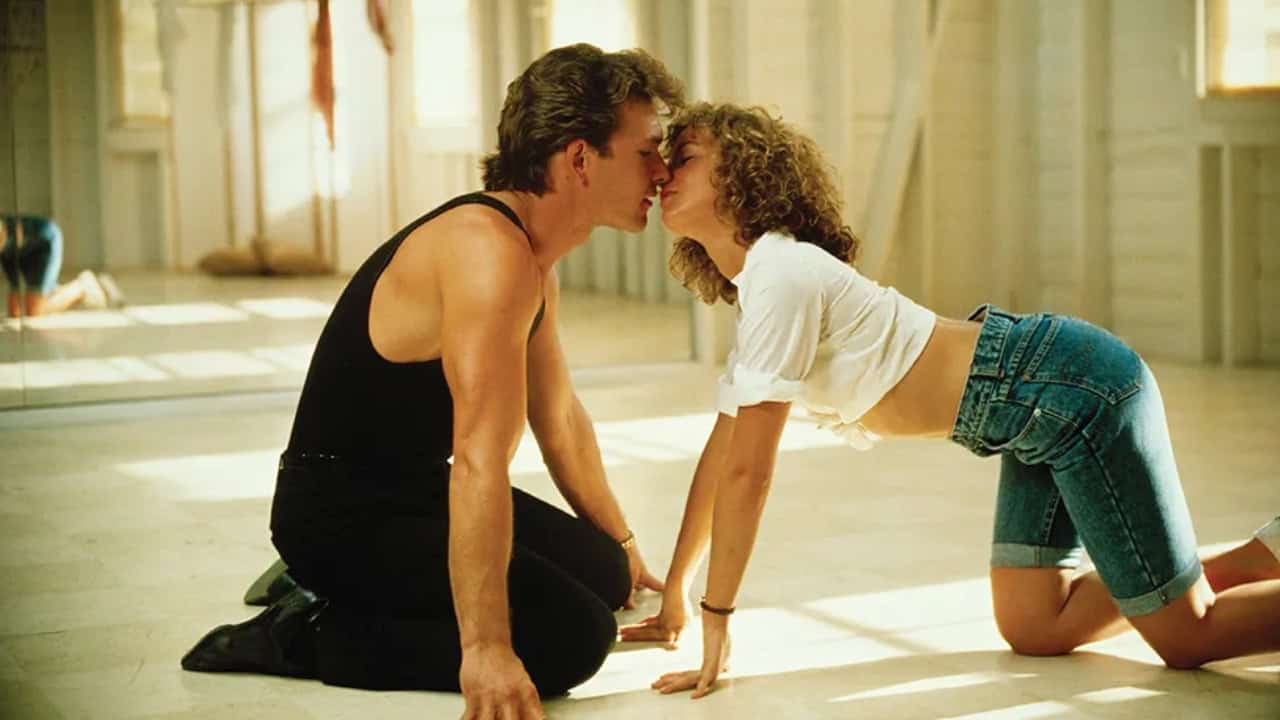
This soundtrack became one of the best-selling albums of the latter half of the 80s and held the number one spot on the Billboard 200 chart for 18 weeks while scoring three singles on the top ten of the Hot 100 chart. In fact, the movie pretty much kickstarted the singing career of its lead star, Patrick Swayze, who co-wrote and sang the song "She's Like the Wind," one of those three hits.
The most iconic one would obviously be "(I've Had) The Time of My Life" by Bill Medley and Jennifer Warnes. It got the Oscar for Best Original Song and the Grammy Award for Song of the Year. This is one that a lot of moms know by heart and there’s also a good chance that it was played at their own wedding.
Beverly Hills Cop (1984)
Eddie Murphy's fish-out-of-water cop comedy came with a soundtrack stacked deep enough to land three different songs in the Hot 100 Top Ten, an unusually strong showing for the era. It had Glenn Frey with "The Heat Is On" at number two, Pointer Sisters' "Neutron Dance" at number six, and Harold Faltermeyer's instrumental "Axel F" at number three. The soundtrack became number one at the Billboard 200 and received the Grammy Award for Best Score Soundtrack for Visual Media.
"Axel F" has had more comebacks than most pop stars, which is remarkable for a song without any lyrics at all. This instrumental tune got revived in 2005 through the "Crazy Frog" ringtone, introducing it to kids who had never seen the movie. It went through another revival with the help of 2024's Beverly Hills Cop: Axel F. Now, three generations hum this tune without necessarily knowing its origin.
The Goonies (1985)
Kids chase a pirate's treasure map through underground tunnels, trying to save their neighborhood from a country club development. Steven Spielberg brought Cyndi Lauper on as the soundtrack's music director, and she filled it out with an early Bangles track and a Teena Marie song that hit the R&B top 10, alongside a single of her own. The album was modest commercially, reaching only No. 73 on the Billboard 200, a lot lower than some of the other soundtracks on this list.
"The Goonies 'R' Good Enough" by Lauper was able to get into the Top Ten on the Hot 100 chart, but Dave Grusin's orchestral score for the film, especially its main theme, "Theme from the Goonies," is arguably even more recognizable today than the single itself.
Families still watch this one together on rainy weekend afternoons, and children respond to the treasure hunt just as strongly as their parents did watching it on VHS tapes. The music swells at exactly the right moments, and even viewers meeting the movie's villains for the first time tend to remember the theme long after they've forgotten most of the plot.
The NeverEnding Story (1984)
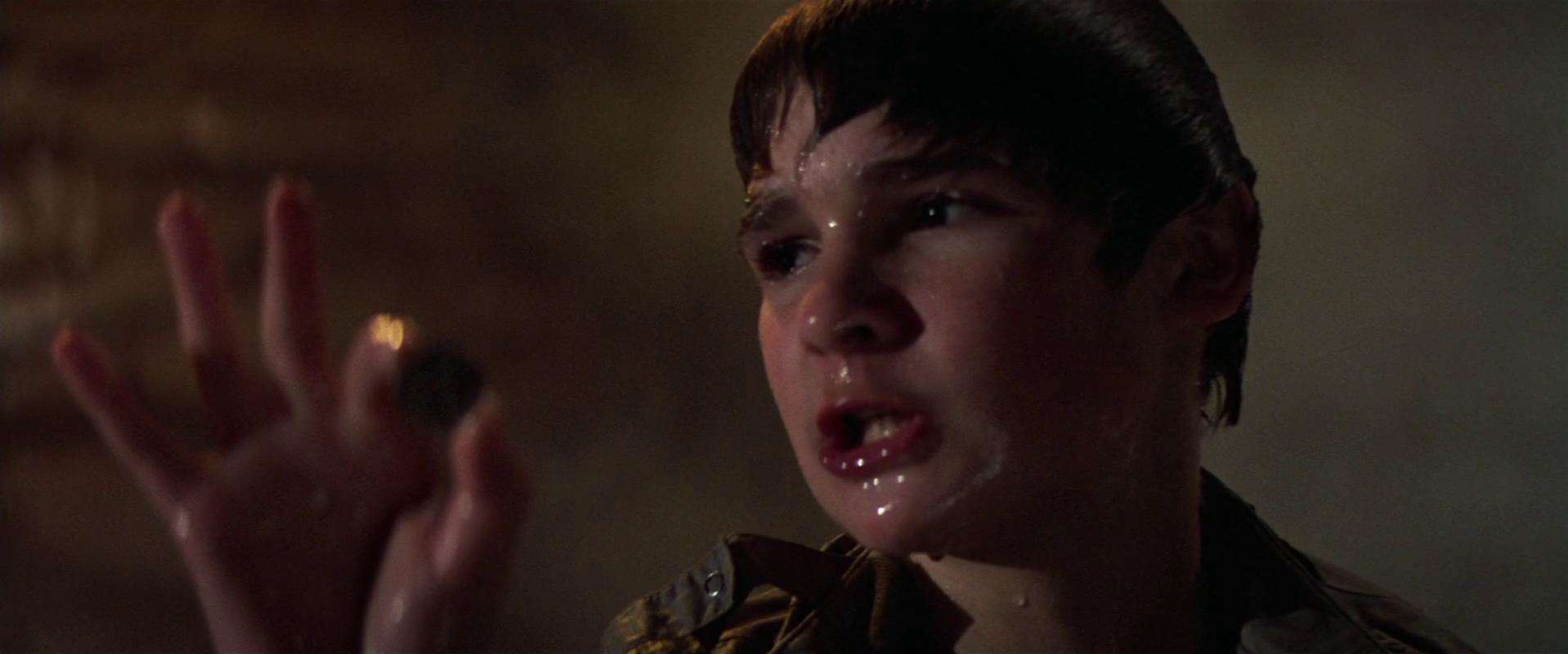
The story is about a lone kid who discovers an enigmatic book that throws him into the fantasy land of Fantasia, traveling through it on the back of an enormous flying luckdragon called Falkor, and the music accompanying it is surprisingly divided into two parts. Klaus Doldinger composed a traditional orchestral score for the German release of the film, and when it reached the English-speaking audience, producer Giorgio Moroder was brought in to add a synth-pop element, along with a title track.
The title track was performed by Limahl and co-written by Moroder. It made it to number four on the charts in the UK and to number 17 on the Billboard Hot 100, but most importantly, it is instantly recognizable from the first line onwards. Its popularity rose again in 2019 when it was used by "Stranger Things" in a key scene, causing its streams to skyrocket. Kids who never watched the movie also ended up discovering the song.
Footloose (1984)
In Footloose, a teenager who moves to a small town where dancing is banned spends the film's duration trying to change everyone's minds. The music played behind him was one of the most successful albums of the decade. Six out of nine tracks reached the top 40 in the Hot 100 charts, with the album itself occupying the first place in the Billboard 200 for ten weeks, one of only five albums to occupy that position in the year 1984, along with Thriller and Purple Rain.
Kenny Loggins' title track and Deniece Williams' "Let's Hear It for the Boy" both hit number one, while Ann Wilson and Mike Reno's "Almost Paradise" reached the top ten. Bonnie Tyler's "Holding Out for a Hero" only cracked the top 40 at the time, but it went on to huge success decades later. When it comes to dancing to the tune in gyms, it's the title track everyone still slides across the floor to.