











15 Classic Disney Movies That Would Never Get Made Today
Disney has been part of childhood for generations. Since Walt Disney and his brother Roy founded the Disney Brothers Cartoon Studio in 1923, the company has created some of the most recognizable children’s movies ever made. Many of those films are still beloved today, but watching them now can feel very different than it did years ago.
Some classic Disney movies include scenes, characters, songs, or stereotypes that modern parents may find uncomfortable or difficult to explain to their kids. Disney has acknowledged that issue on some older titles through content advisories, including a warning that certain films are “presented as originally created” and may contain “stereotypes or negative depictions.” Reports in 2025 noted that Disney had shifted back to shorter advisory language for some older films.
That does not mean every classic should be erased or forgotten. But it does mean families may watch some of these movies with a very different perspective today. Here are the classic Disney movies that would likely spark a much bigger conversation if they were released now.
- Peter Pan
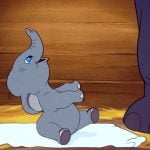
- Dumbo
- The Aristocats
- Lady and the Tramp
Parents today are having more thoughtful conversations with their children about kindness, respect, empathy, consent, and self-worth. Those values shape everything from how families talk about friendships to the movies they choose to watch together.
That is one reason some classic Disney movies feel different now than they did years ago. Scenes that once seemed harmless or went unquestioned may stand out to modern parents for the wrong reasons. Whether it is outdated stereotypes, troubling relationship dynamics, or moments that clash with the lessons families are trying to teach, some Disney classics are harder to revisit without a conversation.
Problems in Classic Disney Movies
Several of the Disney movies on this list are products of their time. This means that the messages depicted in many films are there because many people didn't know better then, while others may not have cared.
Today, values have changed, meaning parents want their children to value self-respect, respect for others, diversity, and empathy. This means they choose to forgo the movies that depict young girls as helpless, add racial stereotypes, or include scary and unnecessary storylines. For these reasons and more, the classic Disney movies on this list did not age well.
Sleeping Beauty (1959)
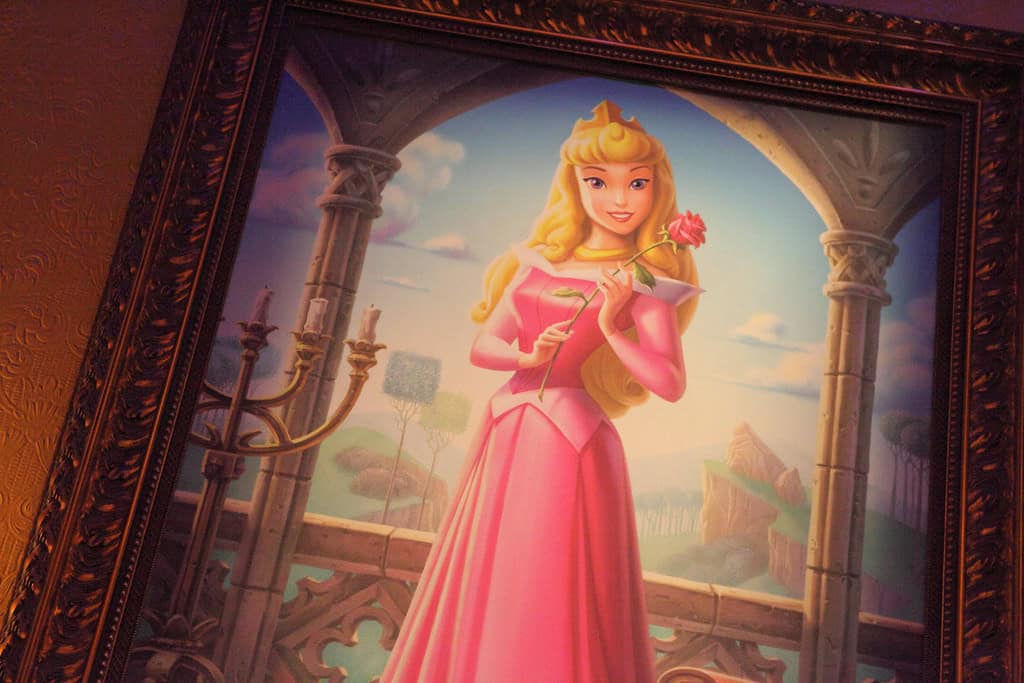
"Sleeping Beauty" began as an oral story in the 1300s. The story goes that once a beautiful princess was born to a King and a Queen. Yet, an angry, evil fairy puts a curse on the young girl. In the movie, Sleeping Beauty is whisked away to the forest to protect her from this curse, yet no matter what the fairy godmothers do, they can't protect her.
Sleeping Beauty, otherwise known as Aurora, falls into a deep sleep after pricking her finger on the spindle of a spinning wheel. She then stays in the castle, sleeping, until a prince (whom she had met briefly before) finds her, kisses her, and awakens her.
There are many reasons why "Sleeping Beauty" doesn't age well. For starters, it has been said that in one of the original stories, the plot is much darker than a nonconsensual kiss. The story goes that instead of a kiss, the young girl falls asleep and is assaulted by a king. This happened while unconscious, and she later gave birth to two children.
While the story softens up through the centuries, the nonconsensual kiss and the idea that a girl needs a prince to save her don't sit well with many of today's modern families. This is especially true for those raising their children to be mindful of how important consent is.
The Little Mermaid (1989)
"The Little Mermaid" tells the story of a young mermaid, Ariel, unsatisfied with her life under the sea. She wants more. Then Ariel sees a young man, falls in love, and trades her voice for a chance to win his affection. After an intense battle with the sea witch, Prince Eric and Ariel receive her father's blessing to live happily ever after.
If you watched "The Little Mermaid" as a child and then rewatched it as an adult, chances are some parts make you cringe. Namely, when Ariel falls in love with a man she has never even met. Sure, wanting to experience life outside of the ocean is a beautiful motive. Everyone needs to experience life for themselves. Yet, Ariel falls in love with a random man she doesn't know. She then risks it all for just a chance to kiss him, which borders on stalker behavior.
As a parent, no one wants their children to think that risking it all for someone they don't know is always a good idea.
Snow White (1938)
"Snow White" is a classic Disney movie with catchy tunes and memorable moments. The storyline portrays a young princess who has to escape her jealous stepmother, so she goes into the woods. Here, she finds a cottage that belongs to the seven Dwarfs.
After some time, Snow White is found by her jealous stepmother and fed a poisonous apple. She then falls into a deep sleep, much like Sleeping Beauty. This is when it gets annoying. Like her fellow princess, Snow White is awakened only by a nonconsensual kiss from a man she doesn't know.
Although the film can be sweet, many areas can be problematic. Snow White is painted as a helpless girl who needs strange men (whom she doesn't know) to save her. It is frustrating that she also takes a random apple from a stranger. To top it off, Snow White has to be saved by receiving a nonconsensual kiss. 100 years ago, a story of a helpless girl who needed saving may have been cute and relatable. However, we want to send a different message to our daughters today.
Peter Pan (1953)
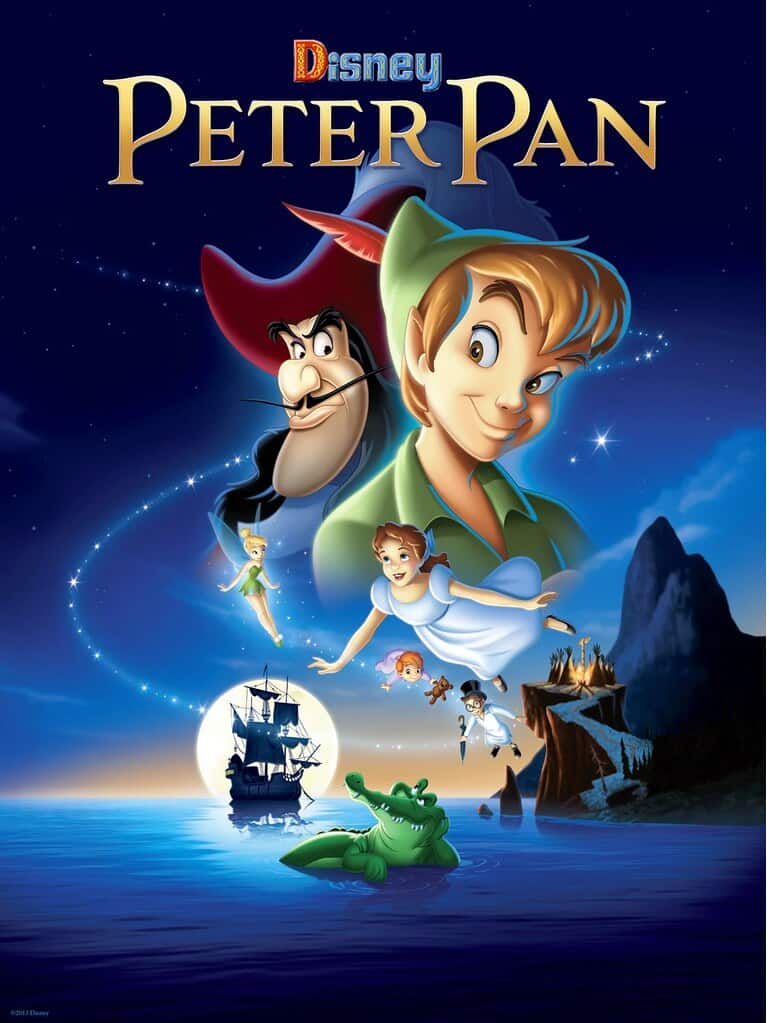
"Peter Pan" is based on the classic play and shows Peter Pan bringing Wendy and her brothers to Neverland, where no one grows old. However, the problem is that an angry pirate doesn't like Peter Pan and wants to destroy him.
One of the most problematic areas that comes from "Peter Pan" is the depiction of Native Americans. The song "What Makes the Red Man Red?" is chock-full of racial stereotypes. These stereotypes are offensive and do not respectfully portray the tribe.
Dumbo (1941)
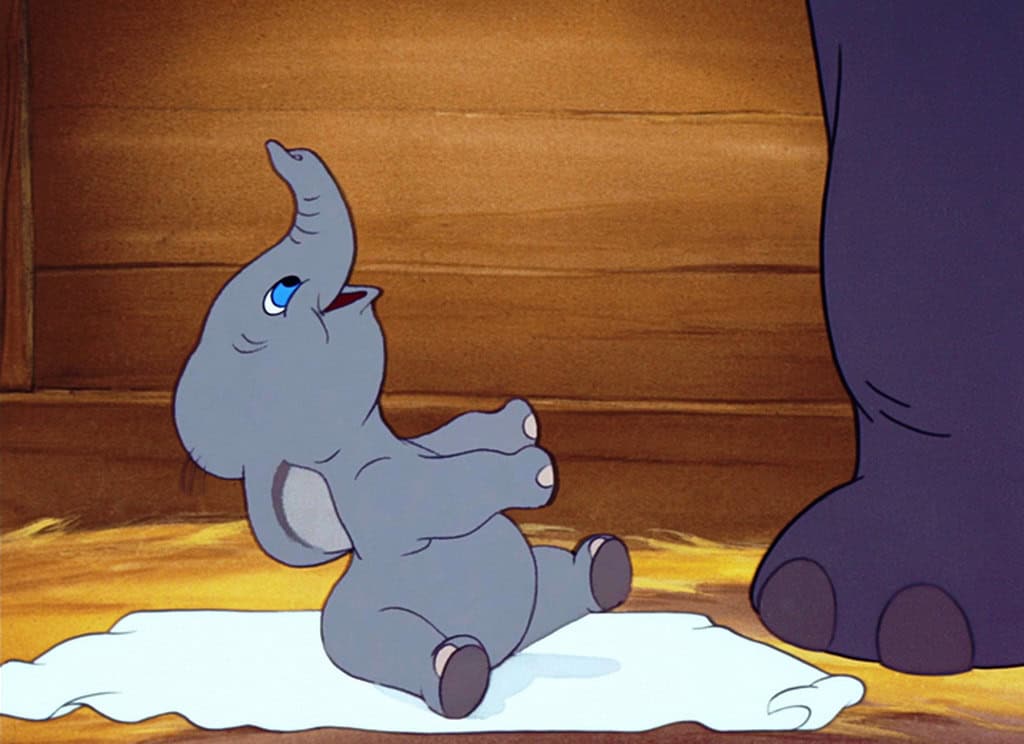
"Dumbo" is a heartwrenching movie that can make anyone cry. The story is about a circus elephant that is born with huge ears. When his mother defends him from being taunted, she gets locked up. Dumbo later learns that his ears give him the ability to fly.
This short film has some sweet elements, like a protective mother willing to defend her son. However, there are also problematic aspects. One of the scenes that did not age well is the portrayal of the crows. These scenes depict African Americans in a very stereotypical way. Even more, the leader of the crows is named "Jim Crow."
Another troubling scene from Dumbo is when he drinks alcohol. This is problematic because Dumbo is just a child. He becomes drunk and starts to see visions of pink elephants. A child drinking alcohol could have been left out of the film.
Pocahontas (1995)
"Pocahontas" is a Disney movie that takes a turn at trying to depict actual events. It tells the story of Pocahontas and John Smith. While exploring how the English Settlers tried to take land from the Native Americans.
"Pocahontas" didn't age well because it doesn't depict history correctly. The story, for starters, is not accurate, as there was no romantic relationship between Pocahontas and John Smith. (She was only ten!) Also, it waters down historical facts in a way that makes the conflicts and treatment of Native Americans (and Pocahontas) seem not as bad as they were.
Pinocchio (1940)
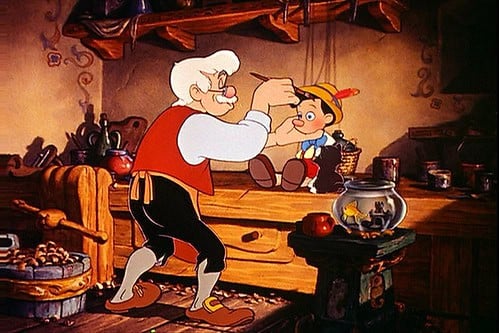
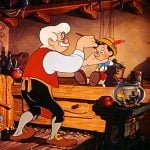
"Pinocchio" tells the story of a wooden puppet created by Geppetto. Geppetto is a man who wishes for a son of his own. Therefore, audiences rejoice when the man's wish is fulfilled, and Pinocchio becomes a boy. Yet, the boy quickly finds that he is unsatisfied with his life. Making it easy to lead him astray to a strange place called Pleasure Island with several other boys.
The storyline of Pleasure Island is very dark and unsettling. If you do a simple rewatch as an adult, chances are you will find an unsettling pit grow in your stomach.
The young boys are kidnapped and lured to Pleasure Island, where they are allowed to do whatever they want, such as smoke and drink. Then, they are turned into donkeys and sold. While Pinocchio escapes and finds Gepetto again, the underlying storyline is scary for children and disturbing for adults, especially since these boys are never seen again.
Song of the South (1946)
"Song of the South" is undoubtedly one of those Disney movies that didn't age well. It is about a boy who goes to a plantation to live with his grandmother and mom. During his stay, he gets to know Uncle Remus.
"The Song of the South" romanticizes what life on a plantation was like for enslaved people during this period. It paints a picture that isn't accurate to history. This movie has been problematic since its release because children (and adults) must be given a true and accurate history, no matter how difficult it is to hear. Anything other than the truth disrespects those who experienced these hard truths.
Beauty and The Beast (1991)
"Beauty and the Beast" is a beloved Disney film about a young girl who loves books, longs for cultural experiences, and feels like she doesn't fit in with her town. When a beast kidnaps her father in a castle, she trades her life for his, agreeing to stay with the beast forever. She slowly falls in love with the beast, saving him at the end with her tears after an angry townsman tries to kill him.
While many people love "Beauty and the Beast," it has been scrutinized in recent years. Many have attributed Belle's affection for the Beast to Stockholm Syndrome. Whether or not that is the case, Belle does have the notion that she can "fix" the beast and turn him into something he never was.
Sure, the beast just needed to learn how to love, but the fact that he captured Belle and tried to scare her into submission throws red flags everywhere.
Lady and The Tramp
"Lady and the Tramp" tells the story of a dog off the street who falls in love with a high-end lady (dog).
While it is a cute movie at its core, it has problematic racist portrayals. The two Siamese cats are depicted in a very negative light. Sure, they are the villains, but the "Siamese Cat Song" is offensive, and the character depictions are chock-full of stereotypes that shouldn't be in the movie to begin with.
One Last Note
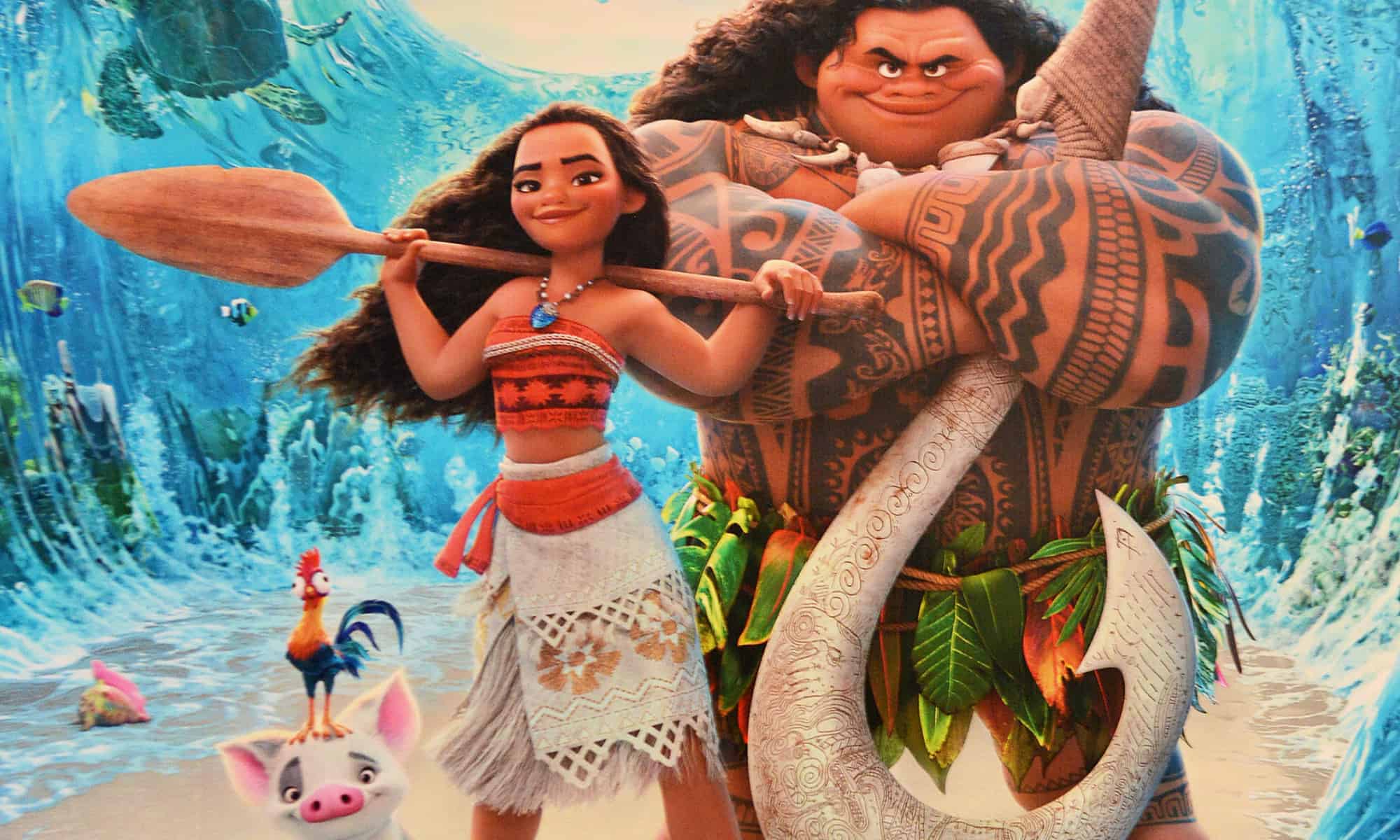
Although Disney has produced several movies over the last 100 years that have not aged well, they also have many incredible ones that make great family movie night films. Films like "Moana," "Frozen," "Raya," "Brave," and "Mulan" all have strong female leads that show young girls they can be strong and courageous and create a life they love.
Inside Out movies explore the themes of emotions, growing up, and how to handle all the feelings that come with it. The movies show kids that feeling emotions is okay; you don't always have to be happy. "Encanto" shares that while your talents may differ from someone else's, you are still important.
Although there are several classic Disney movies that did not age well, do not entirely discount the production company. Several films showcase excellent leads and important storylines and can be fun for adults and children. These films allow you to have a great time with your family and not worry about the underlying messages that do not align with your modern values.
The image featured at the top of this post is ©Courtesy of Buena Vista Pictures Distribution – License / Original