












Most Americans Can’t Pass This Basic Grocery Price Quiz
You don't track the price of a loaf of bread. Nobody does. You toss it in the cart and look at the total at checkout. That total has been quietly climbing for years, and most of us have just adapted without noticing or realising where the money went.
That's how it works. The prices increase slowly enough that they do not set off any alarms. Sometimes, the item inside the packaging gets smaller, but the price stays the same, and you don’t even notice. Here are ten common food products that most people badly misjudge the price of.
Ground Beef
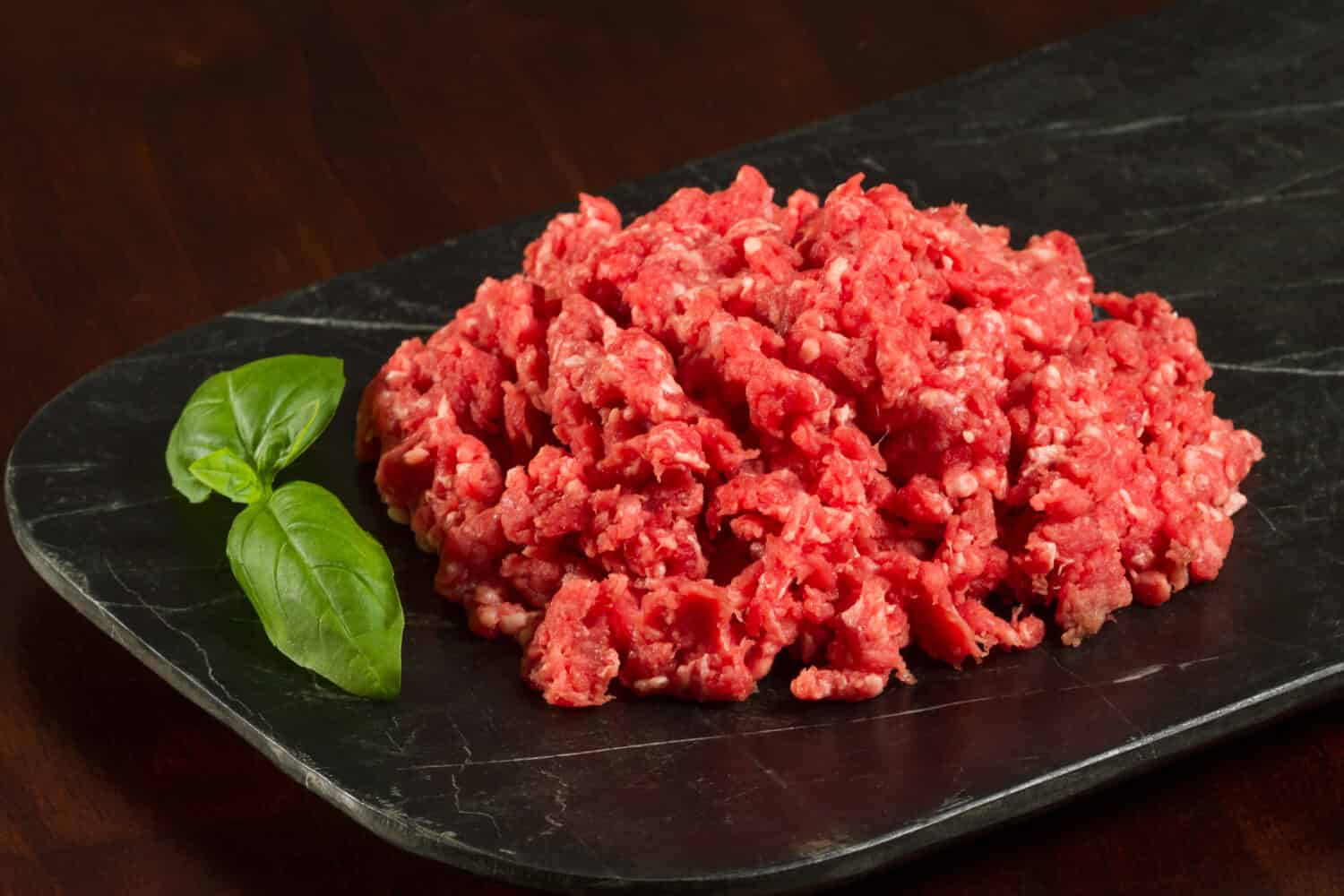
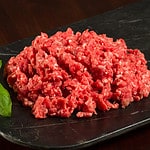
Ground beef feels like a $5 item. Maybe $6 on a bad day. The truth of the matter is that ground beef now costs between $6.50 and $7 per pound for a standard pack at an average grocery store. Beef and veal prices in April 2026 were up by almost 15% compared to April 2025 due to the shrinking cattle herd since 2019. Ranchers reduced their herds during drought years, and rebuilding a cattle herd takes years.
Demand hasn't dropped to match the reduced supply, hence the continued price increase. In all likelihood, if you think in terms of the cost of ground beef in 2022, you will be off by a couple of dollars per pound.
Orange Juice
It's a common assumption to think that OJ has remained more or less the same. Always $3 to $4, right?
Back in 2025, a 32-ounce bottle had an average price of around $4.90, compared to less than $3.50 some years ago. That’s if you don’t take shrinkflation into account. Tropicana, one of the most recognizable brands in the aisle, quietly reduced its bottle from 52 ounces to 46 ounces. The price didn’t go down though. So you're paying roughly the same as you remember for noticeably less juice.
Breakfast Cereal
A box of cereal. Cheap and reliable. It costs around $4 or $5, right?
Well, not really. Prices have crept up, but the real story is the size. General Mills has lowered the size of the family-sized boxes, including Cocoa Puffs and Cheerios, from 19.3 ounces to 18.1 ounces. That’s one bowl less per box. Frosted Flakes went from 24 ounces to 21.7 ounces, making the price per ounce rise by more than 40%, even though the price tag hasn't changed. The box didn't get smaller, nor did the price. Just the actual cereal.
Butter
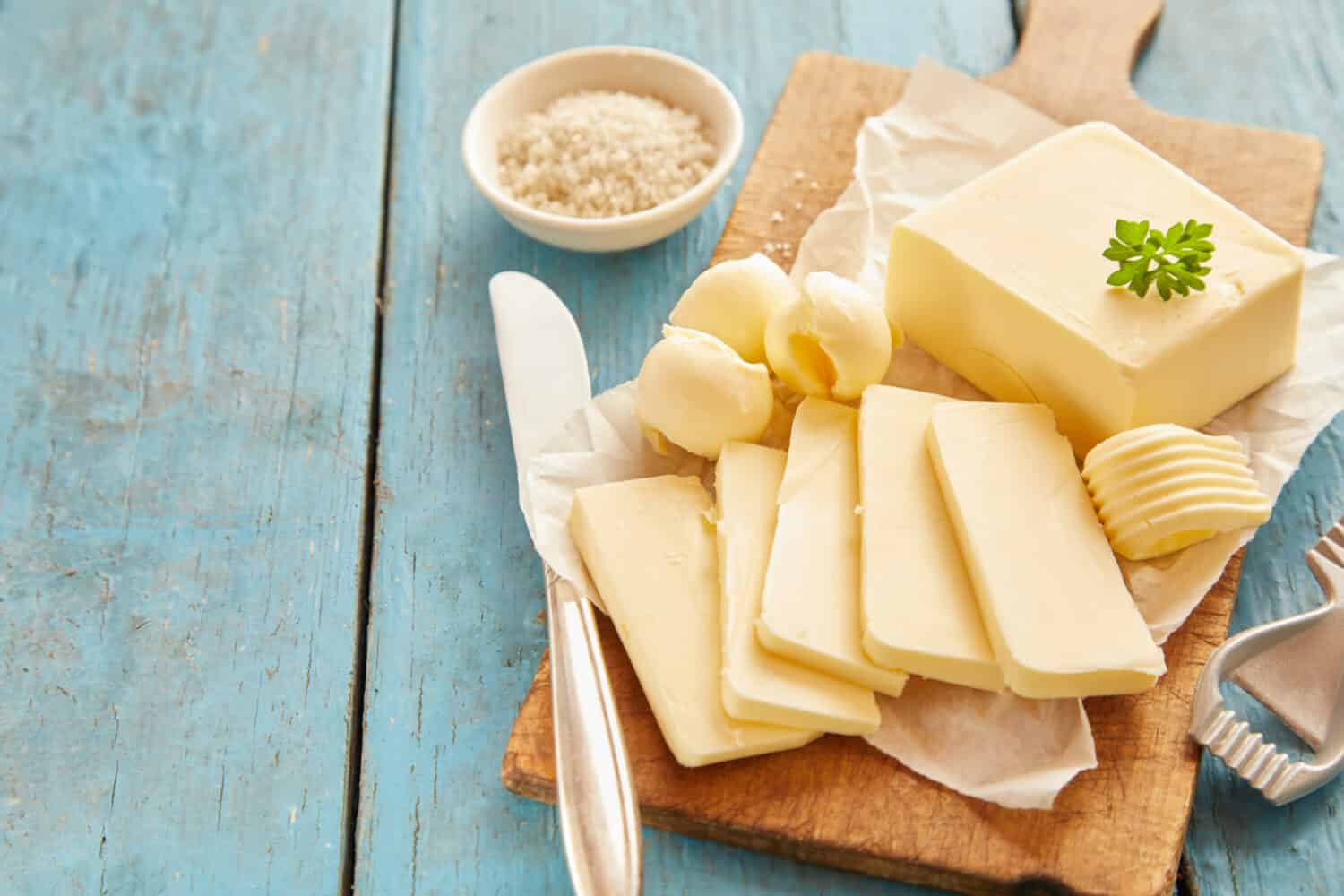
Most people would say a pound of butter is somewhere around $3. In reality, it has been going for $4 to $5 at most of the supermarkets, and in some even more. In 2025, the prices of dairy products decreased, but the price of butter remained high, especially compared to the prices before 2020.
If you bake often, you might want to recalculate how much a batch of cookies costs you now. The number might be uncomfortable.
Chicken Breast
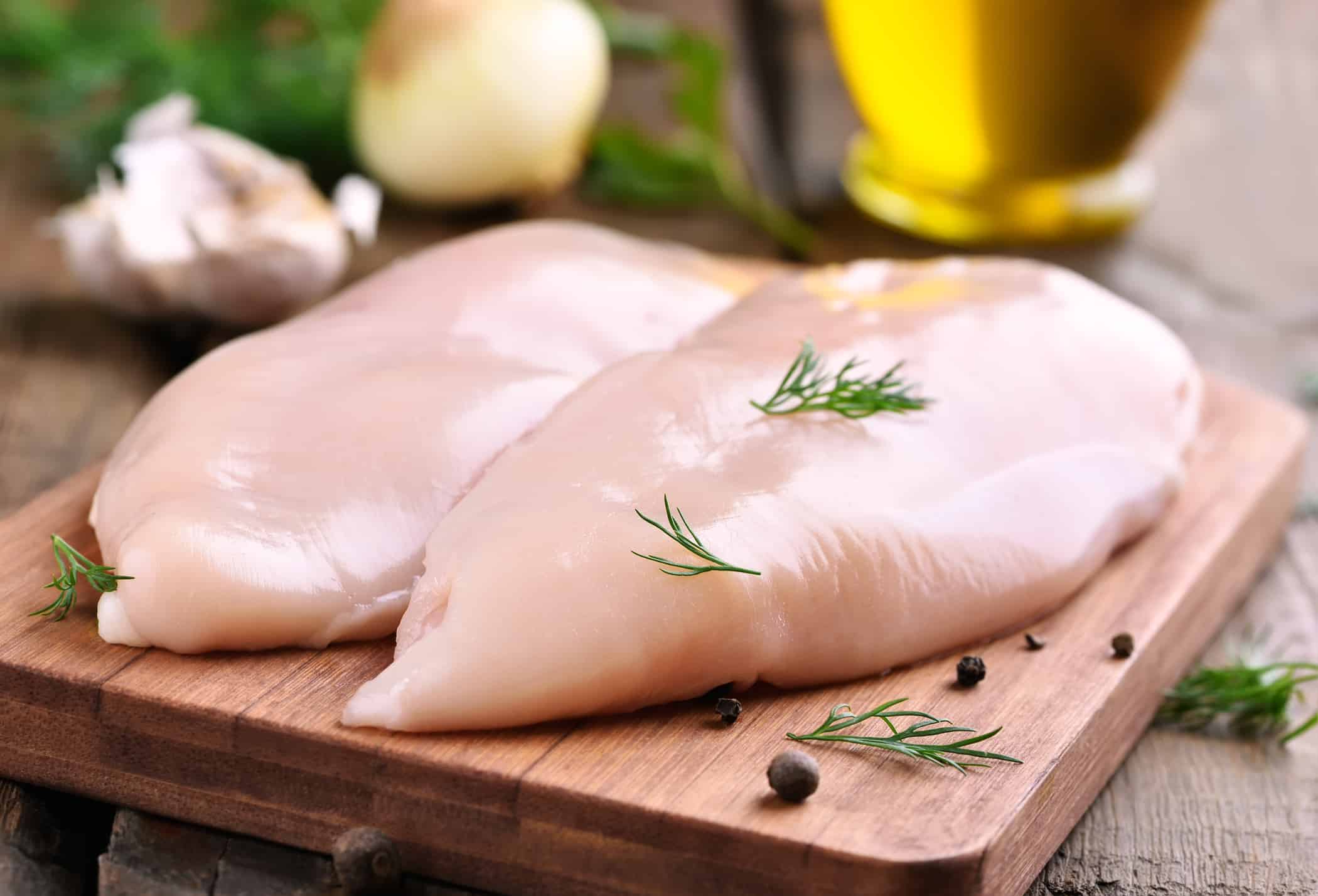
Chicken breast has always been an affordable source of protein, but most people still think it to be somewhere in the range of $3 to $4 per pound. Unfortunately, it’s not. The national average was estimated at $5.75 per pound in 2025, a growth of about 30 cents compared to the previous year. The chicken price was relatively stable compared to beef in 2026. Chicken is still the cheaper option. It's just not as cheap as you remember.
A Loaf of Bread
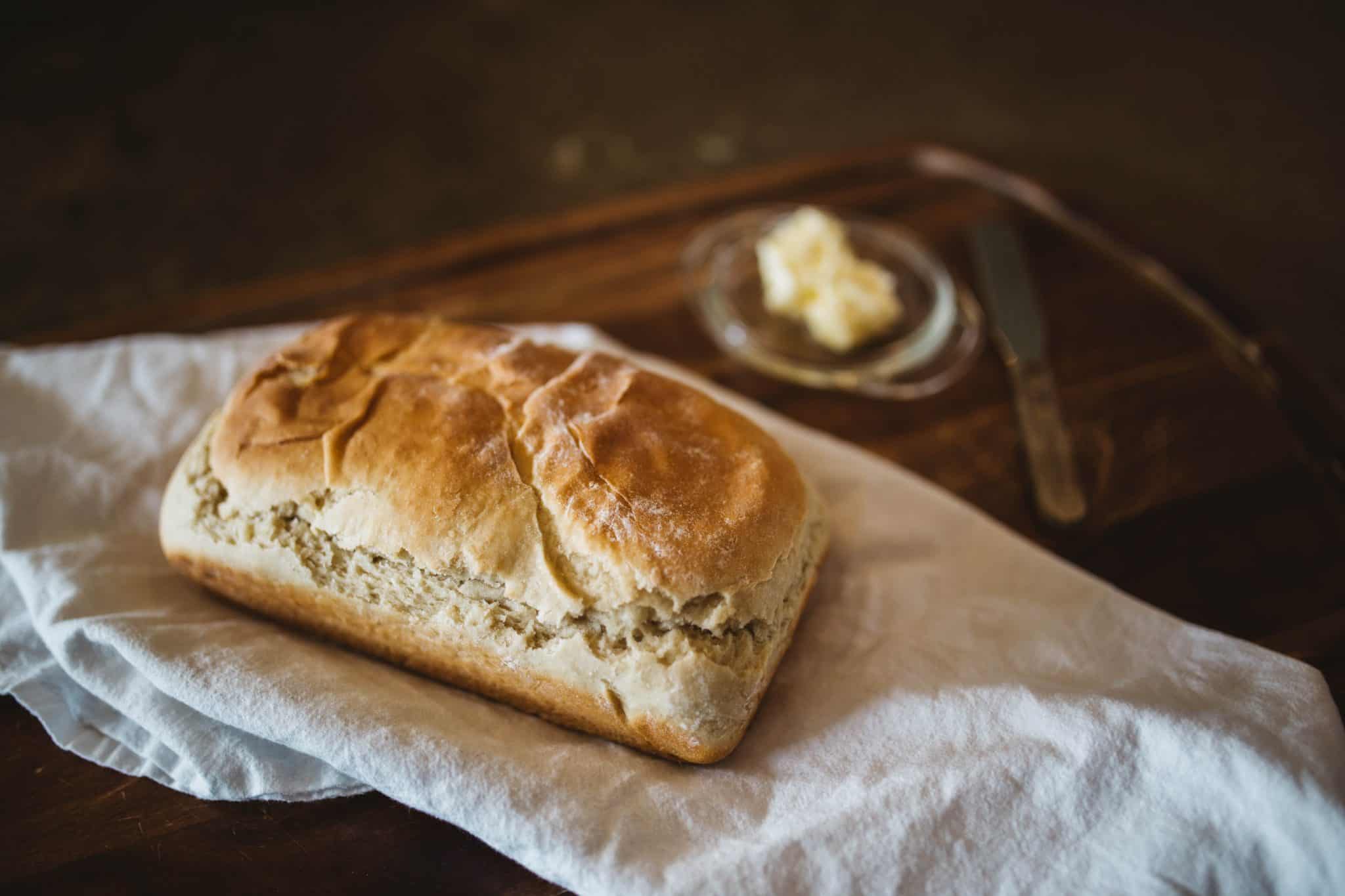
Bread feels like a $2 to $3 item. That mental price tag sticks around, but according to the national statistics, a standard loaf of white sandwich bread had already cost more than $3 by 2025. That’s a lot compared to $1.28 in 2019.The loaf has stayed the same size, though.
Bread prices track wheat costs closely. When those get more expensive, bread prices will automatically follow within weeks. Most people never connect those two things because they're not thinking about commodity markets at the bread aisle, but it’s still worth knowing.
Cooking Oil
Vegetable oil and canola oil are the kinds of things people throw in the cart without checking the price.
For instance, a 48-ounce bottle of vegetable oil in certain areas has more than doubled since 2019, from around $2.50 to over $5 to $6. Cooking oil prices soared during the Pandemic due to logistical problems. To make matters worse, sunflower oil shortages after the Russia-Ukraine war disrupted one of the world's largest suppliers. The price hasn't come back down to where it was.
It's the kind of item you buy every month or two and never consciously benchmark. That's exactly why the change is so significant. It stacks over time.
Canned Tuna
Canned tuna is cheap protein. A budget item that should be in everyone’s pantry. Probably $1 per can?
An average 5-oz can of name-brand tuna costs between $1.50 and $2.50. But the can has changed. In 1999, a can of StarKist contained 6.5 ounces of tuna. Now, the 5 oz can is standard, and you probably didn’t even notice. Same shelf placement, similar packaging, much less fish. If you're purchasing multipacks and haven't looked at the ounce count lately, you may be getting less than you think for the same price you've always paid.
Eggs
Given how many news stories there have been regarding the outrageous cost of eggs over the past few years, everyone is probably under the impression that eggs are still incredibly expensive. They’re not. Eggs are the oddball on this list.
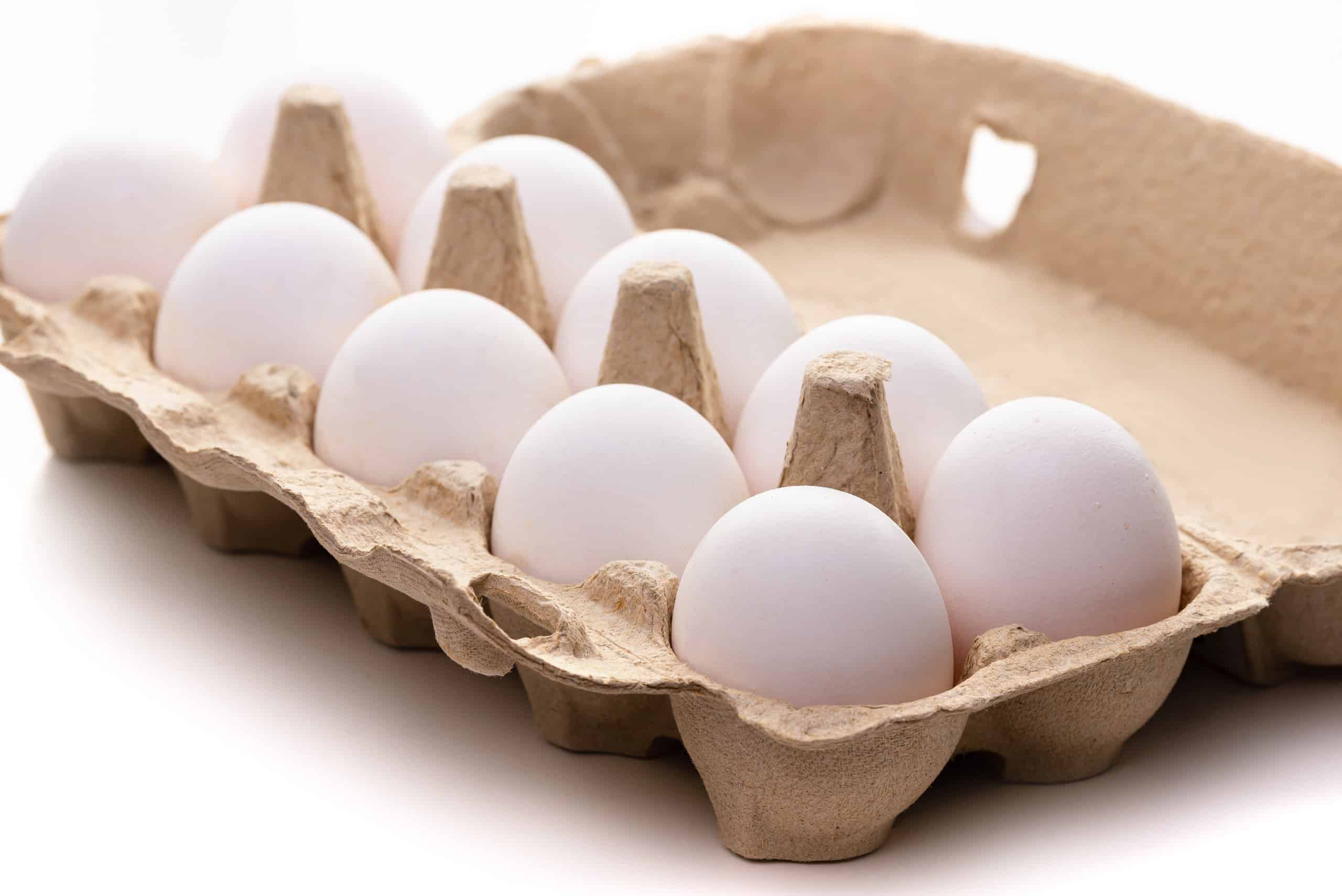
Prices for eggs in retail stores fell 39% between April 2025 and April 2026, according to the USDA. After hitting a record high of $6.23 for a dozen Grade At the start of 2025, avian flu cases were widespread, causing a reduction in laying birds. But the pandemic has died down, and retail egg prices have declined significantly.
Eggs are still not as affordable as they were in 2019, and prices do vary widely depending on the location, but it looks like the outrageous prices we saw at the start of 2025 have come back to close to normal. If you've been avoiding eggs for being too expensive, it's worth a fresh look.
Ground Coffee
If you're like me, you need your coffee, regardless of where the price sits, but that doesn't mean you shouldn't notice the difference.
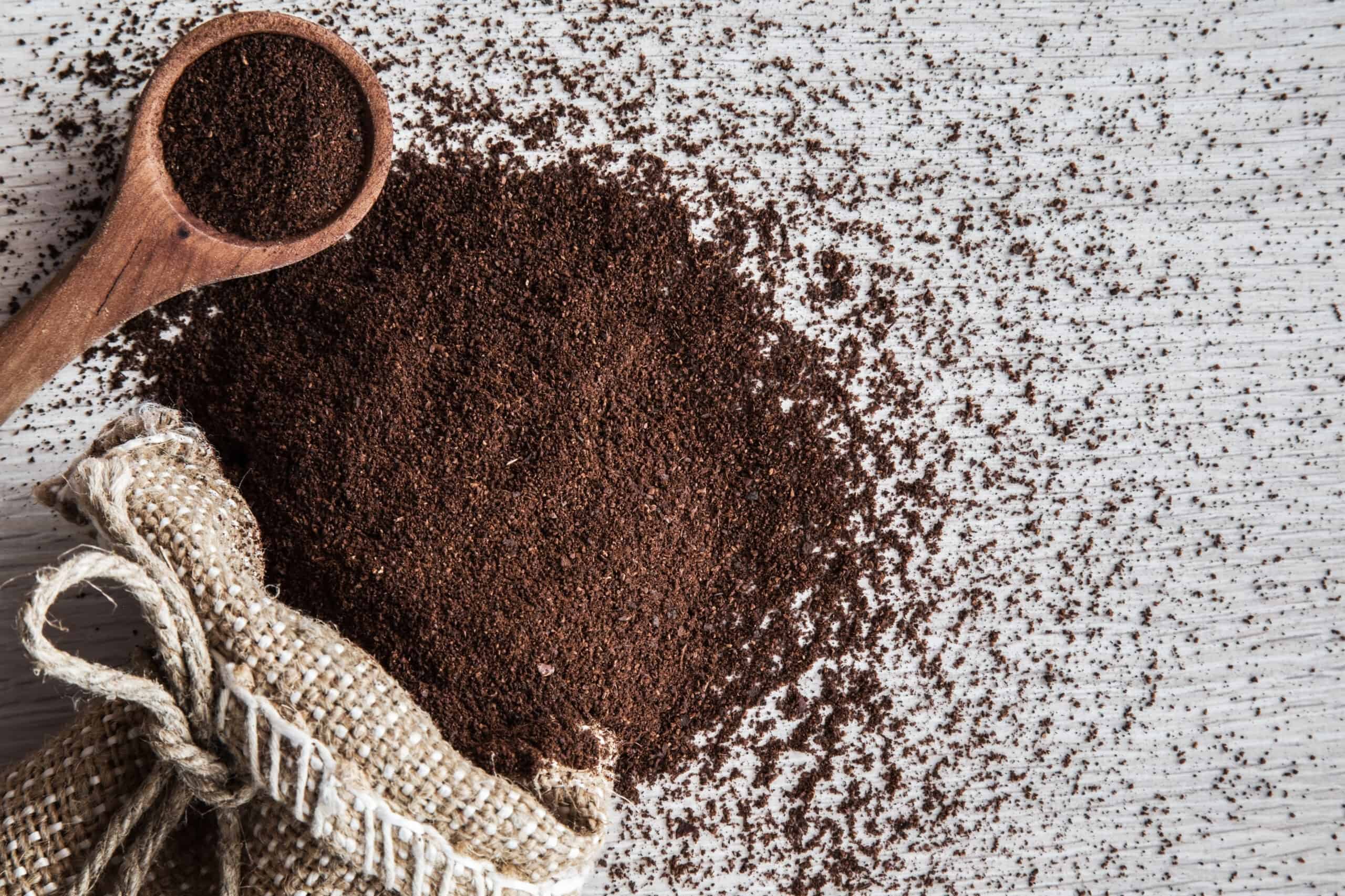
A 12-ounce bag of coffee that used to cost $8 back in 2022 has risen to $11 to $14, and even more for certain premium brands. The price increase is mostly due to weather conditions that affected the world's largest Arabica producer in Brazil. Arabica prices are expected to ease through the rest of 2026 as Colombian production recovers, so there may be modest relief ahead.
Shrinkflation hit here, too. Coffee packages have quietly dropped from 12 ounces to 10.5 ounces across several popular brands, without any decrease in price and sometimes with a price increase.
The image featured at the top of this post is ©Rimma Bondarenko/Shutterstock.com