








15 of the Worst Product Recalls in Modern History
Product recalls are meant to stop dangerous items from causing more harm, but some arrive only after the damage is impossible to ignore. From defective airbags and contaminated food to unsafe medicine, exploding phones, and deadly nursery products, these crises caused deaths, illnesses, injuries, and billions of dollars in losses. Some were formal recalls, while others were emergency market withdrawals or government-ordered buybacks. Together, they changed safety rules, corporate accountability, and the products consumers trust. Here are 15 of the most serious recalls in modern history.
Takata Airbags: The Largest Auto Recall in U.S. History
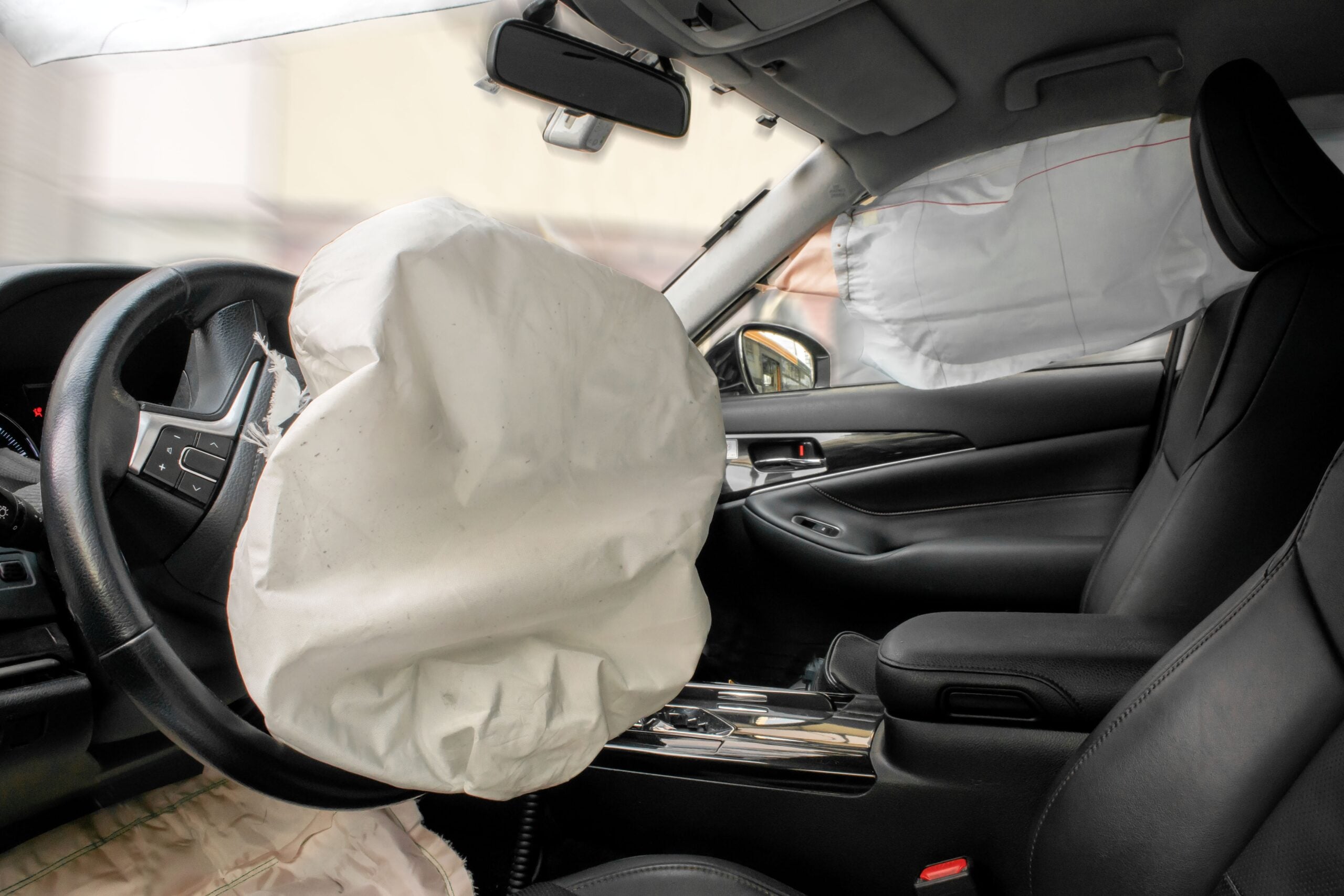
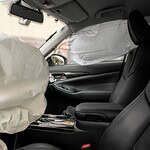
Takata airbag inflators could rupture during a crash and spray metal fragments into drivers and passengers instead of protecting them. Heat, humidity, and age made the ammonium-nitrate propellant more likely to break down. Roughly 67 million inflators were recalled in the United States across dozens of vehicle brands, making it the country’s largest and most complicated automotive recall. NHTSA has confirmed 28 U.S. deaths and at least 400 alleged injuries linked to the defect, while millions of affected vehicles remained unrepaired years after the first recalls began.
GM Ignition Switches That Could Shut Cars Off
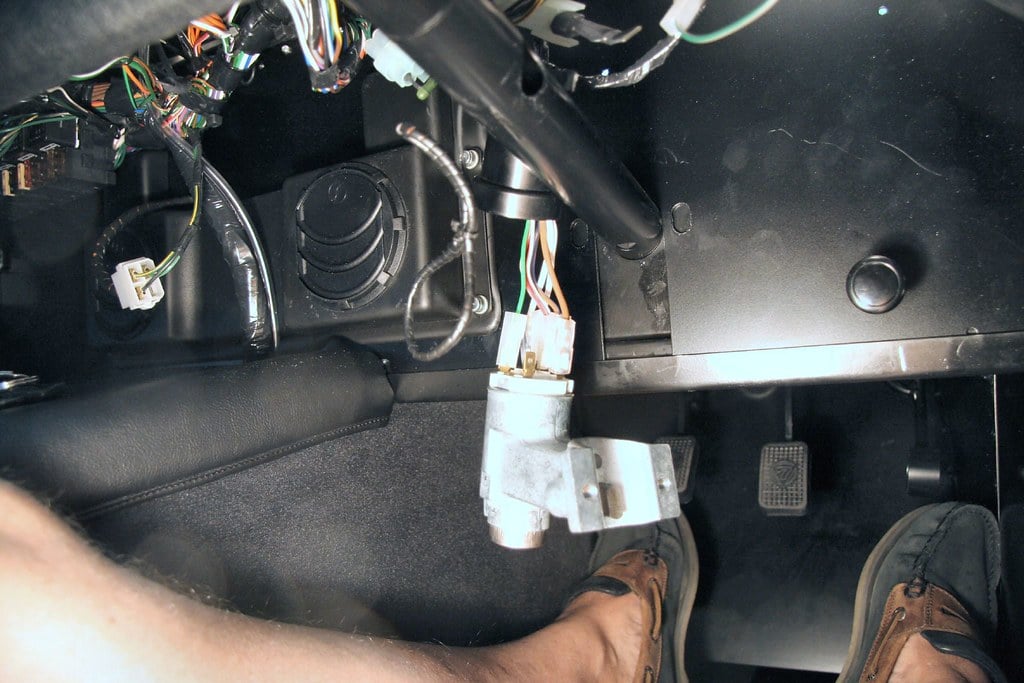
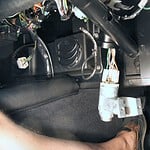
General Motors recalled about 2.19 million U.S. vehicles after discovering that their ignition switches could slip out of the “run” position, especially when heavy keychains or rough roads added pressure. The sudden movement could shut off the engine and disable power steering, power brakes, and airbags while the car was moving. Federal prosecutors said GM concealed the defect and misled regulators and consumers, and the company paid $900 million under a deferred prosecution agreement. At that point, GM had acknowledged 15 deaths and numerous serious injuries caused by the faulty switches.
Firestone Tires and the Ford Explorer Crisis
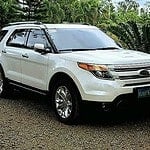
In 2000, Firestone began recalling millions of ATX, ATX II, and Wilderness AT tires after reports that the tread could separate, often at highway speeds. Many of the tires were installed on Ford Explorers, vehicles that could roll over when a tire failed and the driver lost control. NHTSA later linked recalled or closely related tires to 192 deaths and more than 500 injuries in complaint data available by September 2001. The crisis damaged both Firestone and Ford, triggered congressional hearings, and helped lead to stronger federal reporting requirements for vehicle defects and tire safety problems.
Volkswagen’s Diesel Emissions Recall and Buyback
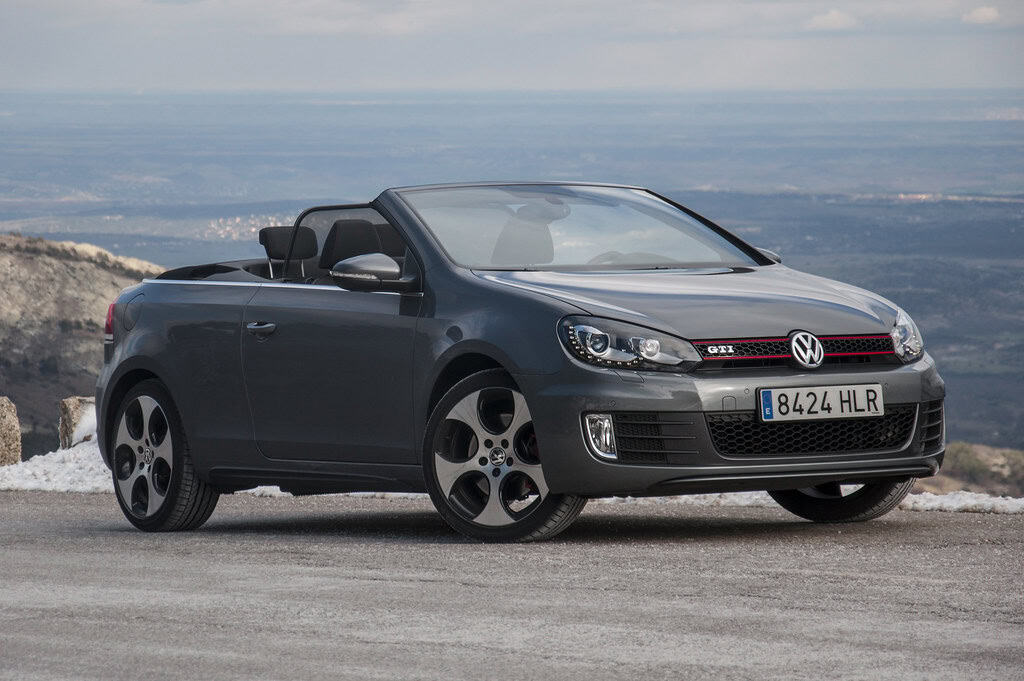
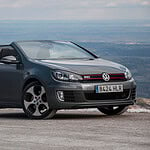
Volkswagen installed software in certain diesel vehicles that could recognize emissions testing and temporarily reduce pollution readings. During normal driving, some cars emitted nitrogen oxides far above legal limits. The EPA says approximately 590,000 U.S. vehicles from model years 2009 through 2016 contained prohibited defeat devices. The resulting settlements included recalls, repairs, vehicle buybacks, environmental mitigation, and investments in zero-emission technology. Volkswagen’s 2.0-liter consumer program alone was estimated to cost as much as $10.03 billion, making Dieselgate one of history’s costliest automotive scandals.
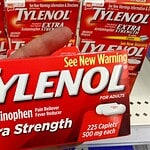
The Tylenol Poisonings That Changed Packaging Forever
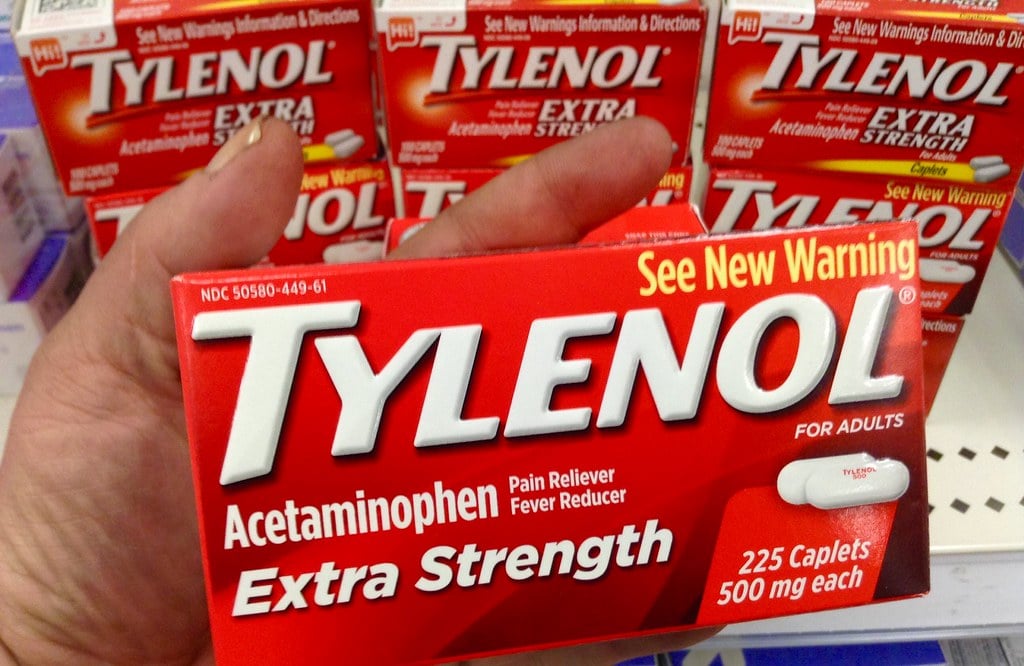
In 1982, seven people in the Chicago area died after taking Extra-Strength Tylenol capsules that had been deliberately contaminated with cyanide after leaving the manufacturer. Although the poisonings were an act of tampering rather than a factory defect, Johnson & Johnson pulled Tylenol capsules nationwide and urged consumers not to use them. The case transformed how medicines are packaged and sold. Federal rules soon required tamper-resistant packaging for many over-the-counter drugs, and Congress made malicious product tampering a federal crime. The killer was never identified, but the safety changes remain visible today.
Vioxx and a Blockbuster Drug’s Sudden Withdrawal
Merck withdrew the painkiller Vioxx from the global market in September 2004 after a clinical trial found an increased risk of serious cardiovascular events among long-term users. About 2 million people were taking the drug when sales stopped. An FDA safety official later estimated that Vioxx may have contributed to 88,000 to 139,000 excess heart attacks or sudden cardiac deaths in the United States, although that was a statistical estimate rather than a confirmed case count. Merck later paid roughly $950 million to resolve federal criminal and civil allegations involving its marketing and statements about the drug’s safety.
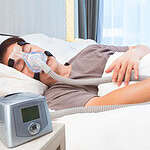
Philips CPAP Machines and Crumbling Foam
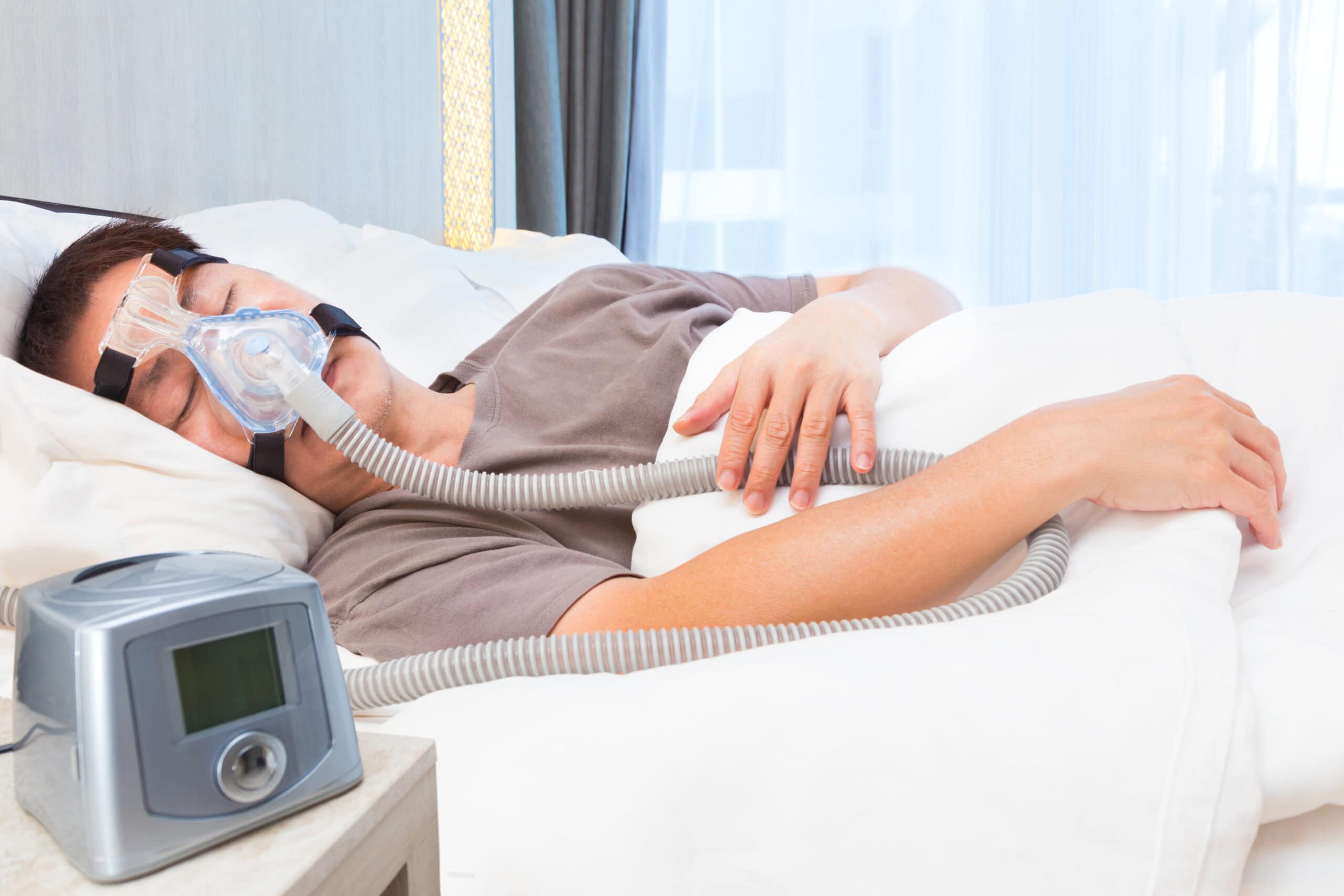
Philips recalled millions of CPAP, BiPAP, and ventilator devices in 2021 because sound-reducing foam inside the machines could break down. Particles or chemicals from the foam could enter the device’s air pathway and potentially be inhaled or swallowed by patients who depended on the machines to breathe or sleep safely. The FDA later said the recall affected about 15 million devices worldwide. By early 2024, it had received more than 116,000 medical-device reports, including 561 reported deaths associated with foam breakdown. The agency cautioned that such reports do not by themselves prove the devices caused every event.
Peanut Corporation of America’s Salmonella Outbreak
A Salmonella outbreak traced to Peanut Corporation of America products became one of the largest food recalls in U.S. history. CDC investigators identified 714 illnesses across 46 states, and the infection may have contributed to nine deaths. Peanut butter and peanut paste made at the company’s Georgia plant had been used as ingredients in cookies, crackers, pet treats, ice cream, and other foods, forcing recalls of more than 2,800 products. The company collapsed, and former owner Stewart Parnell later received a 28-year federal prison sentence for knowingly shipping contaminated products and obstructing the investigation.
Jensen Farms Cantaloupes and a Deadly Listeria Outbreak
In 2011, whole cantaloupes from Jensen Farms in Colorado were linked to one of the deadliest foodborne outbreaks in recent U.S. history. The CDC recorded 147 illnesses in 28 states, including 33 deaths and one miscarriage. Nearly every patient with available information required hospitalization. Investigators found conditions at the packing facility that allowed Listeria monocytogenes to contaminate the fruit, including difficult-to-clean equipment and pooled water. The cantaloupes were recalled, the farm filed for bankruptcy, and the outbreak showed that even produce with a protective rind can carry deadly bacteria into the home.
The Recall of Roughly 500 Million Eggs
Two Iowa egg producers recalled roughly 500 million shell eggs in 2010 after a nationwide Salmonella Enteritidis outbreak. The CDC estimated that about 1,939 reported illnesses were likely associated with the outbreak, although many salmonella infections are never diagnosed or reported. Investigators found serious sanitation and pest-control problems at the farms, including widespread rodent activity. Because the eggs had been distributed under numerous brand names and packed in many different cartons, consumers and retailers faced a confusing recall. The episode intensified scrutiny of large-scale egg production and enforcement of federal egg-safety rules.
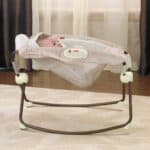
Fisher-Price Rock ’n Play Sleepers
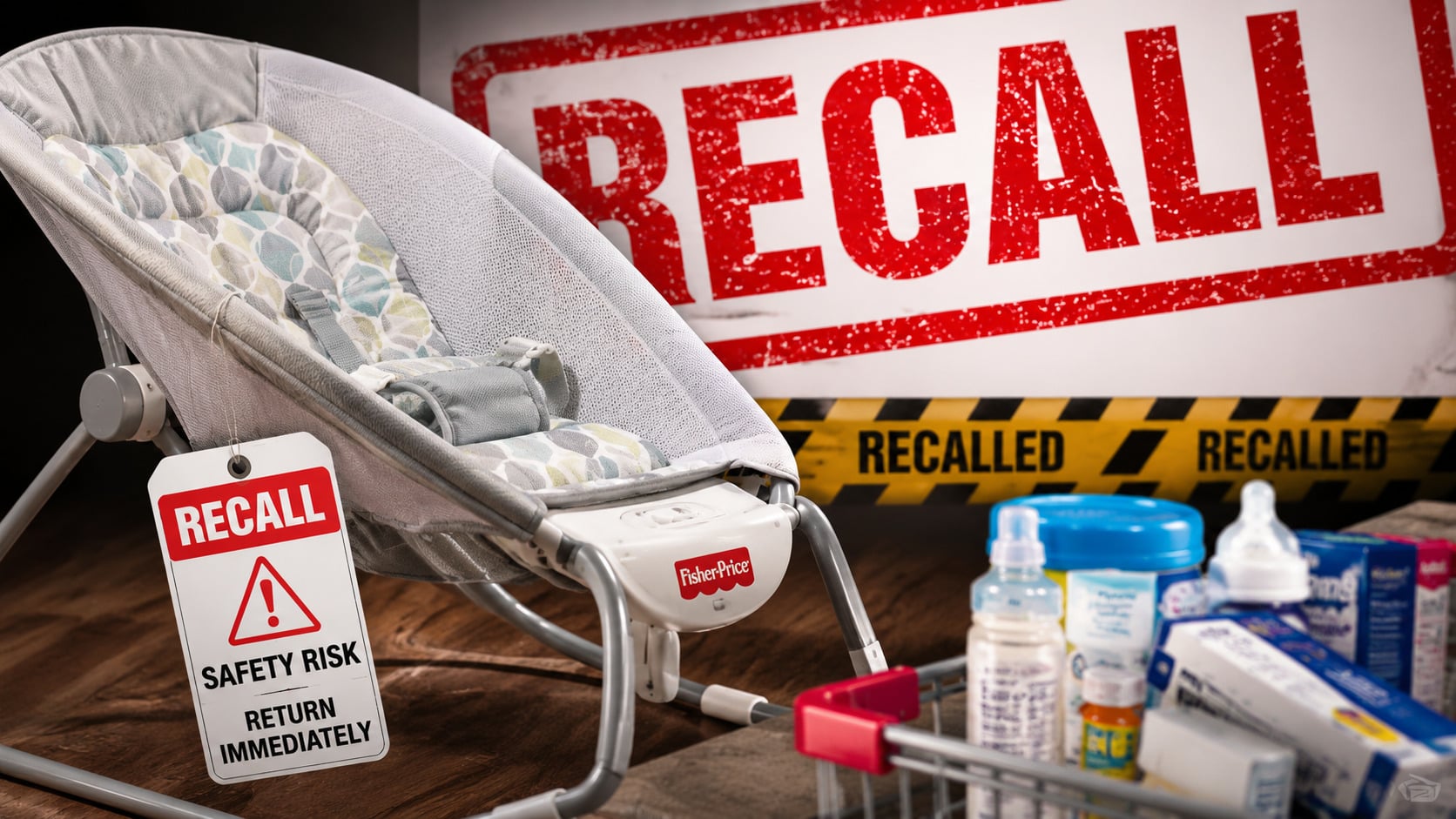
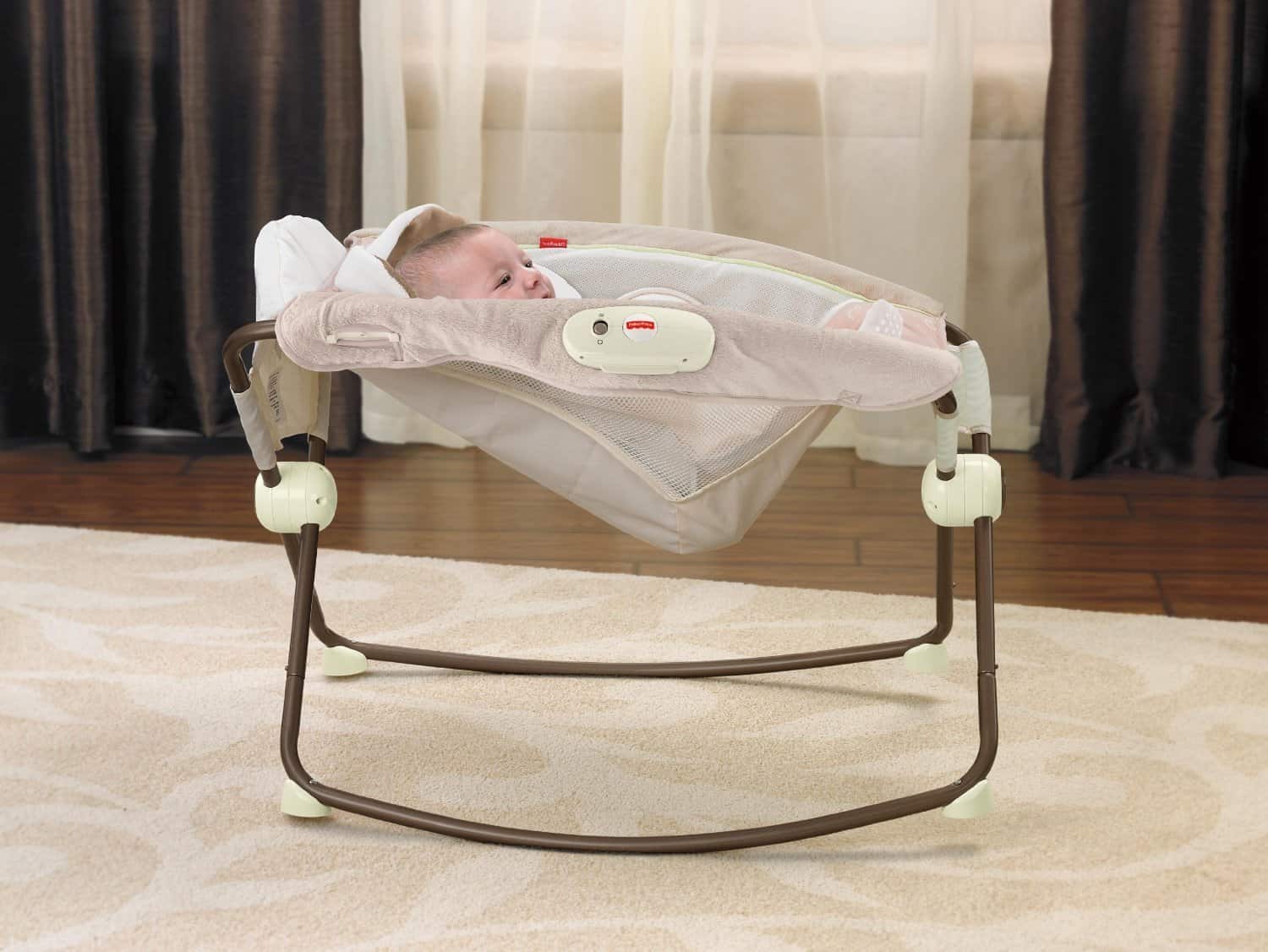
Fisher-Price recalled approximately 4.7 million Rock ’n Play Sleepers in 2019 after reports of infant deaths in the inclined products. The sleepers positioned babies at an angle and included restraints, but infants could roll from their backs onto their stomachs or sides and become unable to breathe. When the CPSC reannounced the recall in 2023, it said about 100 deaths had reportedly occurred while infants were in the products, including incidents after the original recall. The company noted that some reports could not be confirmed or involved unclear circumstances, but regulators continued urging families to stop using the sleepers immediately.
IKEA Dressers That Could Tip Over on Children
IKEA recalled 17.3 million MALM and other chests and dressers in the United States because unstable furniture could tip over and trap or crush children when it was not securely anchored to a wall. The CPSC’s updated recall notice cited eight child deaths involving recalled dressers. It also described hundreds of tip-over reports and more than 140 injuries involving MALM and other IKEA units. The recall became a stark example of how ordinary household furniture can become deadly in seconds. It also accelerated campaigns encouraging parents to anchor dressers, televisions, and other heavy furnishings before young children can climb on them.
Samsung Galaxy Note7 Phones That Caught Fire
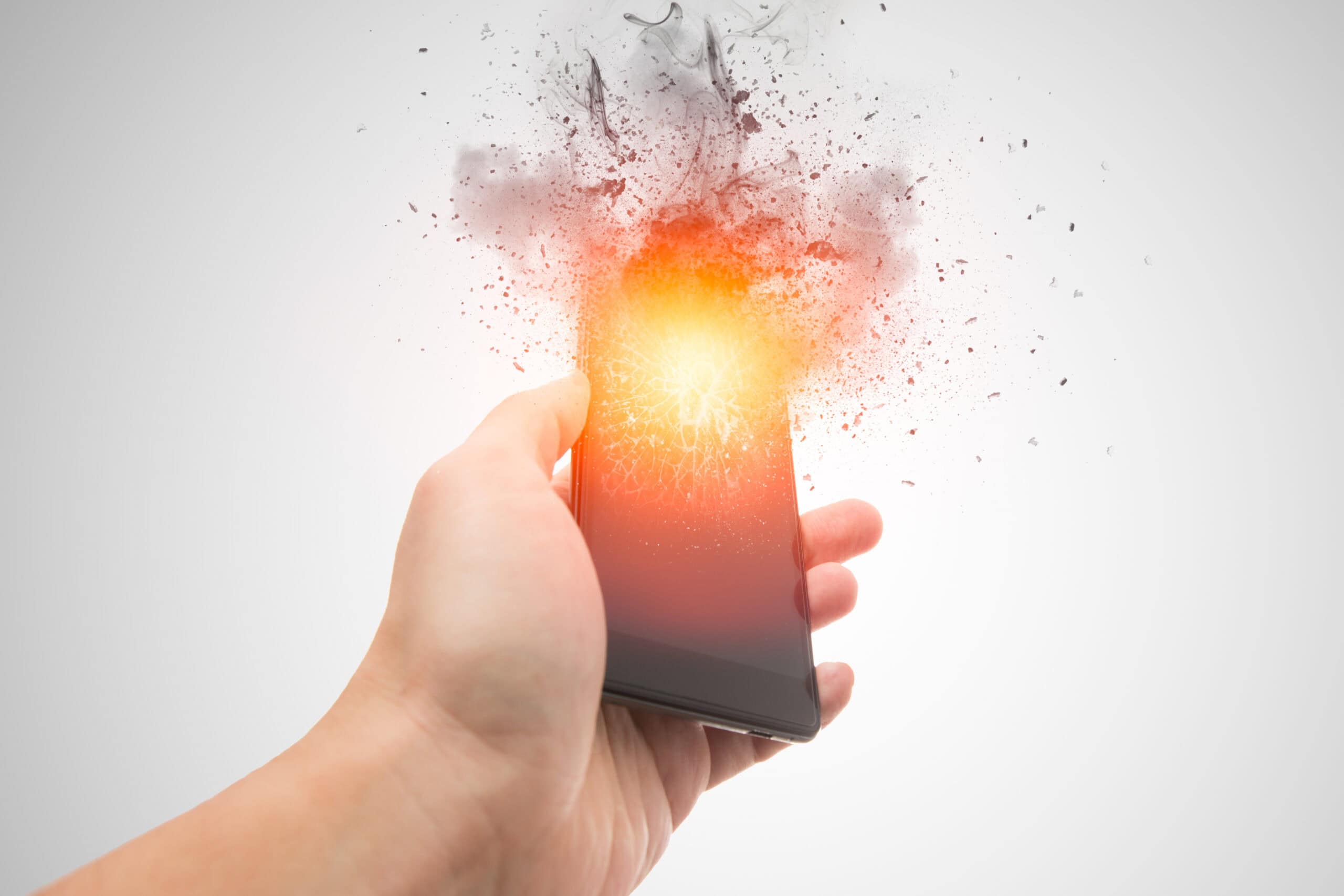
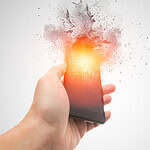
Samsung’s Galaxy Note7 launch collapsed after lithium-ion batteries in the phones overheated, burned, and sometimes exploded. The company first recalled the original devices and offered replacements, but some replacement phones also caught fire. The CPSC ultimately expanded the recall to about 1.9 million U.S. phones. At the time of the expanded action, Samsung had received 96 reports of overheating batteries in the United States, including 13 burn injuries and 47 reports of property damage. Airlines banned the phones from flights, Samsung ended production, and the costly failure became a defining warning about battery quality control in consumer electronics.
Kidde Fire Extinguishers That Could Fail in an Emergency
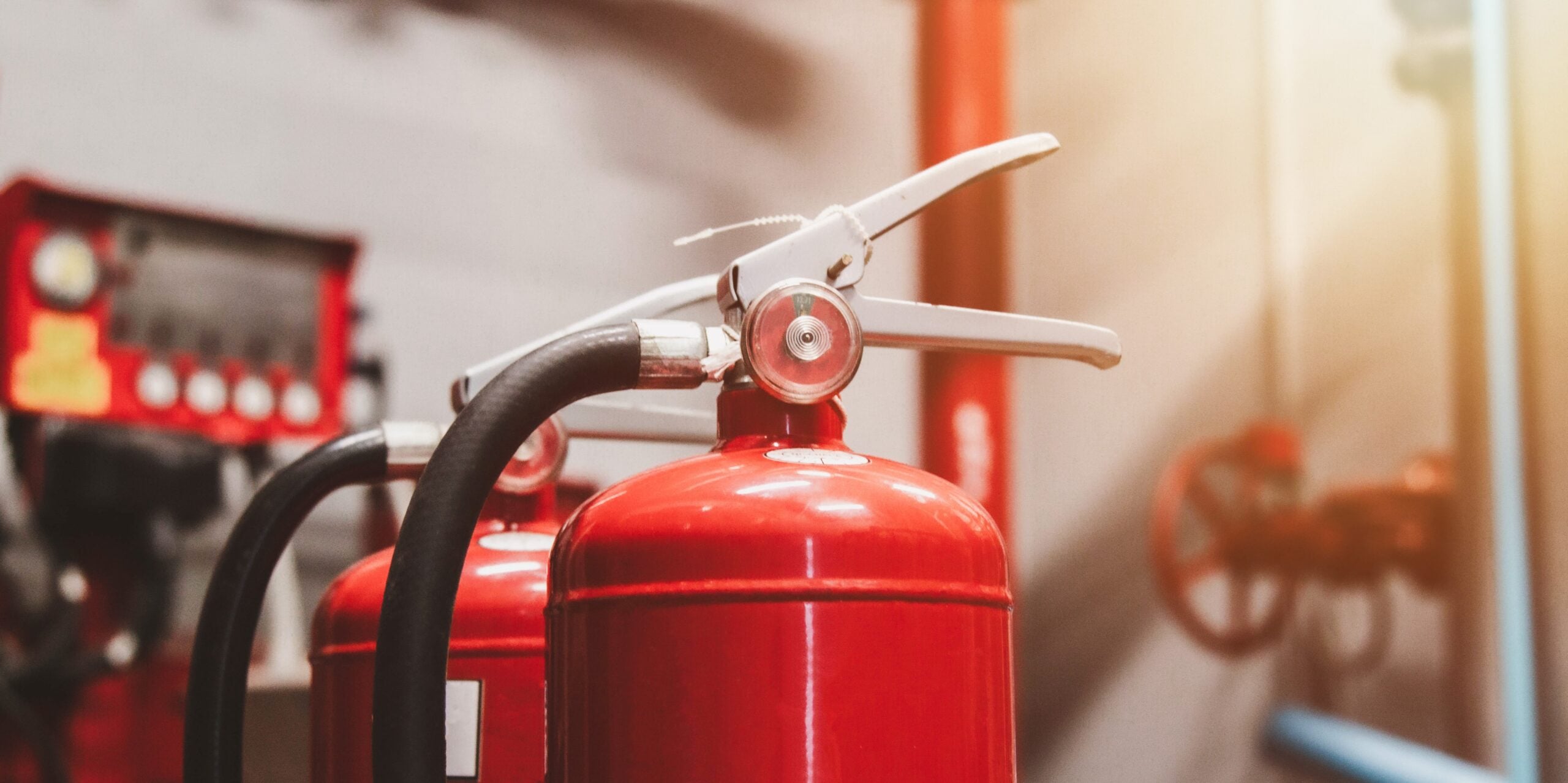
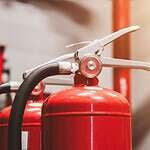
A safety product became the source of danger when Kidde recalled about 37.8 million fire extinguishers in the United States in 2017. Plastic handles and nozzles could clog, detach, or fail to discharge when someone needed the extinguisher most. The CPSC received approximately 391 reports of malfunctioning units, including one death involving a car fire, 16 injuries, and 91 reports of property damage. Some affected extinguishers dated back to the 1970s and had been sold under more than 130 model names. The huge recall underscored why emergency equipment must be checked regularly rather than assumed to work forever.
Hoverboards That Overheated and Started Fires
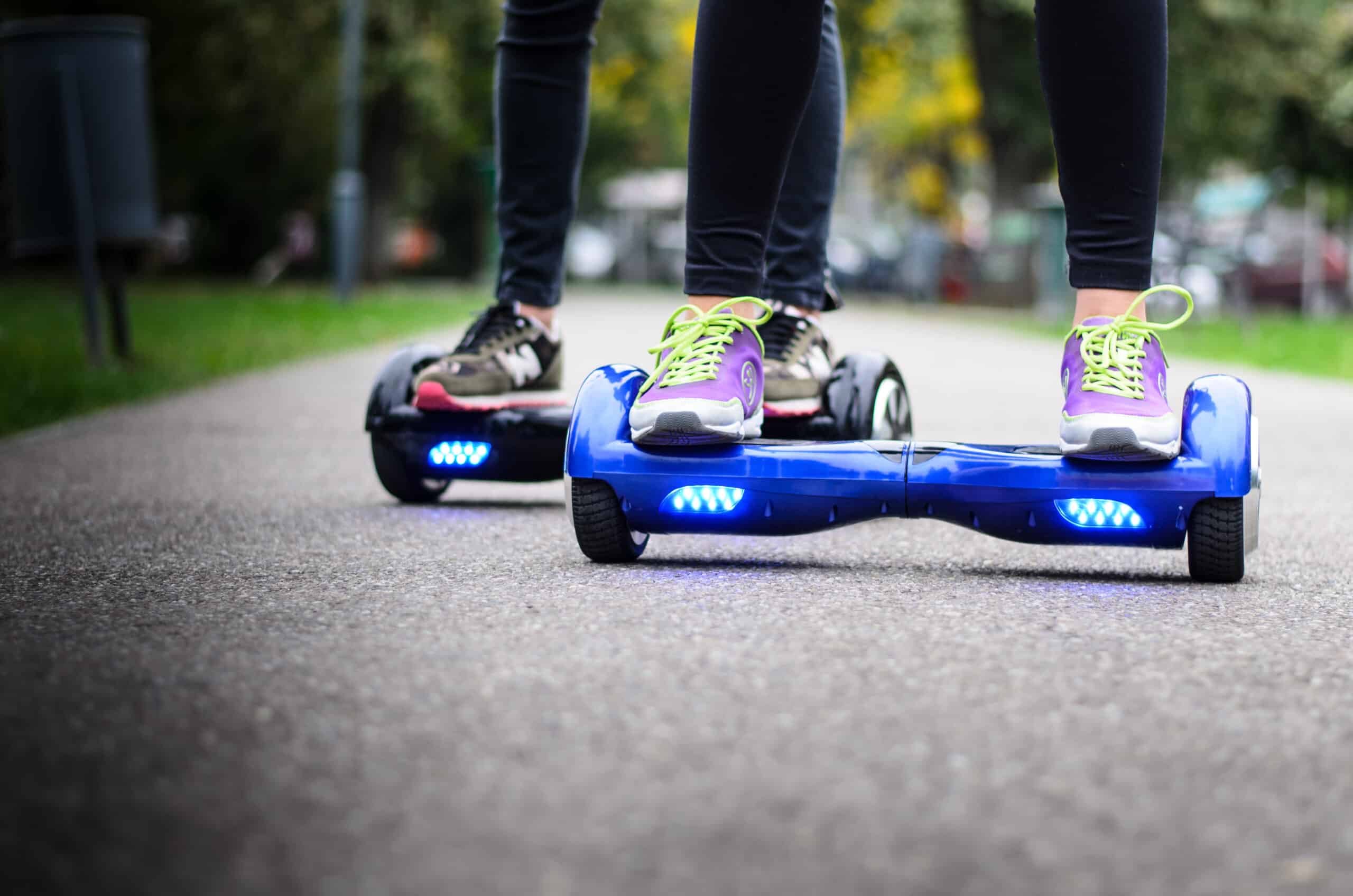
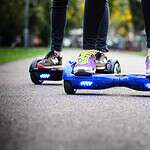
The hoverboard craze led to a wave of house fires, burns, and property damage as poorly designed lithium-ion battery packs overheated or ignited. In July 2016, the CPSC announced recalls covering about 501,000 self-balancing scooters sold by 10 companies after receiving at least 99 reports of batteries sparking, smoking, catching fire, or exploding. Later incidents showed that the danger did not disappear with the first recall. A hoverboard was blamed for a 2017 Pennsylvania house fire that killed two young sisters. The crisis pushed retailers, airlines, and safety laboratories to demand stricter battery and electrical certification.