







The Risk of Salmonella Is High If You Eat These 5 Foods, According to the CDC
There are generally two types of people in the world: those who are unconcerned with food safety guidelines and those who ensure every piece of meat they cook is well beyond the recommended safe temperature. While there are many ways to prevent yourself or your family from getting sick, it's essential to be aware of the types of food that may put you at a greater risk, especially when it comes to serious health concerns like Salmonella.
Food that is contaminated with Salmonella bacteria can make any individual extremely ill. Although nearly any food could contain this bacteria, it's most common with certain food items. That doesn't mean you shouldn't purchase or cook these foods, but it's incredibly important to practice food safety when handling them at home. Here's everything you need to know about Salmonella and the foods that are most at risk.
This post was updated in March 2026 to include updated information about the risk of Salmonella and additional editorial enhancements.
What Is Salmonella?
Salmonella is a type of bacteria that can cause food poisoning if consumed. In fact, Salmonella is one of the leading causes of bacterial foodborne illness in the U.S., with about 1.35 million infections reported every year, according to the CDC.
Anyone can become infected after consuming Salmonella bacteria, whether from eating contaminated food or drinking contaminated water. Infection is also common among those who work with live animals.
What Are the Symptoms of Salmonella?
Although Salmonella is a type of bacteria, it's also the name used for Salmonella poisoning. Salmonella poisoning is what happens if you become sick with Salmonella bacteria. Another name for this infection is salmonellosis. If this infection occurs, the symptoms may include:
- Diarrhea
- Stomach cramps
- Fever
- Nausea and vomiting
- Headache
Not everyone who has Salmonella poisoning seeks medical help, so it's difficult to know how many infections go undetected each year. If you have severe diarrhea or you're at higher risk of complications, it's best to seek medical attention.
Who Is Most at Risk?
No matter how healthy you are, Salmonella bacteria could make you extremely ill. However, like most infections, some individuals are more susceptible to serious illness. The individuals most at risk include:
- Children under 5-years-old (especially those under 1-year-old)
- Adults with chronic health conditions
- Adults over 65
- Any individual with a weakened immune system
- Those who frequently travel internationally
For those who are pregnant, Salmonella infection can be dangerous as well, and it can be passed to an unborn baby during pregnancy.
Salmonella and Pregnancy
There are many changes to your immune system during pregnancy. In many ways, these changes are to protect you and your baby, but they can make you more susceptible to certain illnesses.
Salmonella can be dangerous during pregnancy, not only because it can pass to the baby, but also because it can cause problems such as dehydration, meningitis, and reactive arthritis.
Foods Most at Risk
Technically, any food could become contaminated with Salmonella bacteria, but certain foods are most at risk. Here are the foods most commonly associated with Salmonella poisoning.
Poultry
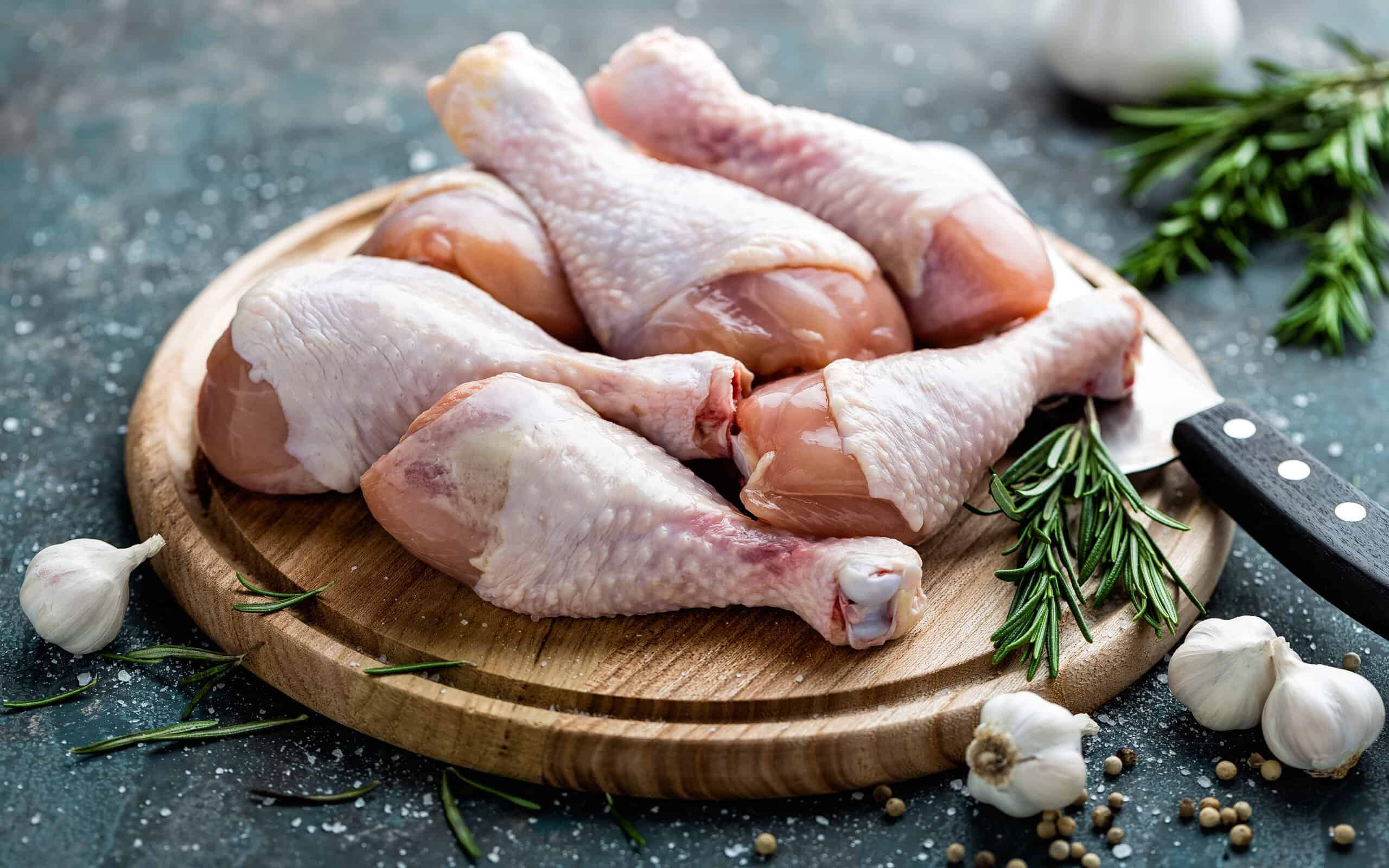
Poultry is the first mentioned because it's a major cause of Salmonella poisoning. This includes chicken and turkey, with chicken being one of the most common sources of infection. According to the CDC, approximately 1 in 25 packages of chicken at the grocery store may be contaminated with Salmonella, based on recent estimates.
Meat
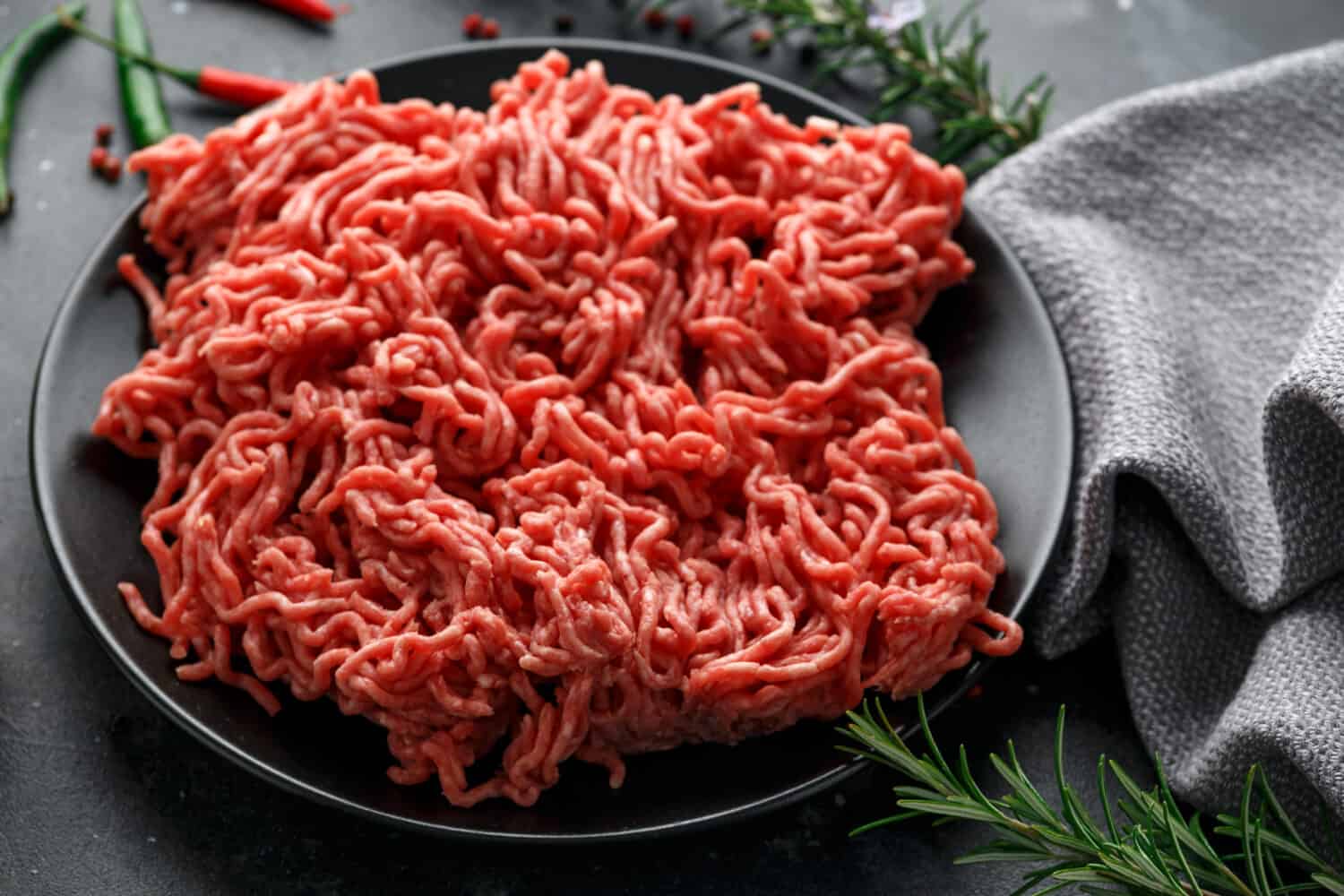
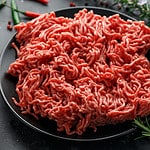
Aside from poultry, many of the Salmonella infections come from meat such as beef or pork. Like poultry, this is why proper cooking and practicing food safety guidelines in the kitchen are so important.
Eggs
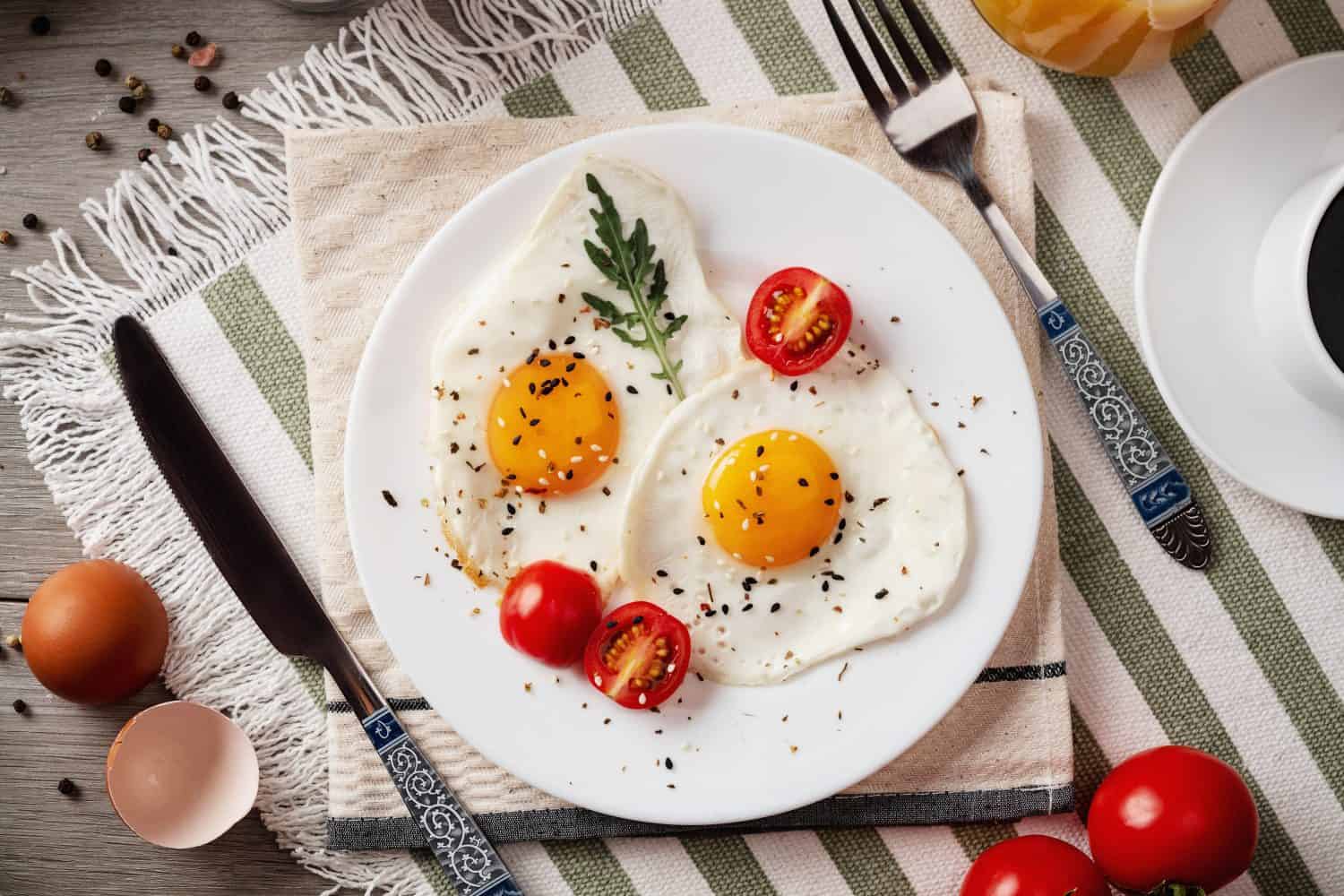
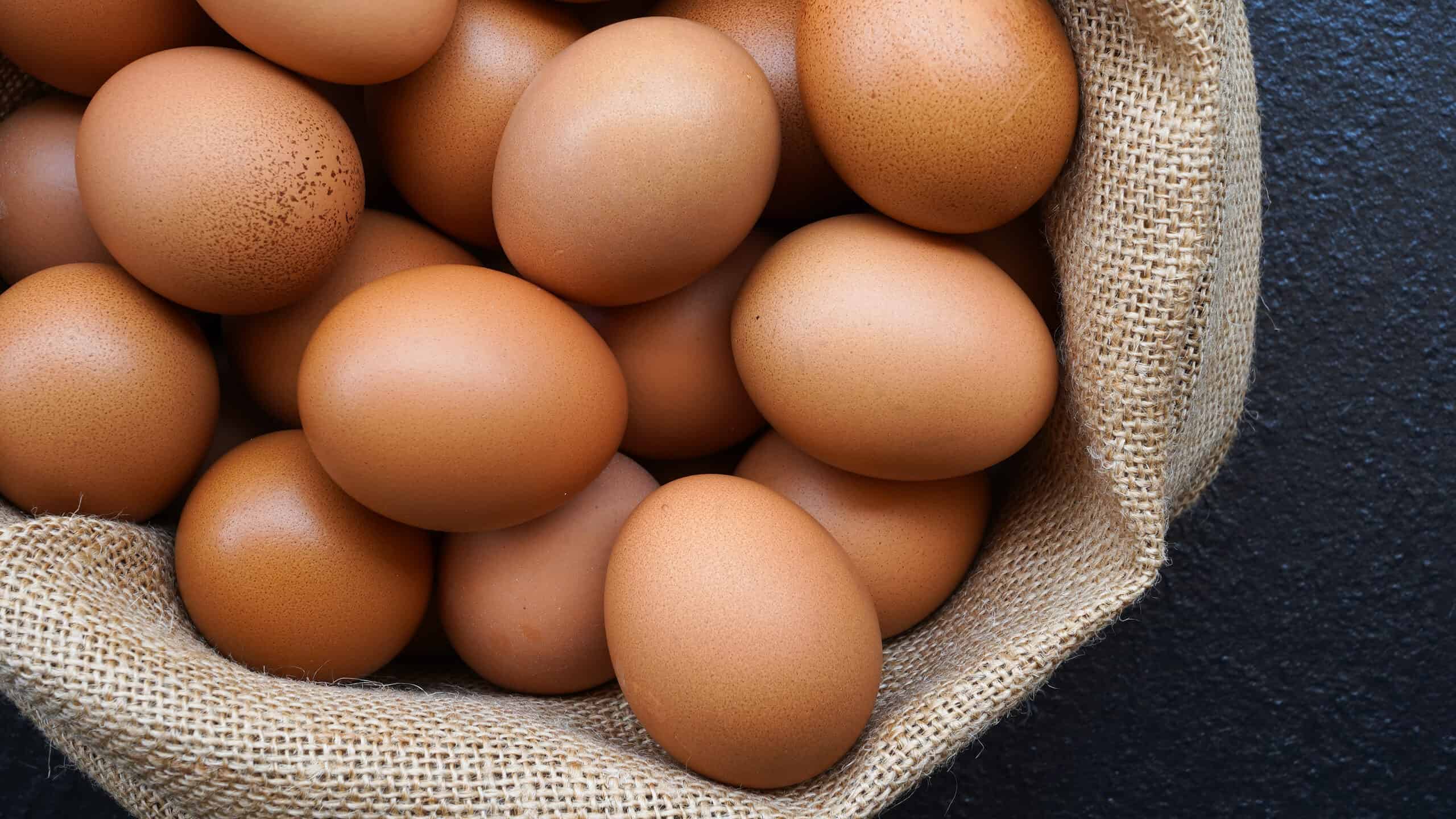
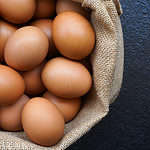
Eggs are another common source of Salmonella. This is especially true for raw or undercooked eggs, which is why undercooked eggs aren't recommended for those who are pregnant or susceptible to illness. Fortunately, pasteurized eggs are available in the US and are recommended for recipes that call for raw or undercooked eggs, as the pasteurization process destroys harmful bacteria like Salmonella. However, most shell eggs sold in grocery stores are not pasteurized.
Fruits
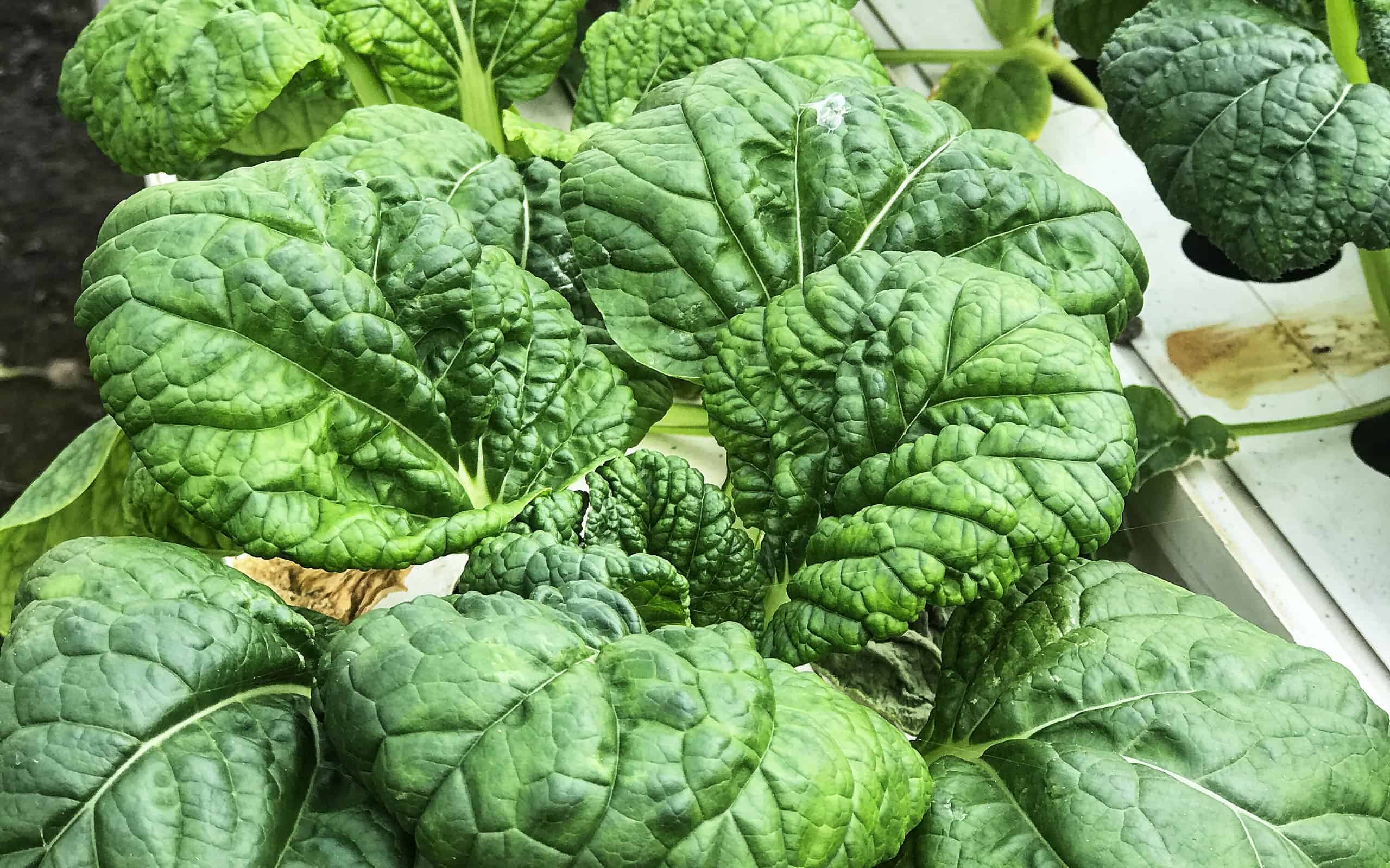
Salmonella is commonly associated with raw poultry and meat, but fresh fruit and vegetables can be contaminated as well. This can happen due to farming practices, contaminated water, or cross-contamination. Melons, especially cantaloupe, have been linked to recent Salmonella outbreaks, particularly when pre-cut.
Vegetables
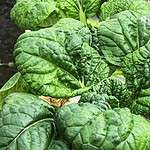
Vegetables can become contaminated in the same way as fruits, through contaminated water, cross-contamination, or even poor farming practices. Additionally, produce that is damaged or rotting may be more susceptible to bacteria. Leafy greens such as lettuce and spinach can be contaminated with Salmonella, though they are more commonly associated with E. coli outbreaks. Bagged salads can pose a risk if contaminated, especially due to moisture and handling.
How to Prevent Salmonella
Considering how many Salmonella infections occur in the United States every year, you're likely wondering how to prevent them in your home. Thankfully, there are many ways to reduce your risk of food poisoning, including the following tips from the CDC:
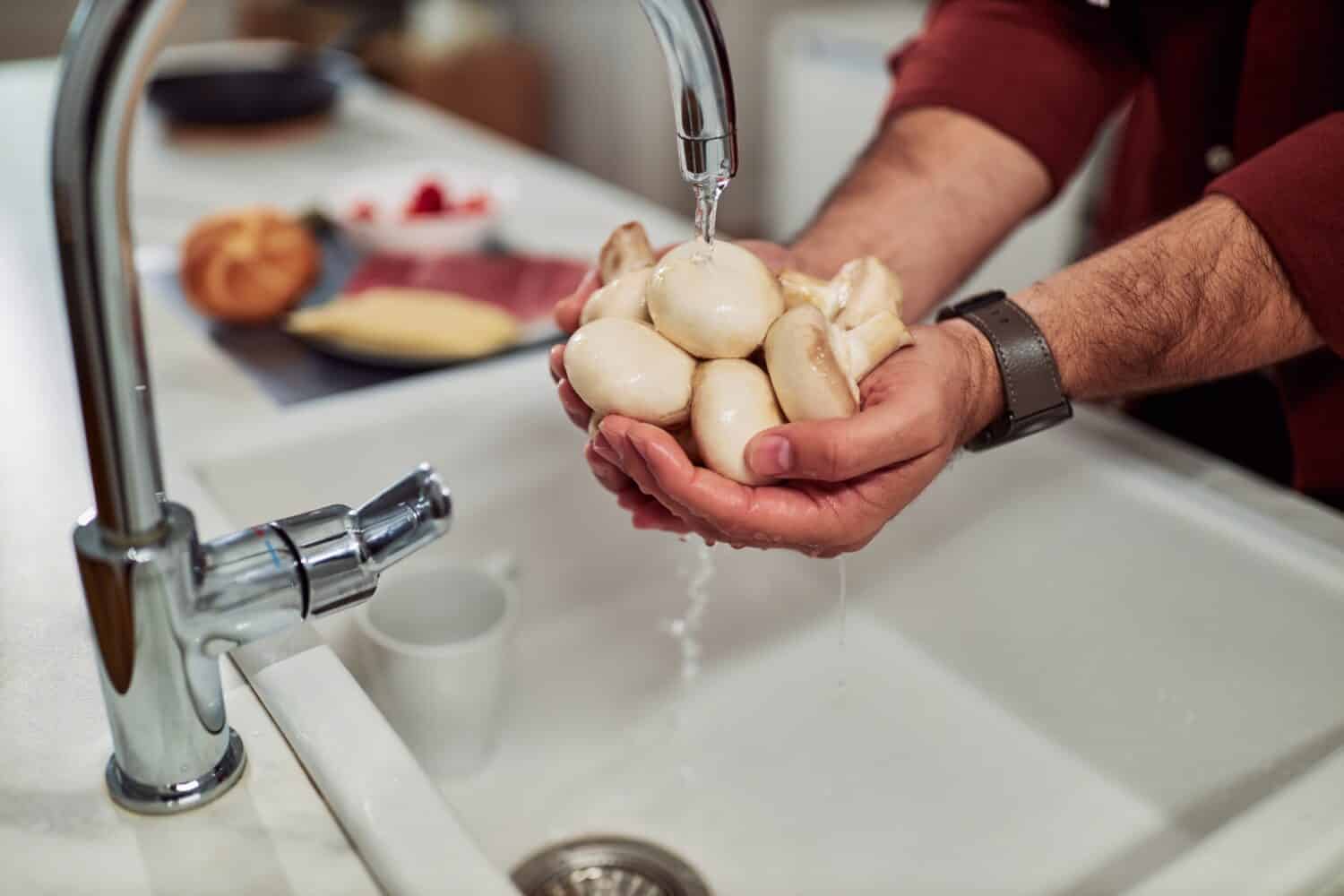
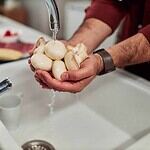
- Wash your hands: It may be simple, but washing your hands regularly is one of the best ways to prevent infection.
- Practice food safety: Salmonella bacteria can be killed with heat, which is why cooking food to the right temperature is essential.
- Be careful around animals: Since animals can carry Salmonella, be sure to wash your hands after touching them and before eating.
- Avoid unpasteurized products: The pasteurization process kills bacteria like Salmonella, so avoid unpasteurized dairy and juices to prevent infection.
- Don't drink the water: Water can become contaminated with Salmonella, so be mindful when you're swimming in pools or lakes not to drink the water.
The image featured at the top of this post is ©MaximT/Shutterstock.com