












Over 3,000 Pounds of This Seafood Product Were Recalled From Costco Due to Risk of Listeria
Food recalls are a common occurrence in the U.S., with about 500 to 600 recalls happening every year. According to Food Safety Magazine, an analysis of data from the U.S. Food and Drug Administration (FDA) revealed that the number of food recalls in the U.S. increased by 20% from 2020 to 2023. While the number increased from 454 to 547, this remains a significant rise and can be concerning for consumers who want to keep themselves and their families safe.
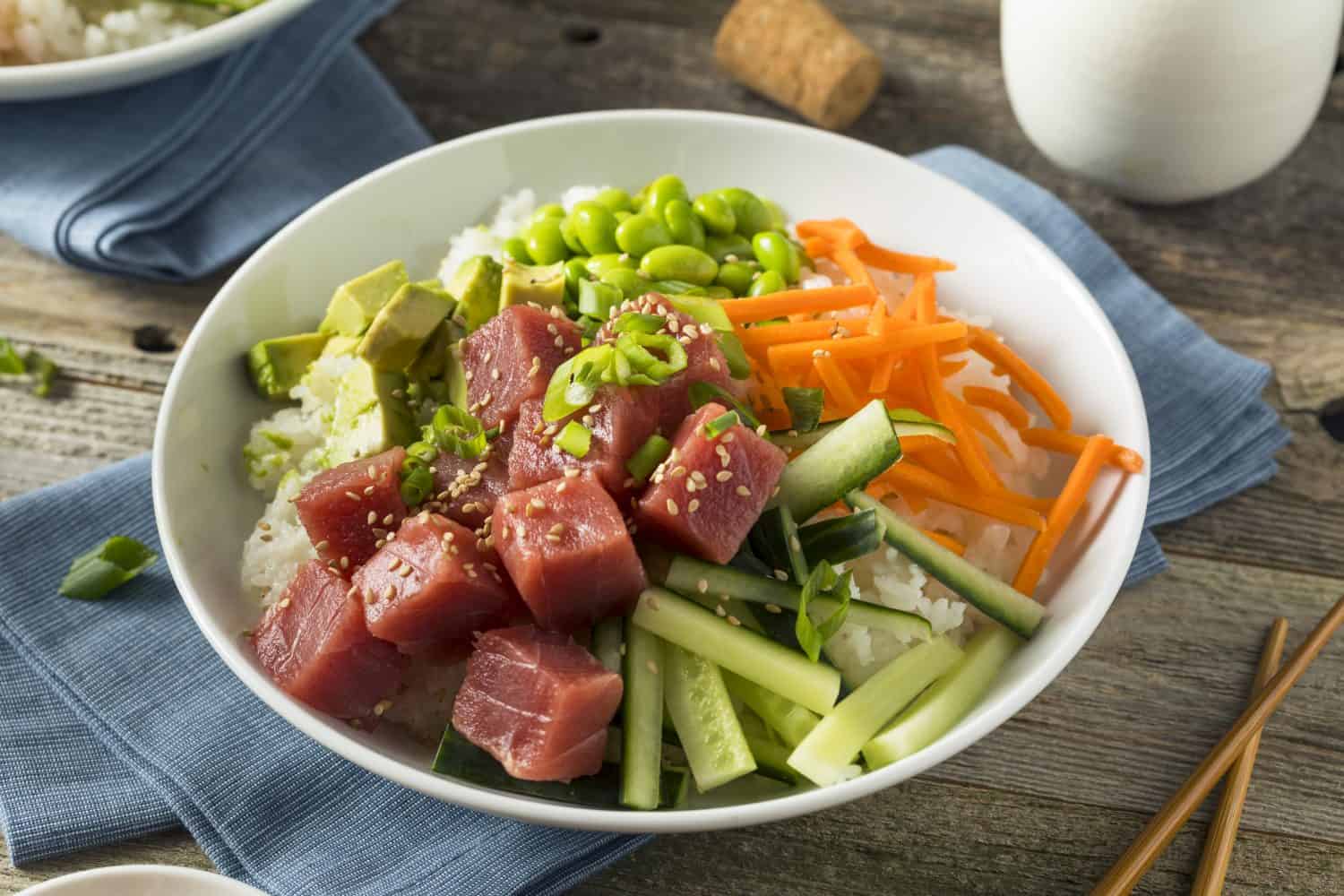
One of the latest food recalls involves a popular seafood product sold at Costco. The FDA announced this recall of the Kirkland Signature Brand Ahi Tuna Wasabi Poke on September 20, 2025, due to the risk of Listeria. Although no illnesses have been reported, customers are urged to throw out the product and visit Costco for a full refund.
However, this Costco product isn't the only product recently recalled due to a risk of Listeria. There has also been a recent recall of Cold Smoked Salmon and Cold Smoked Seabass from Haifa Smoked Fish.
In this slideshow, we'll discuss everything you need to know about the fruit recall and what to do if you've purchased recalled food items.
What Seafood Product Was Recalled?
The recall involves more than 3,000 pounds of ahi tuna wasabi poke sold at Costco under the Kirkland Signature brand. Western United Fish Company issued the recall, and it was announced by the FDA on September 20, 2025.
How Can You Identify the Recalled Product?
If you've purchased any ahi tuna poke from Costco lately, it's important to check the packaging if you still have the product. The Costco Item Number is 17193, and the Sell By Date is 9/22/2025.
This seafood product was sold at Costco locations in numerous different states, including: Alabama, Alaska, Colorado, Connecticut, Delaware, Florida, Georgia, Idaho, Indiana, Louisiana, Maine, Maryland, Massachusetts, Minnesota, Mississippi, Missouri, Montana, Nebraska, New Hampshire, New Jersey, New Mexico, New York, North Carolina, Ohio, Oregon, Pennsylvania, South Carolina, Tennessee, Texas, Utah, Virginia, Washington, and Wisconsin
Why Was the Product Recalled?
The seafood product sold at Costco was recalled due to a risk of Listeria. According to the FDA, the green onions used in the product had the potential to be contaminated with this bacterium. Listeria infection, or Listeriosis, is an illness caused by bacteria in food. If you eat food that's contaminated with this bacterium, it can cause a serious foodborne illness. This type of bacteria often spreads in food processing facilities and can be difficult to get rid of. Although Listeria can be present in a variety of foods, some foods are more likely to be contaminated, including:
- Soft cheeses
- Raw milk
- Deli meat
- Cold-smoked fish
- Sprouts
- Melons
What to Do If You Purchased the Product
Like any recalled product, the FDA recommends that you stop using this product immediately. If you do find the ahi tuna poke in your home, dispose of it and go to your local Costco for a full refund.
Symptoms of Listeria
When someone eats food contaminated with Listeria, it can lead to numerous symptoms. Generally, Listeria infection can lead to an invasive illness or an intestinal illness. While the intestinal illness usually starts within 24 hours of eating contaminated food, invasive illness happens when the bacteria spread beyond the intestines, and symptoms usually begin within 2 weeks after eating the contaminated food.
The most common symptoms to look out for from intestinal illness caused by Listeria are diarrhea and vomiting. The symptoms of invasive illness include:
- Fever
- Flu-like symptoms
- Headache
- Stiff neck
- Confusion
- Loss of balance
- Seizures
If you know you ate food that was recalled due to Listeria or you notice these symptoms, it's important to talk to your doctor and monitor your symptoms, especially if you're at a greater risk of illness.
Individuals Most at Risk
While any individual can get sick after eating food contaminated with Listeria, certain individuals are at greater risk, including:
- Pregnant women
- Newborns
- Adults 65 and older
- Individuals with weakened immune systems
It's rare for individuals who aren't at risk to get severely ill after eating food that's contaminated with Listeria. However, it can cause serious complications for individuals who are at an increased risk of infection.
Listeria and Pregnancy
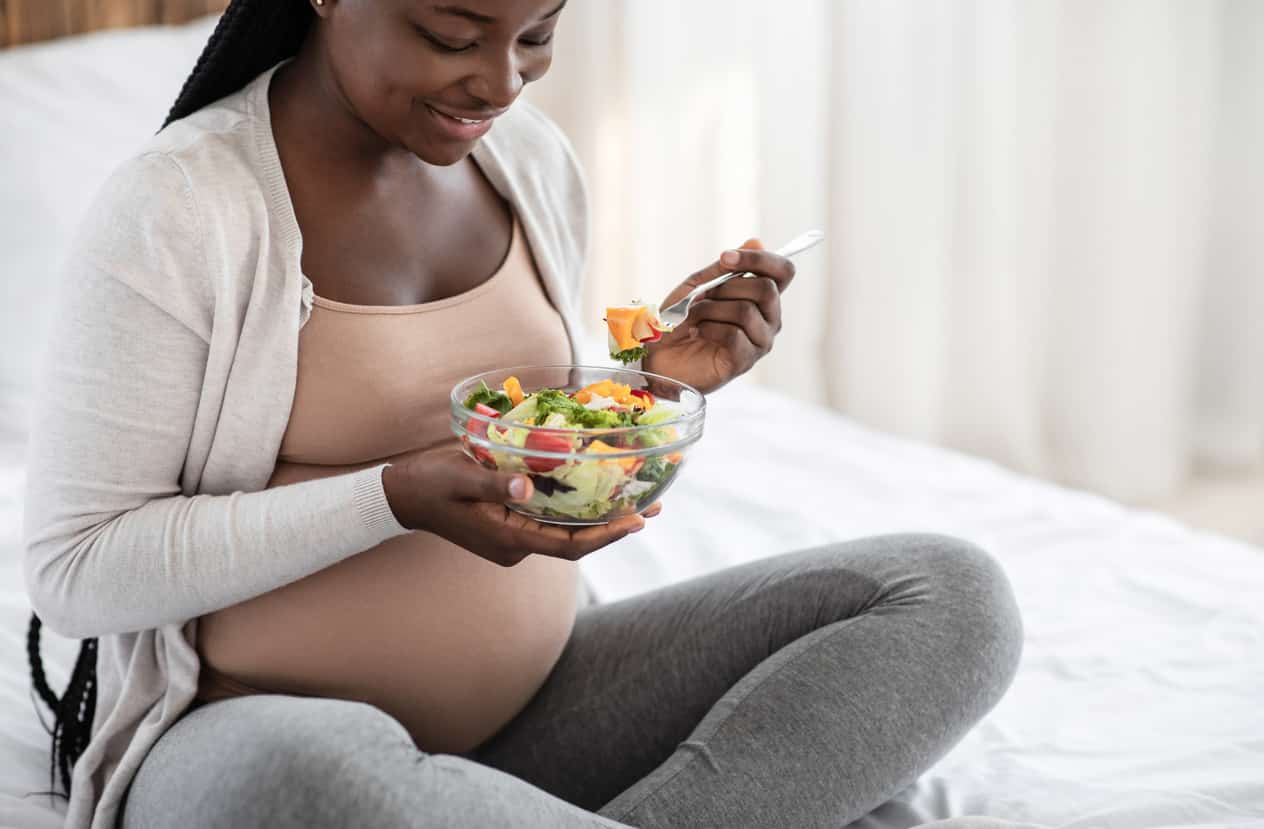
One of the main reasons why it's recommended for pregnant women to avoid certain foods is because of the risk of Listeria infection. Typically, doctors recommend pregnant women avoid foods like unpasteurized milk products, prepared salads, and deli meat because these types of foods are more likely to contain the bacteria.
What Happens When a Pregnant Woman Gets Listeria?
Pregnant women are about 10 times more likely to get sick from Listeria bacteria, according to the FDA. This type of infection can lead to serious complications, such as premature labor or miscarriage. For late-term babies, it can lead to health issues such as paralysis or impairments of the brain, heart, or kidneys.
The good news is, there are many ways to prevent infection in the first place.
How to Prevent Listeria Infection
Whether you're currently pregnant or are immune-compromised and trying to avoid Listeria infection, here are some ways to prevent it:
- Avoid foods that are a greater risk for Listeria, such as prepared meats, unpasteurized milk products, and refrigerated smoked seafood
- Always keep your fridge at 40 degrees F or colder
- Don't let foods that require refrigeration sit at room temperature for more than two hours
- Clean your fridge regularly, cleaning out any food that has spoiled
- If you're purchasing any ready-to-eat foods, eat them as soon as possible
If you're an individual who is at greater risk of infection and has consumed a product that was recalled, keep an eye on your symptoms and talk to your doctor about any concerns.
What Happens Next?
The recalled seafood product is no longer on store shelves, but it's unclear how many people have consumed the product. However, no illnesses have been reported at this point.
Generally, if you have concerns about any foodborne illness, you should report your symptoms to your local health department so they can investigate.
The image featured at the top of this post is ©Katrinshine/Shutterstock.com