








These Are the Foods With the Highest Risk for Listeria, According to the FDA
It seems like every day, there's a new food product being recalled, often due to a risk of Listeria. Whether you pay attention to recalls in the news or you're pregnant and have been warned about what items to avoid eating, Listeria is a common cause of food recalls, though other pathogens like Salmonella and E. coli are also frequently involved.
So what is Listeria anyway? Listeria monocytogenes, also known as L. monocytogenes, is a type of bacterium often found in refrigerated food. Unlike other types of bacteria, it can grow in cold temperatures. When Listeria is ingested, it can lead to a disease called listeriosis.
Any individual can get listeriosis when Listeria is consumed, Anyone can get listeriosis when Listeria is consumed, but some individuals are more at risk. Listeria can be especially harmful for pregnant women and their babies, which is why it's suggested that pregnant women avoid certain foods during pregnancy.
While Listeria can be present in a variety of foods, certain foods are at higher risk for containing this bacterium. Whether you're pregnant, immunocompromised, or simply looking to avoid this disease, you should be aware of which foods carry the highest risk.
In this slideshow, we'll look at what Listeria does, how to avoid getting sick, and what foods have the highest risk for Listeria, according to the FDA.
This post was updated in February 2026 to include updated information about Listeria and additional editorial enhancements.
What Happens If I Eat Contaminated Food?
Listeriosis can occur when you consume food that's contaminated with Listeria. There are two main types of listeriosis: non-invasive listeriosis and invasive listeriosis.
Most healthy individuals who consume food that's contaminated with Listeria will experience non-invasive listeriosis. It could lead to mild, flu-like symptoms, but some people have no symptoms at all. However, at-risk individuals are more likely to experience invasive listeriosis.
Who Is Most At Risk for Listeriosis?
Although most healthy individuals will only be mildly infected by listeriosis, some individuals can get extremely ill. Invasive listeriosis happens when the bacterium spreads beyond the gut. This can be serious, especially for at-risk individuals, including:
- Pregnant women
- Individuals over 65
- Patients undergoing cancer treatment
- Infants
- Other immunocompromised individuals
Symptoms of Listeriosis
For the more common type of listeriosis, which is non-invasive, the symptoms usually resemble those of a stomach flu. The most common symptoms include upset stomach, fever, headache, diarrhea, and muscle pain.
For invasive listeriosis, the illness is much more severe. The symptoms include:
- Headache
- Stiff neck
- Confusion
- Loss of balance
- Convulsions
Invasive listeriosis can be life-threatening, especially for individuals with weakened immune systems, those over 65, and newborns. If you have any symptoms that may be related to invasive listeriosis, contact your doctor right away.
Pregnancy and Listeria
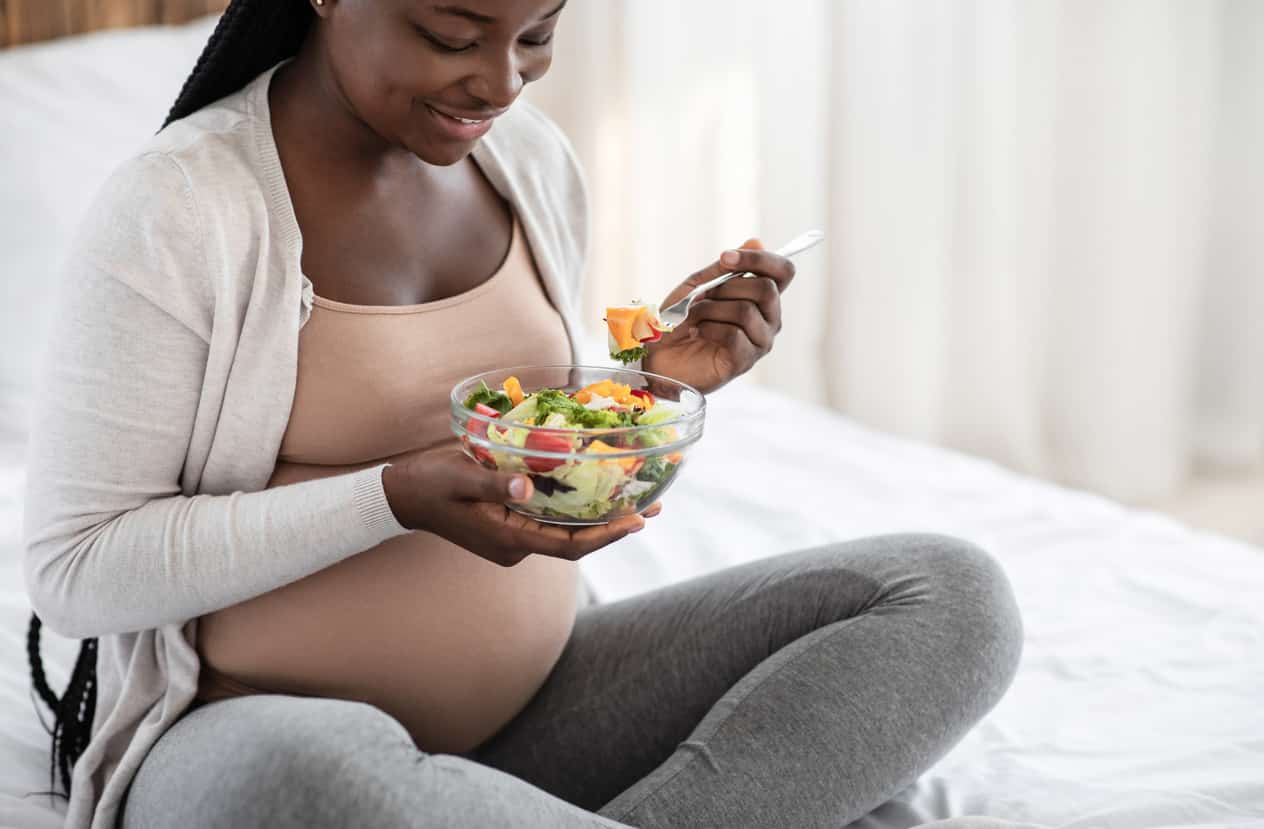
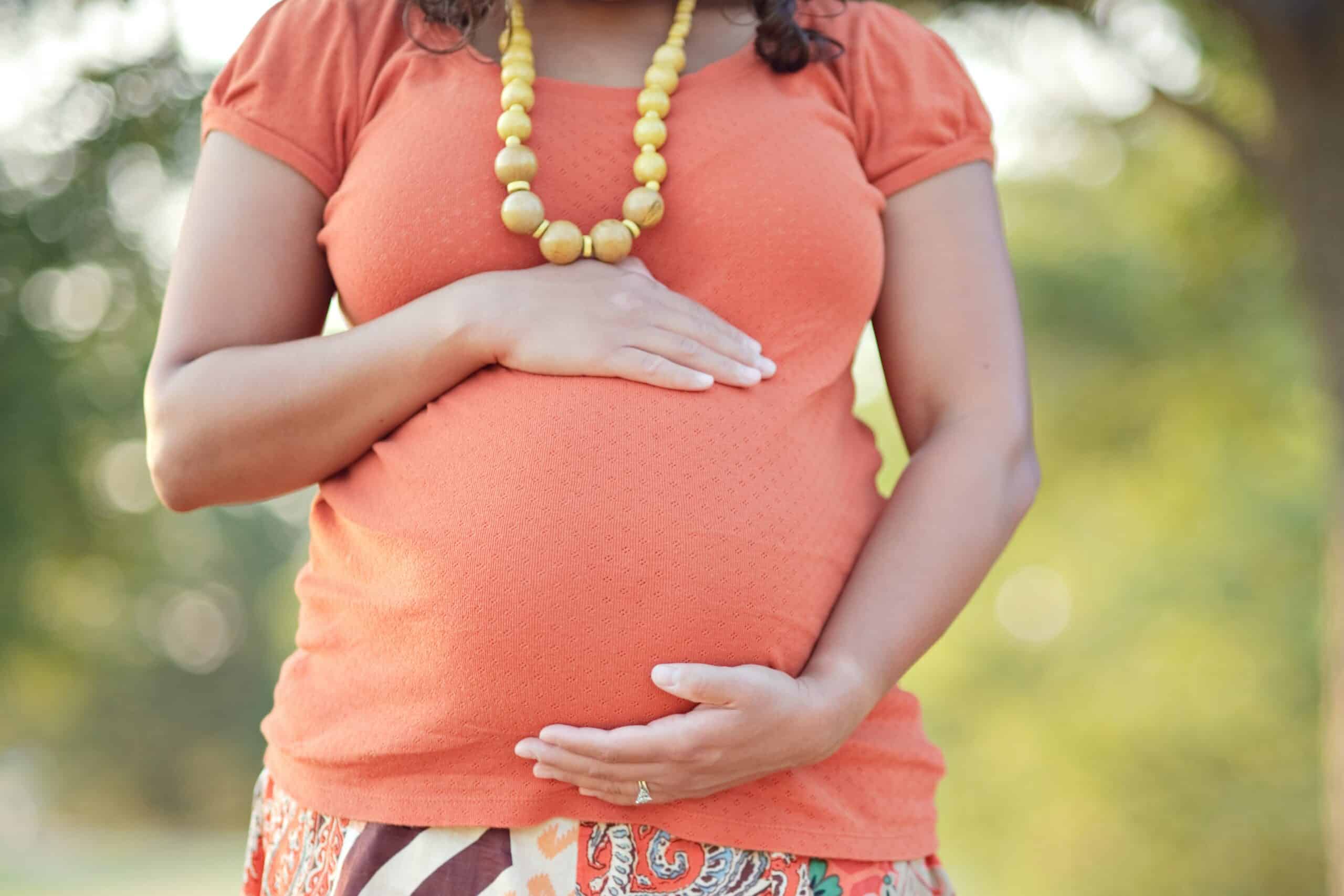
Even though it may be inconvenient at times, there's a reason why pregnant women are told to avoid certain foods during pregnancy. Not only can listeriosis cause serious complications, but pregnant women are also 10 times more likely to contract listeriosis than other healthy individuals.
As a pregnant woman, you may have mild symptoms if you contract listeriosis. However, this disease can lead to complications for a newborn or even a miscarriage. According to the CDC, about 16% of listeriosis cases occur in pregnant women.
Foods That Have the Highest Risk for Listeria
Listeria can contaminate any type of food, but there are some foods that are most at risk. Most commonly, Listeria is found in chilled, ready-to-eat foods. It's also common in unpasteurized dairy products.
Because Listeria can be killed by heat, unpasteurized dairy products — which have not undergone any heating process — are at the highest risk.
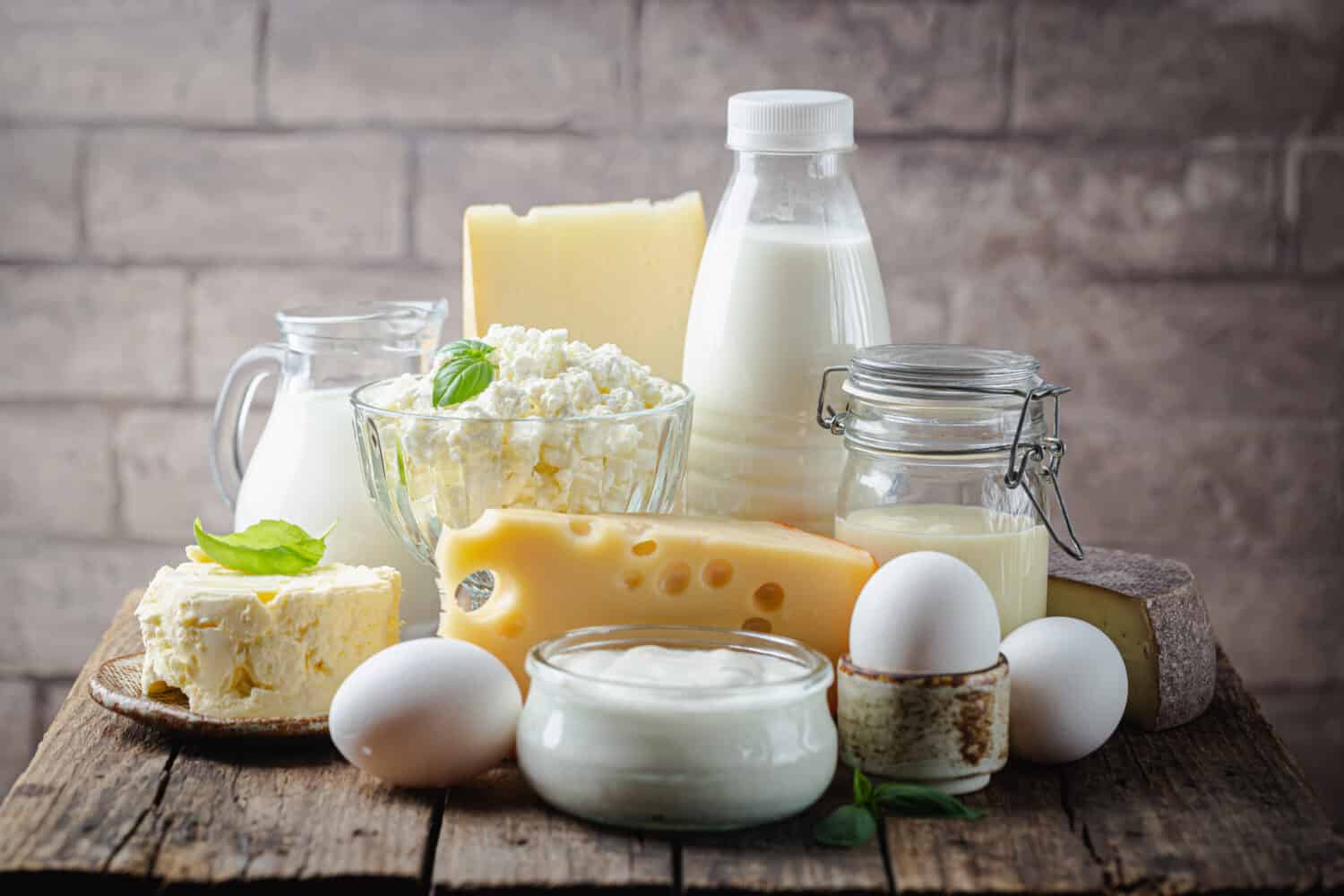
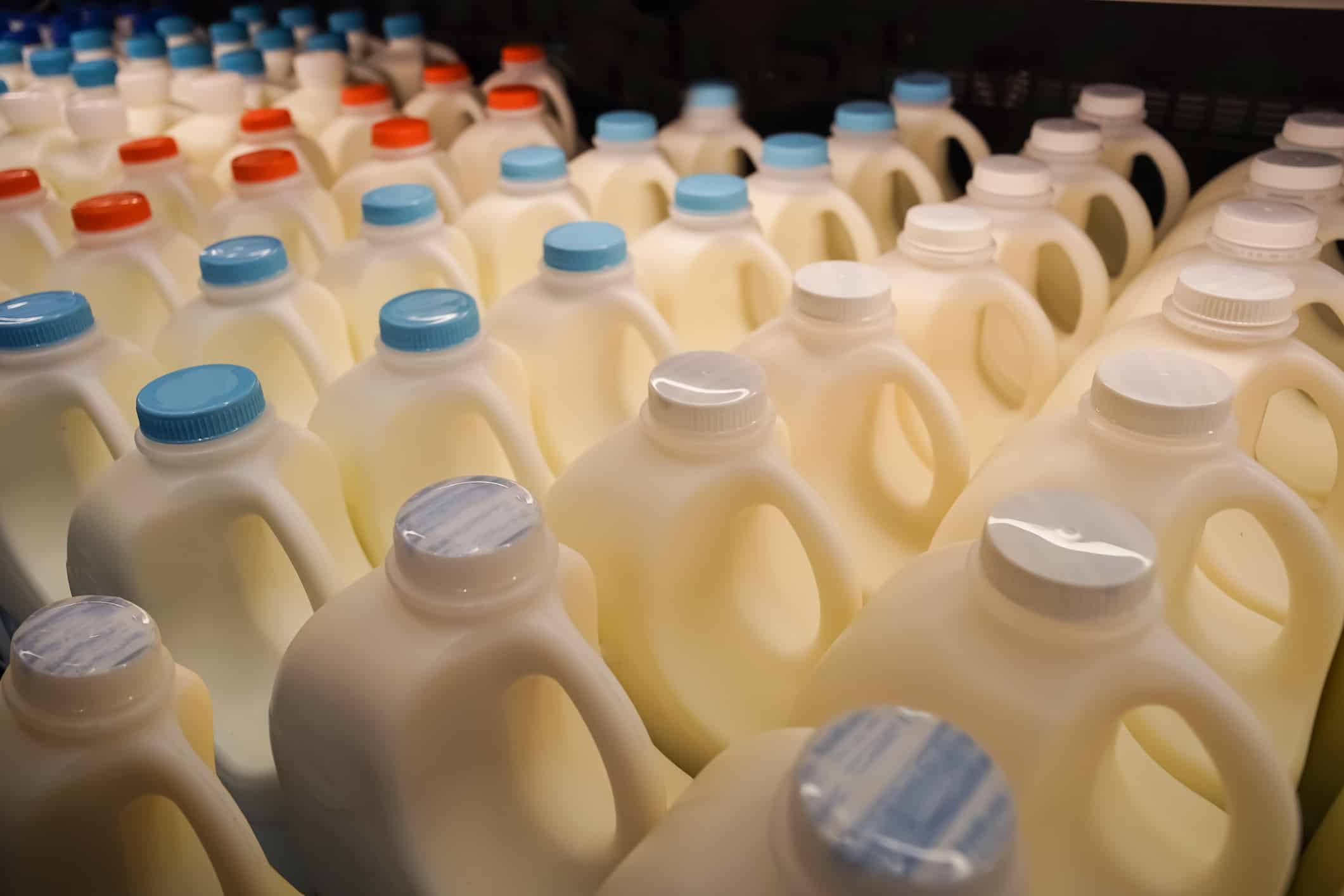
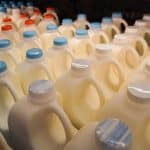
Unpasteurized or Raw Dairy Products
Although some states have a law that prohibits the sale of unpasteurized milk, other states allow for the sale or distribution of unpasteurized milk and other dairy products. In some states, there's now an increased demand for raw milk.
Since the pasteurization process involves heating the milk and killing bacteria, unpasteurized dairy products are more at risk for pathogens such as E. coli, Salmonella, and Listeria.
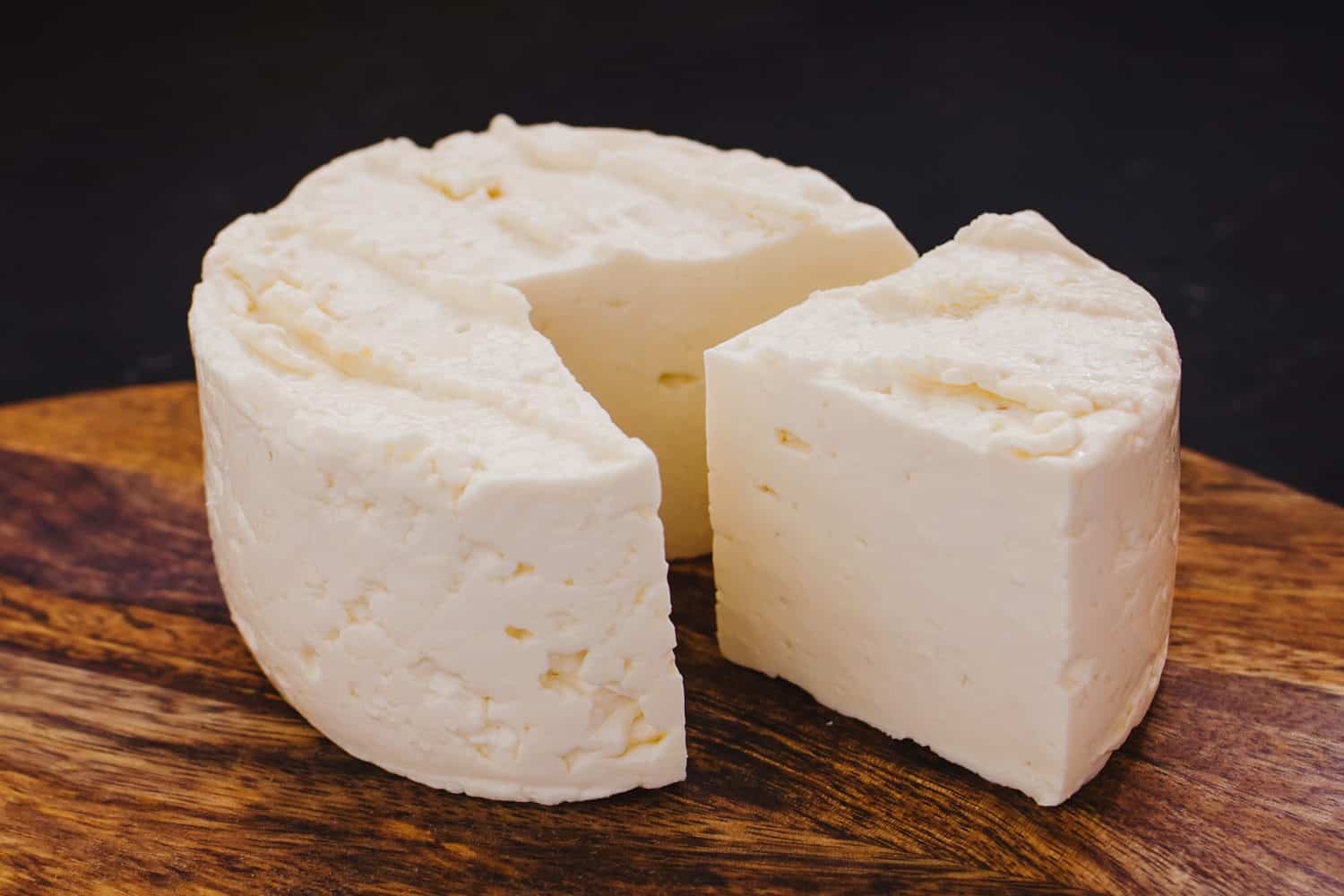
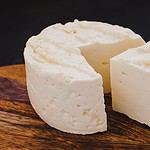
Queso Fresco Cheese
Queso Fresco is a soft type of cheese that's frequently found in Mexican dishes. The name Queso Fresco simply means "fresh cheese." This type of cheese is highly susceptible to Listeria, especially if it's made with unpasteurized milk.
However, Queso Fresco made with pasteurized milk is also at risk because it's a high-moisture cheese that doesn't go through an aging process. Essentially, this type of cheese has the perfect environment for Listeria growth.
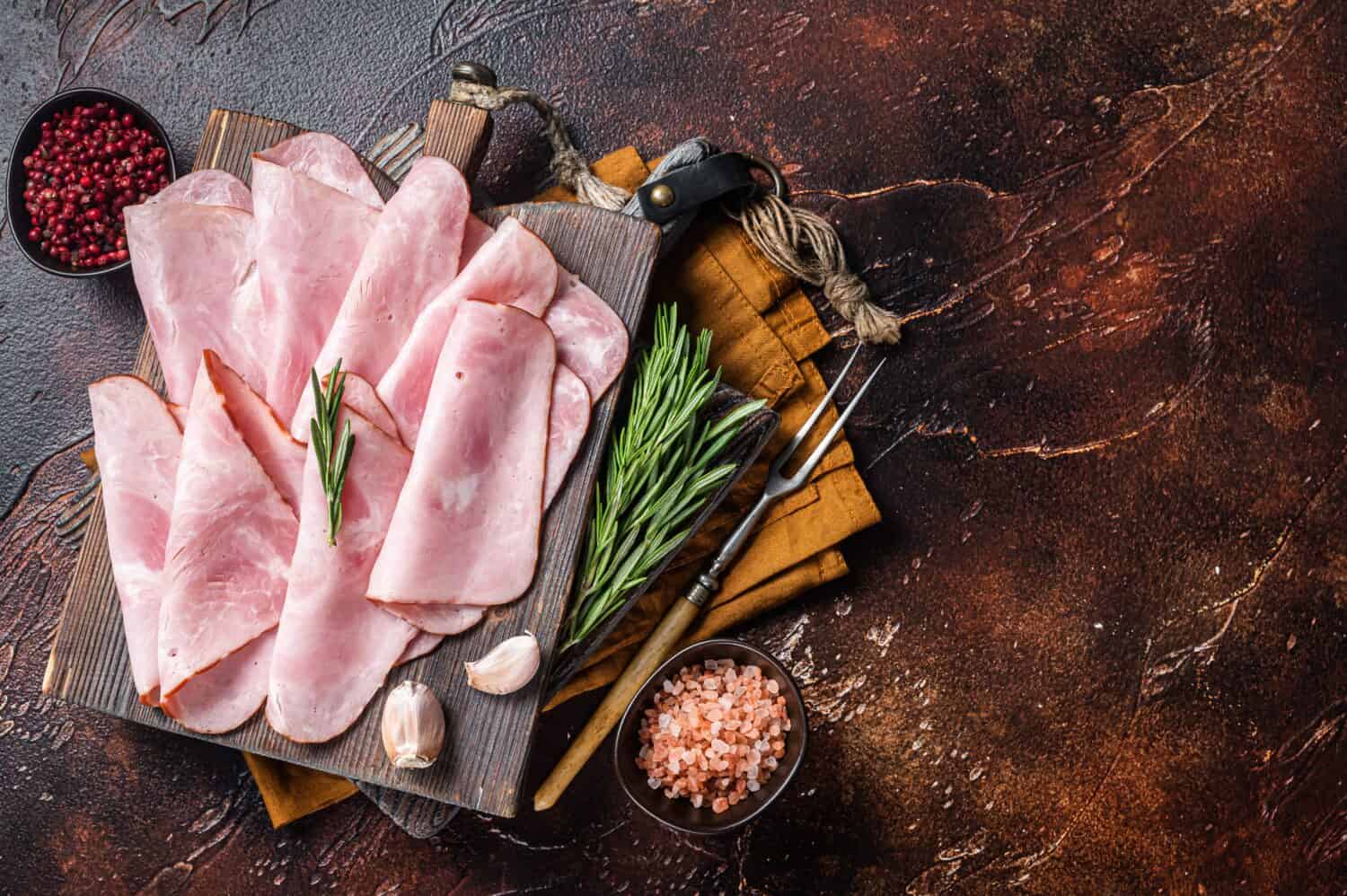
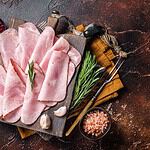
Deli Meat
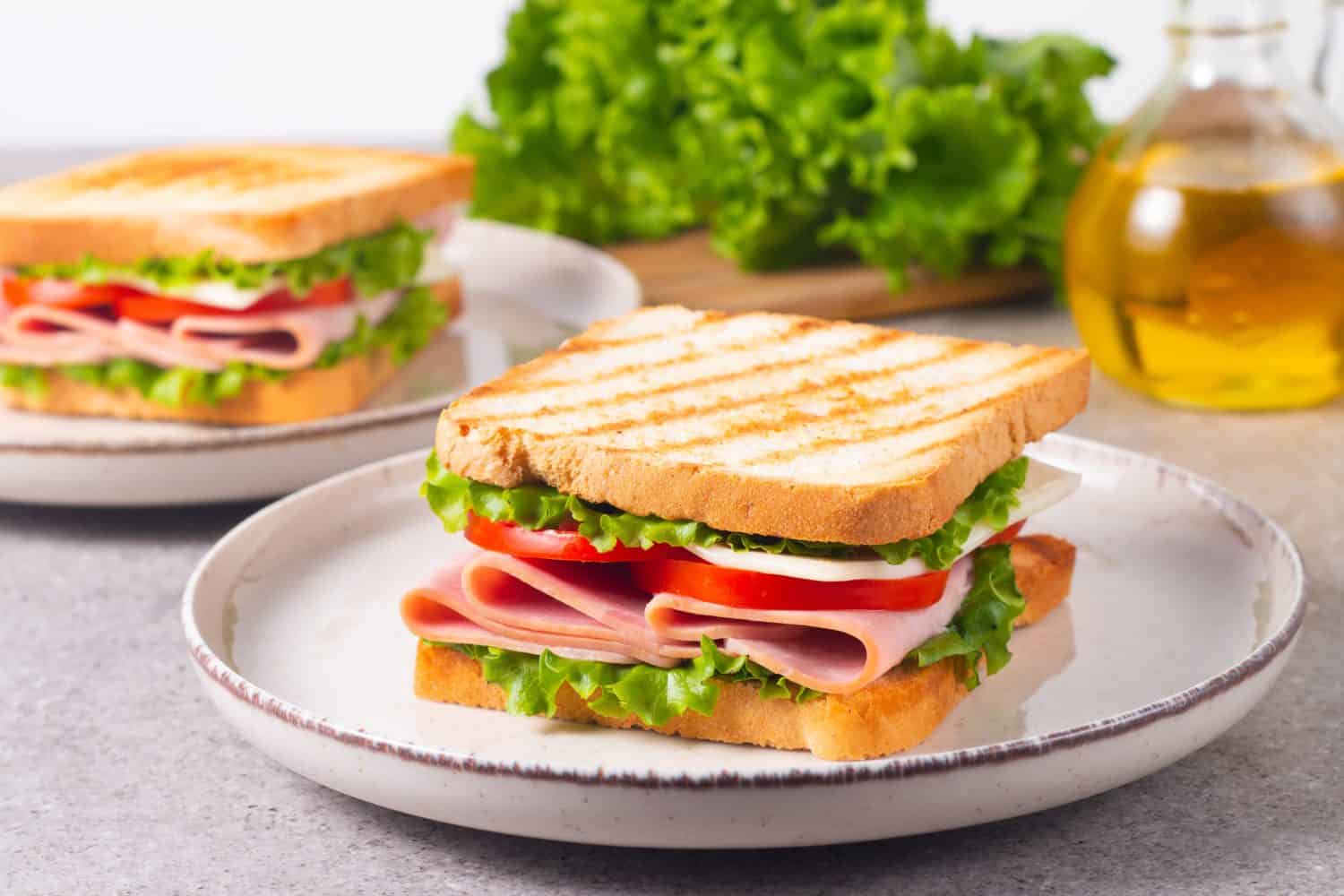
Deli meat is another product that has a high risk of Listeria contamination. Even though deli meat is cooked, it can become contaminated after cooking, especially if it's not stored properly or it comes in contact with other food products that have Listeria.
If you are at high risk for listeriosis, you can eat deli meat after heating it to at least 165 degrees F first.
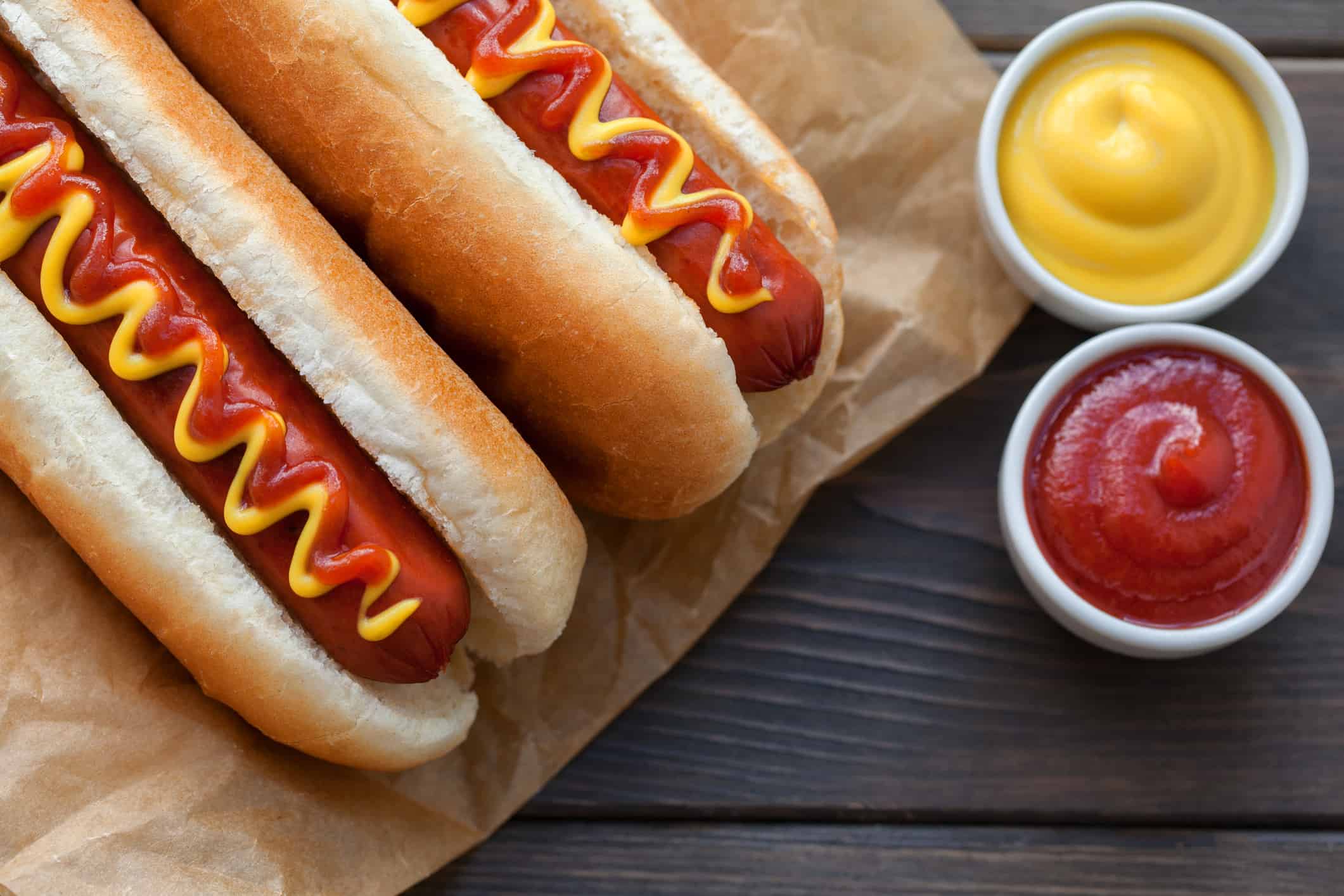
Hot Dogs
Hot dogs and sausages have a high risk of Listeria for the same reason deli meats do. Although they're cooked before you purchase them, these foods can become contaminated with bacteria after the cooking process.
Like deli meat, pregnant women and other at-risk individuals should make sure hot dogs and sausages are heated thoroughly to at least 165 degrees F before eating.
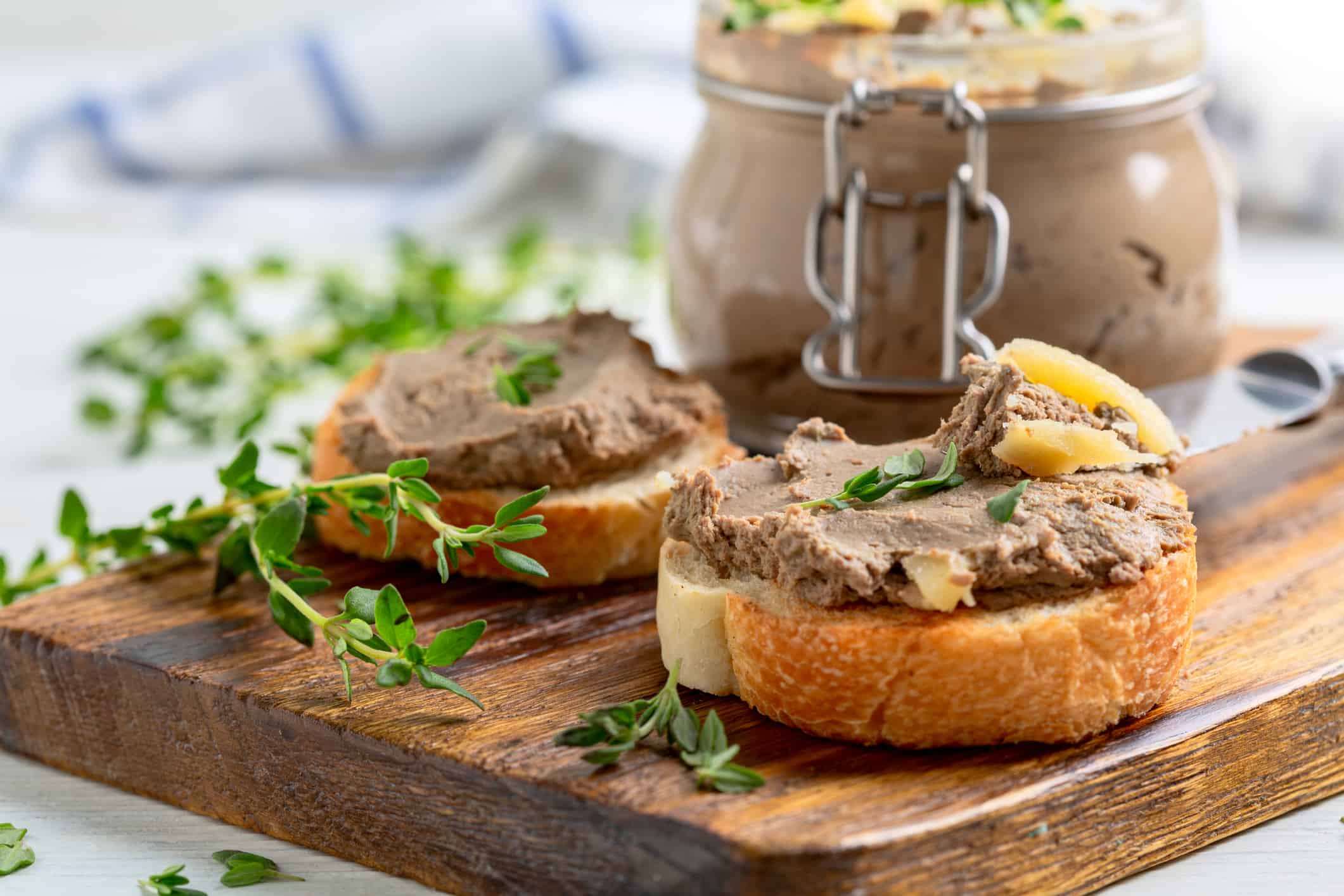
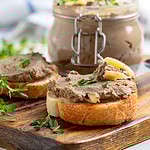
Refrigerated Pâtés or Meat Spreads
Since Listeria can survive and even grow at cold temperatures, refrigerated pâtés and other meat spreads can get contaminated if they're packaged in a facility with Listeria. It's most common for the bacteria to grow in unsanitary conditions when food isn't stored at proper temperatures.
Pâté is made from a mixture of ground meat, typically pork or liver.
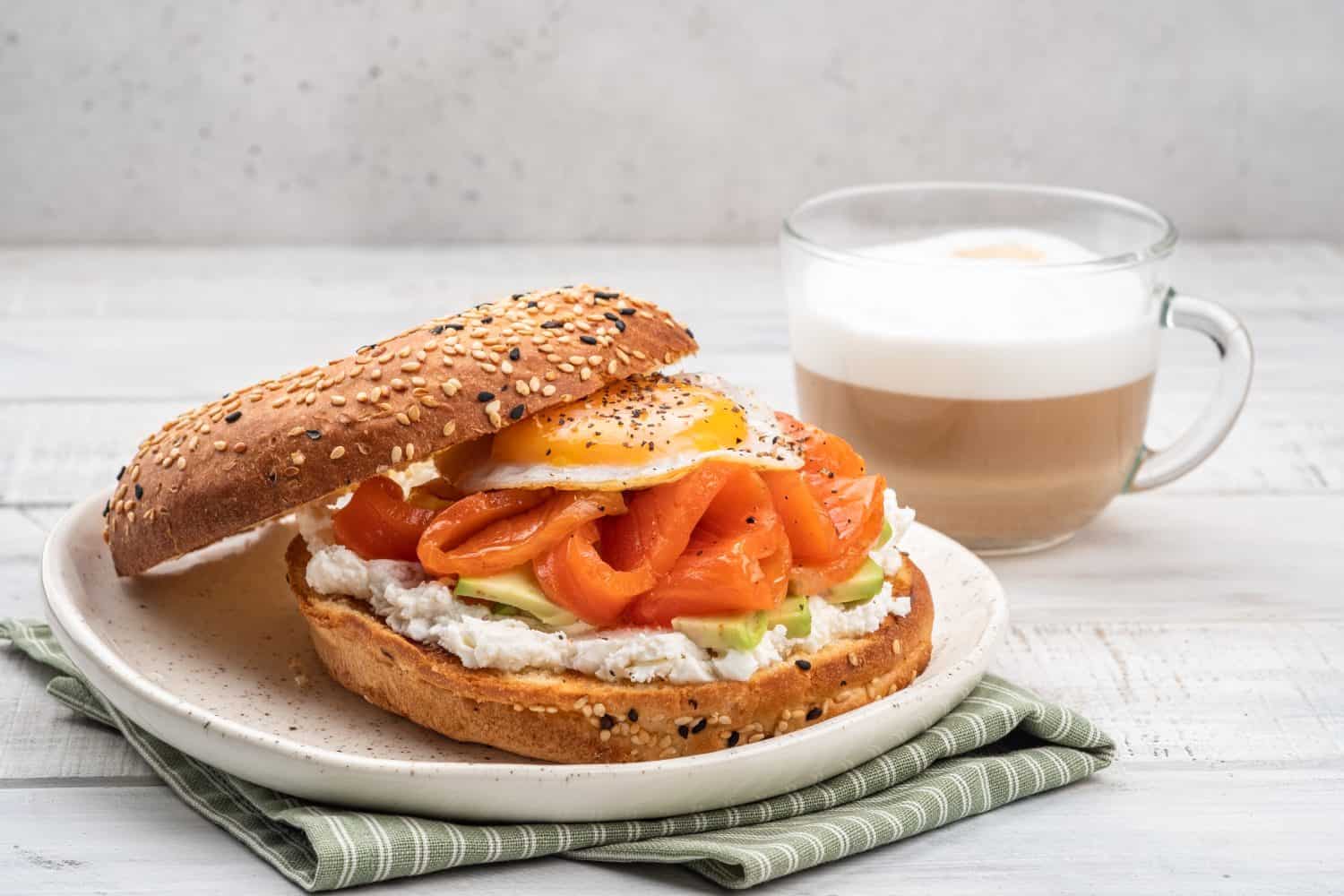
Refrigerated Smoked Seafood
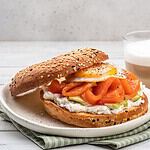
When smoked seafood is packaged or made in a facility with Listeria, it can become contaminated. Typically, the food with the highest risk is refrigerated seafood that's already cooked, such as lox. These products are generally cold-smoked, and this process doesn't kill Listeria.
According to the CDC, shelf-stable options are safer than refrigerated smoked seafood.
Ways to Prevent Listeria
Even though Listeria can cause serious complications, especially in pregnant women, newborns, and those over 65, there are ways to prevent Listeria contamination. To prevent listeriosis:
- Make sure your fridge is always kept at 40 degrees F or colder and your freezer is at 0 degrees F.
- Don't consume meat, poultry, seafood, produce, dairy, or other refrigerated foods after they've been sitting at room temperature for more than two hours.
- If you purchase ready-to-eat foods, eat them right away.
- Clean your fridge regularly and throw out spoiled food right away.
If you're at risk for listeriosis, when you consume foods like deli meats, sausages, and hot dogs, ensure they're heated to at least 165 degrees F before eating.
The image featured at the top of this post is ©Xan/Shutterstock.com