






The FDA Says These Foods Are Often Recalled — Here's What Parents Should Know
If you pay attention to the news, it feels like there's a major product recall in the U.S. every day. Although the number of recalls can vary from year to year, hundreds of food recalls occur annually in the U.S. For example, there were 415 FDA food recalls in 2025 and 363 in 2024. While the types of foods recalled can vary, certain categories like prepared foods, deli meats, and produce are frequently affected.
Especially if you're the parent of young children, it's essential to be aware of which foods pose the greatest risk in terms of recalls. It doesn't mean you can't buy those items for your kids, but you should be cautious and stay updated about recalled items.
Here are some of the food categories that have been most frequently recalled in recent years, according to the FDA, including prepared foods, deli meats, and produce.
This post was updated in January 2026 to include updated information about food recalls in 2025.
Why Do Food Recalls Happen?
Food recalls happen for many reasons. From potential contamination to hidden allergens, not every recall is the same. However, according to the FDA, the main reasons food is recalled are bacterial contamination and undeclared allergens.
Bacterial contamination means that some type of bacteria may be present in the food. Typically, these recalls involve bacteria such as Listeria or Salmonella. Undeclared allergens mean that a potential allergen wasn't listed in the ingredients of the food item. While this type of recall doesn't affect everyone, it can be life-threatening if a consumer is allergic to an undeclared ingredient.
What Happens When Food Is Recalled?
Most food recalls are voluntary, which means that the company becomes aware of the problem and notifies the FDA to keep consumers safe. Once the FDA or USDA becomes aware, notices are sent out. Recalls are also listed on the FDA's website, and in some cases, notices are sent to consumers when there's a record that they purchased a recalled item.
Recalled items are pulled off store shelves, but it's important for you to stay up-to-date in case you already purchased a recalled food product. Generally, the FDA recommends that you throw away any recalled items or bring them back to the store for a full refund.
Most Recalled Food Items
Any item on store shelves could be recalled, but there are patterns as far as which food items are recalled the most. The reason is that certain food items are most at-risk for bacterial contamination. Here's a look at the most commonly recalled foods you should be aware of.
Deli Meat
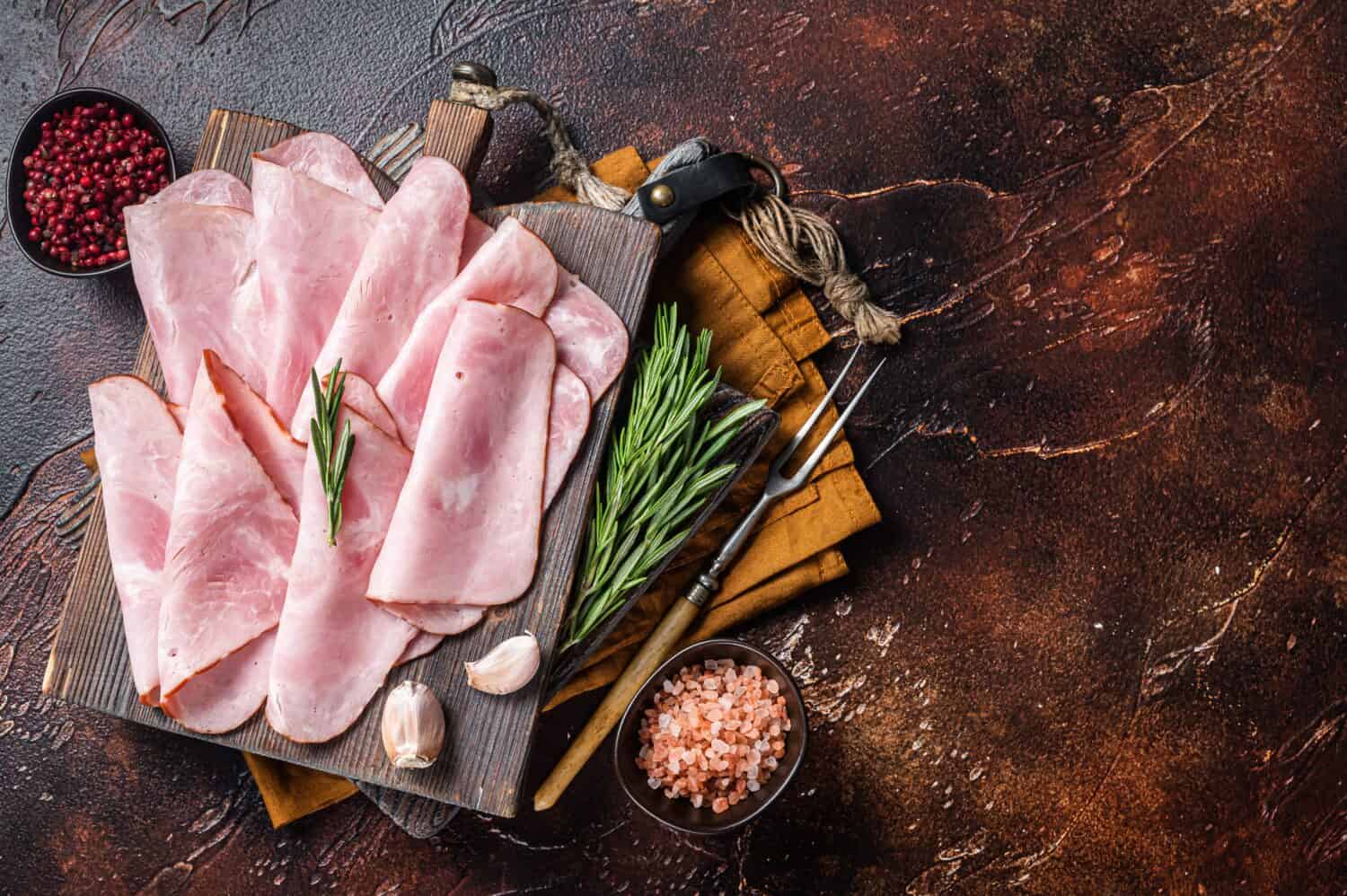
You may know that raw meat has a risk of contamination, but cooked meat can be dangerous as well. Food recalls are common with deli meat and other processed meats because of the risk of bacteria such as Listeria, which has been responsible for recent major outbreaks.
Deli meat can be a breeding ground for bacteria because of the moisture it contains, which is why it's recommended that pregnant women avoid eating it. If you're concerned about eating it, you can heat deli meat to an internal temperature of 165 degrees to kill any bacteria like Listeria or E. coli.
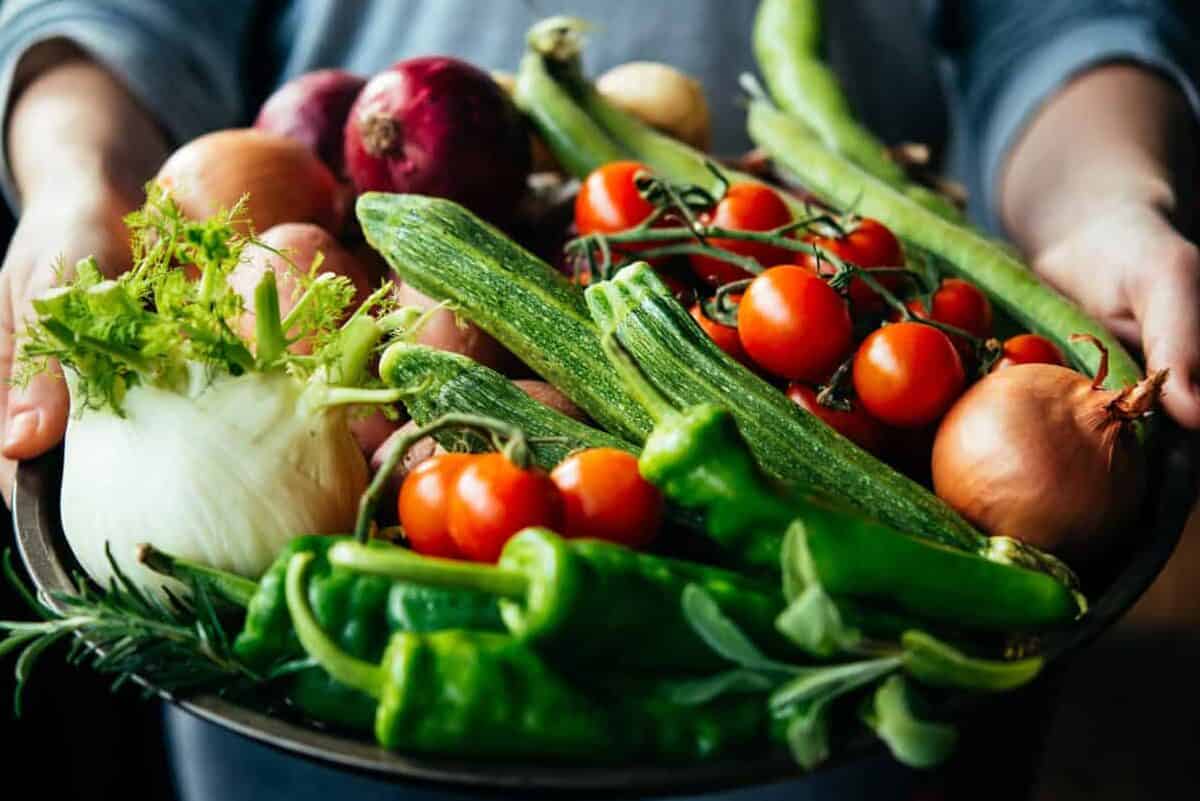
Produce
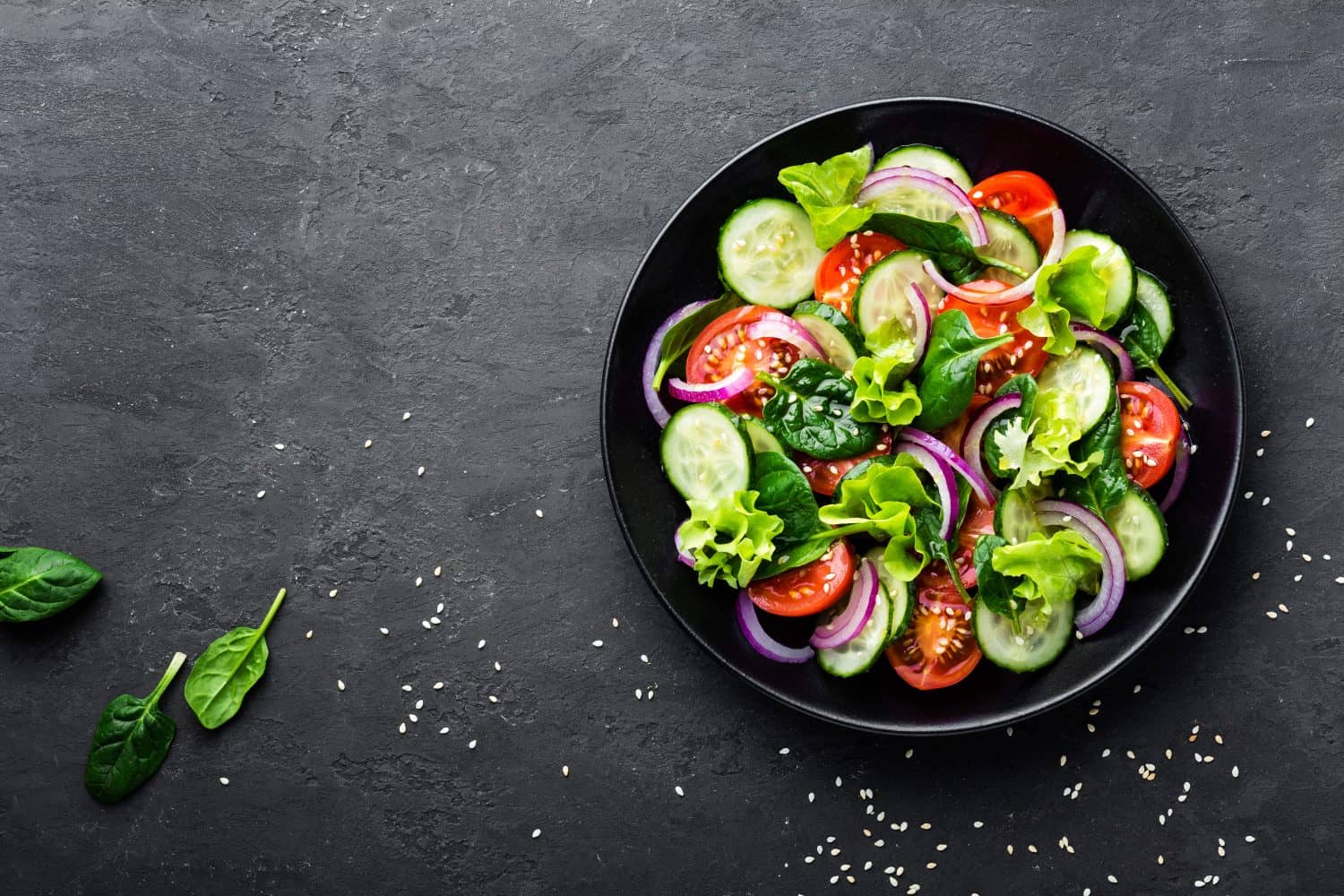
If you're trying to eat healthy, you may include more produce in your diet. While fruits and vegetables are good for you, these food items are also frequently recalled, though recent data shows that prepared foods have experienced the most recalls among FDA food product categories in 2025.
One of the riskiest items is bagged lettuce and other leafy greens. The risk is greater because greens are typically eaten raw, so if bacteria are present, they are not killed in the cooking process.
In 2025, cucumbers were recalled due to a Salmonella outbreak, and there was a major recall of blueberries due to possible Listeria contamination.
Prepared Foods
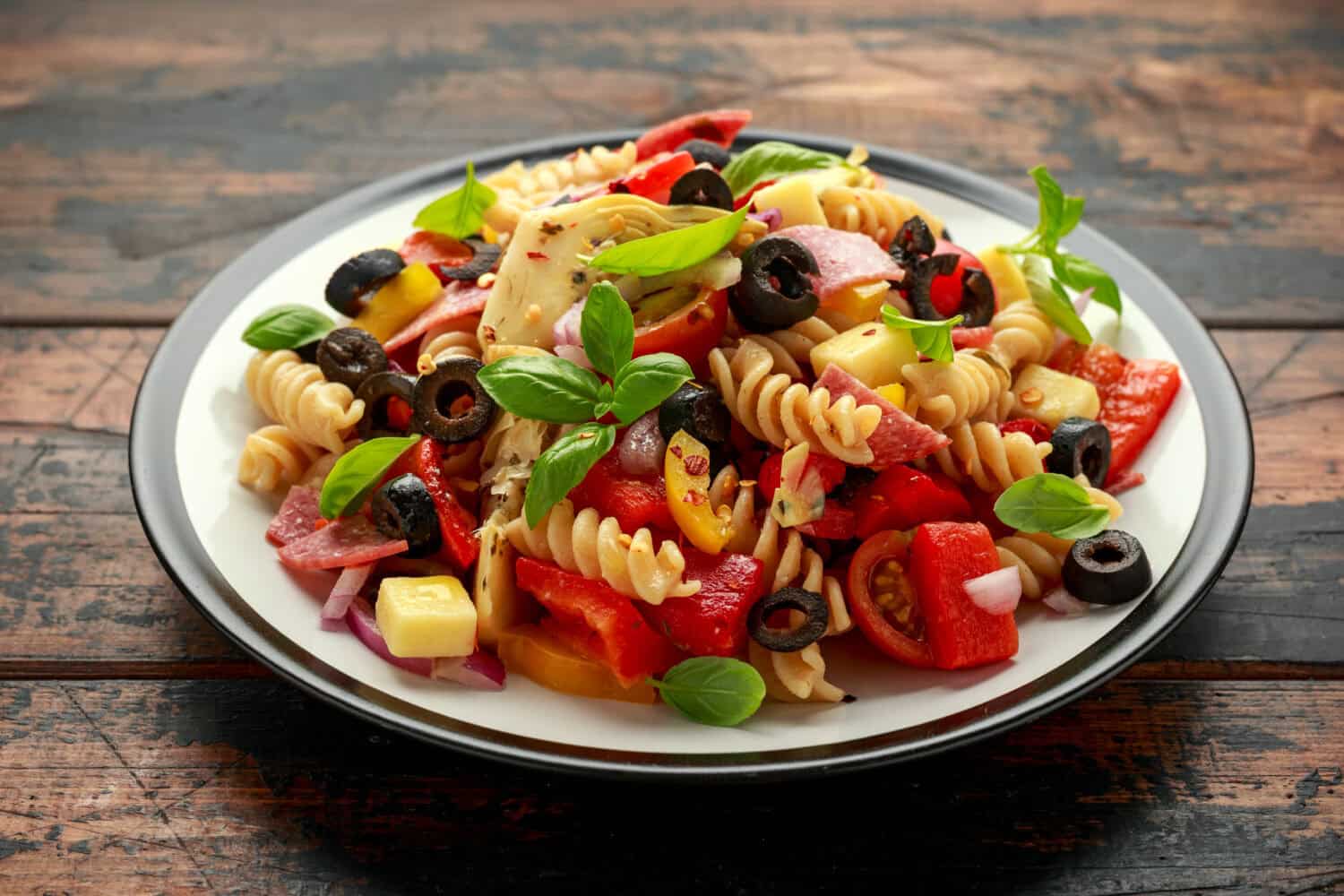
Another risky food item is prepared foods. This usually means ready-to-eat items that you might find at your local grocery store or convenience store. These items might include pasta salad, wraps, chicken salad, and sandwiches.
The issue with prepared meals usually comes down to food safety. If contamination happens after the food is prepared, the bacteria survive since the consumer doesn't usually heat the food. Leaving food out for too long at unsafe temperatures can also put you at risk.
Cheese
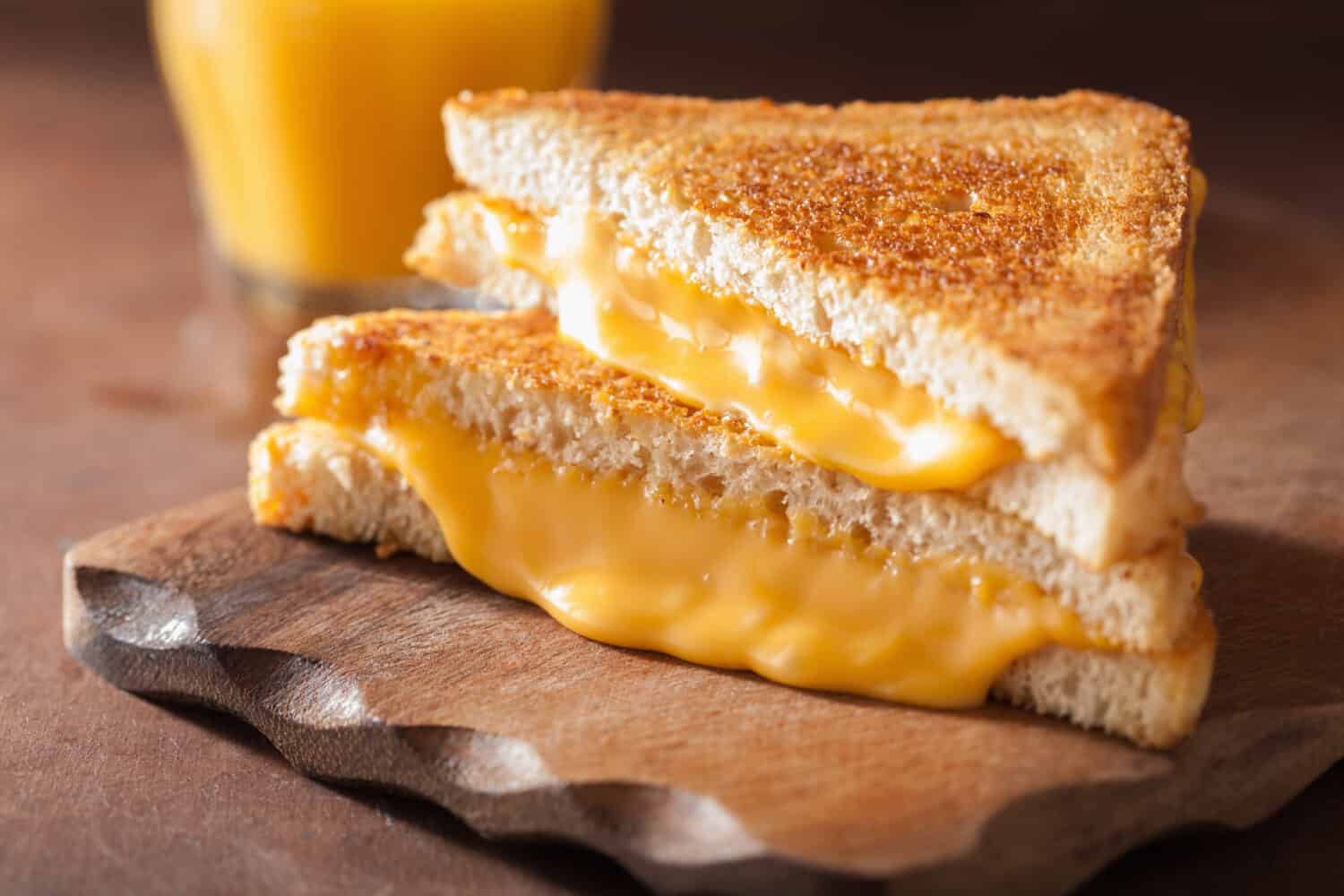
Cheese is a staple ingredient in many households, especially those with young children. Whether your kids enjoy string cheese or grilled cheese, there are plenty of reasons to keep cheese stocked in your house. However, it's also important to be aware of any recalls.
Any type of cheese could become contaminated with bacteria, but the types of cheese most at-risk are unpasteurized and soft cheeses, such as queso fresco.
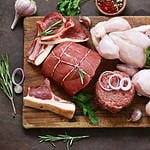
Poultry and Other Meat
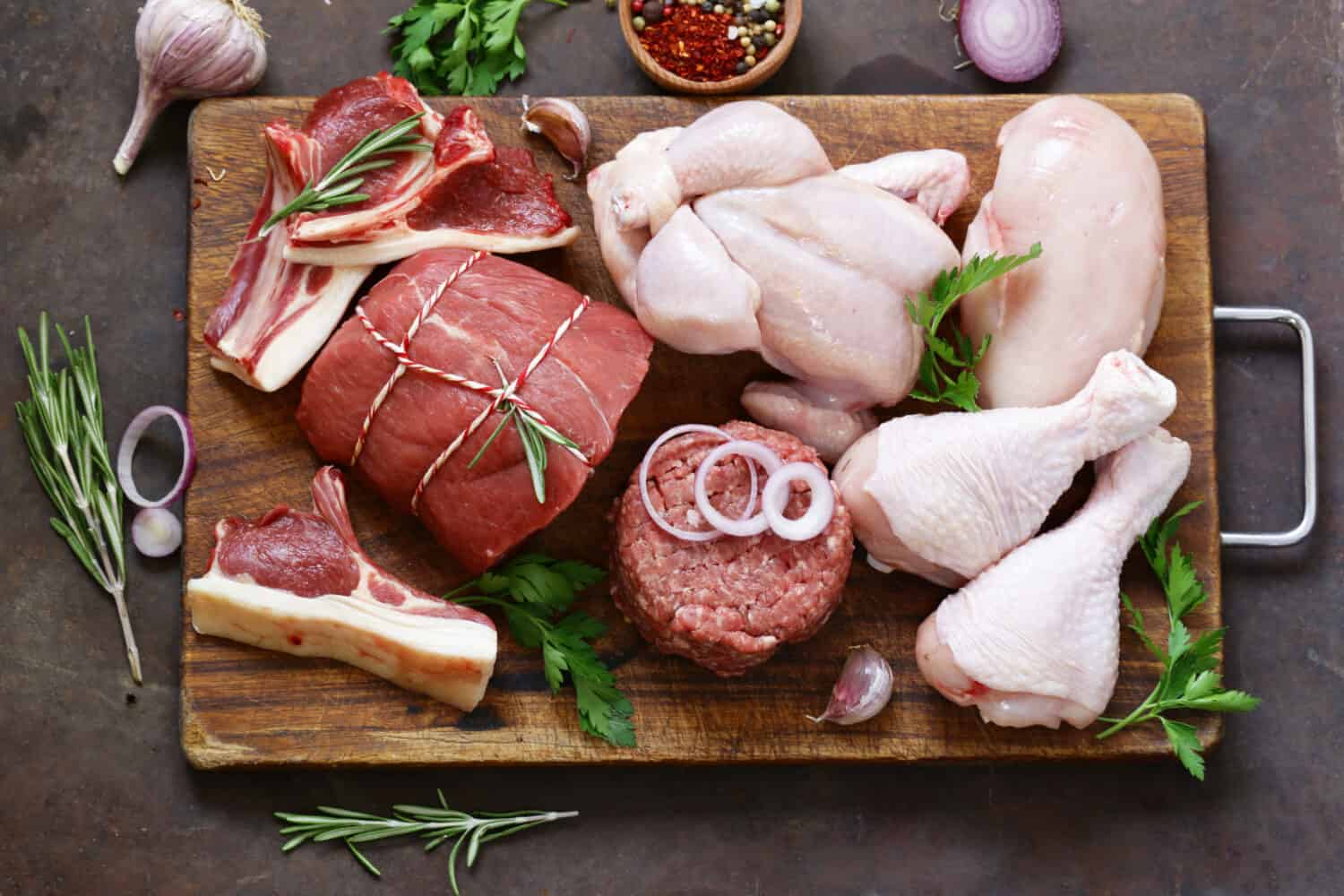
Raw meats have the greatest risk of contamination since even the most harmful bacteria can be killed in the heating process. However, this is why it's important to cook meat to the proper temperature.
Even if you're not eating meat raw, poultry, and other meats can make you sick if you don't cook them thoroughly or if you leave them out for too long. Before cooking any meat, be sure you understand the food safety guidelines created by the FDA.
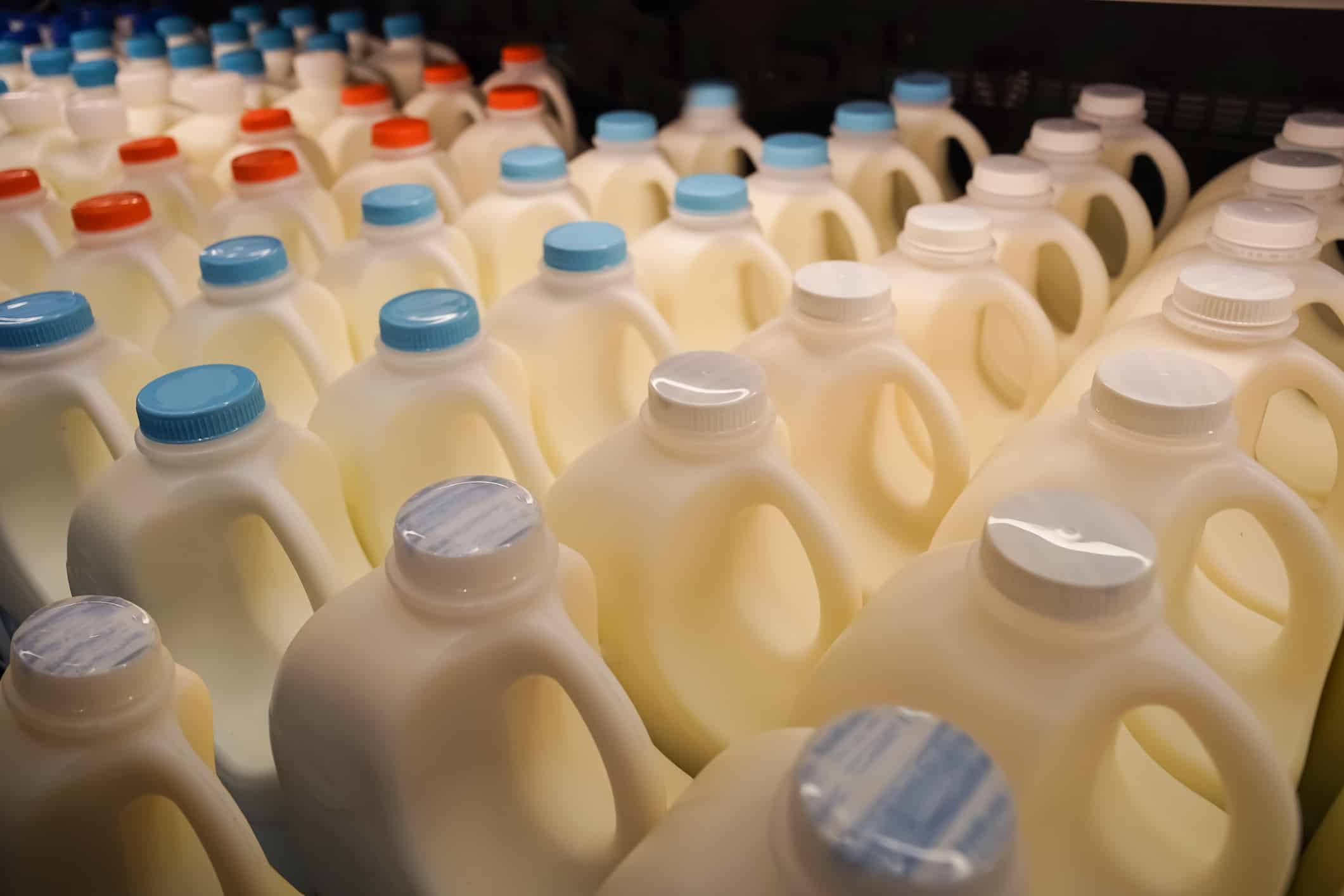
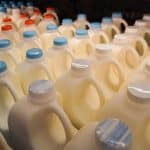
Raw Dairy
The process of pasteurization is designed to kill any bacteria that exist in products such as dairy and eggs. Raw or unpasteurized milk contains a greater risk of contamination since it's not heat-treated.
When there is an outbreak involving dairy, it is often related to raw dairy that was contaminated with bacteria such as Salmonella, E. coli, or Listeria. In 2024 and 2025, raw dairy products were linked to H5N1 bird flu outbreaks, leading to recalls and public health warnings.
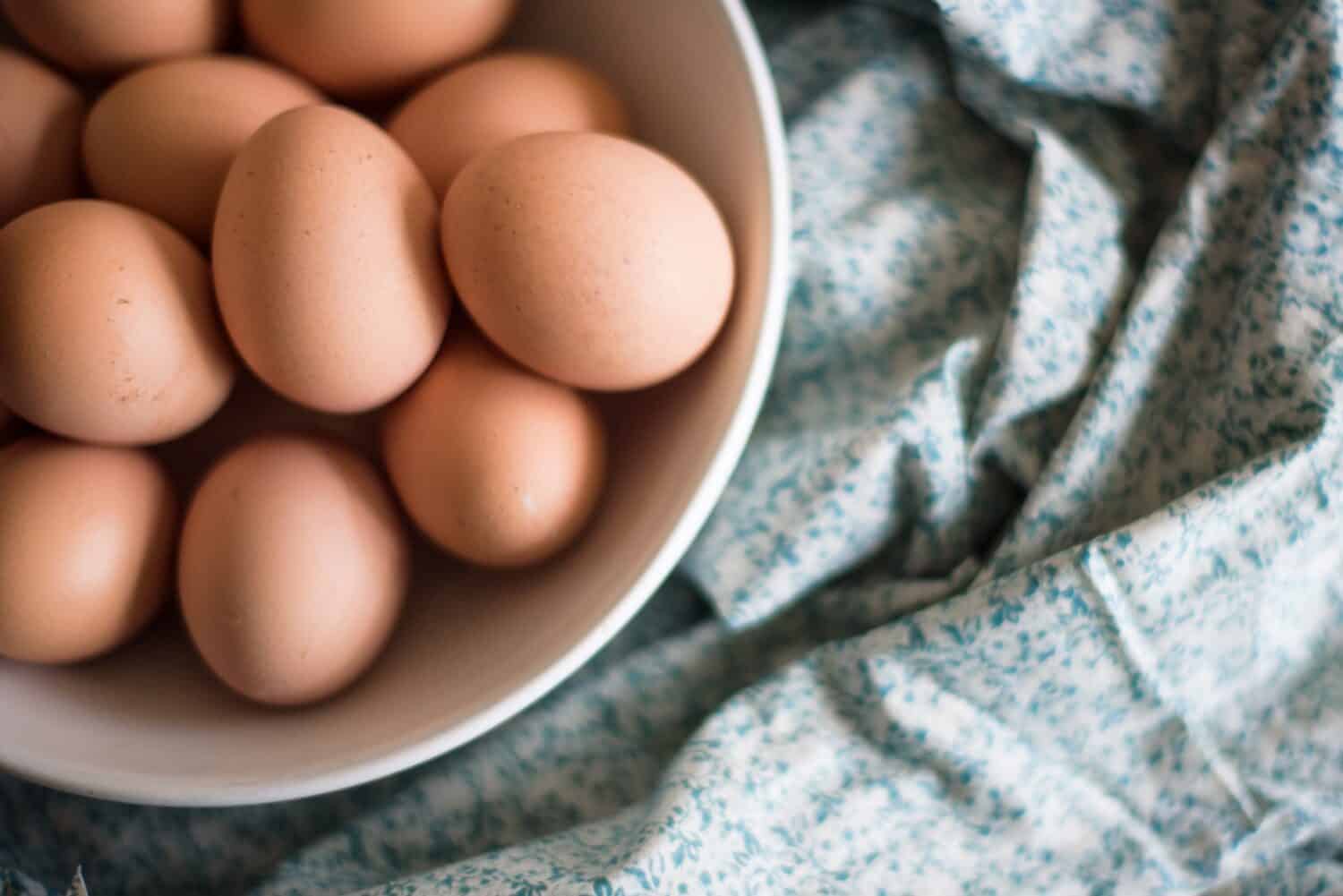
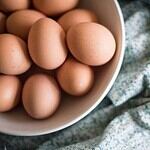
Unpasteurized Eggs
Like unpasteurized dairy, unpasteurized eggs are also a significant risk for contamination. Since most egg and dairy products in the U.S. are pasteurized, recalls for these items are less common than for some other categories, but outbreaks and recalls — including several Salmonella-related egg recalls in 2025, such as those by Country Eggs, Black Sheep Egg Company, and Vega Farms — do still occur.
The FDA regulations are meant to prevent contamination, but safe storage and handling are also ways to prevent illness.
The image featured at the top of this post is ©Sea Wave/Shutterstock.com