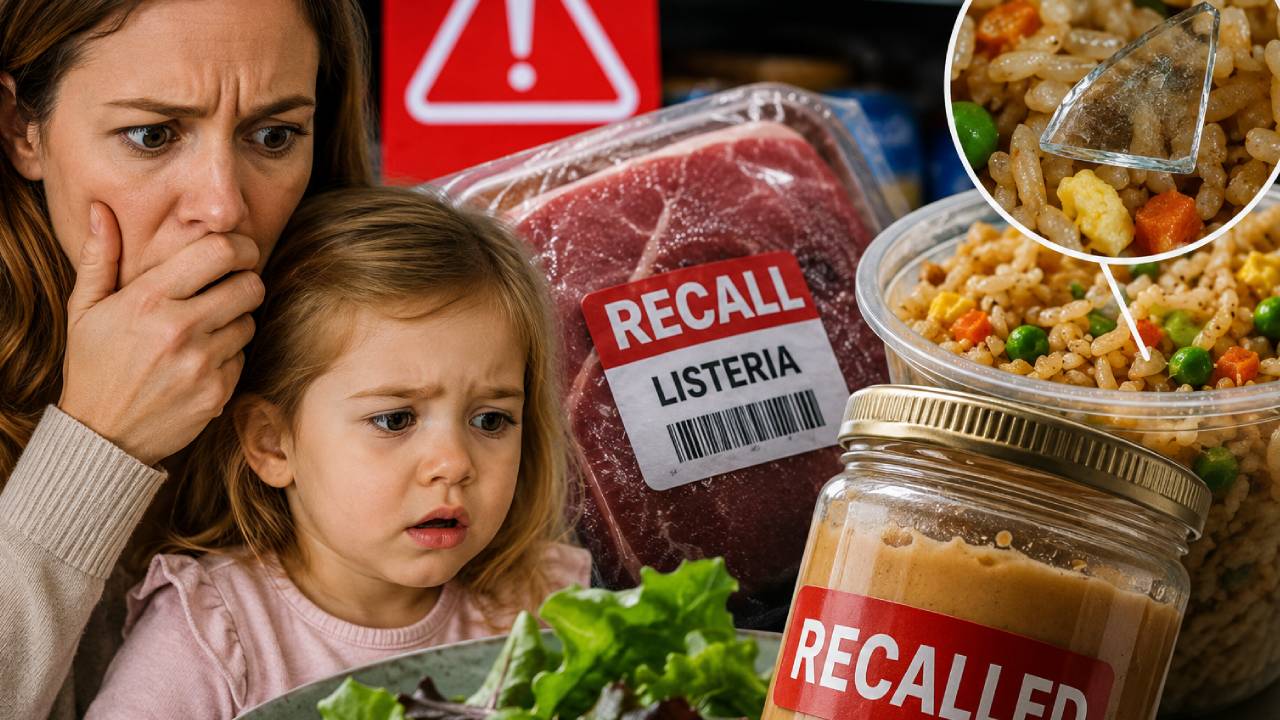
Recalls happen more often than most shoppers realize. In many cases, they involve limited batches, small distribution areas, or products that never make it into the average family’s kitchen. But some recalls are different. They involve foods people buy every week, products that may already be sitting in freezers and refrigerators, and health risks serious enough that families need to pay attention right away.
So far, 2026 has already seen several major food recalls with unusually serious consequences. Some have involved dangerous bacterial contamination, including Listeria, while others have centered on unexpected hazards like pieces of glass found in frozen meals. One recall was tied to soft cheese and reported deaths, while another affected nearly 37 million pounds of frozen fried rice. For parents, caregivers, and anyone who regularly shops for a household, these are not the kinds of recalls to ignore.
What makes food recalls especially concerning is that contaminated products often look, smell, and taste completely normal. Bacteria like Listeria and E. coli do not leave obvious signs, which means you cannot rely on appearance alone to decide whether something is safe. If you find one of these recalled items in your home, the safest move is to follow the recall instructions, which usually means throwing it away or returning it to the store for a refund.
Below are the most alarming food recalls of 2026 so far, including what was recalled, why it matters, and what families should know before taking another bite.
©Hadayeva Sviatlana/Shutterstock.com
Clover Hill Dairy Cheese: Listeria Outbreak
This is the most serious recall on the list and one you need to be especially aware of. The FDA and CDC have been investigating a multistate and multi-year Listeria monocytogenes outbreak associated with cheese products from Clover Hill Dairy, including requeson, cuajada, and hard cheeses. According to the FDA's June 24 update, there are 12 illnesses, 10 hospitalizations, and one death related to the outbreak in four states.
The recall was expanded to include all cheese products produced by Clover Hill Dairy. There could be some cases where the products have been marketed under different brand names, so if you purchase soft or fresh Hispanic-style cheeses and don't know their source, make sure to check the label.
Listeria is especially harmful to pregnant women, older adults, and people with weakened immune system. If you purchased any cheese from Clover Hill Dairy recently, get rid of it or return it for a refund.
a2 Platinum Infant Formula: Cereulide Toxin
Any recall involving formula is alarming, to say the least. In May 2026, the a2 Milk Company recalled three specific batches of a2 Platinum Premium USA infant formula (0-12 months) due to the presence of cereulide, a heat-resistant toxin produced by certain strains of Bacillus cereus bacteria. Heat-resistant means that even mixing this formula in hot water will not neutralize the toxin.

©New Africa/Shutterstock.com
The toxin was found in one of the ingredients in the formula. Nausea and vomiting typically appear within 30 minutes to 6 hours of ingestion. Babies are more susceptible to dehydration and other health issues compared to adults. Out of 63,000 units recalled, roughly 16,000 were already sold to customers. The batches under question are 31.7 oz tins with use-by dates of July 15, 2026; January 15, 2027; and January 21, 2027. The batches have numbers 2210269454, 2210324609, and 2210321712 written on the bottom of each tin. If you have any of these, don’t use them and contact a2MC at 1-844-422-6455 as soon as possible.
California Dairies Powdered Milk: Salmonella Ripple Effect
This recall is especially concerning because it did not stop with one product or one grocery aisle. California Dairies recalled bulk powdered milk and buttermilk powder after the ingredients were found to have potential Salmonella contamination. Since those ingredients were used by other manufacturers, the problem spread into multiple foods sold under different brands and at different retailers. Related recalls included snack mixes, Kroger croutons, Motor City Pizza Co. cheese bread, and several frozen pizzas sold at stores such as Walmart, ALDI, and other major supermarkets.
That downstream effect is what makes this recall harder for families to track. You may not have purchased powdered milk directly, but you could still have a product made with the recalled ingredient sitting in your pantry or freezer. Both the FDA and FSIS warned that additional affected products may not have been identified yet, so shoppers should carefully compare snack mixes, croutons, cheese breads, and frozen pizzas against the recall notices. If you find a matching product, do not eat it. Follow the recall instructions, which usually recommend throwing it away or returning it to the store for a refund.
RAW FARM Raw Cheddar Cheese: E. coli Outbreak, No Recall Issued
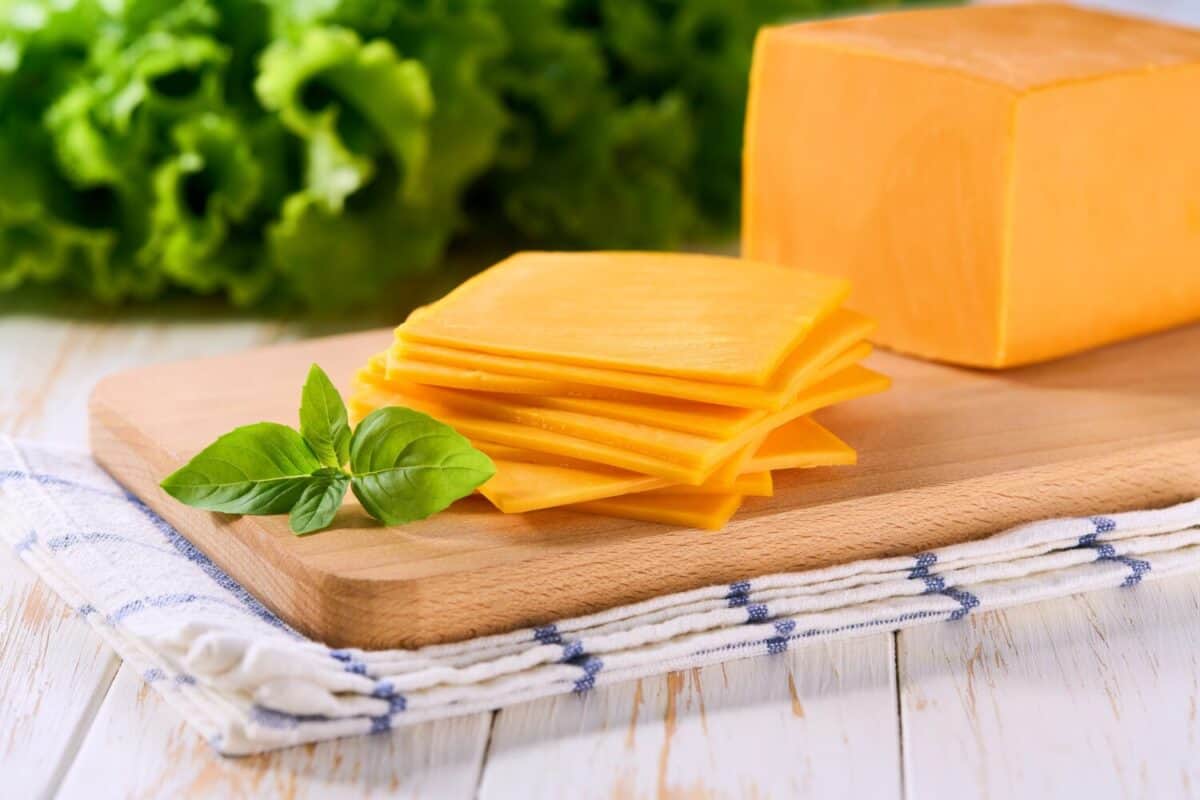
This case is a little different because there hasn’t been an official recall. According to the FDA, RAW FARM-branded Raw Cheddar Cheeses have been identified as causing an E. coli outbreak that resulted in seven confirmed infections in California, Florida, and Texas, including four cases of children below the age of three. This type of bacteria can lead to hemolytic uremic syndrome, which is a severe renal disease.
©itor/Shutterstock.com
The company disputed the findings and did not recall the product, but the fact that there was no recall does not mean the risk disappeared. You need to check if you have been purchasing raw milk cheeses from this brand and if you did, it’s best to play it safe and throw it away.
Ajinomoto Frozen Fried Rice, Ramen, and Dumplings: Possible Glass Contamination
This is the one that probably hit the most family freezers in the U.S. Ajinomoto Foods North America expanded an existing recall related to possible glass contamination in their frozen fried rice, ramen, and shumai dumplings, including Trader Joe's Chicken Fried Rice, Vegetable Fried Rice, Japanese Style Fried Rice, and Chicken Shu Mai. FSIS stated that the overall quantity involved was about 36.99 million pounds, which makes it one of the biggest food recalls of the year.
The pieces of glass found in the food were up to 3 centimeters long and between 2-4 millimeters wide. That's not a trace amount. Make sure you go through your stock of Ajinomoto and Trader Joe's frozen fried rice and dumplings in the freezer and check the best-by dates against the official recall list before serving them.
Synear Supreme Soup Dumplings: Undeclared Peanut Allergen
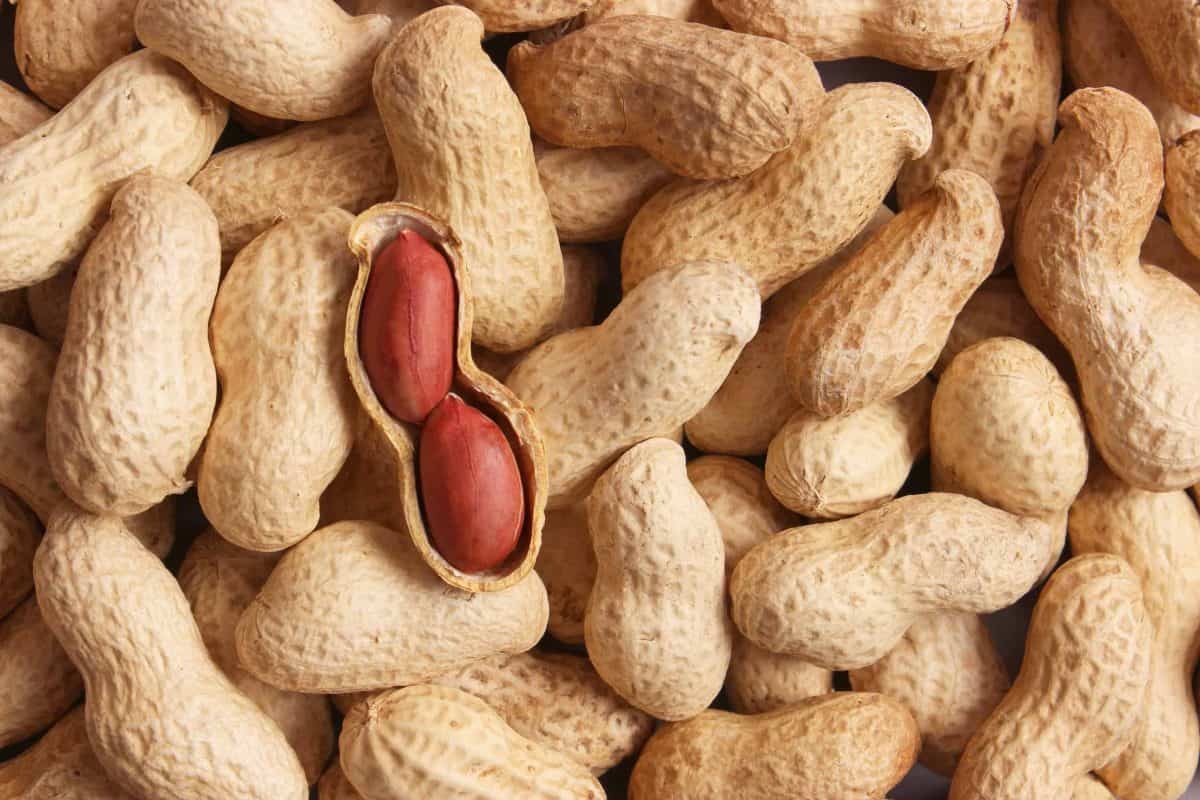
This one is easy to miss since anything related to pork and crab soup dumplings is not expected to contain peanuts. That is why it is so dangerous. Synear Foods USA recalled approximately 71,603 pounds of its frozen pork and crab soup dumplings after federal inspectors discovered that the product contained undeclared peanut oil during a routine allergen check.
©iStock.com/White Bear Studio
FSIS put this one into the Class I recall category, which is the highest risk level and means that there is a reasonable probability of serious health consequences or even death for people with a peanut allergy. The items were shipped to retail locations in California, New Jersey, and Washington. If you still have bags of Synear Supreme Soup Dumpling Pork & Crab in your freezer, check the best-by dates. Affected packages run from October 15, 2026, through February 23, 2027.
Spring & Mulberry Chocolate Bars: Possible Salmonella
This recall began modestly but has been escalating over time. In January 2026, Spring & Mulberry initiated a recall of one of its date-sweetened chocolate bar flavors following routine tests that showed probable contamination with Salmonella. In May, after the source was traced to one lot of dates used in manufacturing, the recall included all 12 flavors of the chocolate bars, which include Blood Orange, Coffee, Earl Grey, Lavender Rose, Mango Chili, Mint Leaf, Mixed Berry, Mulberry Fennel, Pecan Date, Pure Dark, Pure Dark Minis, and Sea Salt.
The products being recalled have been available in the market since August 2025 via online sales and specialty retailers throughout the United States. The recall is a precautionary measure. No illnesses have been reported so far, and all recalled products tested negative for Salmonella. Nevertheless, if you have any Spring & Mulberry chocolate bars, check the lot code printed at the back of the product against the full list provided by the FDA in the recall notice.
Suzanna's Kitchen Ready-to-Eat Grilled Chicken Breast: Listeria Risk
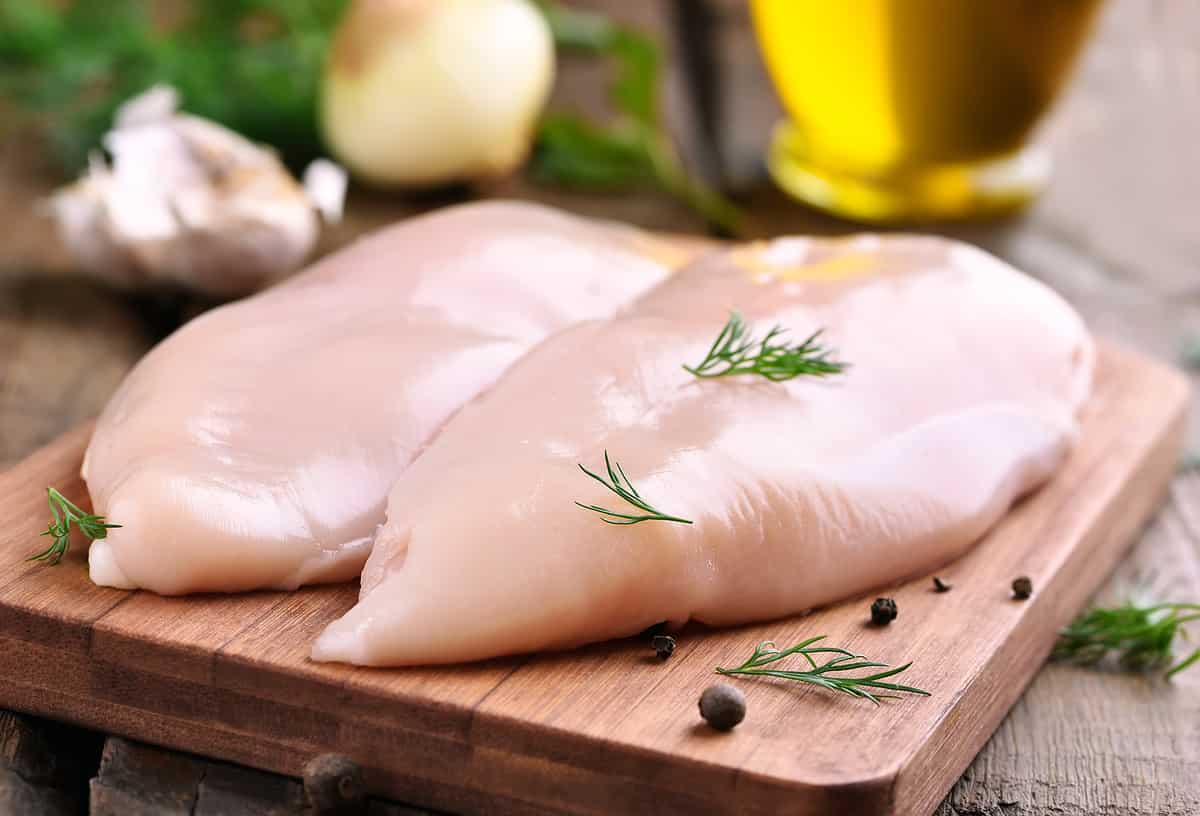
Ready-to-eat recalls can be especially serious because there is no final cooking step to help reduce the risk before the food is served. Suzanna’s Kitchen recalled about 13,720 pounds of ready-to-eat grilled chicken breast fillets after concerns that the products may have been contaminated with Listeria monocytogenes. Since these chicken fillets were already fully cooked and designed to be eaten with little or no additional preparation, the recall created a higher level of concern for households that rely on quick meals, meal prep, or packaged protein options.
Listeria is particularly dangerous because contaminated food can look and smell completely normal, giving families no obvious warning sign. The risk is especially high for pregnant women, newborns, older adults, and people with weakened immune systems, who are more likely to develop severe illness from exposure. Anyone who has these recalled chicken fillets should not eat them, even if the package appears fine. The safest step is to check the product details against the recall notice and either throw the item away or return it according to the company’s instructions.
©iStock.com/voltan1
Fly By Jing Creamy Sesame Noodles: Undeclared Peanut Cross-Contact
This is a different kind of peanut recall. Peanut exposure can cause life-threatening anaphylactic reactions, and this is the kind of recall that catches people off guard. Fly By Jing issued a voluntary recall of some batches of its Creamy Sesame Noodles after the third-party manufacturer that made them was found to have been processing peanuts on the same equipment.
The products were distributed across the United States via Whole Foods, Thrive Market, and online retailers. If you or anyone in your family has an allergy to peanuts and have purchased this product between February and May 2026, check the specific UPCs and best-by dates against the FDA recall notice.
Birch Benders Sweet Potato Pancake & Waffle Mix: Undeclared Egg Allergen
Pancake mix stays in your pantry for a long time, and that is why you should check this recall no matter how long ago you got it. Hometown Food Company announced the voluntary recall of the 12 oz Sweet Potato Pancake & Waffle Mix by Birch Benders because of an undeclared egg allergen. The affected bags have Lot Code 5 265 and a Best-If-Used-By date of 03/24/2027, meaning that if you typically buy these, there is a good chance some are still in your kitchen right now. If you have someone in your family who is allergic to eggs, this is a serious risk. Check your lot code and if it matches, do not eat the product. Contact Hometown Food Company at 1-855-206-9517 for refund information.