
When your new baby has their first cold, parenting anxieties can rise. Logically, we know that colds are pretty standard, and no one makes it through life without at least one. However, newborns seem so fragile that it can be alarming the first time they have a stuffy nose or tiny cough.
Our inner parenting alarms may go off; surely, we need to call the doctor. But did you know that it's not abnormal for a baby to have 6 to 10 colds per year in the first two years of life? So, before you run to the phone, take a deep breath. Keep reading for the symptoms to look out for and tactics you can use to help your new baby feel more comfortable and give yourself peace of mind when their first cold hits.
How Common Are Colds for Newborns?

©paulaphoto/Shutterstock.com
In the thick of winter, it's normal to be worried about our baby catching all kinds of illnesses. Especially if your baby is brand new. My firstborn daughter was born in the middle of December, two months early. When she came home from the NICU in February, I didn't take her out of the house until well into spring. The thought of her getting sick was almost unbearable. I know I am not the only parent who feels that way. It doesn't matter if your baby was born early or right on time; the thought of the first time your baby becomes sick can feel overwhelming.
However, the truth is, they call colds common for a reason. There are over 200 viruses that cause colds. These viruses live in the air and on hard surfaces and can spread with indirect contact. This means all it takes is a trip to the store or the doctor's office, and your new baby could be exposed to a cold virus. Don't fret, though; there are several ways to reduce the risk of exposure to these viruses.
How to Prevent a Cold in a New Baby

©PeopleImages.com – Yuri A/Shutterstock.com
Colds aren't 100% preventable, but there are steps you can take to reduce the likelihood of your new baby catching one. One of the most effective ways to reduce the risk is to emphasize proper hygiene. Wash your hands frequently before holding a new baby.
This is an excellent rule for anyone who will come into contact with your newborn. If an adult or child is sick or shows apparent signs of illness, it's okay to tell them they cannot be around the new baby. Clean surfaces often, and disinfect pacifiers and toys.
Another way to reduce exposure to cold viruses is by limiting your time in crowded places. This includes stores, malls, and any place where there will be a large gathering.
Additionally, while not everyone chooses to or can breastfeed, it has been proven that breastfeeding reduces a baby's risk of colds because the antibodies in breastmilk boost a baby's immunity.
It's also a good idea to remind those around you not to kiss new babies, no matter how squishy their little cheeks are!
What to Expect if Your Newborn Has a Cold
Of course, we can do all the preventive care possible, and somehow our baby may still come down with a cold. If this happens, remember there are ways to make your baby more comfortable and ease your mind.
The most common symptoms in newborns with a cold are fussiness and nasal discharge or stuffiness. If your baby is under three months old and develops a fever of 100.4°F (38°C) or higher, or has symptoms such as trouble breathing, refusing to eat, or unusual crankiness, you should call their primary care physician. They will most likely want to see your baby, and discussing any concerns will also likely give you peace of mind.
A cold can happen at any time of year. However, they are more prevalent during the winter months. If your baby is around older children often, they may be more susceptible to catching a cold. Although colds are common, they can turn into something more serious. That is why it is important to keep an eye on your newborn if they do have a cold and call their primary care doctor if you have concerns.
Look for These Symptoms in Newborns
While fussiness and a stuffy or runny nose are typically the first signs your baby has a cold, they may have other symptoms as well, such as:
- Coughing
- Reduced appetite
- Not wanting the bottle
- Trouble staying asleep or falling asleep
- Fever
- Sneezing
Is it Really a Cold?
©PeopleImages.com – Yuri A/Shutterstock.com
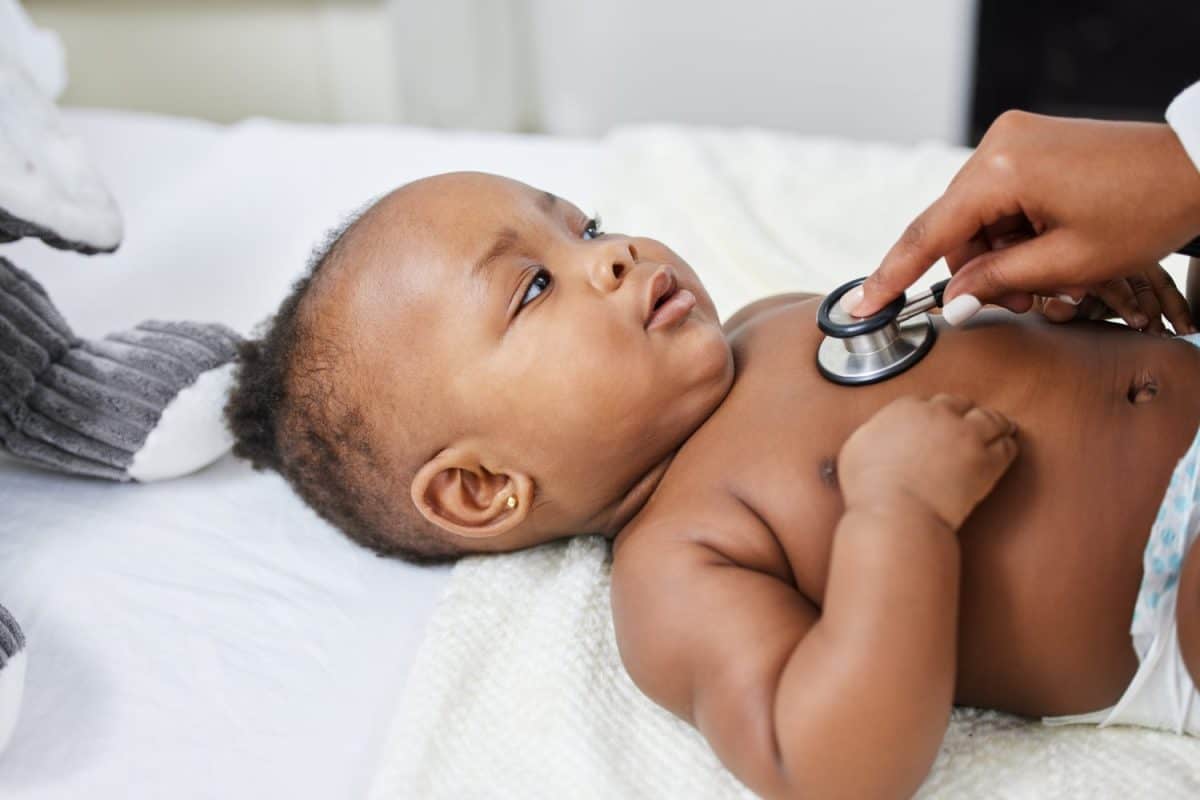
One of the most common questions a parent has when their new baby is sick is, “Is it really a cold?” While a sickness may often present as a cold at first, it can quickly turn into something more serious or be another illness entirely. If you are ever in doubt, it never hurts to have another set of eyes (a doctor) take a look at your baby's symptoms.
A few different illnesses that can be confused with a cold include Pneumonia, the flu, and croup.
- A cold can turn into croup, leading to hoarseness and difficulty breathing. One of the most telling signs of croup is a “barking cough,” or a stridor, which is high-pitched wheezing.
- Pneumonia is another illness that a cold can turn into. The telling signs of this sickness include a high fever, flushed skin, chills, and vomiting.
- Lastly, the flu can sometimes look like a cold at first. However, it may also have symptoms such as a sore throat, diarrhea, vomiting, and chills.
If you're wondering whether your baby has a common cold or another illness, studying the symptoms and seeing whether they worsen over time or stay the same is a good rule of thumb.
Treatment for Newborns with a Cold
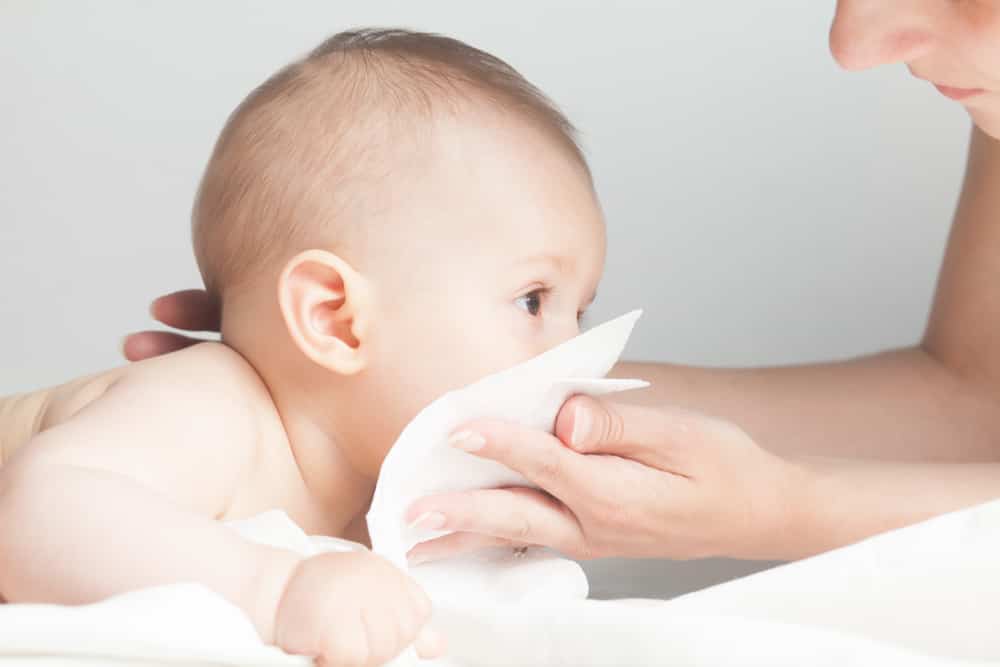
If your baby has a common cold, you may feel helpless. They can't take cold meds yet for comfort, as older kids and adults can. Still, there are a few things you can do to ease their comfort level. One of the most common things to do is to suction out their nose to make breathing easier. This can be done with saline drops and a suction bulb.
Additionally, using a cool-mist humidifier can help moisturize the air.
Lastly, make sure your baby is well-hydrated and offer plenty of liquids, such as breast milk and formula. Water is only recommended after six months of age.
When Should You Call the Doctor?
One of the first questions parents of newborns ask when their baby gets sick is, “When should I call the doctor?” It is recommended that a baby under three months old see a doctor if they develop a fever of 100.4°F (38°C) or higher, or have other concerning symptoms.
Additionally, if your baby has any of the following symptoms, a trip to the doctor is also advised:
- Diarrhea
- Vomiting
- Croupy cough
- Trouble breathing
- Retractions
- Bloody mucus
- If they are rubbing their ears
- Sign of pain anywhere
- A bluish tinge around their lips or nail pads
- Rash
- Odd-sounding cries
- Signs of dehydration
- Refusing to take a bottle or nurse
How to Keep Peace of Mind While Your Baby is Sick
©Cryptographer/Shutterstock.com
You are the expert on your child. If they seem off to you, don't second-guess yourself. While the main course of treatment for a baby with a cold is easing their symptoms, it's okay to check in with your doctor if you have questions or concerns.
Remember that over-the-counter meds shouldn't be given to newborns or young babies unless told directly by a doctor to do so.
Colds are common; almost all babies will come down with one in their first few years. They can feel daunting and scary, but you can get through these long days with confidence as your child's parent. Trust your gut, and remember that each cold your baby fights and conquers will, in the end, strengthen their immune system. While colds themselves are not dangerous, they can turn into another illness. Therefore, if you need peace of mind, remember doctors are there to help!
The image featured at the top of this post is ©Lopolo/Shutterstock.com