
In 2025, we saw the biggest measles outbreak in the U.S. since 1991. A total of 2,225 cases were reported, with most reported in Utah, Arizona, and South Carolina. Approximately 11% of those who fell ill were hospitalized, and there were three fatalities. This sparked fear among many parents after a record-breaking year of infections.
As of late January 2026, 416 measles cases have been confirmed. According to the CDC, many of these are linked to infections that began in 2025. While no outbreaks have been reported, there's still one question on everyone's mind: How can you keep your family safe in the event of a measles outbreak? We speak with an infectious disease specialist to find the answer.
What's the Root Cause of Measles Outbreaks?
Measles is highly contagious, which is why it's so challenging to stop once it starts spreading. Dr. Jeffrey Scott Kahn, an infectious disease specialist at Children's Health, explains how the 2025 outbreak happened.
“This is a predictable pattern when two things happen at once: measles is introduced into a community, and vaccination rates are low enough that the virus can spread. The 2025 outbreak in Texas was a clear example of how quickly that can unfold. One introduction of the virus into a pocket of under-immunized people can ignite an outbreak that spreads fast and widely,” he says.
©Sorapop Udomsri/Shutterstock.com
Dr. Kahn adds that measles is built for transmission, spreading from person to person with little effort. “It spreads through the air, and it can linger for up to two hours after a sick person has coughed or sneezed. That means you do not need close, prolonged contact to be exposed. Once it gets into a community with many unvaccinated people, it can spread with remarkable efficiency,” he explains. “The recent outbreaks of measles in Texas, Utah, Arizona, South Carolina, and elsewhere show what can happen when we let our guard down.”
Common Measles Symptoms and Red Flags
Given that measles can often start like a common respiratory virus, it's crucial to know its markers. These range from rashes to allergy-like symptoms, but Dr. Kahn says there are specific signs to watch out for.
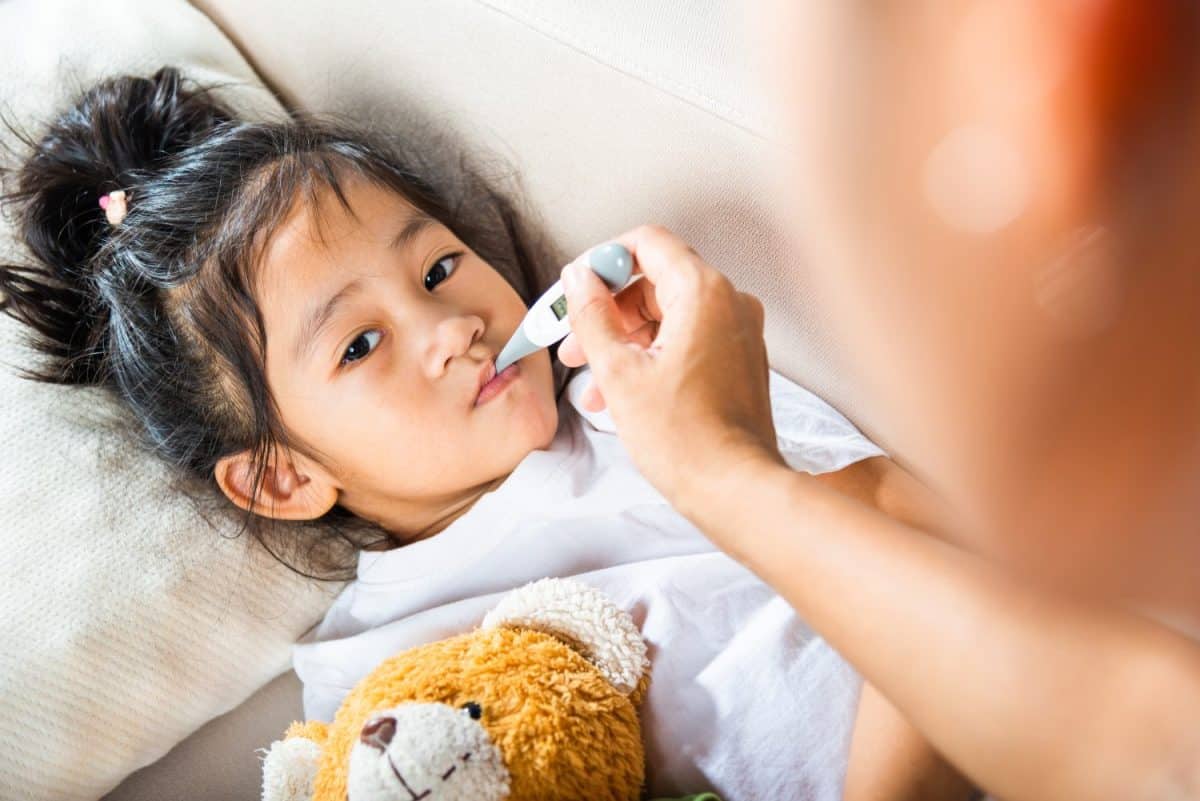
“Measles often starts with symptoms that can feel like a bad respiratory virus: high fever, cough, runny nose, and red, watery eyes. One classic sign clinicians watch for is Koplik spots, which are small white spots inside the mouth surrounded by redness, and then a red rash that typically starts on the face and spreads to the rest of the body. The rash often shows up after a few days of fever,” he says.

©JabaWeba/Shutterstock.com
Since there's no specific antiviral cure for measles, care should focus on relieving symptoms and monitoring for complications. Dr. Kahn recommends rest, plenty of fluids, and fever-reducing medications such as acetaminophen or ibuprofen. He adds that vitamin A may be used in some children who already have measles to reduce severity, but this should be discussed with medical guidance.
“What parents should not try to do is ‘wait it out' if there are signs of serious complications,” Dr. Kahn stresses. “Measles can lead to severe outcomes like pneumonia or brain swelling (encephalitis), and those require immediate medical attention. If you suspect exposure or your child develops symptoms consistent with measles, contact your pediatrician for guidance.”
How Can Parents Be Proactive in Guarding Against Measles?
The good news is that there are steps that concerned parents can take. Dr. Kahn provides a list of action items, but also encourages parents to keep it simple. His recommendations include:
- Confirm that your child is up to date on the MMR (Measles, Mumps, and Rubella) vaccines. If you are not sure, call your pediatrician and check.
- If you have a baby under 12 months, their protection comes from the adults and older kids around them. During outbreaks, it is smart to avoid unnecessary exposure to crowded settings when possible, and make sure parents, siblings, caregivers, and close family are up to date on vaccines.
- Know how contagious measles is, so you can take outbreaks seriously without panicking. If an unvaccinated person is exposed, the risk of infection is very high.
- Do not rely on misinformation as a substitute for vaccination. For example, vitamin A does not prevent measles, and cod liver oil does not prevent or cure measles. Vaccination is the best way to prevent measles and its complications.
“The big picture is this: babies who are too young to get MMR rely on community protection. When vaccination rates dip, they are among the first to be put at risk,” Dr. Kahn says. He also recommends discussing a vaccination schedule with your pediatrician if you plan to travel to or through high-risk areas.
How Effective is the Measles Vaccine?
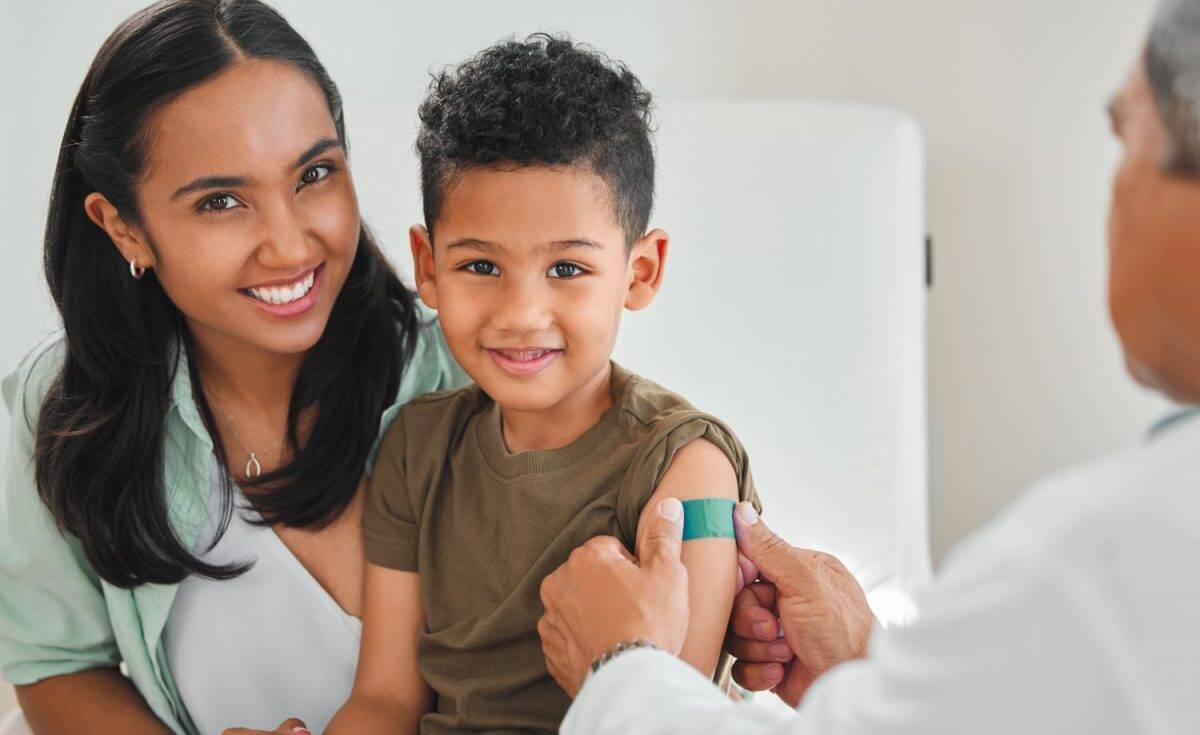
Statistically speaking, two doses of the MMR vaccine are proven 97% effective. Even just one dose of the vaccine is 93% effective at preventing measles. It provides lifelong protection against the virus and is strongly recommended by Dr. Kahn.

©DavideAngelini/Shutterstock.com
“That level of protection is exactly why widespread vaccination was able to drive measles so low in the U.S. for many years,” he says. “For boosters, most adults who received the measles vaccine do not need one. One group that may consider an additional dose is adults vaccinated between 1963 and 1967, because the vaccine used then was less effective than the current version. Adults who are unsure about their vaccination status can talk with their doctor about a blood test or an additional MMR dose.”
Will Measles Soon Become As Common As the Flu?
A big question on many concerned parents' minds is whether measles will soon become as prevalent as the flu virus. While these outbreaks are concerning, they are not without cause. And, according to Dr. Kahn, it's unlikely they will become the norm.
“In the short term, it is highly unlikely that the measles numbers will match the influenza numbers. This is due to a variety of factors, including the effectiveness of the measles vaccine as compared to the influenza vaccines and the percentage of individuals in the population who are immunized. The measles vaccine, unlike the influenza vaccines, provides lifelong protection against infection after two doses to over 95% of recipients. The effectiveness of a single dose is nearly as good,” he says.
©PeopleImages/Shutterstock.com
Dr. Kahn also explains that, despite declining immunization rates, the number of vaccinated individuals remains high. He adds that there's a significant difference between the measles and influenza vaccines. “The influenza vaccines, on the other hand, do not protect against infection, but rather protect against hospitalization and death. Further, influenza vaccines need to be reformulated each year based on the strains predicted to circulate in the upcoming flu season, and the match is often less than expected. Ideally, influenza vaccines would be just as effective as the measles vaccine, though this is not the case,” he says.
“In addition, the influenza immunization rates are lacking. Given these shortcomings of the influenza vaccines, seasonal influenza epidemics will continue to occur, and unless there are dramatic changes, the influenza numbers, including infections and deaths, will be much greater than those of measles,” Dr. Kahn adds reassuringly. Even so, for parents looking to protect their families from measles, vaccines remain the best protection against this highly contagious virus.
“Parents deserve straight talk here: the reason many families have never seen measles is because vaccines have worked for decades. When we let our guard down, we start to see measles again.”
Dr. Jeffrey Scott Kahn, an infectious disease specialist at Children's Health
The image featured at the top of this post is ©Lopolo/Shutterstock.com