





The Average Parent Can't Properly Identify These Baby Safety Hazards
Being a parent, especially when you're having your first baby, comes with a lot of worry and anxiety. Your goal is to keep your little one safe, and it may feel like everything is a hazard when your baby is that small.
Baby proofing is a great way to prevent your little one from getting hurt, but not every baby safety hazard is obvious. In fact, there are some safety hazards that the average parent may not be able to identify. Before you determine that your house is baby-proofed, be sure to check out these common safety hazards.
Comforters Aren't Just Cute Decor
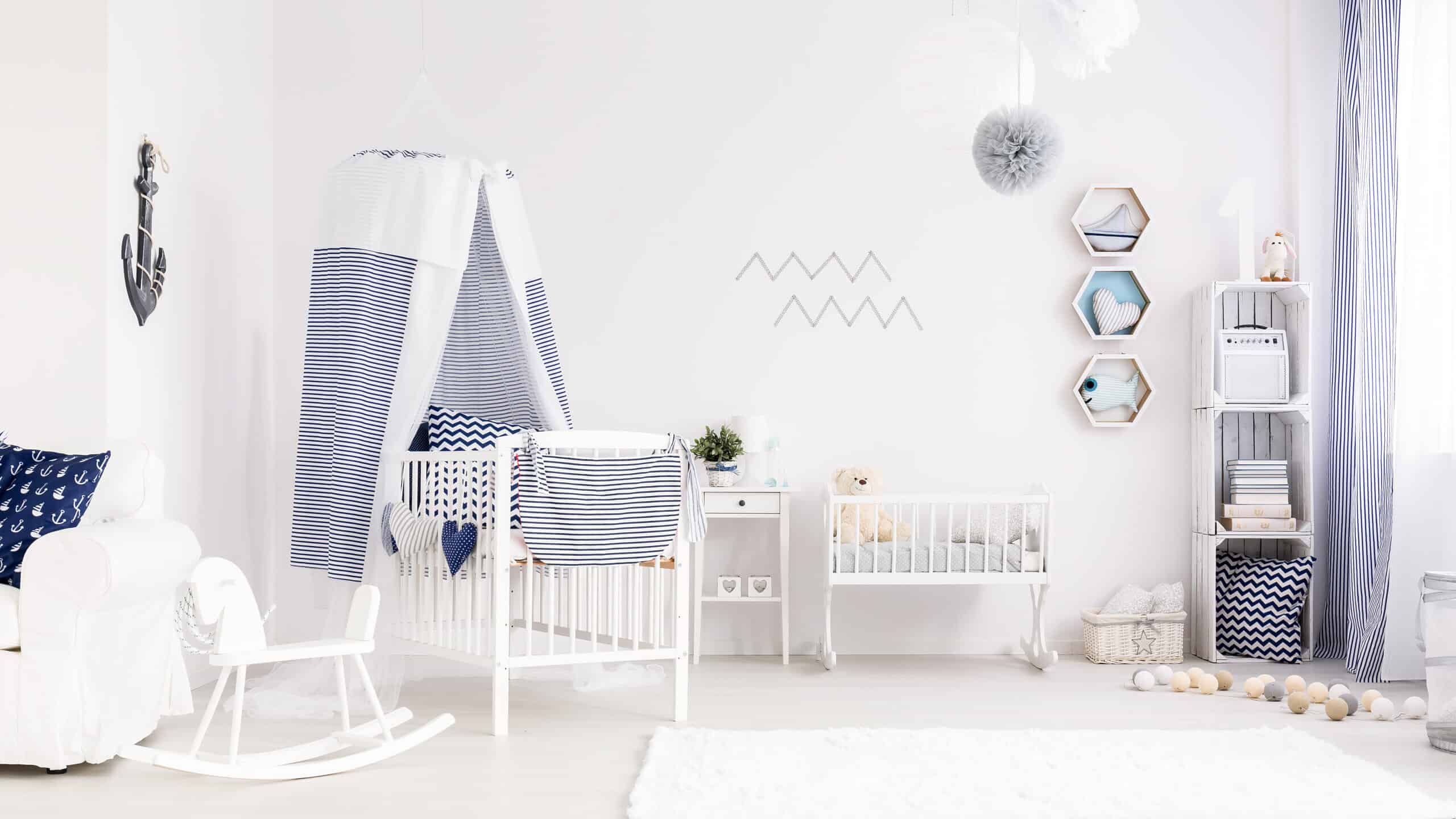
When you're decorating your baby's nursery, you might purchase some cute bedding, stuffed animals, and even crib bumpers. Although some new parents still purchase these types of bedding and decor, they're not always considered safe. Soft bedding and crib bumpers can both pose a risk of suffocation. To keep your little one safe, it's recommended that you avoid using crib bumpers and avoid putting any soft bedding, comforters, or pillows in their crib or bassinet.
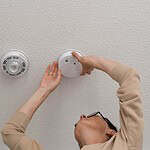
Have You Checked Your Smoke Alarm Lately?
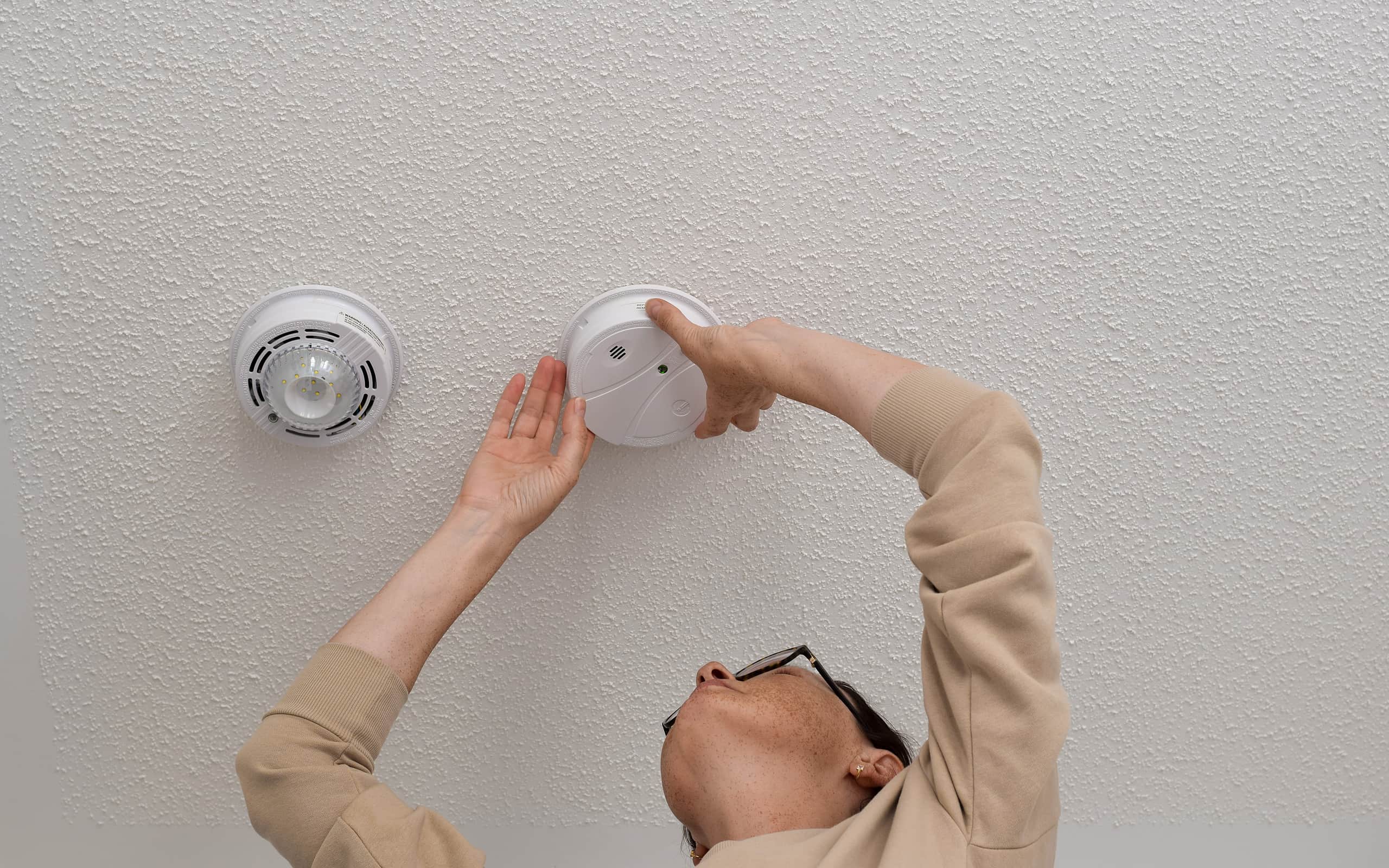
Smoke alarms are one of the most important items you can have in your home, but they don't do you any good if they don't work. According to Safe Kids Worldwide, 96% of parents reported that they have a smoke alarm, but 14% of parents said they never check the battery. A working smoke alarm can significantly reduce the risk of death if a fire occurs.
Window Guards Are a Necessity
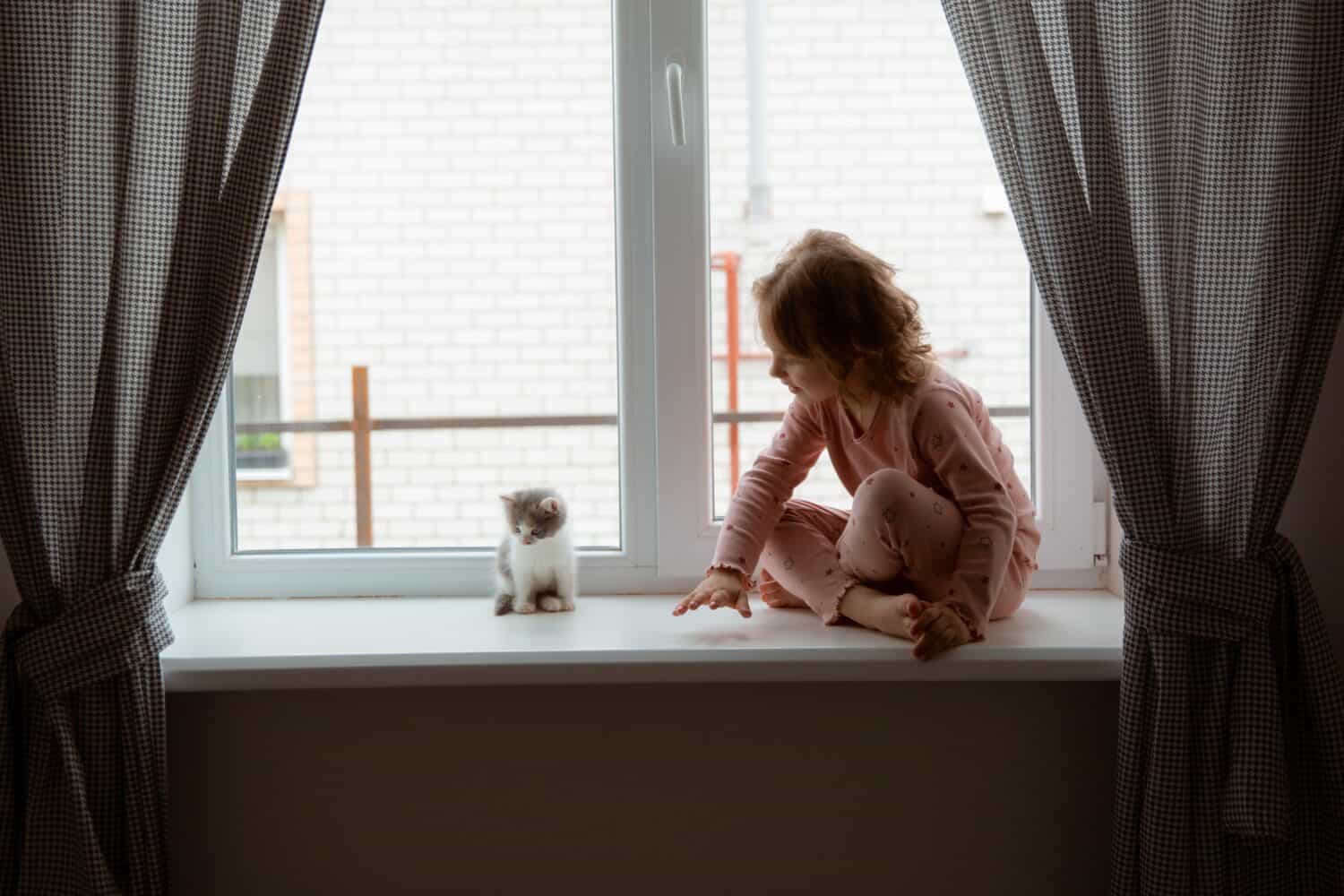
Of all the hazards in your house, windows may be one you think the least about. When your kids are really little, there's not much of a danger there. However, once your baby starts toddling around, it's important to install window guards. Falls from a window are preventable, but over 3,000 children are injured from falling out of a window every year.
Medicine Is More Dangerous Than Outlets
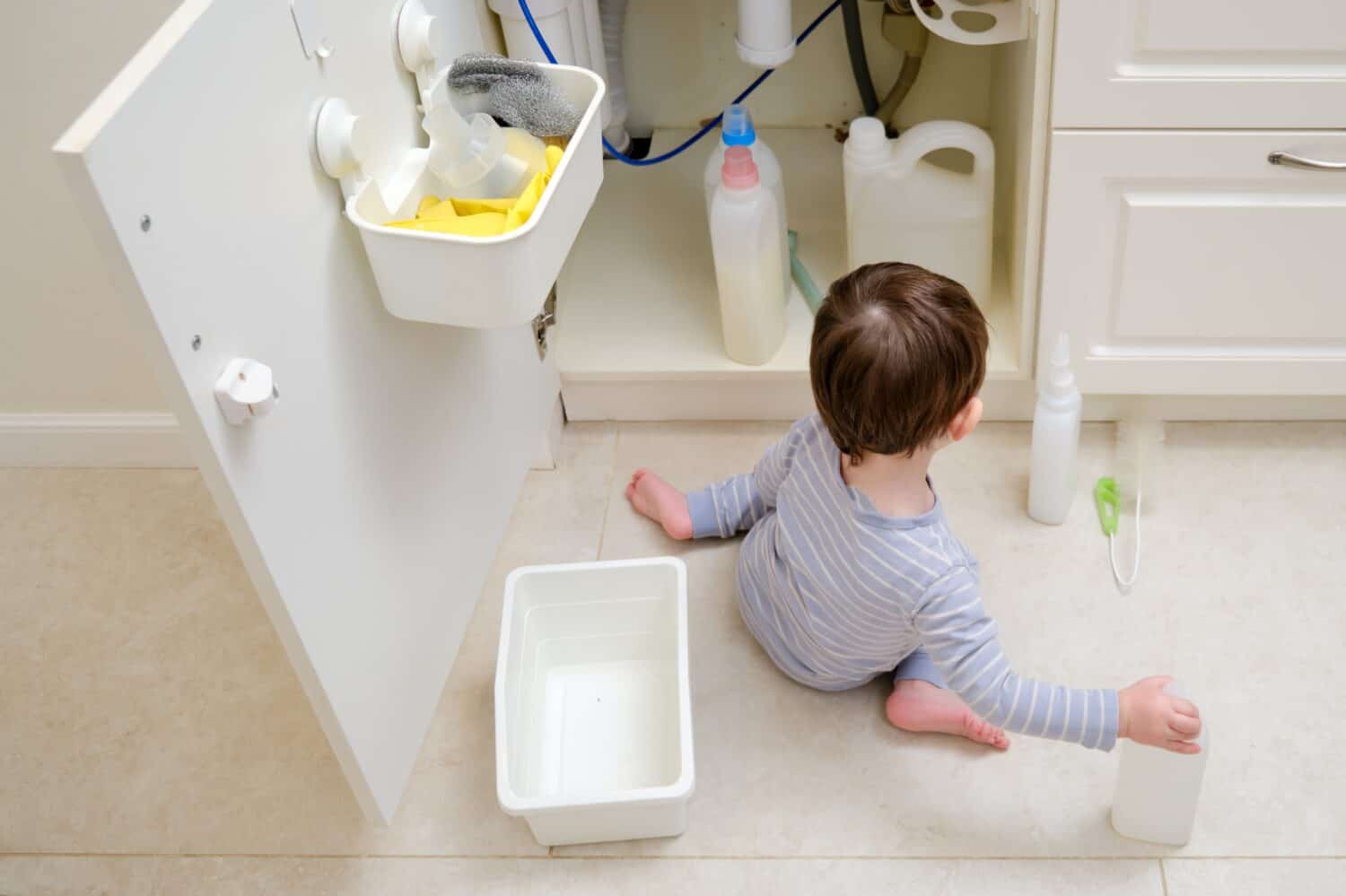
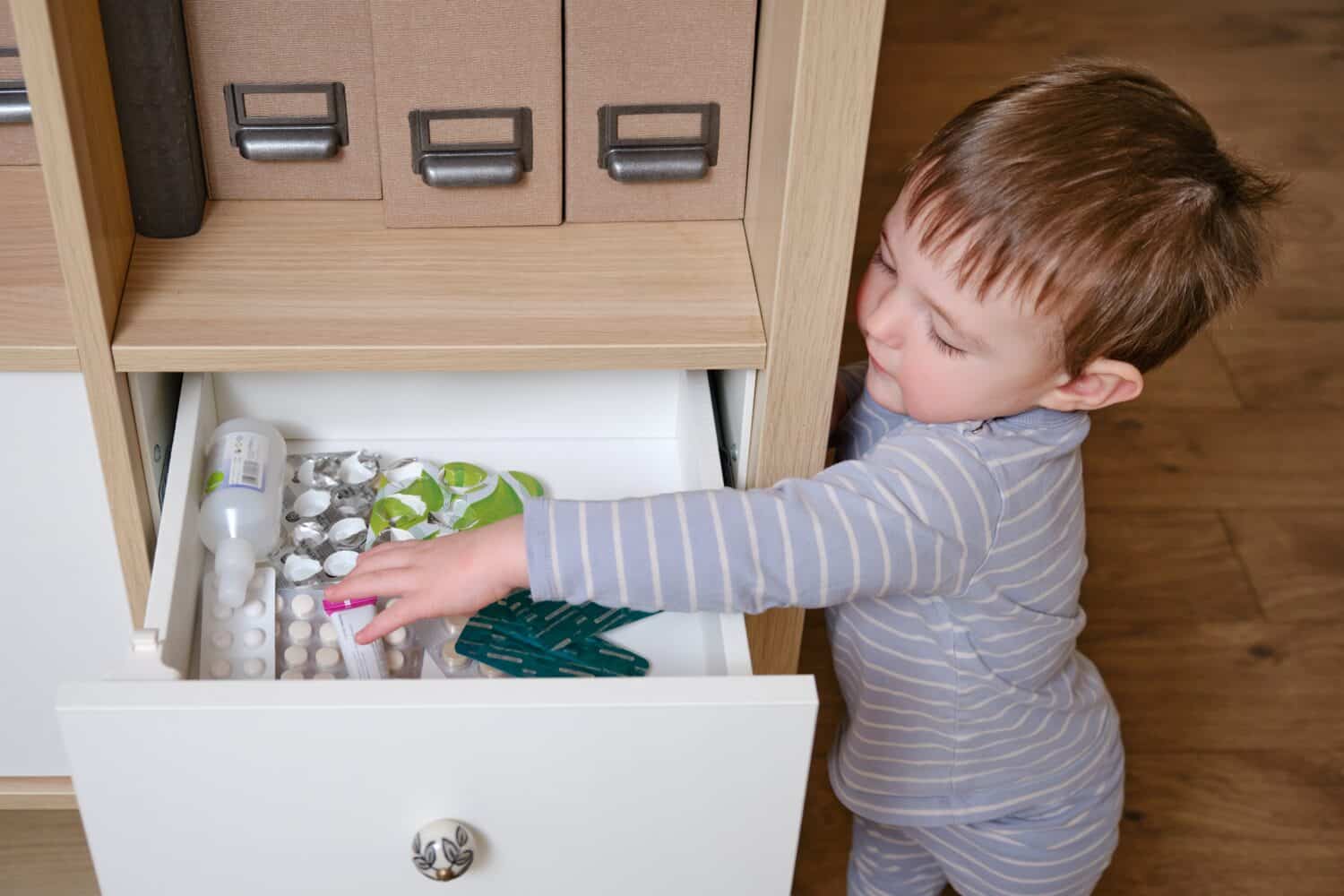
Electrical outlets are a well-known baby safety hazard. There's a good chance you purchased outlet covers when you were baby-proofing your house. There's certainly nothing wrong with that! What is concerning is that according to Safe Kids Worldwide, only 4% of parents expressed concern about poisoning, which is a far greater hazard than outlets. In fact, 36 times more children go to the ER for medicine poisoning than for injuries related to electrical outlets.
It's Not a Race to Forward-Facing
There are a lot of arguments about car seats and car seat safety online, but it really shouldn't be up for debate. Children should stay rear-facing in their car seat at least until they're one year old. After the first year, it's best to keep your child rear-facing as long as possible, generally until they've outgrown the rear-facing height or weight limits on the car seat. Even if your child protests facing that way, their safety is most important.
Balloons Aren't Always the Best Way to Celebrate
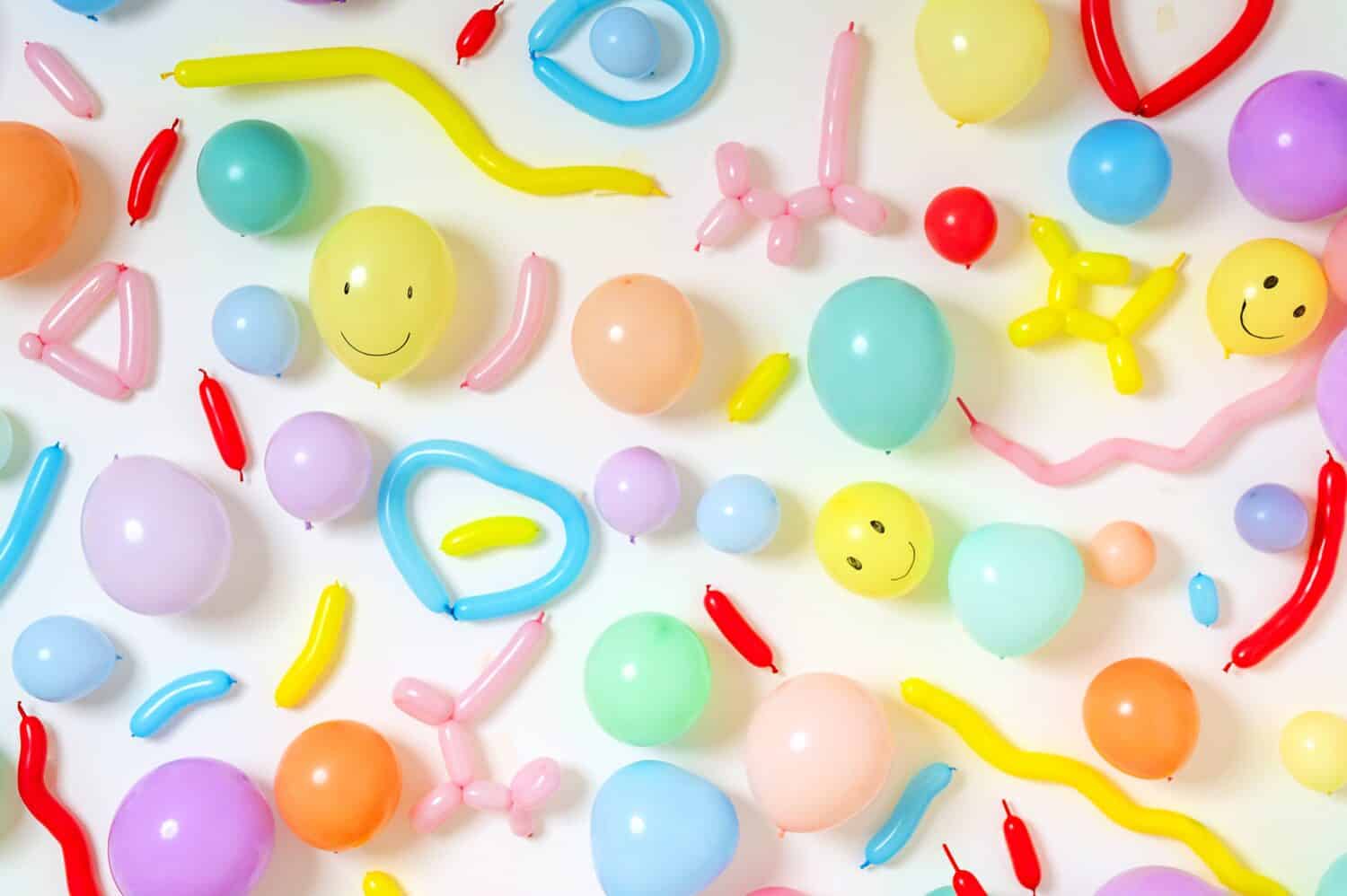
Balloons are such a fun way to celebrate birthdays, and kids love playing with them. Most parents don't realize, though, how much of a hazard balloons can be. With little kids, especially, balloons can be a serious choking hazard. If they pop, infants and toddlers may be tempted to put the pieces in their mouths. To avoid this hazard, you can choose Mylar balloons instead since they don't pop like latex balloons.
Check Your Water Heater
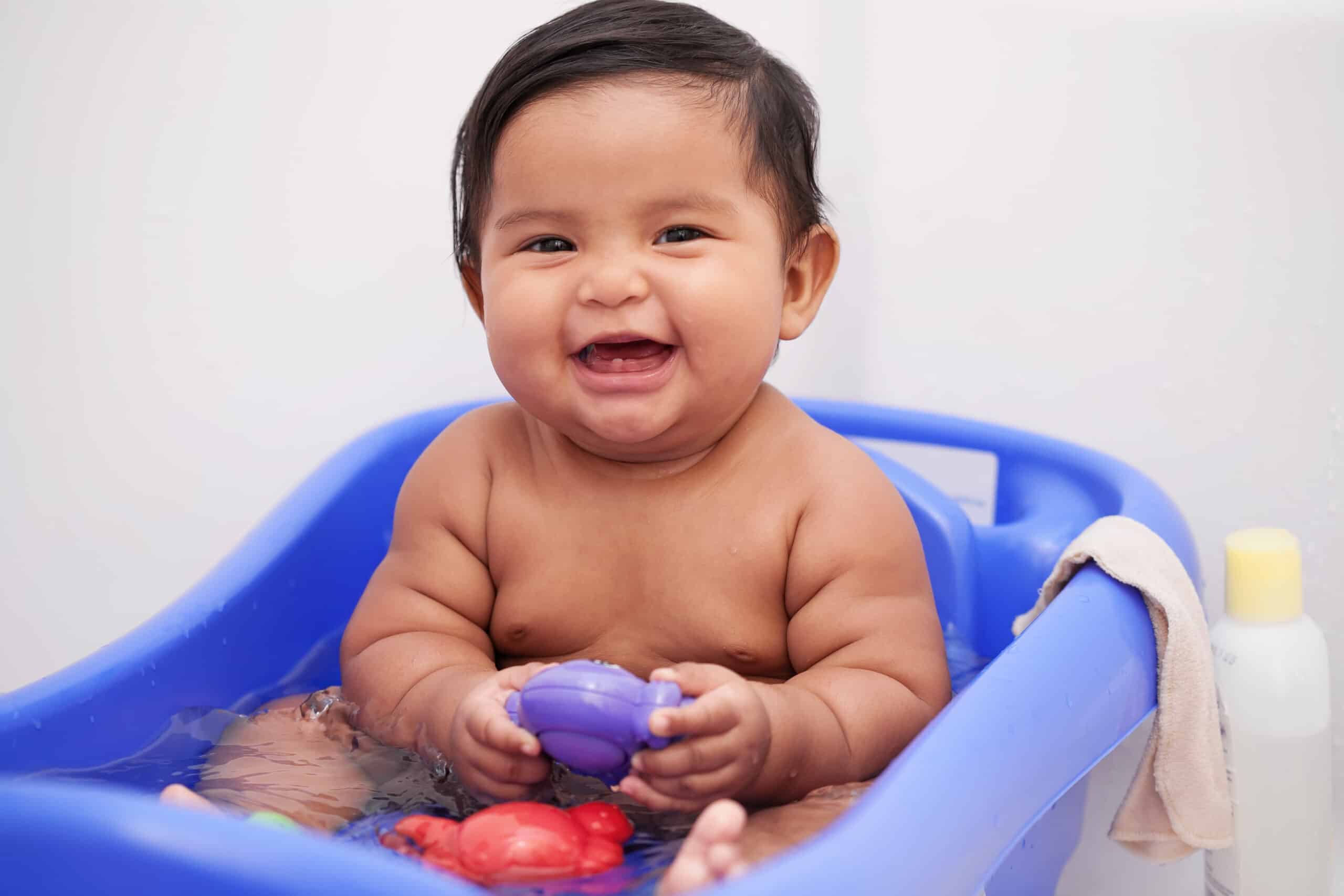
When you give your baby a bath, you're likely cautious about the temperature of the water. You might even have a bath thermometer to ensure it's not too hot. It's also important, however, to ensure your water heater is set to the right temperature. Sometimes, the water temperature can change while your child is in the bath, which may lead to unnecessary burns. Having your water heater set below 120° is the best way to prevent burns.
Food Safety Isn't About Parental Preference
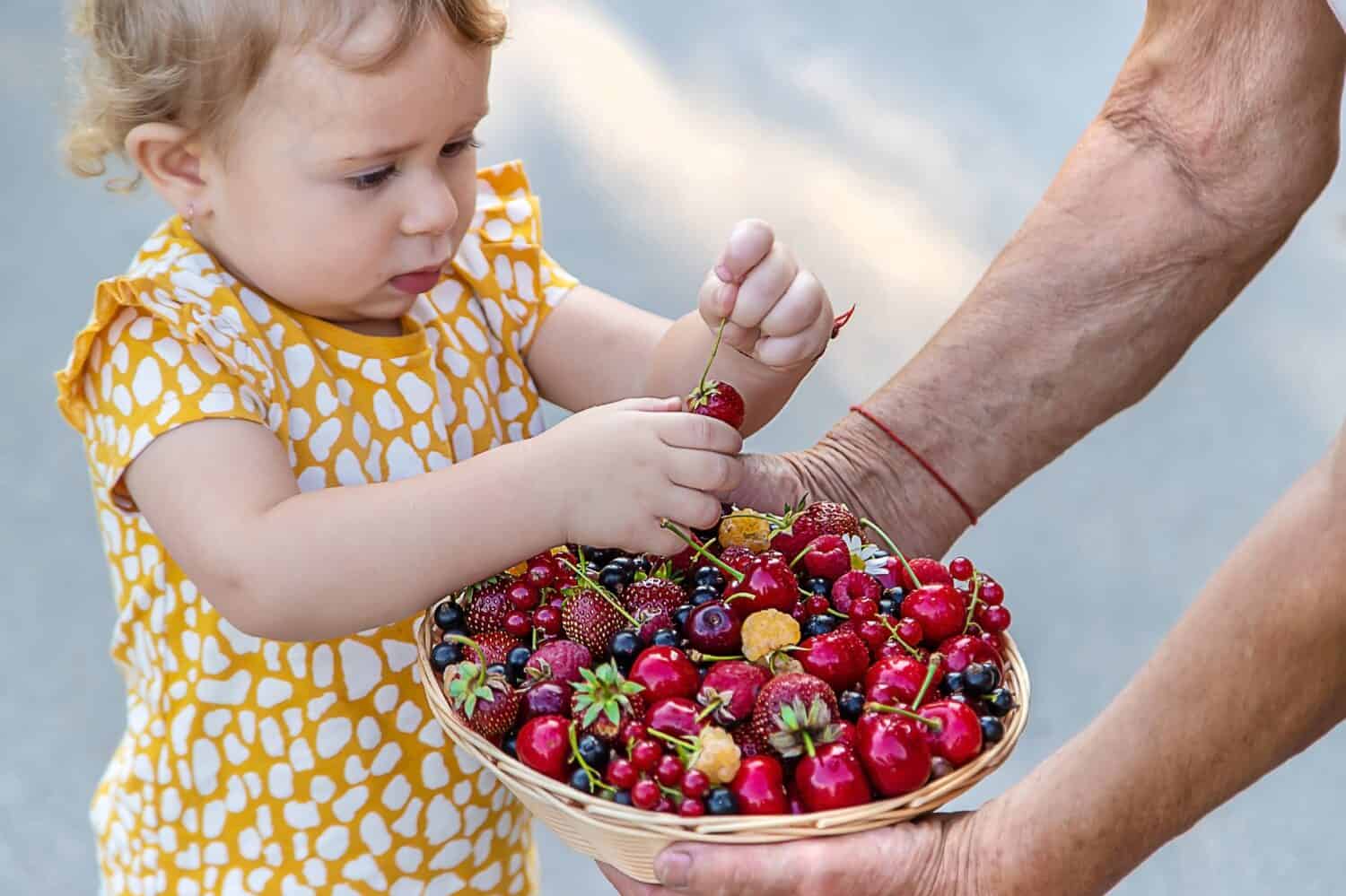
There are a lot of well-known choking hazards for young children, such as grapes, peanuts, and popcorn. Many parents don't realize that how you cut these food items for young children isn't just about preference — it's about preventing an emergency. For example, it's best to cut grapes into quarters lengthwise if you're giving them to children under 4. There are also other foods, like peanut butter, that parents don't realize are a choking hazard.
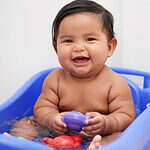
Drowning Can Happen Anywhere
If you have a pool at your home, hopefully you have a protective gate or fence around it. However, many parents don't think about how drowning can happen anywhere, and the fact that it's not uncommon for it to occur in the bathtub. According to Safe Kids Worldwide, when asked about safety concerns in the home, only 1% of parents listed drowning as a concern. Any time your child is around water, even if it's in the bathtub, make sure they have your undivided attention and that they're never left alone.
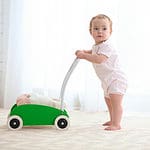
Skip the Baby Walker
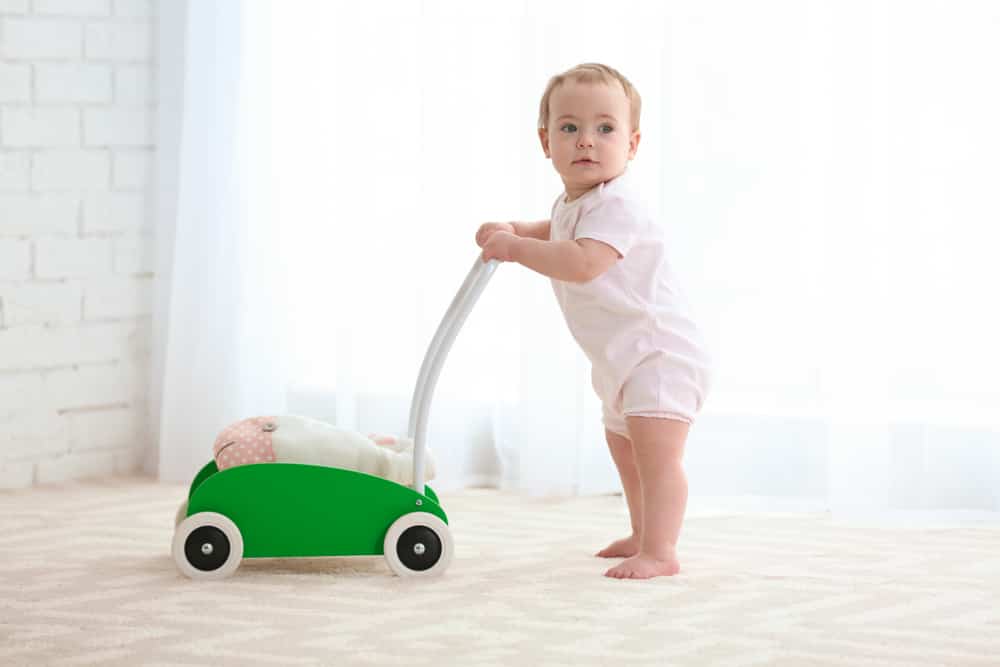
In 2026, you can still purchase a baby walker for your little one, even though the American Academy of Pediatrics (AAP) has advised against them. According to the Children's Hospital of Philadelphia, baby walkers cause more injuries than other baby products. While in a baby walker, there's a risk of falling down the stairs or grabbing a dangerous object without anyone noticing. Considering they don't provide any real developmental benefits, they're just not worth the risk. If you're looking for a way to put your baby down, a stationary entertainment center is a better, safer option.
The image featured at the top of this post is ©Zhuravlev Andrey/Shutterstock.com