
Anxiety is a normal part of life. There are times when everyone feels some level of anxiety, including children. In fact, stress can be a positive motivator for performance. However, too much stress or anxiety can become overwhelming. We turn to an expert for advice on how to tell whether the anxiety your child is experiencing is a normal part of development. Or, if it's time to reach out for help.
To provide support to parents, we speak with clinical child psychologist and VP of Care Strategy & Delivery at Brightline, Dr. Kendra Read, for some insight into childhood anxiety. Read on to learn how you can recognize and respond to anxiety in your kids and what to do when your child experiences more stress than normal.
Q: How Can Parents Tell the Difference Between Everyday Stress Versus a More Serious Issue That Needs Help?
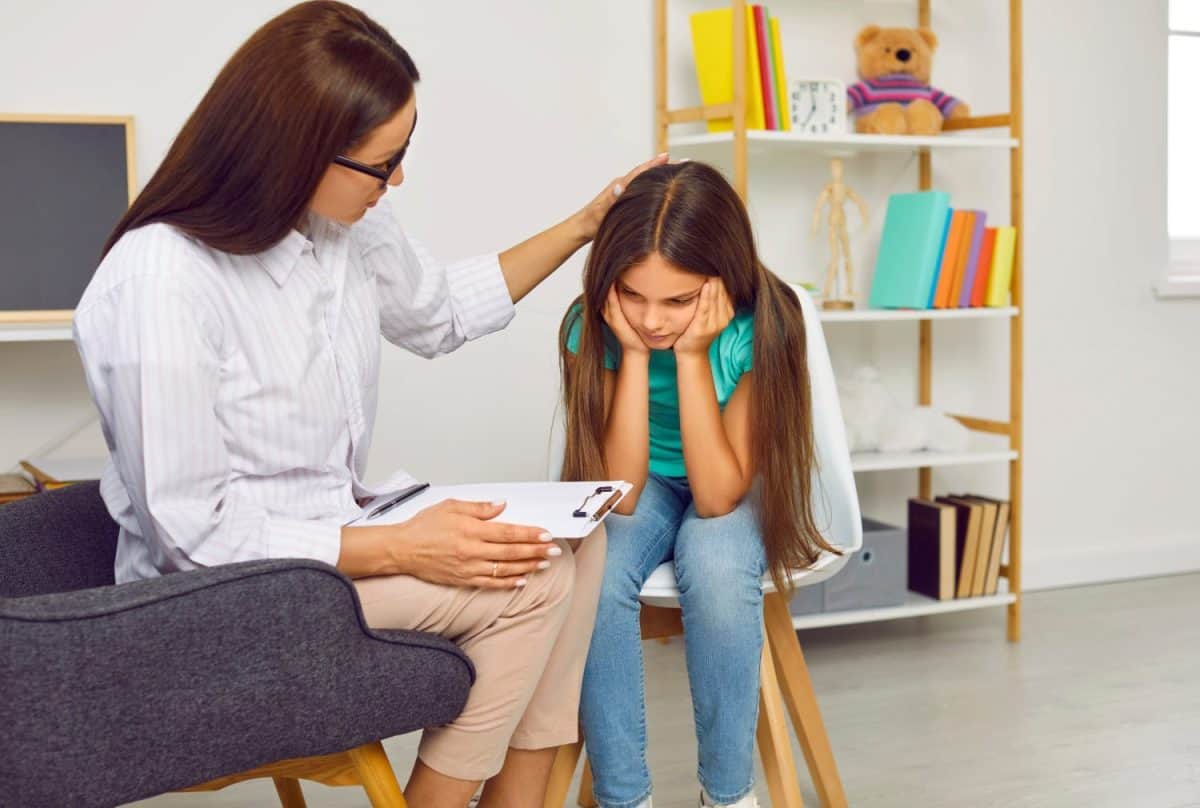
Everyone feels anxiety some of the time, but it's time to reach out for help when your child's anxiety begins to interfere with daily life.
©Studio Romantic/Shutterstock.com
A: Whether you’re in preschool or you’re a professional, you have some level of anxiety in your life. Someone forgot to cut the crusts off, someone forgot to pick up from school on time, someone missed a meeting or a deadline. Stress is a normal human emotion — so is anxiety.
Some level of anxiety can even be helpful — keeping your child safe in the face of actual threats (e.g., quickly stepping back from the street when a car comes zooming by) and increasing their response to important things (e.g., wanting to do well in school prompts studying for that test).
And for some people, kids and teens included, due to a mix of environmental and genetic factors, anxiety shows up with a frequency, persistence, and intensity that interrupts daily life. It makes relationships, routines, and school work feel scary, overwhelming, and exhausting.
You might see some of the symptoms below and notice your child struggling to control frequent worries or other symptoms of anxiety. Recognizing anxious thought patterns, physical experiences, and understanding what to do in these moments are the first steps towards your child feeling more confident, calm, and in control.
No two kids will have the same symptoms, but the symptoms they may experience include:
- Avoiding things that they need or want to do
- Difficulty relaxing
- Fatigued but having trouble falling or staying asleep
- Being easily agitated or startled
- Increased irritability
- Seeking constant reassurance
- Overdoing tasks (e.g., rewriting homework until it is perfect)
- Overthinking and stifled decision-making
- Seeming hypervigilant
- People-pleasing at school
- Acting avoidant or withdrawn
- Having difficulty focusing
- Muscle tension
If you notice these or similar patterns, don’t hesitate to talk with your child’s pediatrician or a mental health professional. With the right support, kids can learn how to recognize and cope with anxiety.
Q: Are There Physical Symptoms of Anxiety in Kids That Parents Should Watch for?
A: Yes. In fact, kids and adults both experience all emotions throughout their bodies. Anxiety and stress, in particular, can show up as physical feelings because that emotional response is tied to our sympathetic nervous system (our fight-or-flight response system). Here are some examples of how kids and teens might experience stress or anxiety physically:
- Shaking or trembling
- Headaches
- Frequent upset stomach
- Sweating or clammy hands
- Feeling restless or jittery
- Racing heart
Parents might also notice anxious behaviors. Typically, this looks like avoiding things that they need or want to do if something about those things makes them feel anxious. Kids experiencing high levels of stress or anxiety might have more tantrums or emotional outbursts as well.

Anxiety can show up as physical symptoms such as a racing heart or sweaty palms.
©DimaBerlin/Shutterstock.com
When physical complaints are frequent, or behaviors begin to interfere with daily life (at school, at home, or socially), it’s important to pay attention. Finding support helps your child manage their reactions to the anxious thoughts and feelings, and helps parents grasp healthy ways to respond at home.
Q: What Should a Parent Do When They Notice Their Child Is Overwhelmed in the Moment?
A: Most parents are wired to make negative feelings better for their kids as soon as possible. With anxiety, though, the trick is to remember that fixing it for them (e.g., by helping to remove the thing that makes them anxious or by constantly reassuring them) teaches your child they need you to fix it or that they’re not capable of coping independently. This isn’t likely what you’re aiming to teach your child in these circumstances. Instead, you want to support your child with a mix of confidence and validation as they face hard situations.
The goal is for parents to send the message that they know this is hard and they know the child can do it. How? (Remember this one) Help the child face the thing that they are avoiding (as long as it is objectively safe). Sometimes this is really clear (they just aren’t going to volleyball practice), and sometimes it is more subtle (avoiding uncertainty by asking reassurance-seeking questions about every potential aspect of the new situation). So what does “help” look like in these situations?

Positive rewards, like extra video game time, can help get kids motivated.
©Miljan Zivkovic/Shutterstock.com
Examples of Supporting Your Children
Here is an example. If a child is refusing to go to practice, try setting up environmental contingencies — if you attend, there is a positive reward (e.g., you pick what’s for dinner, extra video game time, or points/money towards something they’re saving for). Motivation can come from knowing their efforts will be rewarded, and it can strengthen their resolve to be brave enough to try.
Another example: If the reassurance-seeking questions are pervasive, pulling back from answering those questions and using positive reinforcement can help. One way to do that is to externalize the anxiety (you can even give it a name). Say something like “Remember our plan? I’ll answer only two of Willard’s questions this hour. Every time you resist asking his questions, you earn [something they love].” Then heap praise on your child every time you see them resist asking for reassurance by saying things like “I see you trying, and I’m so proud of you for being brave in this moment. I know it probably still feels hard, but you’re showing Willard you’re stronger than he thought!”
Acknowledge Their Emotion
Acknowledge their emotion — and let them know it’s okay to do it scared. Validation doesn’t mean that you agree with how they’re behaving. It means that you’re leaving space to understand how they got here, that you understand, and that it’s okay to feel any feeling.
Reframe your questions to avoid feeding the anxiety — ask “How do you feel about the game?” instead of “Are you nervous you won’t do well tonight?” If you notice that they’re often picking up on the bad things that might happen, nudge them to think about what else might happen instead.
Flip the “what ifs” — talking through what might happen in both the negative and positive scenarios helps your child’s brain see that 1) the outcome they’re worried about isn’t the only possibility, and 2) even if that is what happens, they know how to make it through.
Q: How Can Parents Help Kids Build Coping Skills Without “Fixing” Everything for Them?
A: Three things parents can do to help their kids learn to cope with challenges are:
Model the Behaviors You Want to See.
Put your own emotions into words. Take a break to be aware of your own emotions and thoughts so you can plan how you want to respond. Let your child see you processing your own experiences in adaptive ways. By adaptive, we mean showing your child that you are choosing to do things aligned with your own values, goals, and plans rather than doing things your emotions tell you to do.
For example, when you’re anxious about a big meeting you’re taking from home, instead of curling up in a ball and rescheduling it, you’re preparing, getting a pep talk from a friend, or shaking out the energy by jumping around to music. And you take the meeting, even when the jitters remain, e.g., you do it scared, and you make it through.
Validate Their Feelings While Supporting the Possibility to Think and Act Differently.
The goal isn’t for them to change how they feel at that moment. You want them to build awareness of how they feel without judgment (mindfulness — “Wow, I’m really feeling nervous about that test”), and notice the thoughts and actions that contribute to that cycle (e.g., “I’m going to fail, I may as well not even study”). In that awareness, parents can gently help their child question anxious thoughts and patterns of behavior (often avoidance) that exacerbate that difficult feeling.
Build Confidence by Showing Confidence.
Try to restrain yourself from swooping in to make hard situations easier (as long as your child is safe). Instead, when you know a situation is going to be difficult, help them set goals ahead of time and reward them for their efforts or for making brave steps toward that goal. What kinds of rewards? Things that motivate and make them feel good about their effort — everything from praise to earning something they enjoy.
Q: When Should Parents Consider Therapy or Counseling?
A: When a child’s anxiety begins to interfere with daily functioning, like attending school, maintaining friendships, participating in activities, or feeling comfortable at home, it’s a good time for parents to consider therapy. Another sign that more support could be beneficial is when a child has tried to cope on their own but continues to feel overwhelmed, stuck, or distressed. Seeking professional help early can make a meaningful difference.
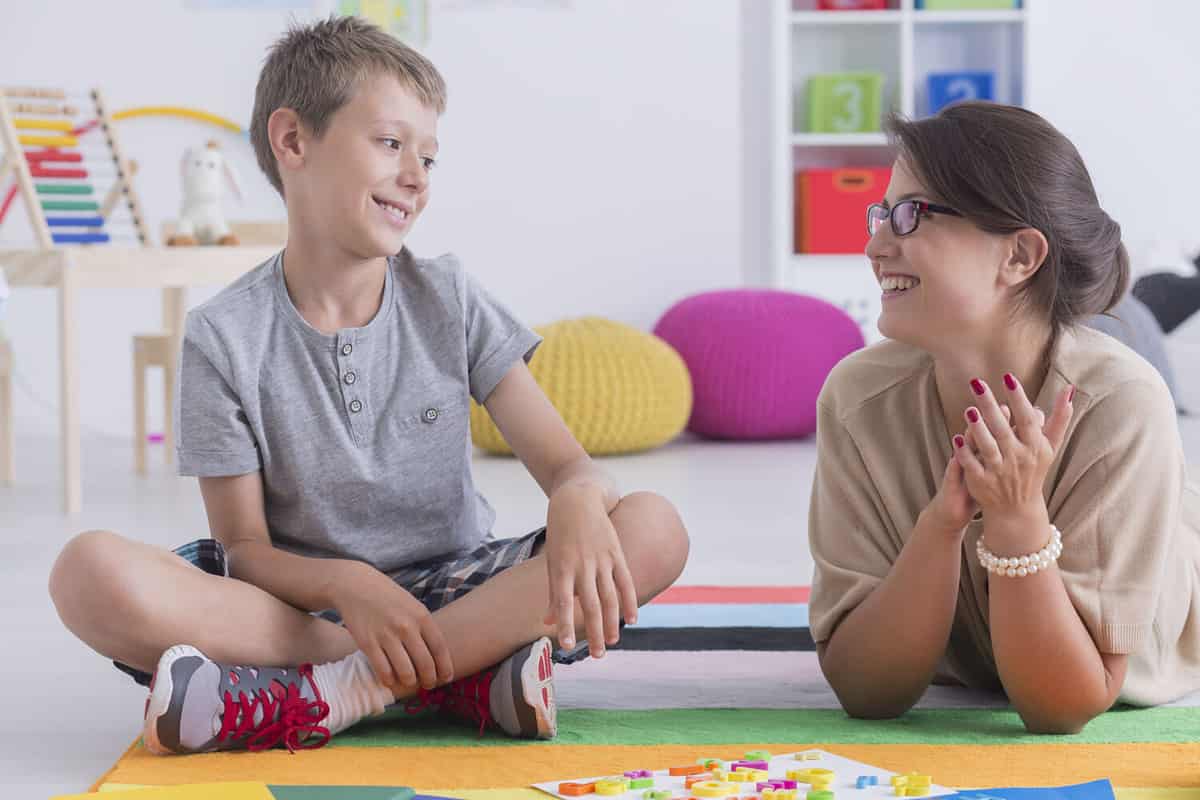
Trained professionals, such as therapists, school counselors, psychologists, and psychiatrists, can help kids learn coping techniques to better handle their anxious feelings.
©Ground Picture/Shutterstock.com
A trained mental health clinician has the experience to recognize and assess what a child is going through. They can validate, teach kids (and parents!) practical coping skills, and help parents understand how to support. Therapists, psychologists, and psychiatrists can teach practical coping skills to utilize when anxiety is experienced.
Q: What’s the Most Important Takeaway for Parents to Remember if They’re Worried About Their Child?
A: Let’s be real — it is hard to see your child in distress. And when it comes to anxiety, it’s natural to want to immediately alleviate that uncomfortable feeling for your child by fixing the situation. It’s this instinct that leads parents to accommodate anxiety, or make choices that reduce the likelihood that kids feel anxious (e.g., taking the long route to avoid driving over bridges).
These choices end up reinforcing the cycle of anxiety and prolonging the experience of that emotion. Why? That cycle of avoidance strengthens the idea that kids “can’t handle it” or that yep, it's just as scary as they thought — scary enough to stay away. So then the next time the child comes up against that situation, their body is primed to respond with, you guessed it, anxiety.
Instead, the goal is for parents to help their child face these situations. Those brave steps change that anxious cycle, primarily through action (reducing avoidance) and thoughts (reconsidering anxious thoughts vs other evidence of what else can be true) to change how they feel.
The image featured at the top of this post is ©Krakenimages.com/Shutterstock.com